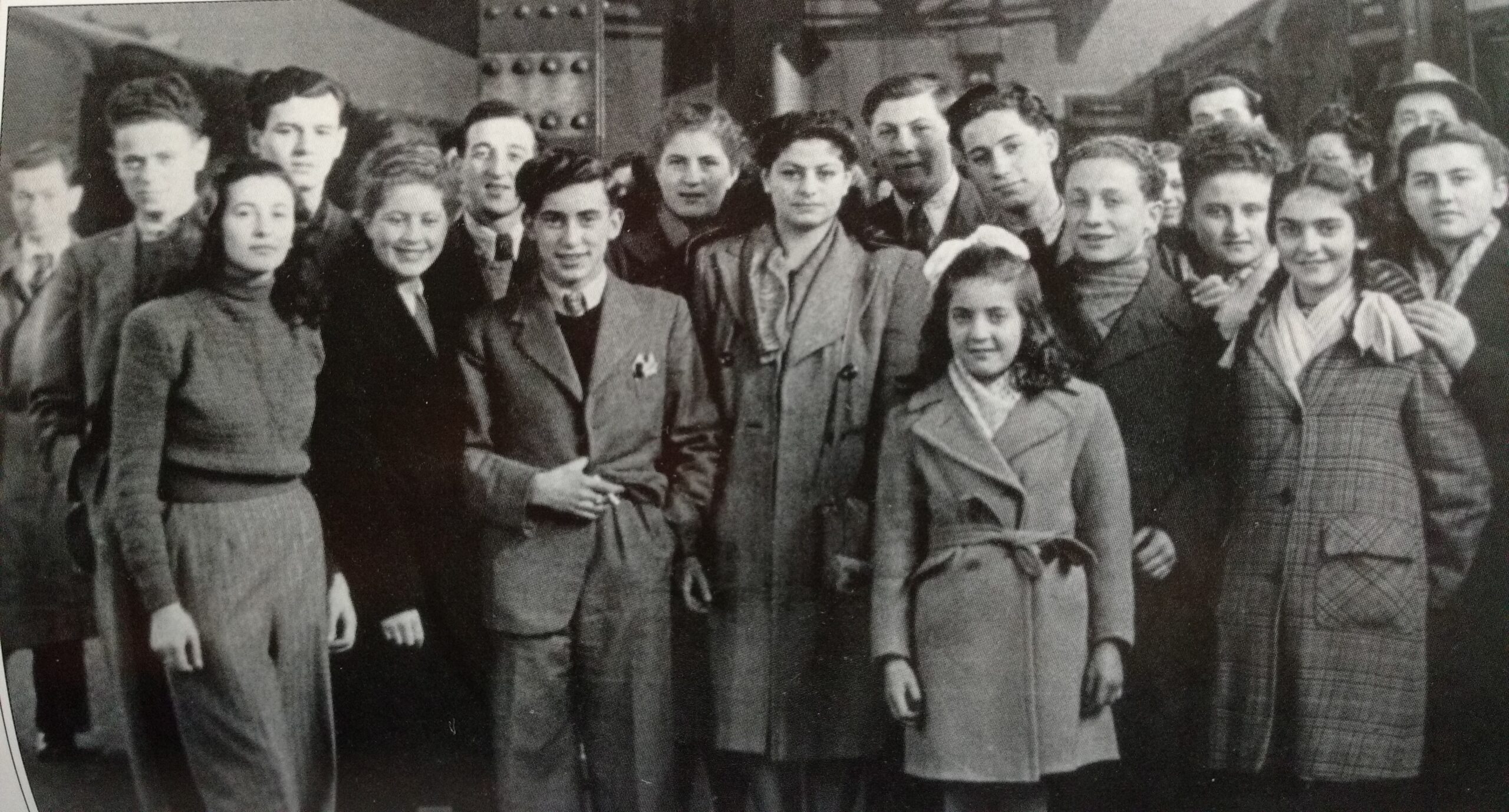
Q: How can I get in contact with one of The Boys or with their descendants? My relative comes from the same town as them.
A: The best approach is for families of The Boys to post a message on the ‘45 Aid Society Facebook group.
Q: How can I stay up to date with the work of the ‘45 Aid Society?
A: Please follow us on Instagram, join the ‘45 Aid Society Facebook Group, sign up to our mailing list through this form Contact Us to receive news and updates, or check our website on a regular basis.
Q; Are The Boys the same as Kindertransport?
A: No.
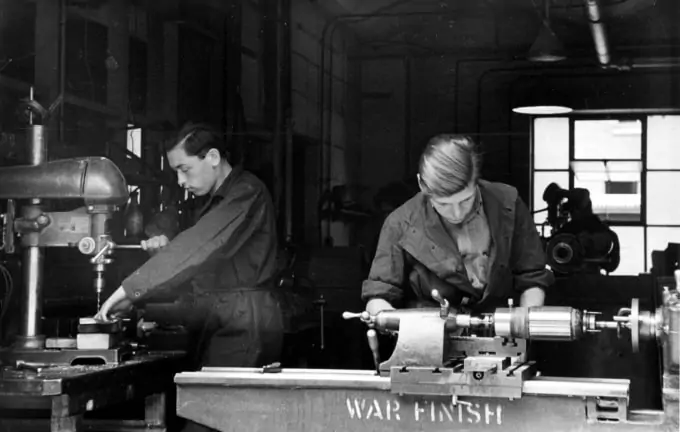
The members of the Boys came to the UK after World War II between 1945 and 1948.
The Kindertransport children came to the UK in 1938-39.
There are however some close links between the two groups:
The Central British Fund for German Jewry set up in 1933 organised the Kindertransport. They also organised the four transports of the child survivors who came after the war known as the Boys. The conditions imposed on joining the Boys transports were the same as for Kindertransport – significantly they had to be paid for by the Jewish community and the children had two years leave to remain.
The Committee for the Care of the Children from the Concentration Camps which was set up to care for the Boys was made up of prominent members of the Central British Fund who had organised the Kindertransport.
Many of the senior staff hired by the Central British Fund had been involved in organising and accompanying the Kindertransport. Many of the junior staff who worked in the hostels were on the Kindertransport.
The Boys were often housed in hostels with Kinder from the Kindertransport or attended schools (which had fled Nazi Germany) such as Bunce Court and Stoatley Rough, where many Kinder were also looked after.
The Primrose social club in London was a place where the Kinder and the Boys met and romances began. Many Boys married Kinder.
The lessons learned from the Kindertransport affected the way the Boys were cared for and led to the initial use of hostels rather than foster families.
The Kindertransport also had important repercussions in the DP camps. There were 220 child survivors who were due to come to the UK from the Belsen-Hohne DP camp in 1945 but their transport to the UK was blocked by Zionist and religious survivors. The later quoted the Kindertransport for their opposition to the children going to the UK as many of the Kinder had been placed in Christian homes.
Q: Are the Windermere Boys different from The Boys?
A: The first group of children to be brought to the UK as part of The Boys were taken to Windermere in the Lake District and as a result are known as the Windermere Boys.
Q: Is there a Film or TV programme about The Boys?
A: Yes. There are a number of TV programmes about The Boys:
A documentary was made in the 1990s by Herk Krosney with Sir Martin Gilbert, “The Boys – Triumph Over Adversity”– read more here.
A BBC drama and documentary about the first group of The Boys were made in 2020, “The Windermere Children” and “The Windermere Children: In Their Own Words”.
Rabbi Solomon Schönfeld
Q: Are the Schönfeld Boys part of The Boys?
A: Yes. This group was the fifth group of The Boys.
It does not however include all the children brought to the UK and Ireland by Rabbi Schönfeld.
Q: Are the children looked after by Anna Freud and Alice Goldberger part of The Boys?
A: Yes. Alice Goldberger worked alongside Oscar Friedmann caring for the youngest members of the Boys. She was appointed as the matron of the Weir Courtney hostel in Surrey. Goldberger had previously been interned as an enemy alien on the Isle of Man where she set up a kindergarten. Her work was brought to the attention of child psychologist, Anna Freud, who arranged for the release of Goldberger and employed her initially to look after children evacuated from London due to the Blitz.
Goldberger became a surrogate mother figure to the children in her charge and is regarded by many of their own children as their grandmother. She later cared for a small group of the children at Lingfield House in West London. That hostel closed in 1957. Goldberger then became a child therapist in the Hampstead Child Therapy Clinic.
Q: Why were there so many hostels?
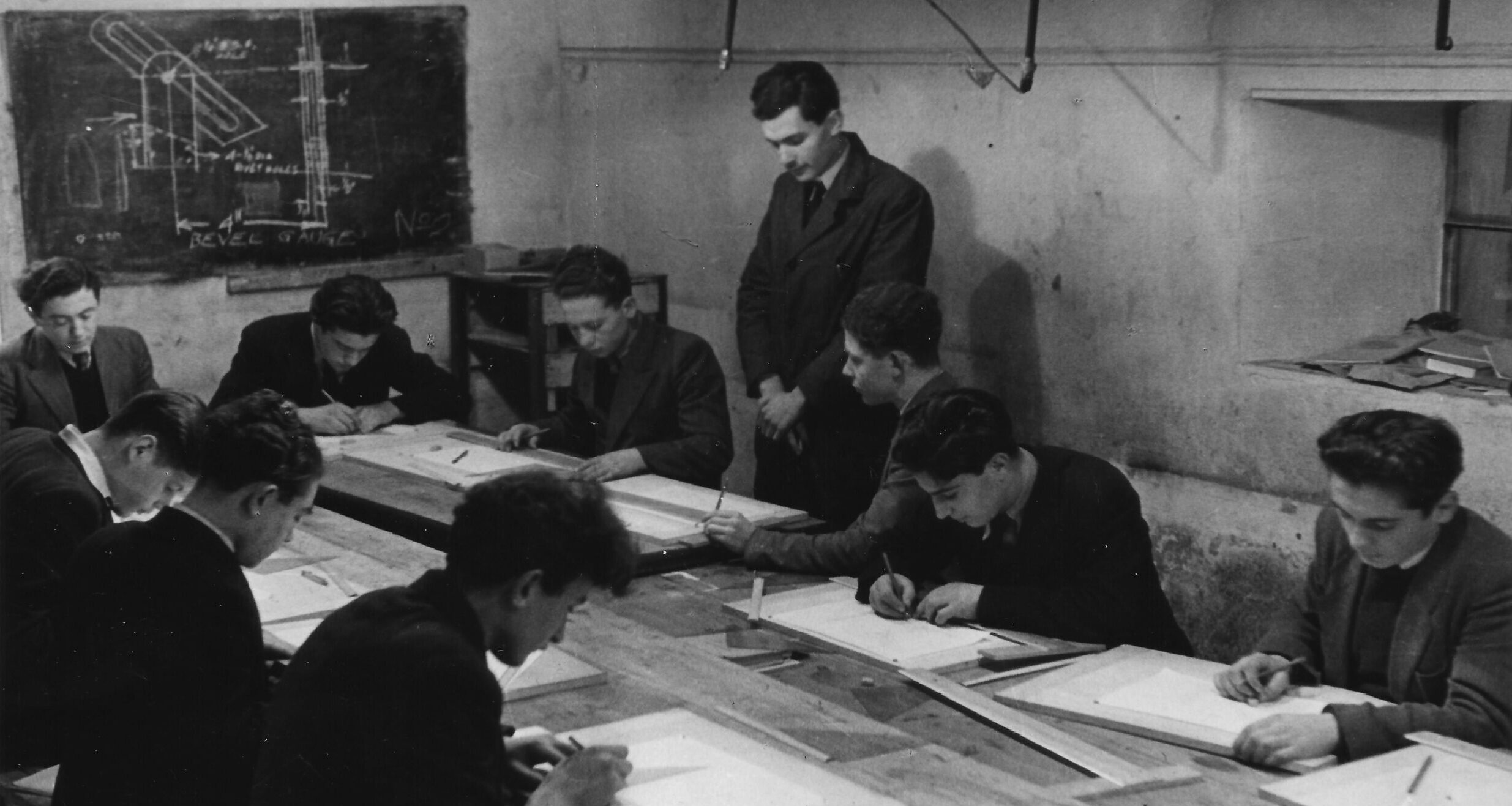
A: The Jewish community in the UK had not only to find ways to accommodate more than 700 children but to care for them in an appropriate way in accordance with their specific educational, health, religious and other needs.
Many of The Boys arrived at one hostel and moved on to two or three other hostels as they progressed, and their needs evolved over time. The hostels provided various functions including those of reception centres and educational centres and eventually provided support for other needs including health care, religious needs and other requirements. This process involved significant planning, attention to detail and an impressive range of resources across the whole of the UK.
Q: My relative called the hostel by a different name.
A: Many hostels were known by the name of their building, street, neighbourhood, local London Underground station, town or city or all of the above. It was common for some of the hostels to have more than one given name. We have tried to include most of the given names as applicable.
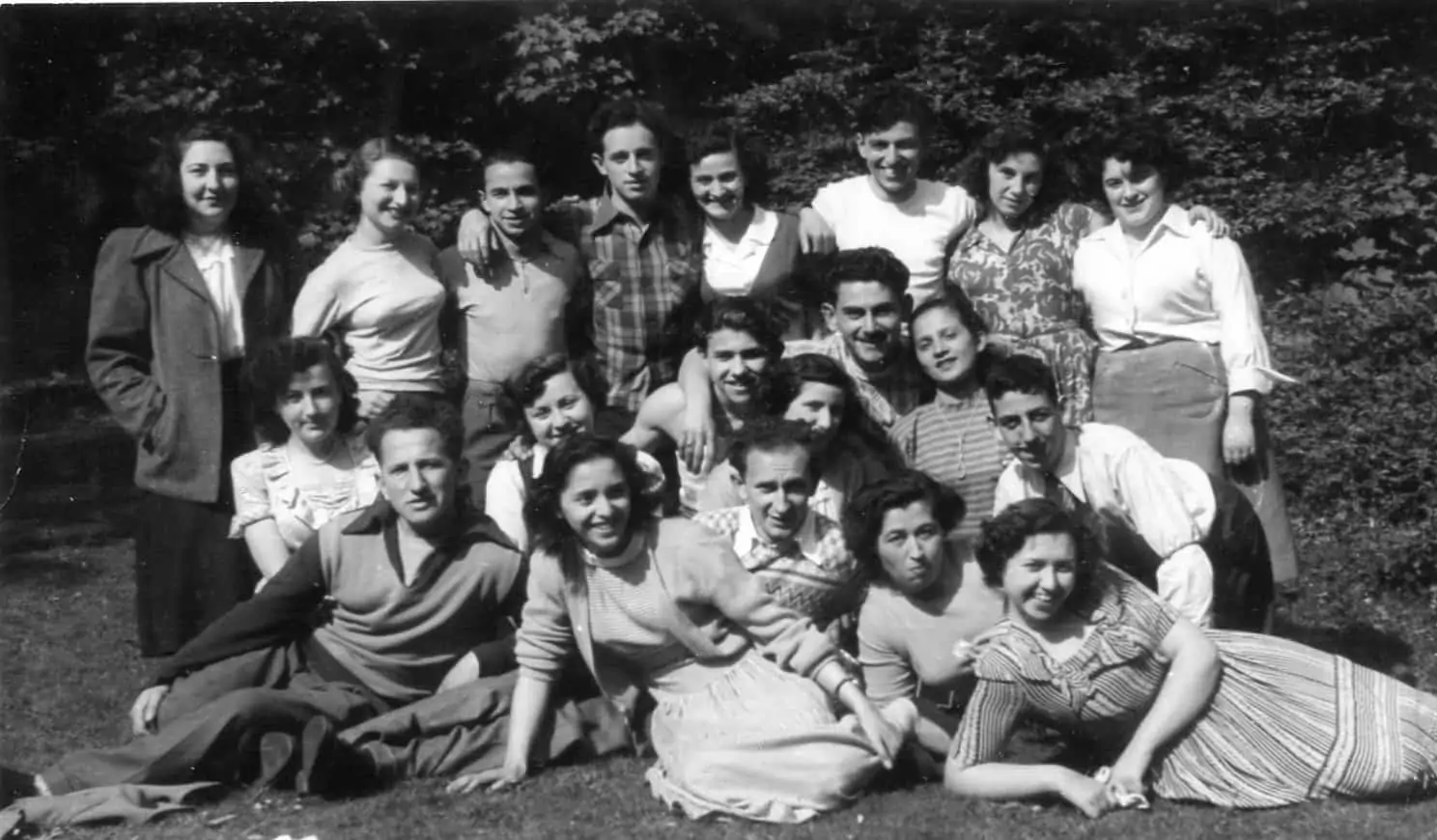
Q: How did the ‘45 Aid Society create this archive?
A: We have conducted detailed research using a variety of sources all of which are in the public domain. Click here to read more about our sources.
Q: My relative’s name is misspelt, or I cannot find it on the list of names.
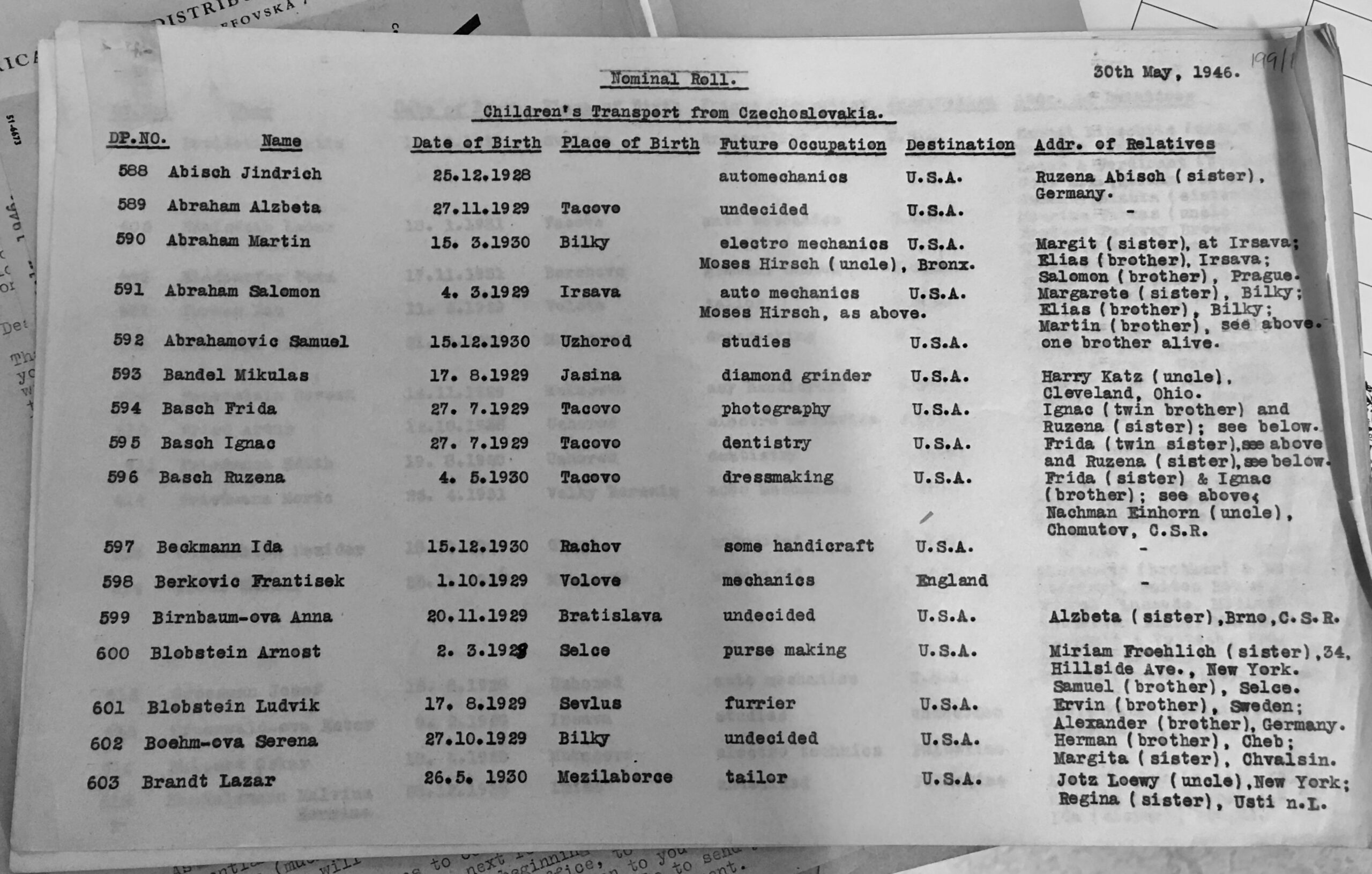
A: The A-Z of the Boys’ names is based on lists that were drawn up, either at the point of the Boys departure from continental Europe, or their arrival in the UK. When more recent names are not known the names on those lists have been used. Click here to read more about our sources.
Q; I was not asked to contribute to information – how was this archive created?
A: We have conducted detailed research using a variety of sources. Click here to read more about our sources.
Q: Can I add information on my family to the archive?
A: The ‘45 Aid Society has used a standard format for all the profiles in the archive. It is not intended for the archive to be a family photo archive. If there are errors in what has been presented, please use the contact form provided within the profile pages and provide us with the relevant information and supporting material.
Q: My relative came on the Kindertransport but their name is not on the list of The Boys.
A: The children that were admitted to the UK as part of the Kindertransport in the years before World War II are distinct from The Boys.
Q: Why is there a lot more information on some of The Boys compared to others?
A: Some of The Boys moved to other countries, other died young and some did not maintain contact with the ‘45 Aid Society. For these reasons there have been less available sources of information.
Q: I would like to use this material in an educational project. How do I proceed?
A: We support all those developing educational material for schools and other institutions. If you would like to use the Boys story as an educational tool, please get in touch for authorisation. For more on our educational programmes click here

 About
About History
 Education
 Quilts
 FIlms
FIlms Photos
 News Media & Events
 Publications
 Donate