
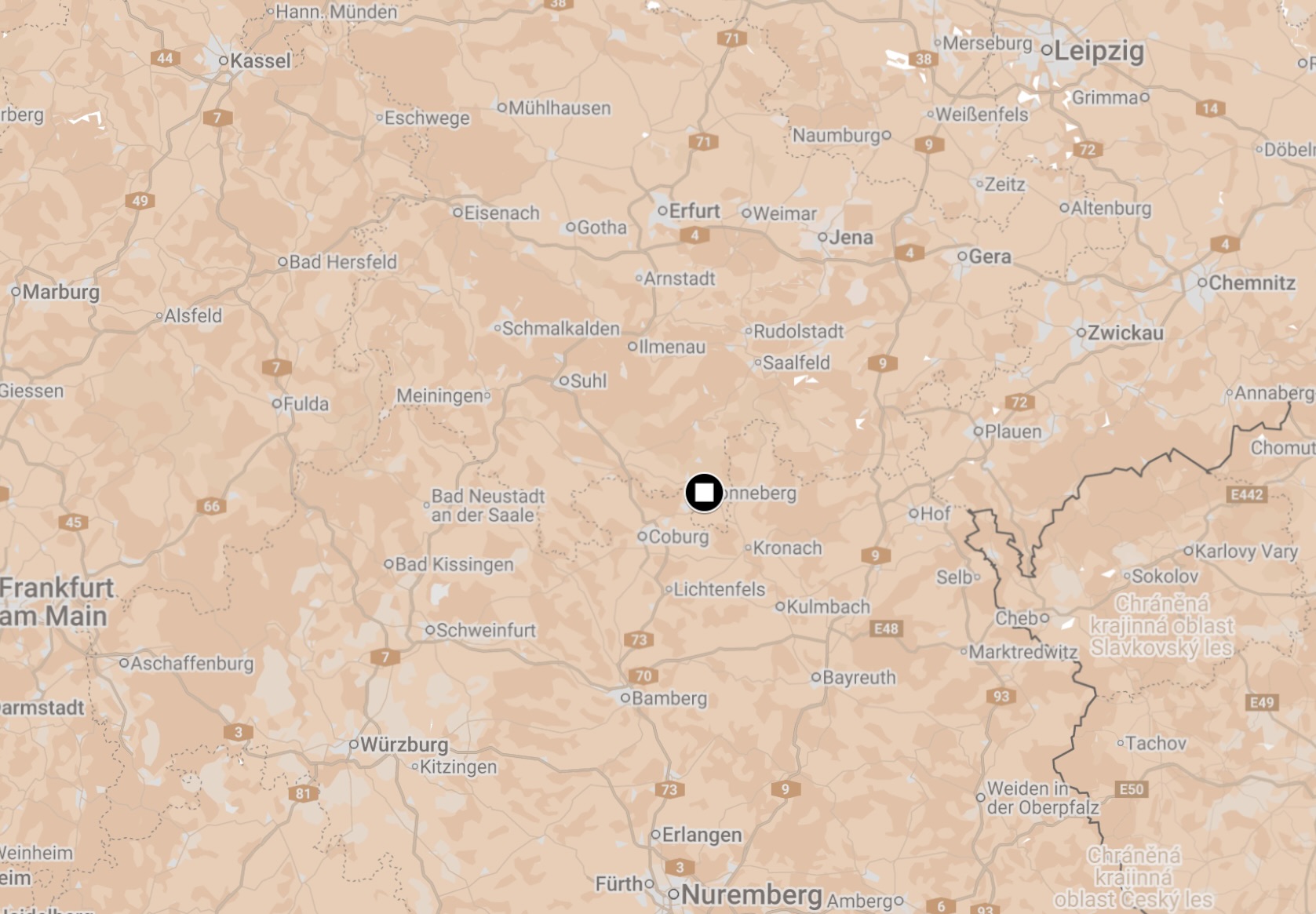
Members of the Boys were slave labourers in the Sonneberg labour camp in Germany, a subcamp of the Buchenwald concentration camp.
Buchenwald concentration camp was operated by Nazi Germany. The camp had 139 subcamps.
The Boys were teenage and child-Holocaust survivors, who were brought to the UK after the war for rest and rehabilitation.
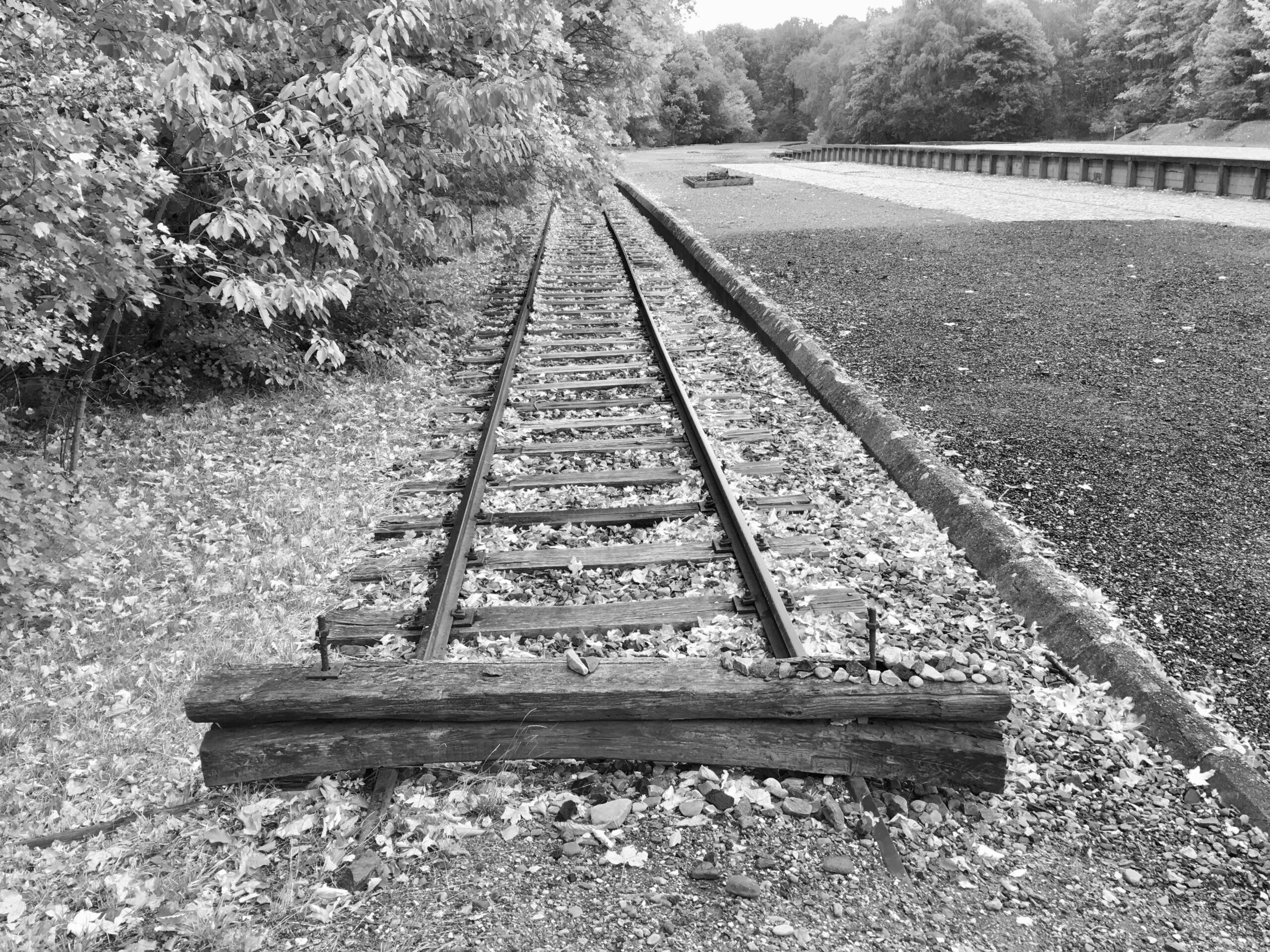
History
The camp was situated in the factory of the Thüringer Zahnradwerke GmbH Sonneberg, a subsidiary of the Leipzig machine factory GE Reinhardt. It produced aircraft parts.
Conditions in the camp were very poor and about 20 prisoners a month died.
“Even Sonneberg was bombed. We were taken to clear the debris. A dozen of us were allocated to clear the rubble of a badly damaged two-storey house. We were warned that we would be shot if we stole anything. We found a cellar. I drank half a dozen raw eggs (I had not seen an egg for at least two and a half years.) I ate all sorts of preserves, ignoring the broken glass inside the jars. On the way back we were searched but nothing was found on anybody.”
Michael Etkind quoted in Martin Gilbert, The Boys: The Story of 732 Young Concentration Camp Survivors (Wiedenfeld & Nicholson, 1996).
Etkind was 19 years old when he was in the camp.
Dissolution & Liberation
Shortly before the camp was dissolved in April 1945, a massacre occurred. When the prisoners were ordered to leave in a hurry, the night shift members protested, fearing that they would not receive any food rations before they left. When some prisoners took a sack of potatoes, SS officials shot into the crowd. At least 40 prisoners were killed and many injured.
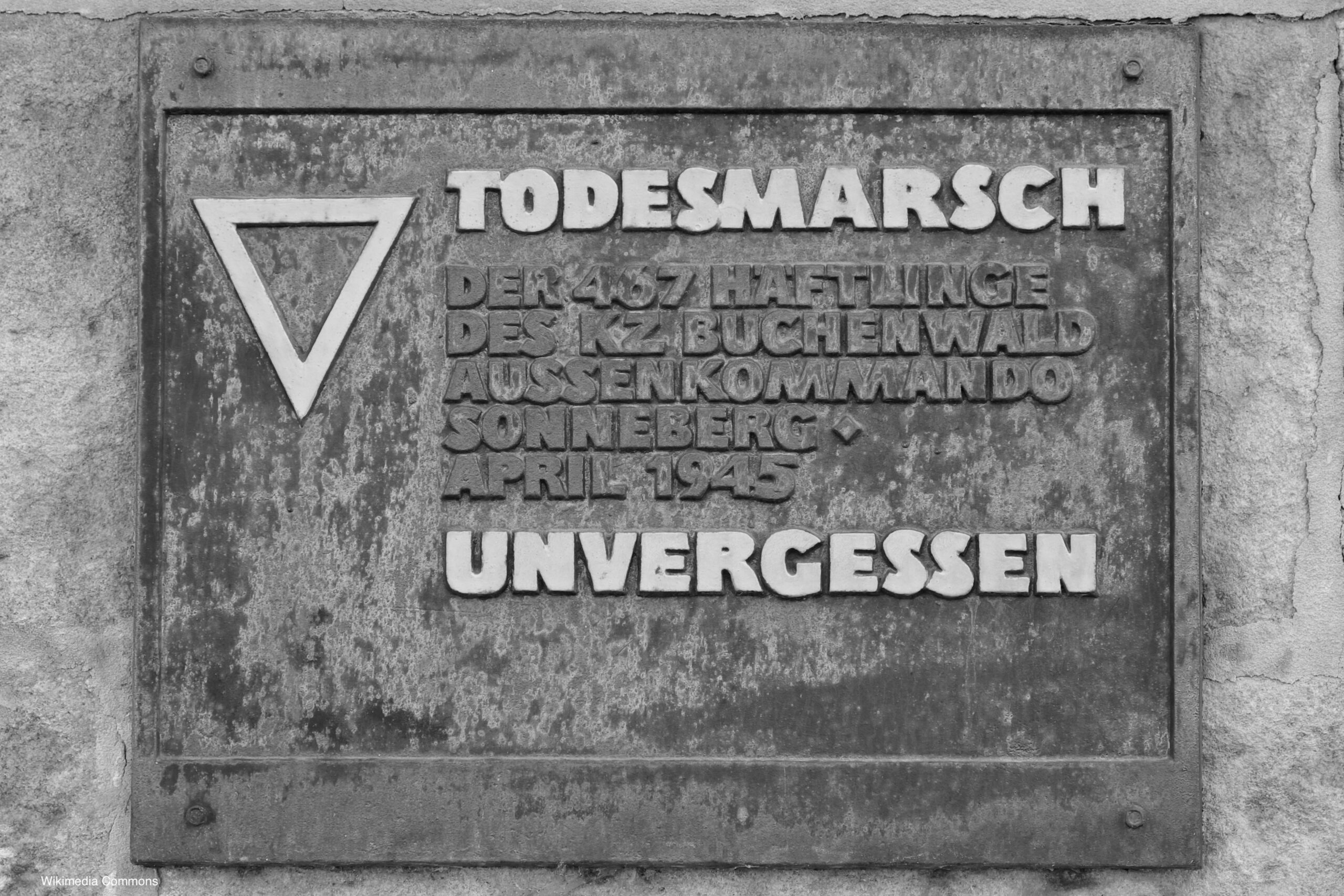
On 4 April 1945, 467 of the prisoners were sent on a death march, after which only half survived.
In post-war trials, a number of SS guards from Sonneberg were found guilty of war crimes and imprisoned.

 About
About History
 Education
 Quilts
 FIlms
FIlms Photos
 News Media & Events
 Publications
 Donate