Members of the Boys were slave labourers in the Erich & Graetz factory.
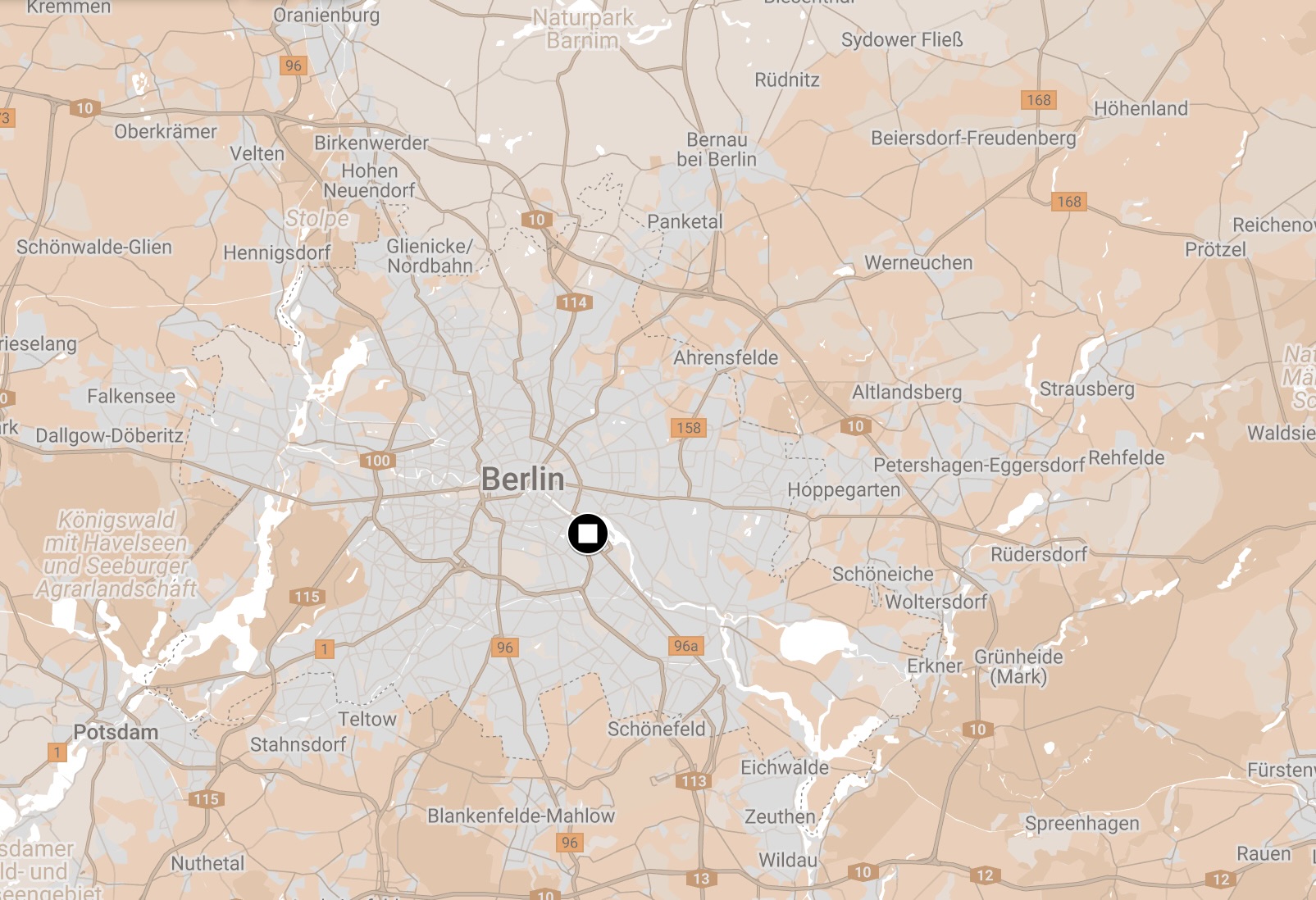
The electricity factory Erich & Graetz, a metal-working and electrical company based in the Berlin district of Treptow, used slave labour from the autumn 1940 to February 1943.
The Boys were teenage and child-Holocaust survivors, who were brought to the UK after the war for rest and rehabilitation.
Little is known about the factory and labour camp. Prisoners were made to produce electrical goods and metal components, much of it destined for armaments and military use. More than five hundred Berlin Jews were forced to work at the factory.
Some prisoners were brought to the labour camp from Kaiserwald concentration camp in Nazi-occupied Latvia, brought across the Baltic Sea by boat. Among them was one of the Boys Arthur Isaaksohn.
In Berlin, many of the Jewish labourers working at Erich & Graetz were arrested during the Fabrikaktion of 27 February 1943. This mass raid targeted the last remaining Jews in the city, who had been temporarily spared deportation due to their forced labour roles. Thousands were taken directly from their workplaces, including at Erich & Graetz, and sent to Auschwitz and Bergen-Belsen. The Fabrikaktion also triggered the Rosenstraße protest, when non-Jewish relatives of the arrested gathered in central Berlin, successfully demanding the release of their loved ones.
As the Red Army advanced, surviving prisoners at the factory were evacuated to Bergen-Belsen, where many would eventually be liberated in the spring of 1945.
Memorialisation
Some records and survivor testimonies have been preserved by the Jewish Museum in Berlin, where identity cards, testimonies and images of Jewish workers were held a permanent exhibition titled Jüdische Zwangsarbeiter bei Ehrich & Graetz, from 2003-2017.
 About
About History
 Education
 Quilts
 FIlms
FIlms Photos
 News Media & Events
 Publications
 Donate