
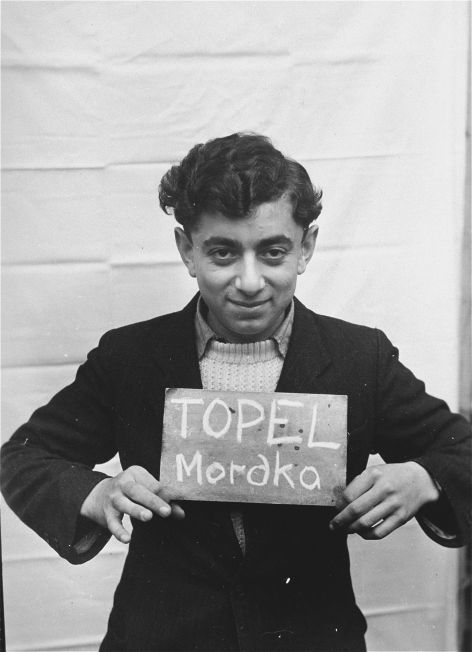
Members of the Boys were slave labourers in the Blyzin labour camp, a subcamp of the Majdanek concentration camp in Lublin, eastern Poland.
Blyzin labour camp was operated by Nazi Germany. The camp had 11 subcamps.
The Boys were teenage and child-Holocaust survivors, who were brought to the UK after the war for rest and rehabilitation.
History
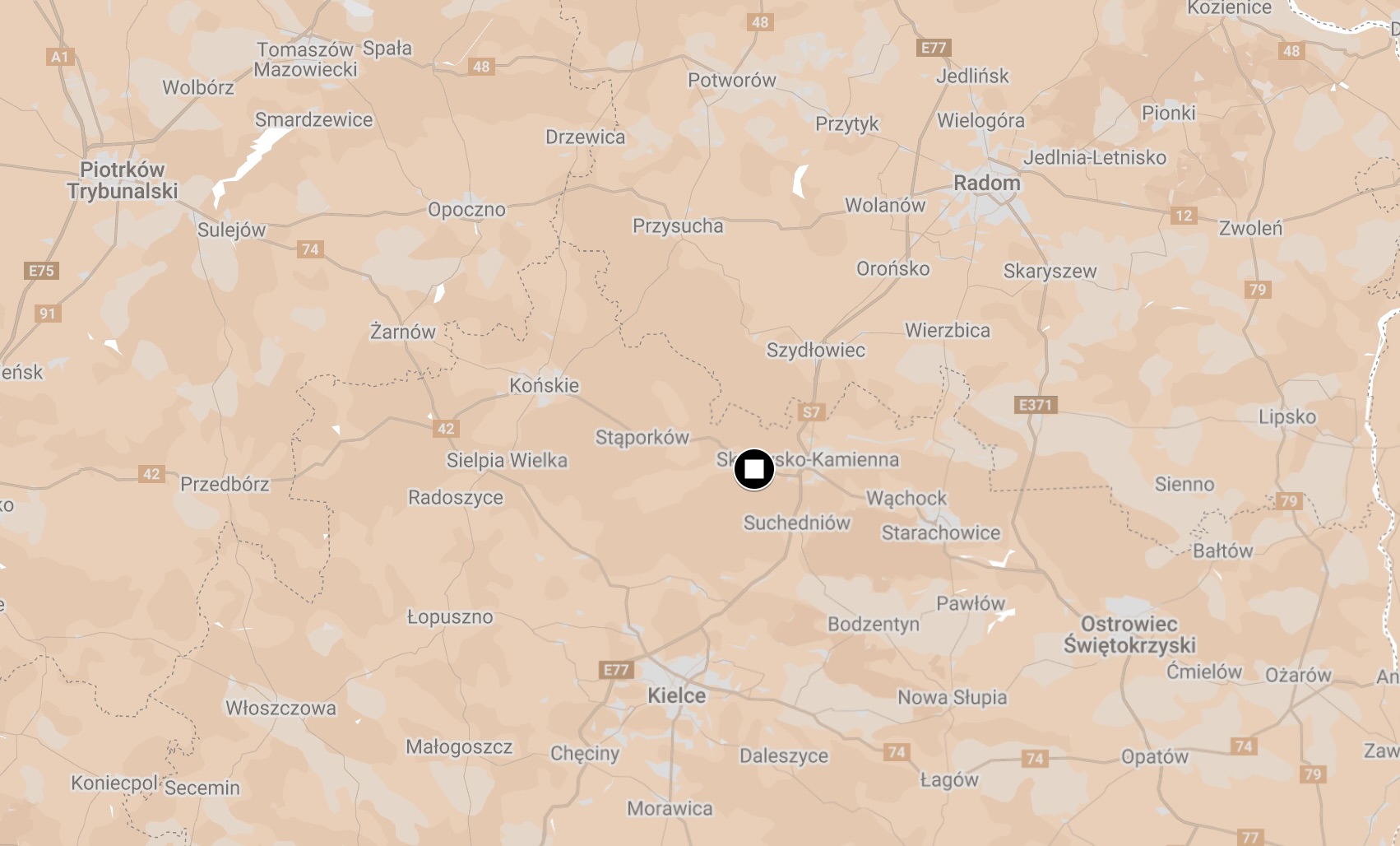
Blyzin labour camp was located about 40km southwest of Radom. The camp was for Jews and was established in March 1943.
The prisoners were forced to work for Deutsche Ausruestungswerke in various workshops among them an armaments factory and in the quarry in Gostków. Blyzin became a subcamp of Majdanek in early 1944. Prisoners in Blyzin worked for the SS holding company Ostindustrie GmbH (Osti). It became a subcamp of Majdanek in February 1944.
Structure
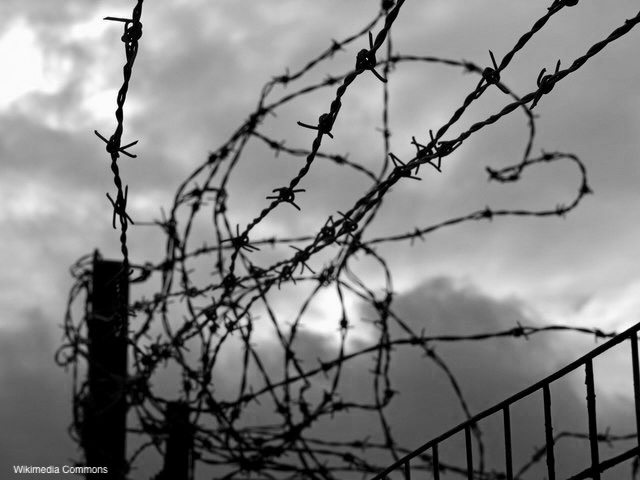
The camp was surrounded with barbed wire and guarded by Germans and Ukrainians. The atmosphere was extremely violent. The guards would set their dogs on the prisoners and carry out summary executions. Any attempt of escape was punished with death.
From the spring until the summer of 1943, various groups of Jews were transferred to the Blizyn forced labour camp, including Jews from Radom, Kielce, Częstochowa, Piotrków-Trybunalski and Tomaszow Mazowiecki. In the late summer of 1943, another group of Jewish prisoners arrived from the Bialystok ghetto via Majdanek concentration camp. The camp held on average 5,000-6,000 male and female prisoners who were held in separate barracks.
Food rations were minimal – about 170 to 250 grams of usually damp bread and watery vegetable soup at lunchtime, which sometimes contained a little meat – and sanitary conditions poor. The camp had been previously held Soviet prisoners of war, some of whom were buried on the camps grounds, which led to a serious rat infestation. The camp was surrounded by a barbed-wire fence, which was lit up by searchlights at night.
Once the camp became part of Majdanek, prisoners were issued with stripped uniforms and Jews were separated from the Polish prisoners. Escape attempts were severely punished, and the Ukrainian guards hanged some escapees on the camp fence. Nevertheless, escapes did occur.
The camp commandant from March 1943 until the subordination of the camp to the Lublin concentration camp was SS-Oberscharführer Paul Nell, who was regarded by prisoners as extremely sadistic. In February 1944 he was replaced by SS-Oberscharführer Heller, who enjoyed a markedly better reputation among the surviving prisoners. Nevertheless, hundreds of prisoners died of typhus, exhaustion and SS brutality during the camp’s existence. The corpses were buried in a wood close to the camp. The names of the dead were simply erased from the camp records, only the number of fatalities was recorded.
“We worked in a quarry. The rations were so meagre there was never a moment when we were not hungry – starving. Work was extremely hard, and our Ukrainian guards were very brutal. One day I was pulling a small wagon filled with quarried stone up an incline when a guard accused me of leaning on the wagon, not pulling it. He pulled me into a nearby field and repeatedly ordered me to fall into the mud and get up. I became so exhausted I begged him to shoot me. He just hit me with his rifle butt and forced me back to work …
One German in Blyzin would pick on well-built Jewish prisoners. He would beat them to death with a leather whip which had a metal tip. Many prisoners, including my cousin Avram Klaiman, died of typhus and they were buried in the nearby forest.”
Schmul Laskier, later Sam Laskier, quoted in Martin Gilbert, The Boys: The Story of 732 Young Concentration Camp survivors (Weidenfeld & Nicholson, 1996). Laskier was 15 years old when he was held in the camp.
Dissolution
Between July-September 1944 as the Red Army advanced the camp was dissolved. Prisoners were transferred to the Auschwitz II-Birkenau. Some of the Boys in Blyzin were among them others were moved on to different labour camps. On 31 July 1944, 1,614 male and 715 female Jewish prisoners arrived in Auschwitz. Most survived the initial selection.
Aftermath
In the 1970s, Nell was tried and convicted for war crimes in Hamburg. He died in 1979. Heller was captured and tried by the US authorities. However, after several Jewish survivors from Blyzin testified in his favour, he was acquitted and released.
 About
About History
 Education
 Quilts
 FIlms
FIlms Photos
 News Media & Events
 Publications
 Donate