
Members of the Boys were slave labourers in the Budzyń labour camp, a subcamp of the Majdanek concentration camp in Poland.
Budzýn labour camp was operated by Nazi Germany. The camp had 11 subcamps.
The Boys were teenage and child-Holocaust survivors, who were brought to the UK after the war for rest and rehabilitation.
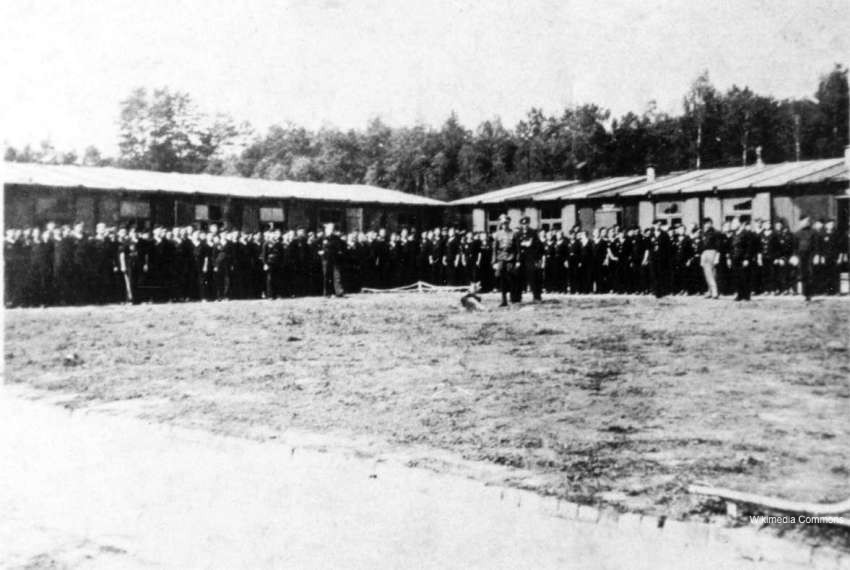
KZ Budzyn.
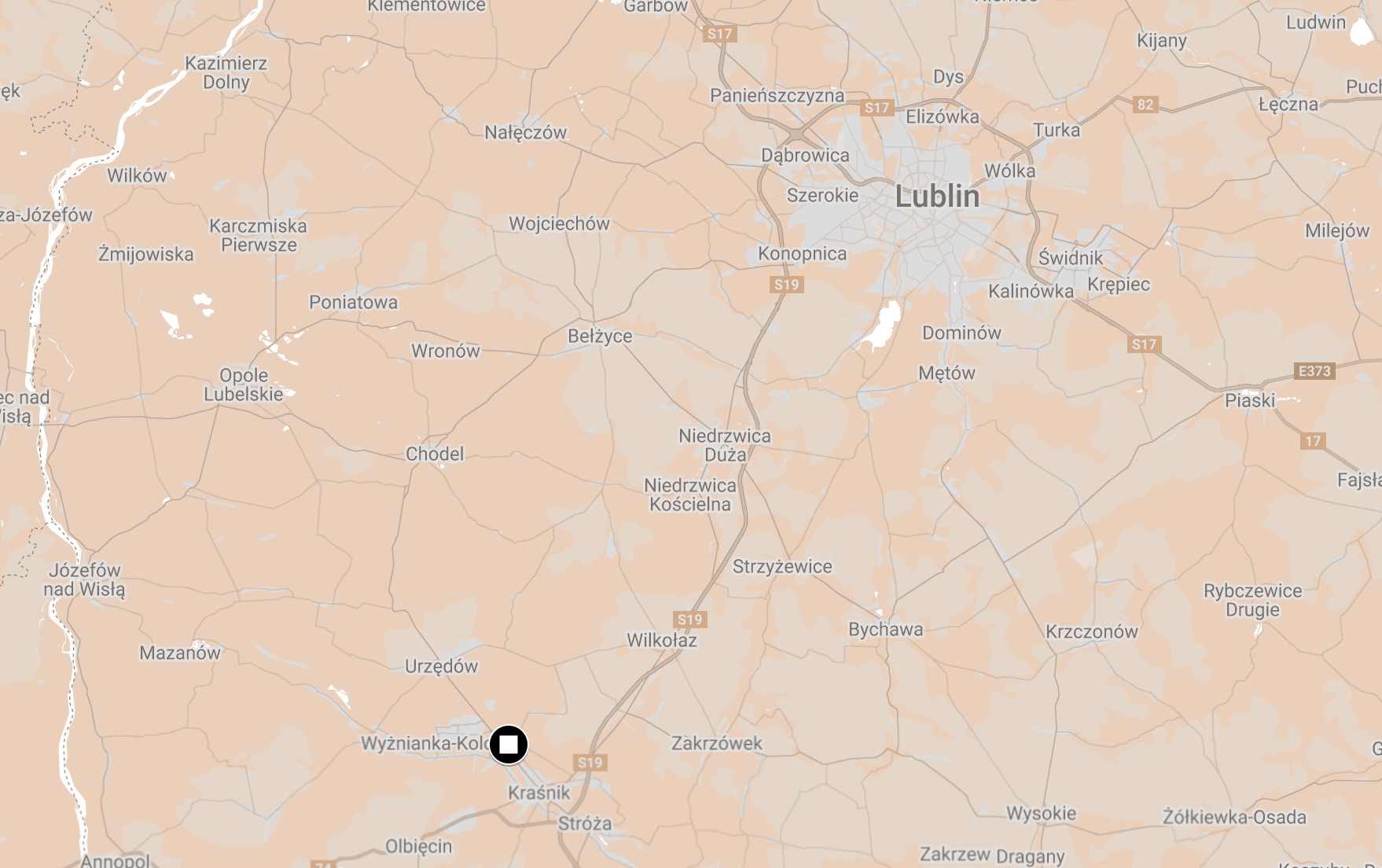
Budzyń labour camp was located 5km northwest of Krasnik, which was in the Lublin district of the General Government of German occupied Poland.
History
In the mid-1930’s, the Polish authorities had established a military-industrial production centre in the area. Under German occupation, most of the armaments factories were taken over by the Reichswerke Hermann Goering and the over 3,000 prisoners, among them 300 women and children, were used as slave labourers primarily in the Heinkel aircraft factory or forced to dig sewage ditches, clear the forests and extend the camp.
There were five large deportations to Budzuń in 1942-3. Jews were taken from the ghettos in Bełżyce and Krasnik as well as the camps in Goscieradow, Hrubieszow Lublin and Konska Wola, Krychow.
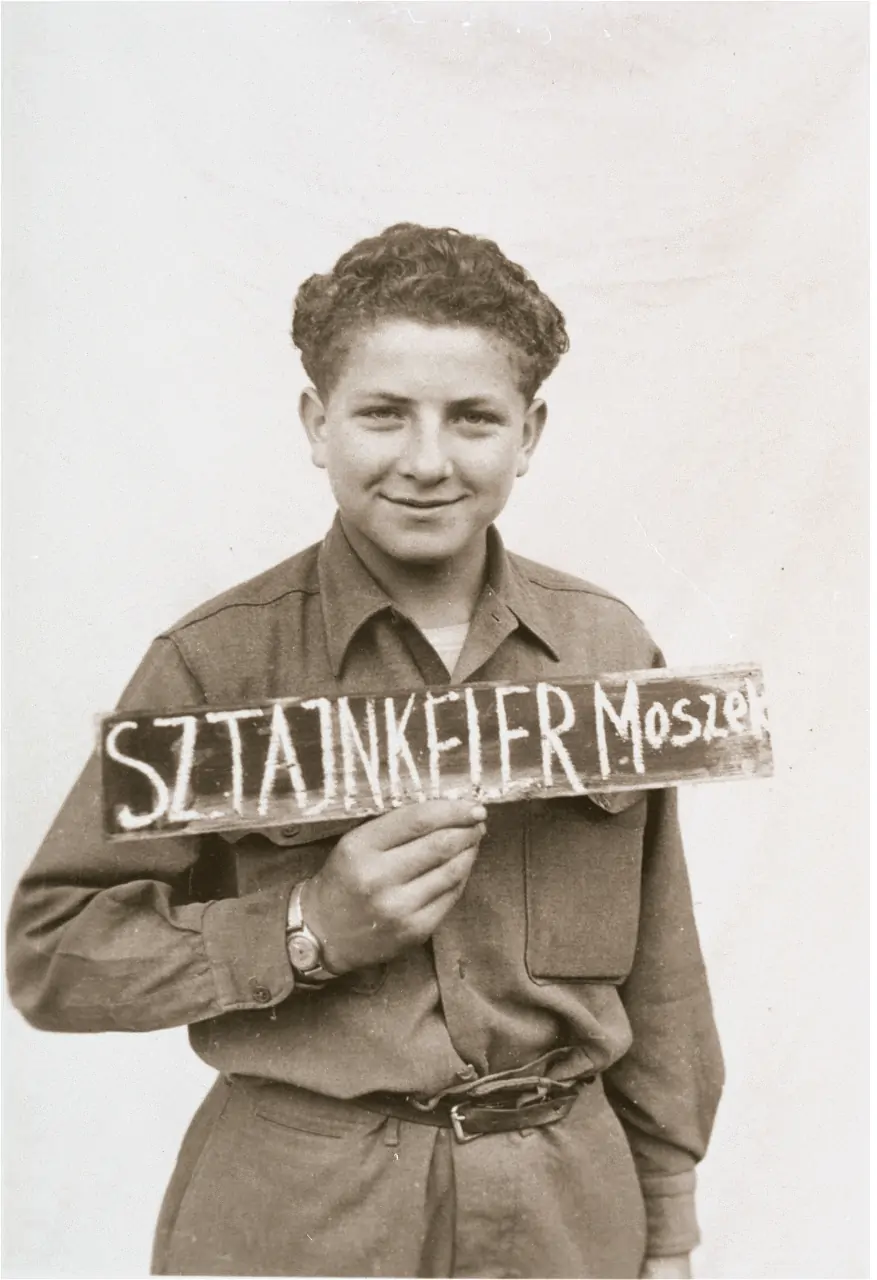
Jews were also moved to Budzyń from Janów Lubelski, Mohylów, Smolensk, Vienna and Slovakia. Among those who came from Smolensk was Josef Himmelstein and Alfred Hymans was among those brought from the Minsk ghetto.
The camp was operated by the SS from the spring of 1942 to June/July 1944. It became a subcamp of Majdanek concentration camp in October 1943 after 1,000 Jews were deported to the camp after the Warsaw Ghetto Uprising.
Structure
The camp was located about 3km from the Heinkel factory. Prisoners also worked for Organisation Todt repairing tanks and other heavy equipment. The daily march to these workplaces took about 45 to 60 minutes.
The Budzyn camp was relocated at the end of January 1944 to another newly constructed camp, known as ‘Barrackenbau’ closer to the Heinkel factory.
At the new location, the camp was somewhat larger and surrounded by an electrified fence. Several hundred sick and weak prisoners, including many women, were not transferred but were murdered by Ukrainian guards.
Dissolution & Liberation
Throughout the spring and early summer of 1944, there were various selections in the camp, as weaker prisoners were designated for death and groups of workers were sent to other camps. Among the destinations of prisoners from Budzyń in this period were the Heinkel factories in Mielec and Wieliczka. Most of the members of the Boys were transferred to these two camps.
By the time the Red Army liberated Budzyń in June 1944 most of the workforce had been moved elsewhere.

 About
About History
 Education
 Quilts
 FIlms
FIlms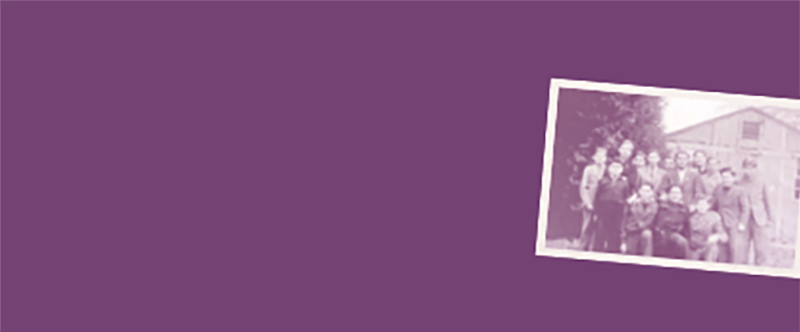 Photos
 News Media & Events
 Publications
 Donate