Members of the Boys were slave labourers in the Dresden-Bernsdorf labour camp in Germany, a subcamp of the Flossenbürg concentration camp.
Flossenbürg concentration camp was operated by Nazi Germany. The camp had 80 subcamps.
The Boys were teenage and child-Holocaust survivors, who were brought to the UK after the war for rest and rehabilitation.
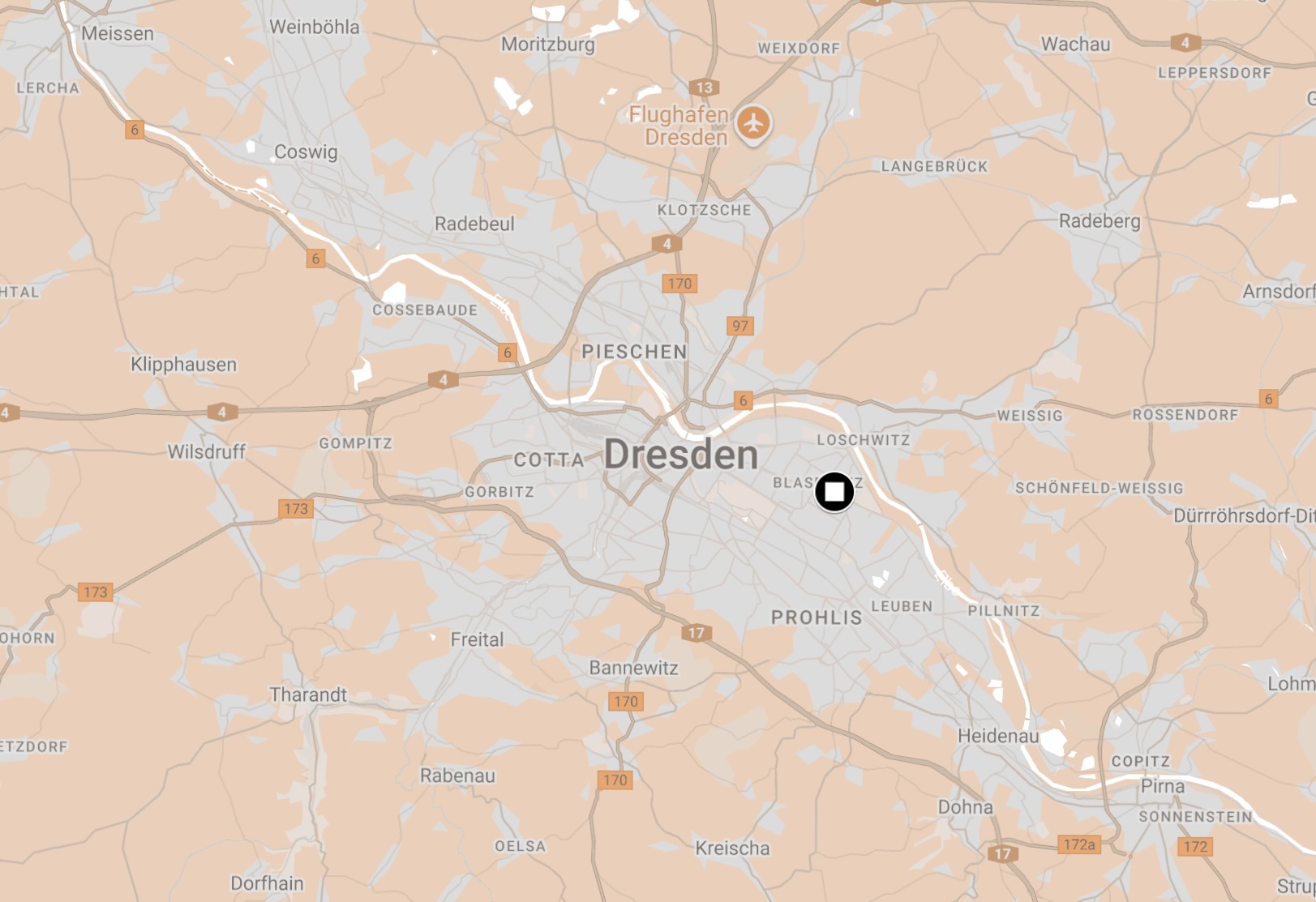
The camp operated from 24 November 1944 until mid-April 1945 and was situated in the city of Dresden in Saxony, eastern Germany.
History
The 500 Jewish prisoners included entire families and had been deported from the Łódź Ghetto to Auschwitz and then via the Stutthof concentration camp, to Dresden.
Among the 130 prisoners taken to Bernsdorf was Stephen Wolkowicz and his parents, whose names were on what came to be known as Biebow’s list.
Hans Biebow (1902-47) was a wealthy German coffee merchant from Bremen. He was the head of the Ghetto administration in the Łódź Ghetto from May 1940 to January 1945. He put together two groups of workers from the metal works in the ghetto and important high-ranking Jews who worked in the Jewish administration and the Jewish police and took them to Germany. The second group included 216 men, 284 women and 19 children. Biebow hoped that these Jews would testify in his favour in any post-war trial.
The transport, the last to leave Łódź, left on 29 August 1944. When they arrived in the Auschwitz II-Birkenau concentration and extermination camp they were separated from the other prisoners on the transport. There was no selection, and the group remained intact.
On 4 September 1944 they were placed in small open-top wagons and taken by train to the Stutthof concentration camp, 483km north of Auschwitz. The journey took two days, and they were given no food. There they remained until 24 November 1944.
Structure
Prisoners were housed in the F6 Cigarette Factory and forced to work for the armaments company Bernsdorf producing bullets. The factory was located at 68 Schandauer Street and had a railway behind it. The workshops were located in the basement, where there was little air.
Men and women were given separate quarters on the upper floors of the factory. At least 16 people died of malnourishment or illness. Among those injured was 12-year-old Wolkowicz, who worked as a messenger. Hans Biebow stayed with the group and lived in the factory.
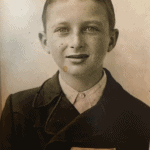
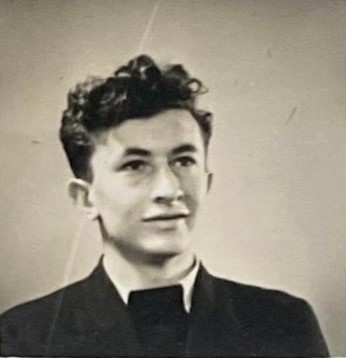
Stephen Wolkowitz just after the liberation.
“The machinery had originally been designed for making nails but needed to be adapted to manufacture steel bullet cores by means of a loop of wire being grabbed and thrust into a mould and then cut. The men had to first design and make the bullet core moulds. These were difficult to produce and some were intentionally sabotaged. The first few moulds were rejected, and we were told by the managers in no uncertain terms: ‘Produce them perfectly or we don’t need you anymore.’”
Dissolution
The air raid on the night of 13 February 1945 in which the RAF devastated Dresden creating a firestorm which killed prisoners in the factory. The surviving prisoners were then moved to the Mockenthal-Zatzscke concentration camp near Prina, 17km southeast of Dresden.
There were no washing facilities, and it was freezing cold. Some prisoners were shot while in Mockethal. Others died of hyperthermia and starvation. Later, most of them were forced to clear debris after the bombing of Dresden.
In mid-April 1945, the prisoners were forced to march via Zwodau to Theresienstadt, where they were liberated on May 8, 1945.
Aftermath
Biebow was sentenced to death for war crimes in 1946 and hanged in 1947.
In October 2002 a commemorative plaque was erected on the building of the former subcamp. The building still houses a cigarette factory.
 About
About History
 Education
 Quilts
 FIlms
FIlms Photos
 News Media & Events
 Publications
 Donate