
Members of the Boys were slave labourers in the Ebensee labour camp, a subcamp of the Mauthausen concentration camp in Austria.
Mauthausen concentration camp was operated by Nazi Germany. The camp had 40 subcamps.
The Boys were teenage and child-Holocaust survivors, who were brought to the UK after the war for rest and rehabilitation.
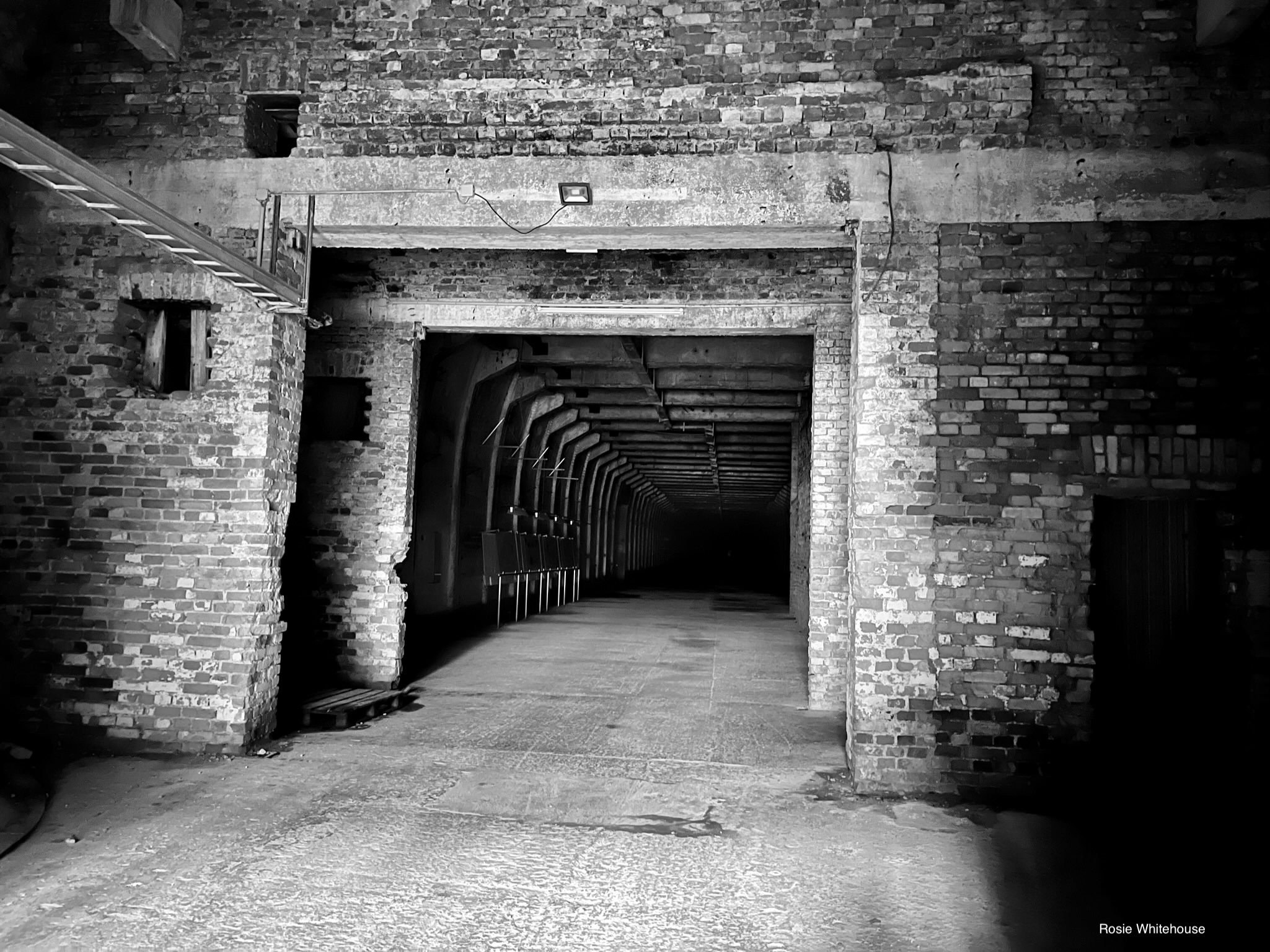
Tunnels built for armaments storage at the former Ebensee Concentration Camp, Austria.
Ebensee is a beautiful spot on the banks of a lake surrounded by mountains. Here a network of tunnels was constructed to hold a rocket research facility safe from air raids but which was also used as a petrol refinery.
History
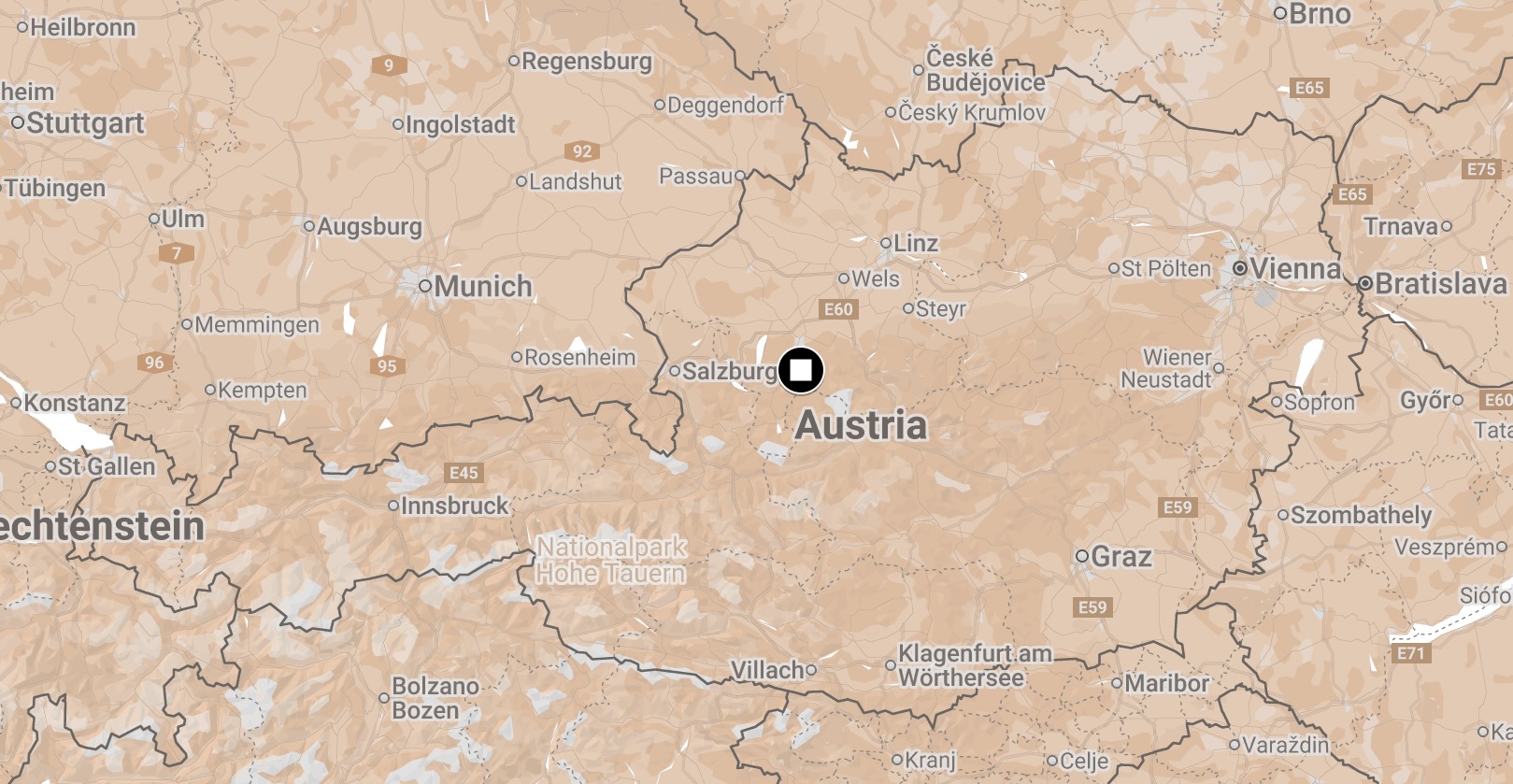
The camp was located outside the town of Ebensee at Ebensee am Traunsee, 100km southwest of the main Mauthausen concentration camp.
Th camp opened in 1943. The first Jews arrived in June 1944. Prisoners came from all over Europe. Jews made up a third of inmates.
In the spring of 1944, large numbers of French and Italian prisoners arrived. They were followed in June by 1,500 Hungarian Jews from Auschwitz. Soviet prisoners of war and Polish prisoners then came to the camp, but the nature of the camp changed dramatically in January 1945 as large numbers of prisoners, among them members of the Boys arrived as the camps in the east were evacuated. By this point 18,500 prisoners were housed in 32 barracks.
During its brief existence, an estimated 27,000 prisoners were incarcerated in Ebensee.
Structure
Conditions in the camp were some of the harshest in the Nazi concentration camp system. The extent of the network of underground tunnels was second only to those at the Mittelbau-Dora concentration camp.
The prisoners immediately began construction of barracks, and they started digging the tunnels, working 12 hours a day in snow and rain. The camp was laid out so that only a minimum of trees was destroyed, with the barracks scattered among the trees.
Living conditions for the prisoners were severe. Hygiene was extremely poor and the food inadequate. The work was extremely dangerous. Conditions worsened during the last six months of the war, when the number of prisoners soared.
Dissolution & Liberation
Obersturmführer Anton Ganz took over as commandant in late May 1944. Prisoners remember him as extremely brutal. The last roll call took place on 5 May 1945, and Ganz ordered the prisoners into the tunnels where, it was rumoured, the Nazi guards planned to blow up them in the tunnels, but the prisoners refused to leave the roll-call area.
That night the guards fled the camp, which was liberated by the American army the next day.
Aftermath
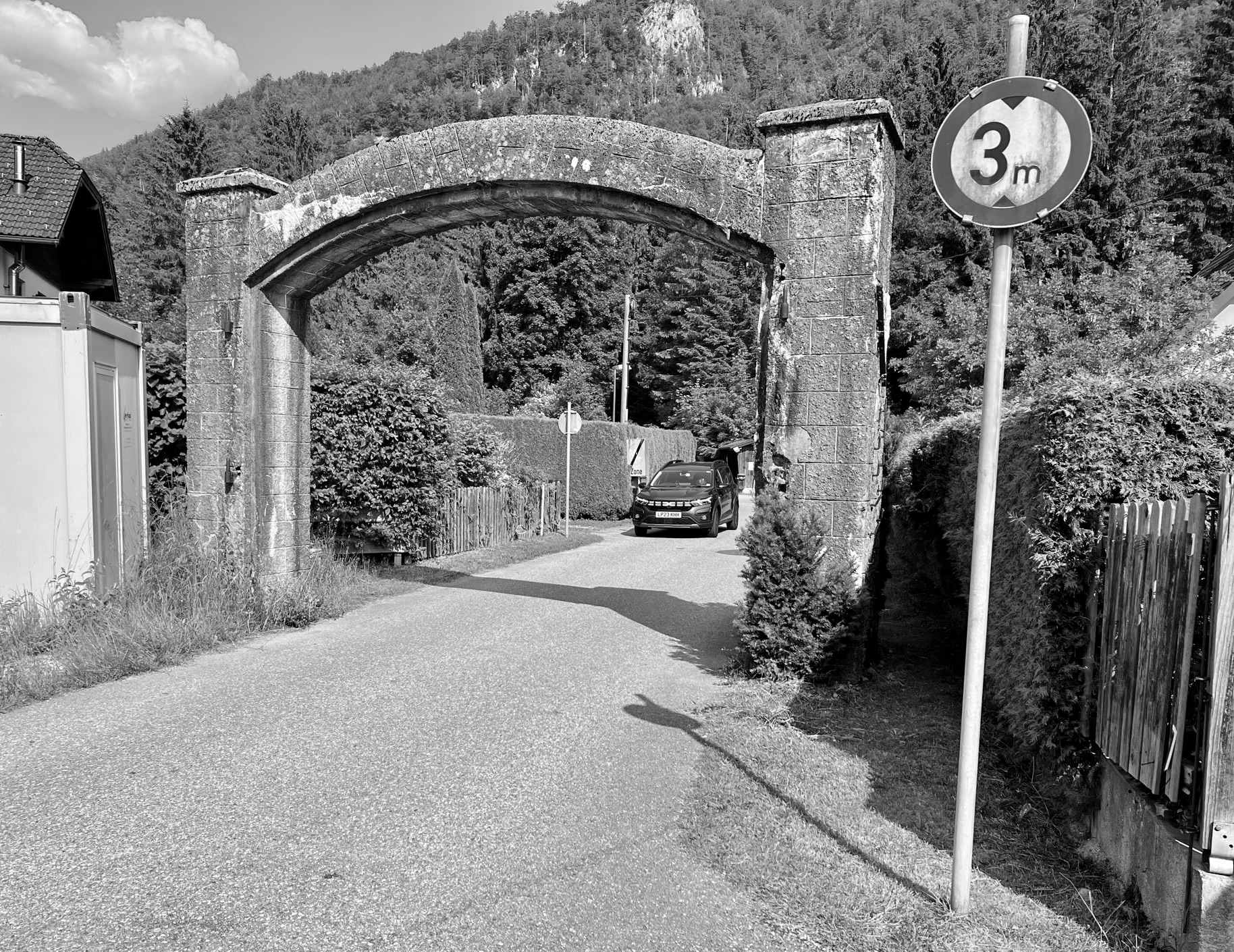
The camp itself was demolished in 1949 and is now a suburban housing estate entered through the original camp gateway. The vast tunnels dug into the foot of the Seeberg Mountain can be visited, as can the memorial at the cemetery. It was built by the Americans after the liberation on the site of the former sickbay. About 900 people are buried here. There are two mass graves.
The U.S. military identified, arrested, and prosecuted several former guards in 1947, and West German authorities prosecuted and convicted former commandant Anton Ganz.

 About
About History
 Education
 Quilts
 FIlms
FIlms Photos
 News Media & Events
 Publications
 Donate