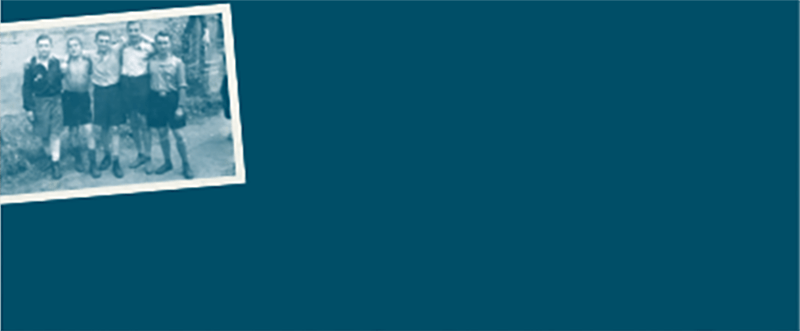
Members of the Boys were slave labourers in the Freudenthal labour camp, a subcamp of the Auschwitz concentration, extermination and labour camp complex.
The Auschwitz complex was operated by Nazi Germany in occupied Poland. The camp had 40 subcamps.
The Boys were teenage and child-Holocaust survivors, who were brought to the UK after the war for rest and rehabilitation.
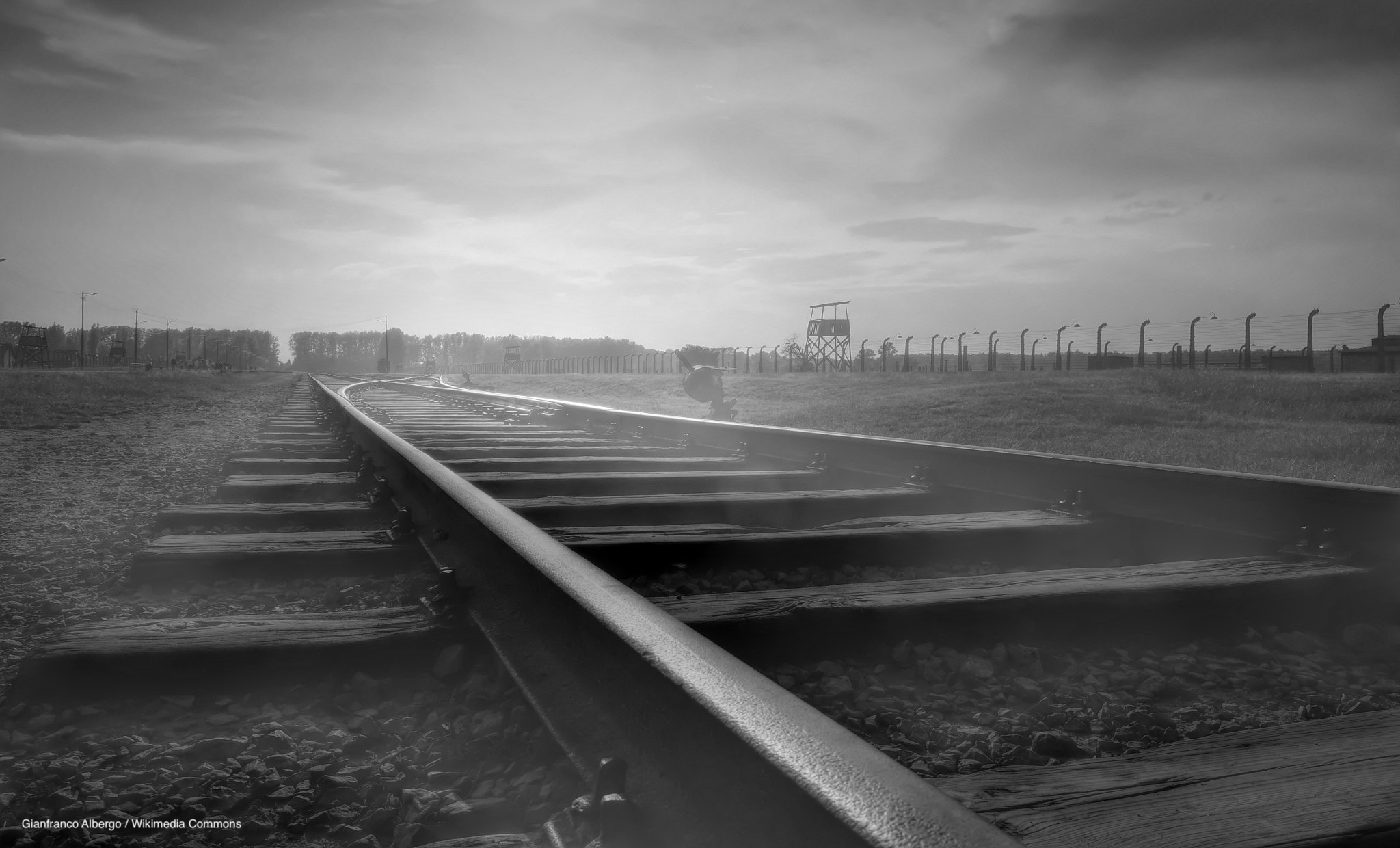
Memorial and Museum Auschwitz Birkenau, Poland.
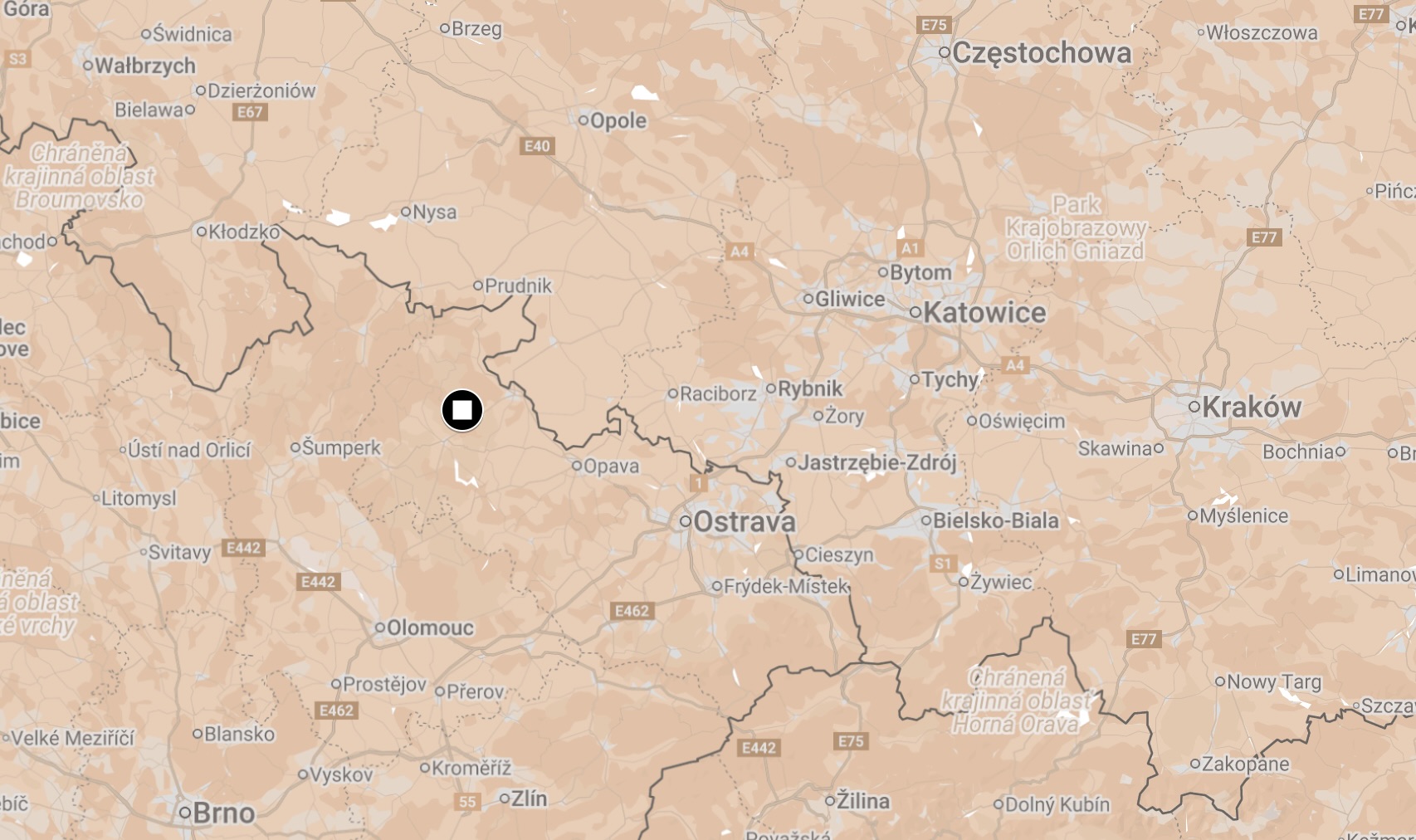
The camp was located in Czech Silesian town of Bruntál. The camp was known by the town’s German name of Freudenthal. At the time of the camps existence, it was within the borders of the Sudetenland, that had been annexed to the Reich in 1938.
The fragmentary surviving records do not provide the exact date on which it was established, but it probably came into being in October 1944.
History
In October 1944, over 300 Jewish female prisoners from Hungary and Bohemia were transferred there from Auschwitz II-Birkenau, which was located in the occupied Polish city of Oświęcim.
Among them Manci Perl. Fifty more women followed in January 1945. On the transport was Aneska Herzkovic.
Structure
The prisoners were quartered in three stone buildings on the grounds of a textile mill.
The prisoners worked a single daytime shift of about 10-12 hours processing fruit for drinks and working as seamstresses, sewing uniforms for German soldiers and other items, while some women worked the looms and spinning frames.
The commandant was SS-Oberscharführer Voss.
Dissolution & Liberation
When on 6 May 1945, the Germans heard that the Red Army had entered the city, they donned civilian clothing and fled. Two days later the Soviets took control of the camp.
The is no known memorial.
 About
About History
 Education
 Quilts
 FIlms
FIlms Photos
 News Media & Events
 Publications
 Donate