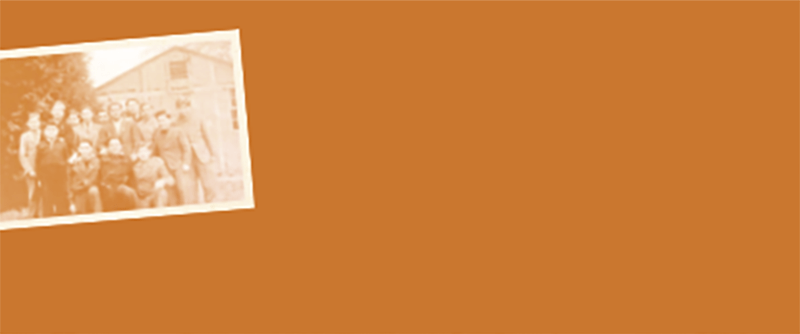
Members of the Boys slave labourers in the Fürstengrube labour camp, a subcamp of the Auschwitz concentration, extermination and labour camp complex.
The Auschwitz complex was operated by Nazi Germany in occupied Poland. The camp had 40 subcamps.
The Boys were teenage and child-Holocaust survivors, who were brought to the UK after the war for rest and rehabilitation.
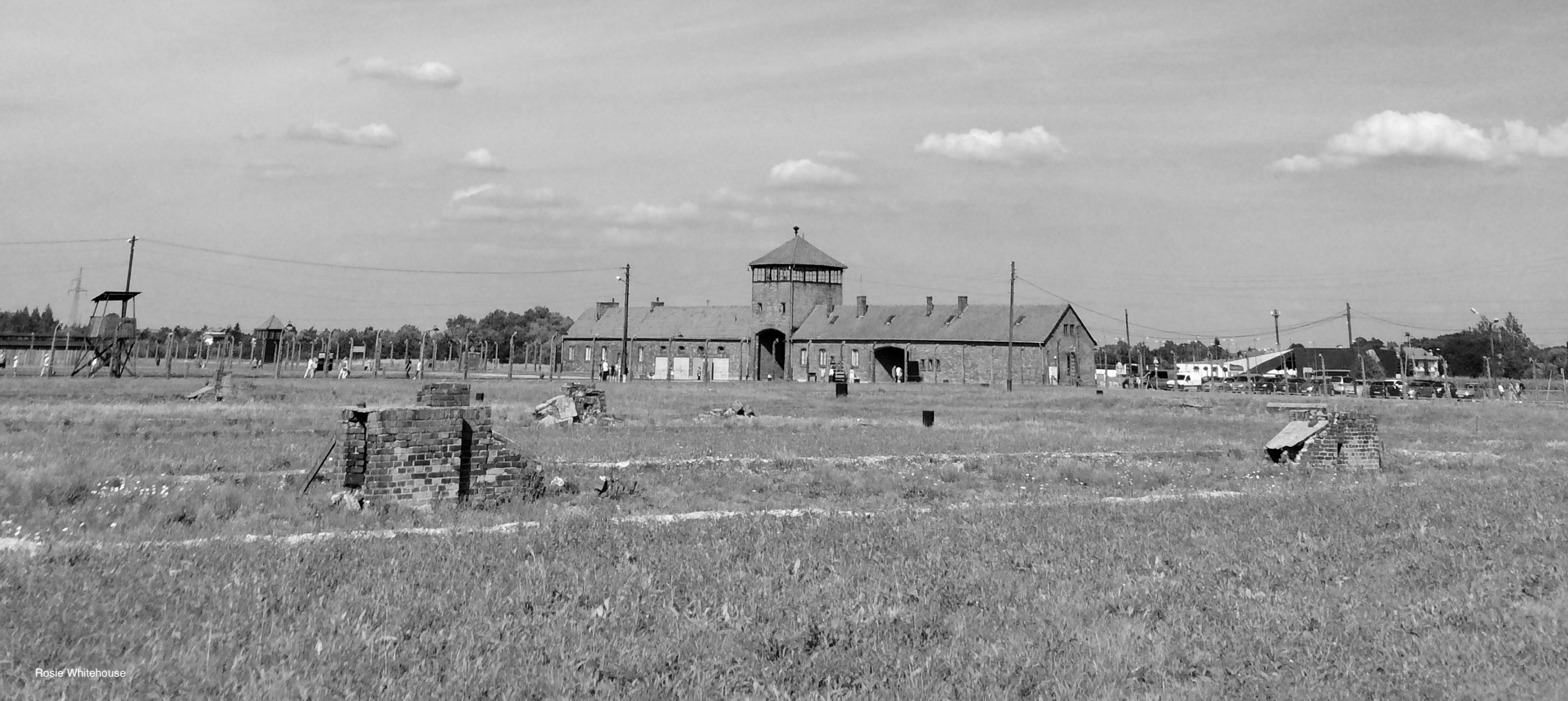
Auschwitz-Birkenau
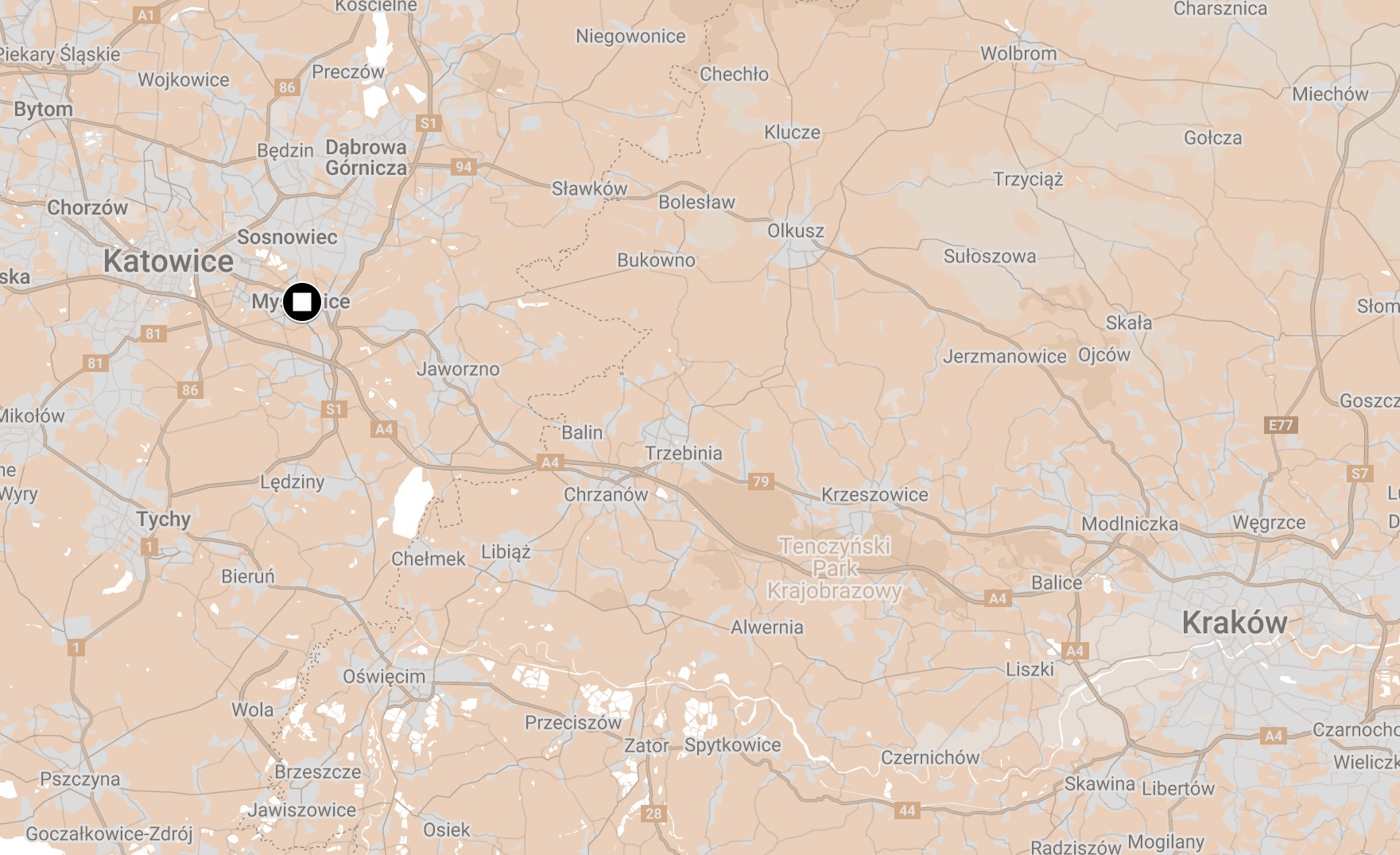
Fürstengrube was one of the larger subcamps of Auschwitz. The camp was located about 30km from Auschwitz II-Birkenau which was located in the occupied Polish city of Oświęcim. The Fürstengrube camp was near the village of Wesoła in Upper Silesia, now part of the town of Mysłowice.
History
The camp was at a coal mine belonging to Fürstengrube GmbH. I.G Farben had bought a majority stake in the company, intending to use the mine to supply coal to the Buna-Werke at Auschwitz III-Monowitz. It began operation on 2 September 1943.
The first 500 prisoners were brought to Wesoła at the beginning of September 1943. Afterwards, the population rose to more than 1,200 the following June. More than 90% of the Jewish prisoners were from Poland but later included Jews from Belgium, France, Bohemia, and Hungary.
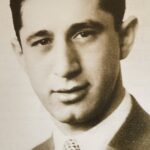
Ivor Wieder after the liberation.
“We arrived early in the morning, and were called to appellplatz, a big area where they used to count the people. We stood in rows of five, and that’s how you were counted. As we were lining up one day, we saw gallows being erected. Everyone thought this was the end. While we waited, the short people were placed in the front rows. I was one of them as I was the youngest in Fürstengrube camp.
It was very, very rare for someone of my age to be picked for work. Out of everyone in my village and all my friends who were about the same age as me, none of them survived …
We waited for some time, not knowing what was going to happen. The Germans came in with their dogs and truncheons, laughing. It was very quiet. Suddenly, we heard a lorry coming into the camp and out came seven or eight people with their hands tied behind their backs, with horse harnesses in their mouths so they couldn’t speak. The Germans stood them on stools under the gallows and put ropes around their necks.
The Lagerführer, camp commander, walked round the gallows with his hands behind his back, and a dog next to him. On each round, he pushed a stool from under the prisoner and they were all hanged, so I turned my head. Then a German came over and he gave me a patsch– a slap -and shouted, ‘Schau geradeaus!’ In other words, ‘Look straight ahead!’”
Structure
The camp was made up of six wooden residential barracks and outbuildings surrounded by a barbed-wire fence with four guard towers.
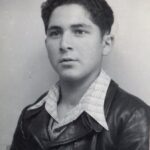
Sam Pivnik in 1945.
“It had an atmosphere of work, of purpose. The place was rectangular with a high brick wall around a central compound. The barracks here were single storey and looked new, built of brick and timber. There were guard towers at each corner of the place… We were now part of a labour force, albeit slave labour, and were doing our bit for the German economy.”
Sam Pivnik, Survivor: Auschwitz, the Death March, and My Fight for Freedom (St Martins, 2012).
Conditions were extremely poor and exhausted and sick prisoners were taken to be gassed in Auschwitz II-Birkenau. Prisoners worked day and night shifts in the mine, in the brick factory and on the railway. They were marched in and out of the camp as a Jewish orchestra played. They worked without protective clothing and the conditions were extremely dangerous. The mortality rate among the prisoners was high due to hard work, poor nutrition, accidents, illnesses, punishments and disease. The survival time of the prisoners varied between a few weeks and several months. The exact number of deaths is not known but was more than 10,000.
Dissolution & Liberation
On 19 January 1945, as the Red Army advanced, the camp was evacuated. Under the command of Oberscharführer Max Schmidt, 1,283 prisoners were marched out of the camp towards Mikołów. On 20 January, they arrived at Gleiwice and were housed in the former subcamp Gleiwitz II, where they joined prisoners from Auschwitz III- Monowitz as well as some other subcamps.
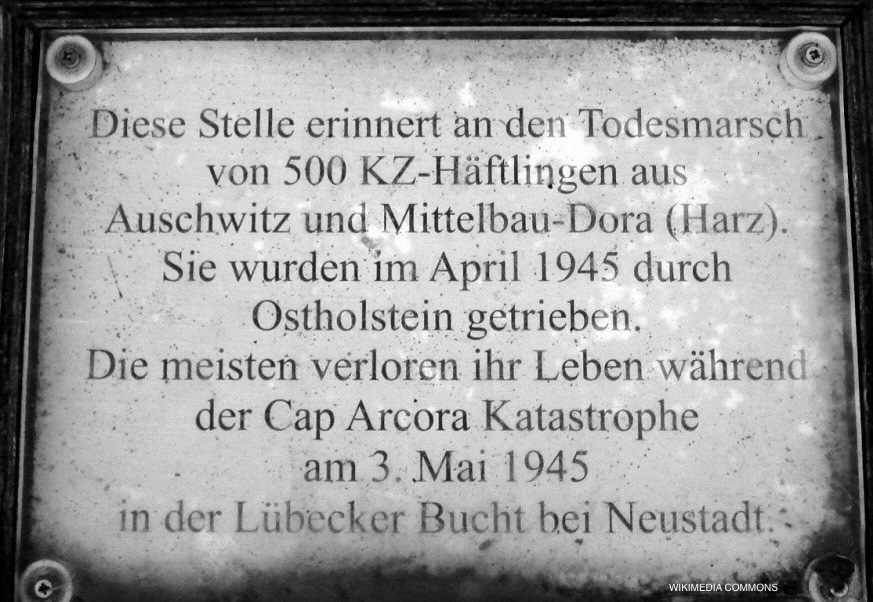
On 21 January, they were taken by train to the Mauthausen concentration camp, but the transport was rejected and continued to the Mittelbau-Dora concentration camp where it arrived on 28 January. Out of 4,000 prisoners, only about 3,500 survived the seven-day trip. Some prisoners were moved to Lübeck where they were held on the Cap Arcone, which was sunk during Allied bombing.
After the march departed the remaining prisoners in the camp were massacred. On 27 January 1945 at about 4pm a dozen or so SS men entered the Fürstengrube subcamp and killed most of the remaining prisoners. Some were shot and others burned to death when the SS set their barracks on fire. Only a dozen or so prisoners survived the massacre by hiding or lying motionless beneath heaps of bodies when it was over. Polish miners took them into their care after liberation.
Aftermath
Otto Moll, the first commandant of the Fürstengrube subcamp, was sentenced to death by hanging in a US military court and executed on 28 May 1946.
 About
About History
 Education
 Quilts
 FIlms
FIlms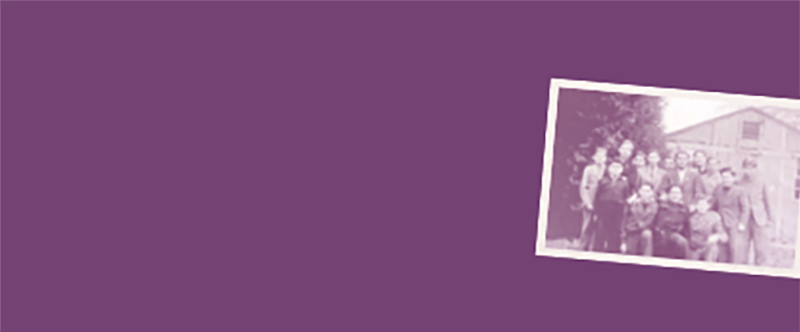 Photos
 News Media & Events
 Publications
 Donate