
Members of the Boys were slave labourers in the Gelsenberg labour camp, a subcamp of the Buchenwald concentration camp.
Buchenwald concentration camp was operated by Nazi Germany. The camp had 139 subcamps.
The Boys were teenage and child-Holocaust survivors, who were brought to the UK after the war for rest and rehabilitation.
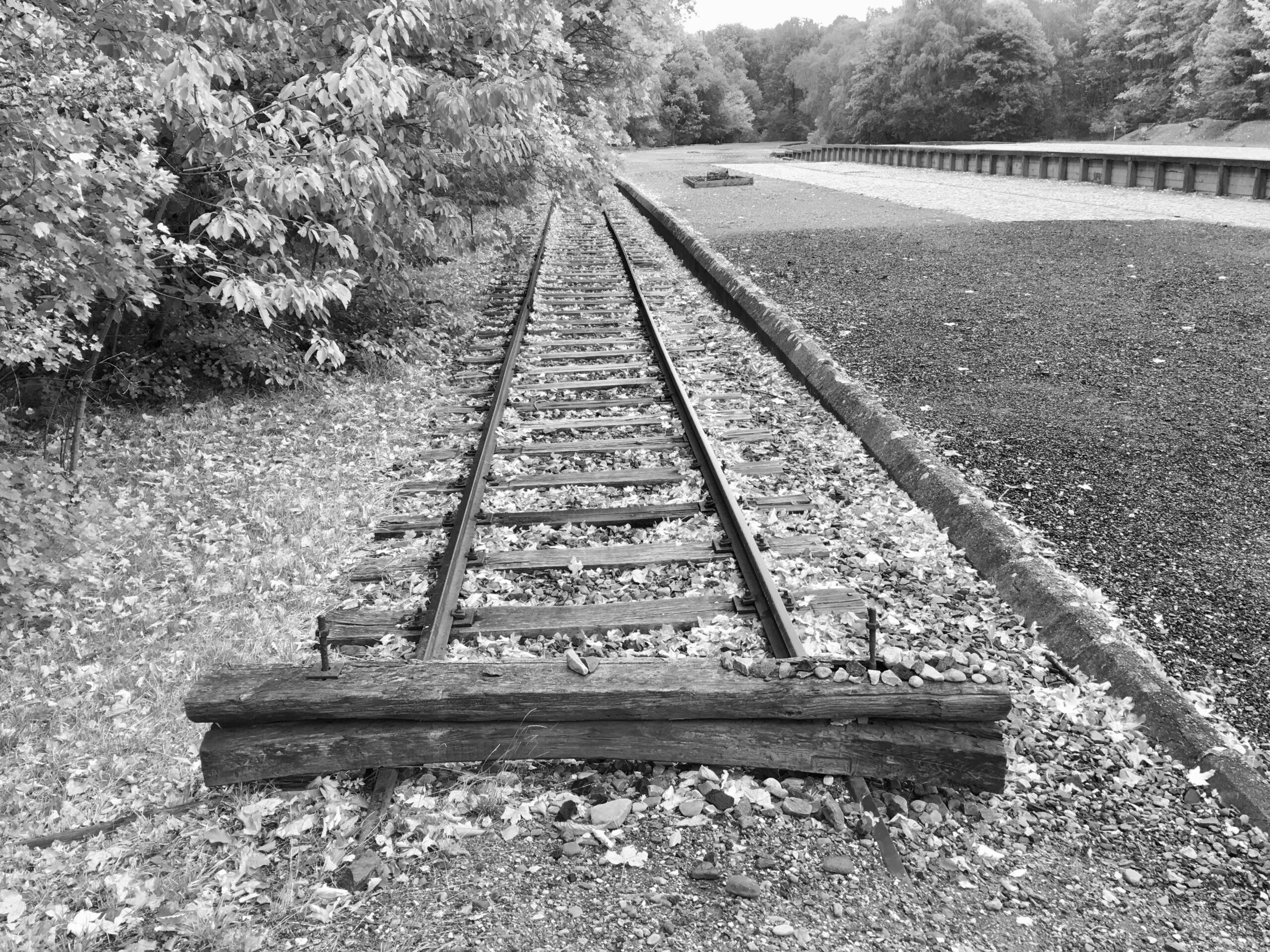
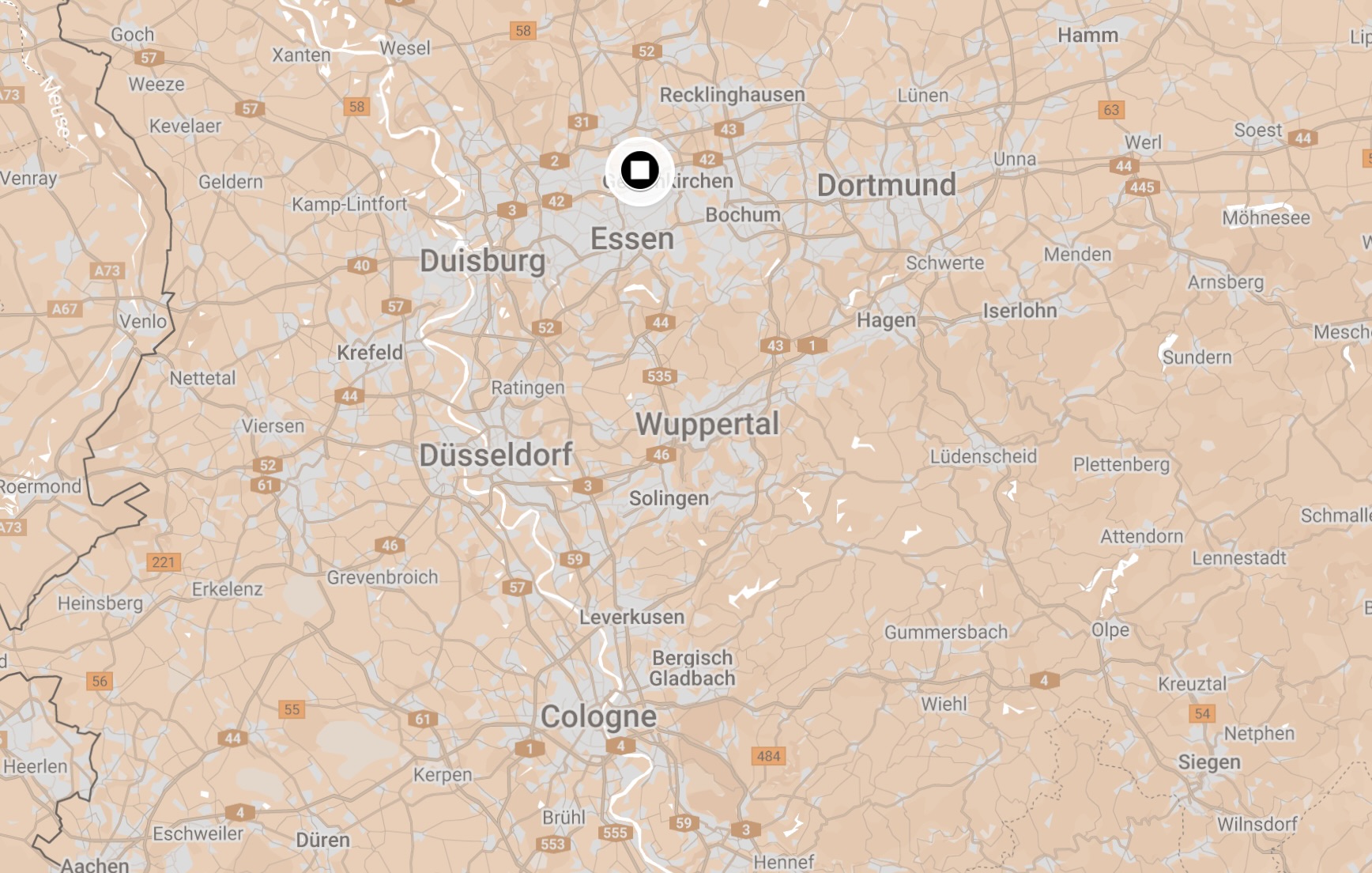
The Gelsenberg labour camp, a subcamp of Buchenwald concentration camp, was located in Gelsenkirchen-Horst, in the industrial Rhur area of western Germany.
History
About 2,000 Hungarian Jewish women were taken from Auschwitz II-Birkenau in June 1944 after the bombing of the hydrogenation plant of Gelsenberg Benzin AG in Gelsenkirchen-Horst. They were deployed by Organisation Todt, the Nazi civil and military engineering corps, to clear rubble and rebuild the plant. They arrived at the camp on 4 July 1944. The women and girls came predominantly from Transylvannia and were on average just over 20 years old.
Structure
The camp was located in an open field to the east of the plant, surrounded by a barbed wire fence and watchtowers. The prisoners were housed in tents and were forced to work a 12-hour shift. They cleared rubble from the site and unloaded ships in the canal port.
The commander was SS-Obersturmführer Eugen Dietrich. The female guards were recruited from the Ravensbrück concentration camp.
Dissolution
In August 1944, 520 of the women were transferred to the Essen-Humboldtstraße concentration camp, a Buchenwald subcamp, at the request of Friedrich Krupp AG. Of the remaining women, 140 were killed in an air raid on 11 September 1944. The injured were taken to a local hospital, an unusual act of care by the standards of Nazi policy.
Five days later, 1,216 women were transferred to the Sömmerda concentration camp in Thuringia. There, they were forced to work for the armaments company Rheinmetall Borsig AG.
Aftermath
In 1948, survivors and representatives of the city of Gelsenkirchen inaugurated a memorial at the site of the mass grave, where many of the bombing victims had been buried on the former campgrounds. When the Gelsenberg plant was converted into an oil refinery in the early 1950s, the memorial and the women’s remains were moved to the nearby Horst-Süd cemetery.
Since 2003, there has been an information board at the grave, listing the known names and birthdates of the victims. An annual commemoration is held at the site.

 About
About History
 Education
 Quilts
 FIlms
FIlms Photos
 News Media & Events
 Publications
 Donate