
Members of the Boys were slave labourers in the Gieslingen labour camp, a subcamp of the Natzweiler-Struthof concentration camp in Germany.
Natzweiler-Struthof concentration camp was operated by Nazi Germany. The camp had 64 subcamps.
The Boys were teenage and child-Holocaust survivors, who were brought to the UK after the war for rest and rehabilitation.
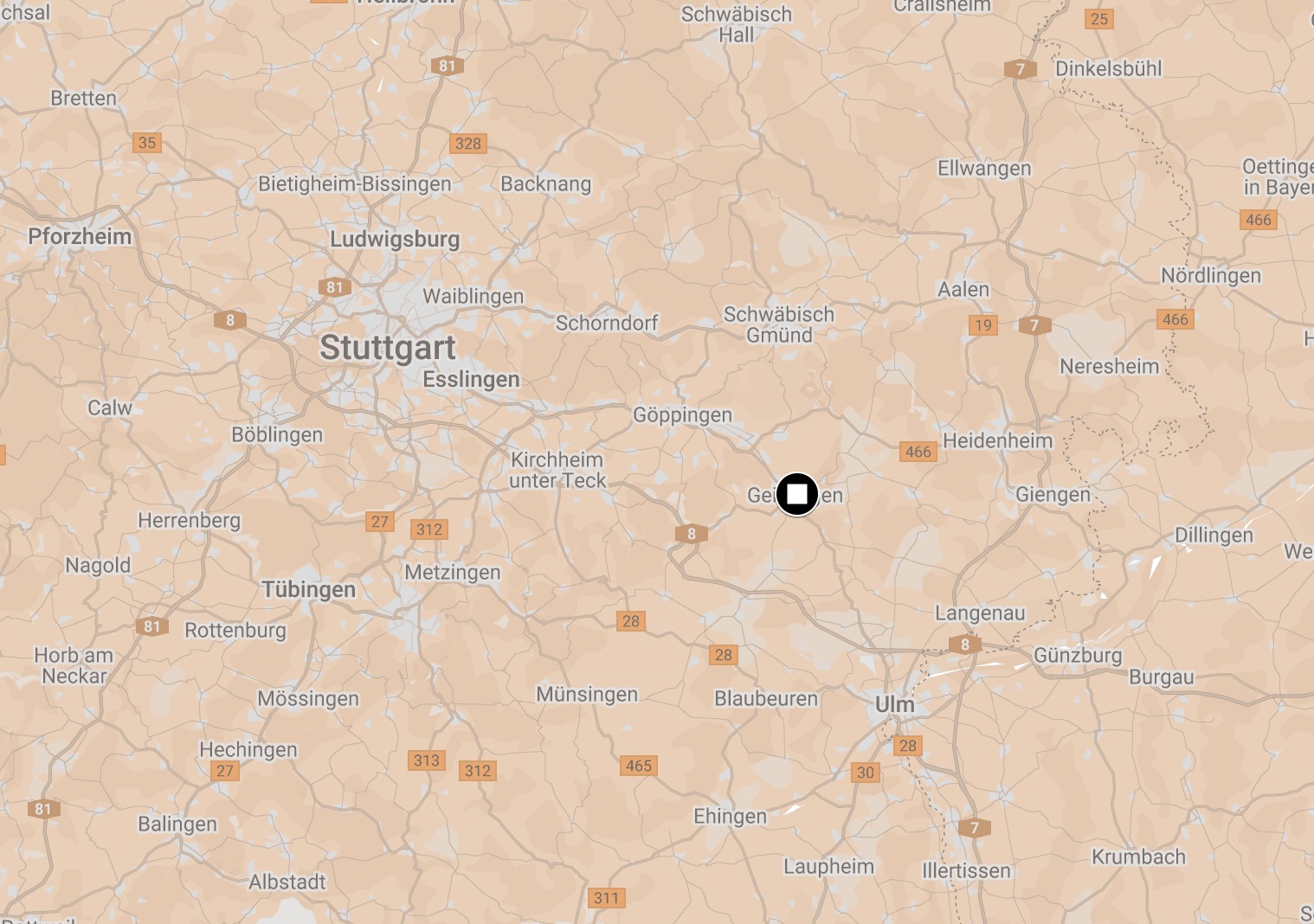
The camp was located in the southern German town of Geislingen an der Steige and was a subcamp of the Natzweiler-Struthof concentration camp. The camp produced military goods.
History
The first group of 700 Jewish women were selected in Auschwitz II-Birkenau and arrived on 28 July 1944. The second group made up of 120 Polish Jewish women who had been deported to Auschwitz II-Birkenau and Bergen-Belsen after the liquidation of the Łódź-Litzmannstadt Ghetto arrived at the end of November 1944.
“We went to Gieslingen, near Stuttgart. It was an enormous ammunition factory making Wurtenberger metal fabric for pistols. It was a peculiar feeling; that we were making munitions that could be used against us and our people. We were guarded by Jewish capos; and we worked on twelve-hour shifts, either day or night. Celia became ill and unable to work; but the capo had taken a liking to her. She was a gentile, a Sudeten German. She took her to the camp hospital, looked after her and kept her there. (Later on she wanted to adopt her, though of course we would not hear of it).
It was Yom Kippur. The whole camp decided to fast. We hoped that would lead to our release. I was on night shift and I, too, fasted. We returned to the barracks, terribly hungry to find that the SS had taken our rood away.
Every day we would queue, block by block, with our bowls. We were so hungry. It reminded me of Oliver Twist. So, like him, I went and queued a second time. We all had to wear little caps. That was a factory requirement; and as we all had shaven heads. We all looked alike. However, after a few days someone recognised me – in the queue for a second time. I got an awful beating. Never did I try that again.
One evening a heavily pregnant woman was put in our block. There were shouts and cries during the night. A baby was born but lived only a day or two. Both disappeared. We never heard of them again.
After Christmas there were bombing raids. The factory ran out of materials. So we were again pushed into cattle trucks. This time we were taken to Munchen Allach near Dachau. During the two months we spent there, there was no work and little food . Everyone talked about cooking and recipes. I was utterly demoralizing.”
Berta Fisher, later Betty Weiss, ’45 Aid Society Journal, Issue 24, 2000. Weiss was 15 years old when she was in the camp. Her sister Cecilia was 13 years old.
Dissolution & Liberation
After the arrival of 200 women from other camps that had already been dissolved, conditions in Geisinglen seriously deteriorated. On 11 April 1945 camp Geislingen was closed when all of the women were taken to Allach concentration camp. In Allach the women were loaded into trains and taken towards the Tyrol. They were liberated by the Americans on 30 April 1945 near Lake Starnberg.
 About
About History
 Education
 Quilts
 FIlms
FIlms Photos
 News Media & Events
 Publications
 Donate