Member of the Boys were taken as slave labours to the Görlitz labour camp in Germany, a subcamp of the Gross Rosen concentration camp.
The Gross Rosen concentration camp was operated by Nazi Germany. The camp had 100 subcamps located in what is now Czechia, Germany and Poland.
The Boys were child-Holocaust survivors, who were brought to the UK after the war for rest and rehabilitation.
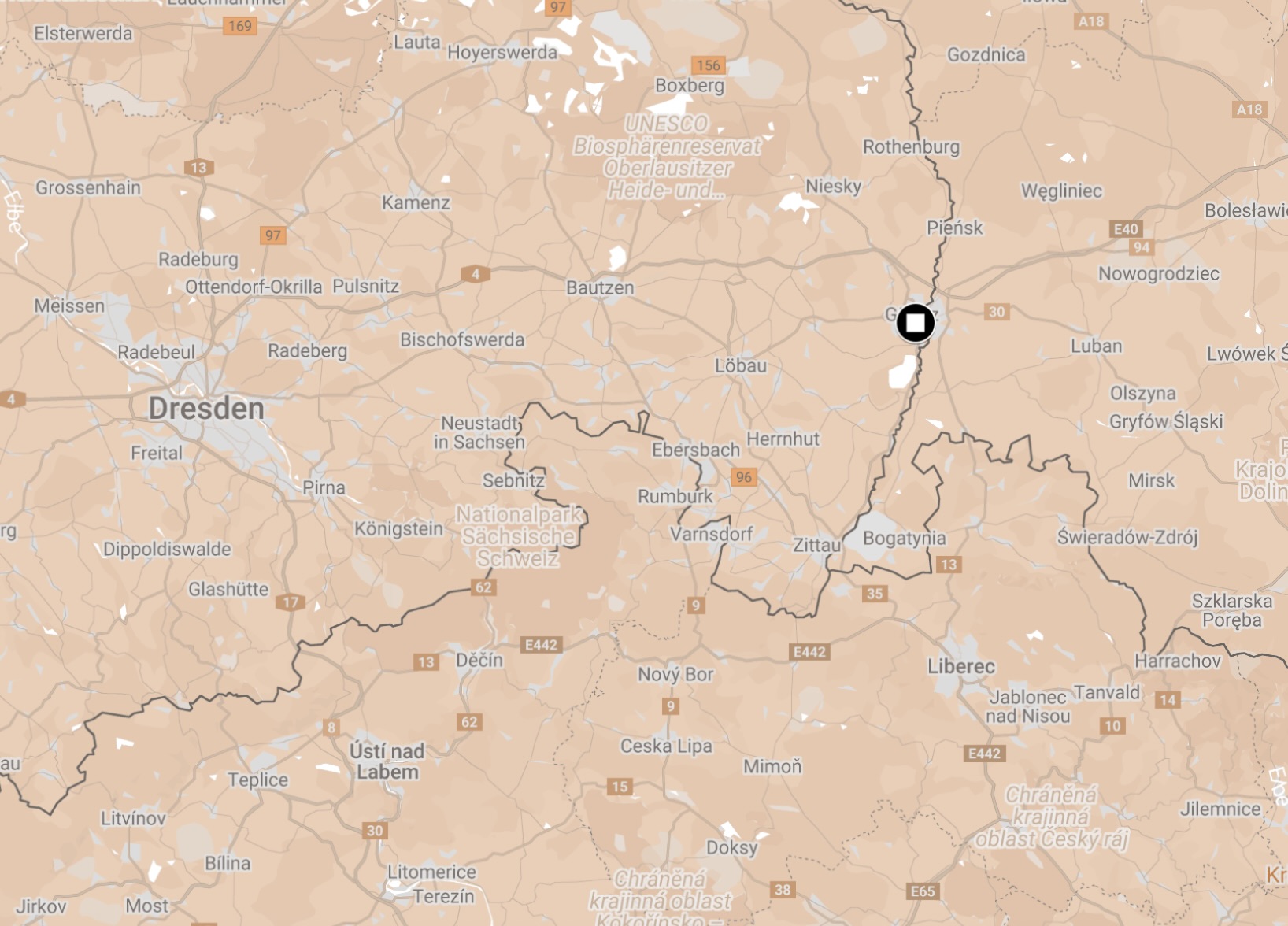
Ausenlager Görlitz Biesinitzer Grund was located in the village of Biesnitz southwest of Görlitz.
A brickworks, it was a subcamp of Gross Rosen. It included a Jewish forced labour camp that operated from May 1943 to January 1944. A transport of Jews from Gross Rosen arrived in the camp in August 1944.
The Görlitz camp also included a camp located in Kunnerwitz, in which over 1,500 Jewish men and women were used as forced labour, of whom about 470 died.
Structure
The camp was surrounded by four watchtowers and a 5m high electric fence. The men and women were segregated. There were three wooden barracks in the women’s camp and six in the men’s.
The prisoners received poor food and were repeatedly subjected to abuse by their guards. The daily working hours were twelve hours, except on Sundays.
Death March
On 11 February 1945, the camp was evacuated as the Red Army drew near. During this death march, sick and disabled prisoners were shot. The march led through the villages of Kunnerwitz, Friedersdorf, Sohland, Lehdehäuser and the Buschschenke to Berthelsdorf and finally to Rennersdorf, where the surviving prisoners were housed in the provisional Rennersdorf subcamp.
Memorialisation
There are several memorials to the camp.
 About
About History
 Education
 Quilts
 FIlms
FIlms Photos
 News Media & Events
 Publications
 Donate