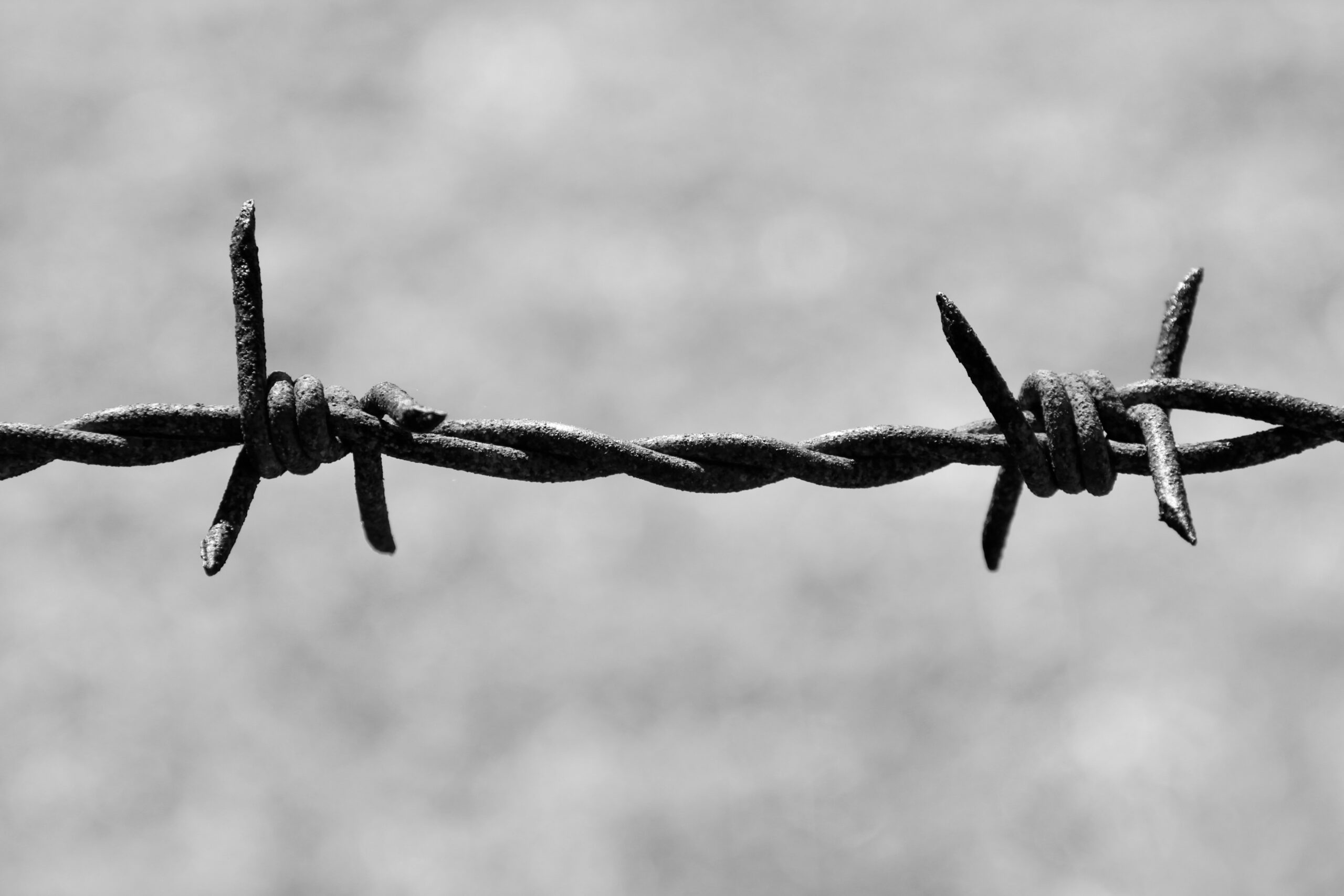
Members of the Boys were slave labourers in the Gross Rosen concentration camp.
Gross Rosen concentration camp was operated by Nazi Germany and had 102 subcamps.
The Boys were teenage and child-Holocaust survivors, who were brought to the UK after the war for rest and rehabilitation.
History
Gross Rosen was established in 1940 and was originally a subcamp of Sachsenhausen concentration camp. It was named after the nearby village of Gross Rosen, now Rogoznica, the village is approximately 65km southwest of Wroclaw in present-day western Poland. At the time of its operation the area was part of Germany.
Gross-Rosen became an independent concentration camp in 1941. It held mostly Polish and German political prisoners, but between October 1943 and January 1945, some 57,000 Jewish prisoners, mostly women, were imprisoned here. This was one of the largest groupings of female prisoners in the entire concentration camp system.
An estimated 120,000 prisoners passed through the Gross Rosen camp system, of whom at least 40,000 died either in Gross Rosen or during the evacuation of the camp.
Structure
At first, the prisoners were employed primarily as forced labourers in the construction of the camp and in the nearby SS owned quarry. The increasing emphasis on the use of concentration camp prisoners in armaments production led to the expansion of Gross Rosen, which became the centre of an industrial complex.
Several hundred Jews had been prisoners in Gross-Rosen between 1940 and 1943. But between October 1943 and January 1945, as many as 60,000 Jewish prisoners were deported to Gross Rosen.
Dissolution & Liberation
Members of the Boys were held as slave labourers in the Gross Rosen subcamps but others only experienced the camp in its final days, many of them arriving on death marches from Auschwitz and Kraków-Płasów.
In January 1945 as the Red Army drew near, the Germans began the evacuation of the Gross Rosen complex. The SS forced at least 44,000 prisoners, most of them Jews onto freight trains and transported them in brutal conditions to Bergen Belsen, Buchenwald, Dachau, Flossenbürg, Mauthausen and Neuengamme. Many of the Boys who were teenagers endured these death trains without food or water.
Aftermath
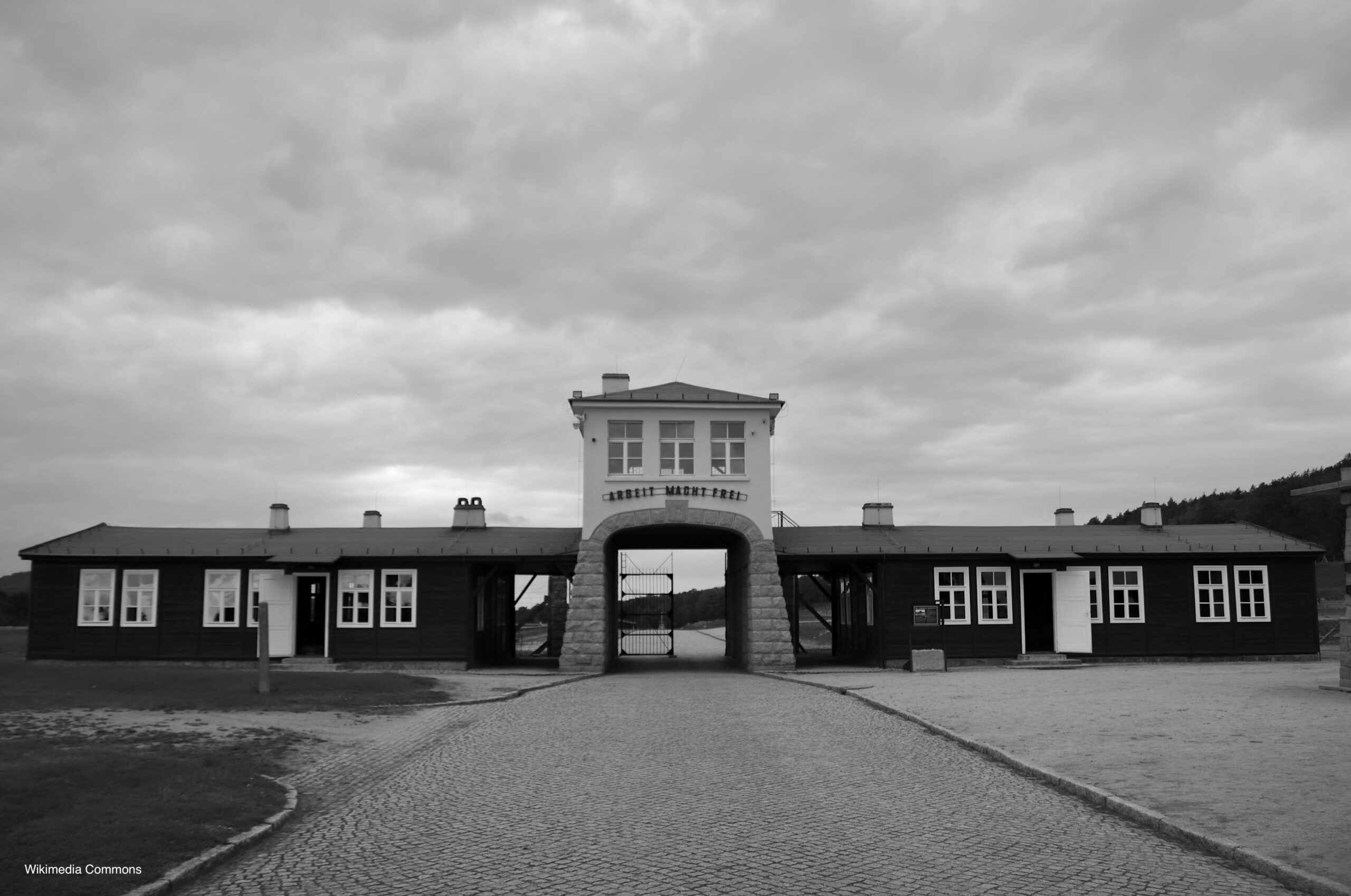
Some of the original buildings remain and are now a memorial and museum.
 About
About History
 Education
 Quilts
 FIlms
FIlms Photos
 News Media & Events
 Publications
 Donate