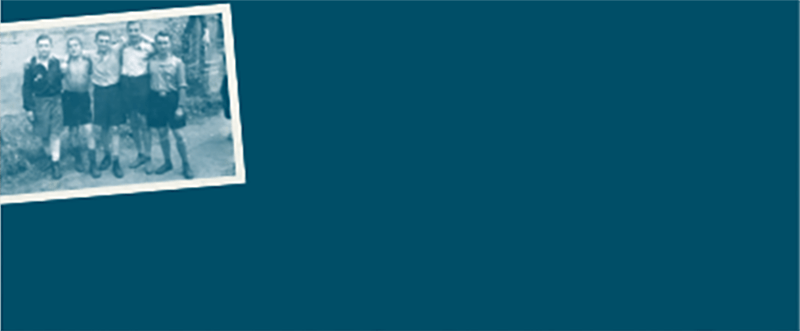
Members of the Boys were slave labourers in the Braunschweig labour camp, a subcamp of the Neuengamme concentration camp.
Neuengamme concentration camp was operated by Nazi Germany. The camp had 99 subcamps.
The Boys were teenage and child-Holocaust survivors, who were brought to the UK after the war for rest and rehabilitation.
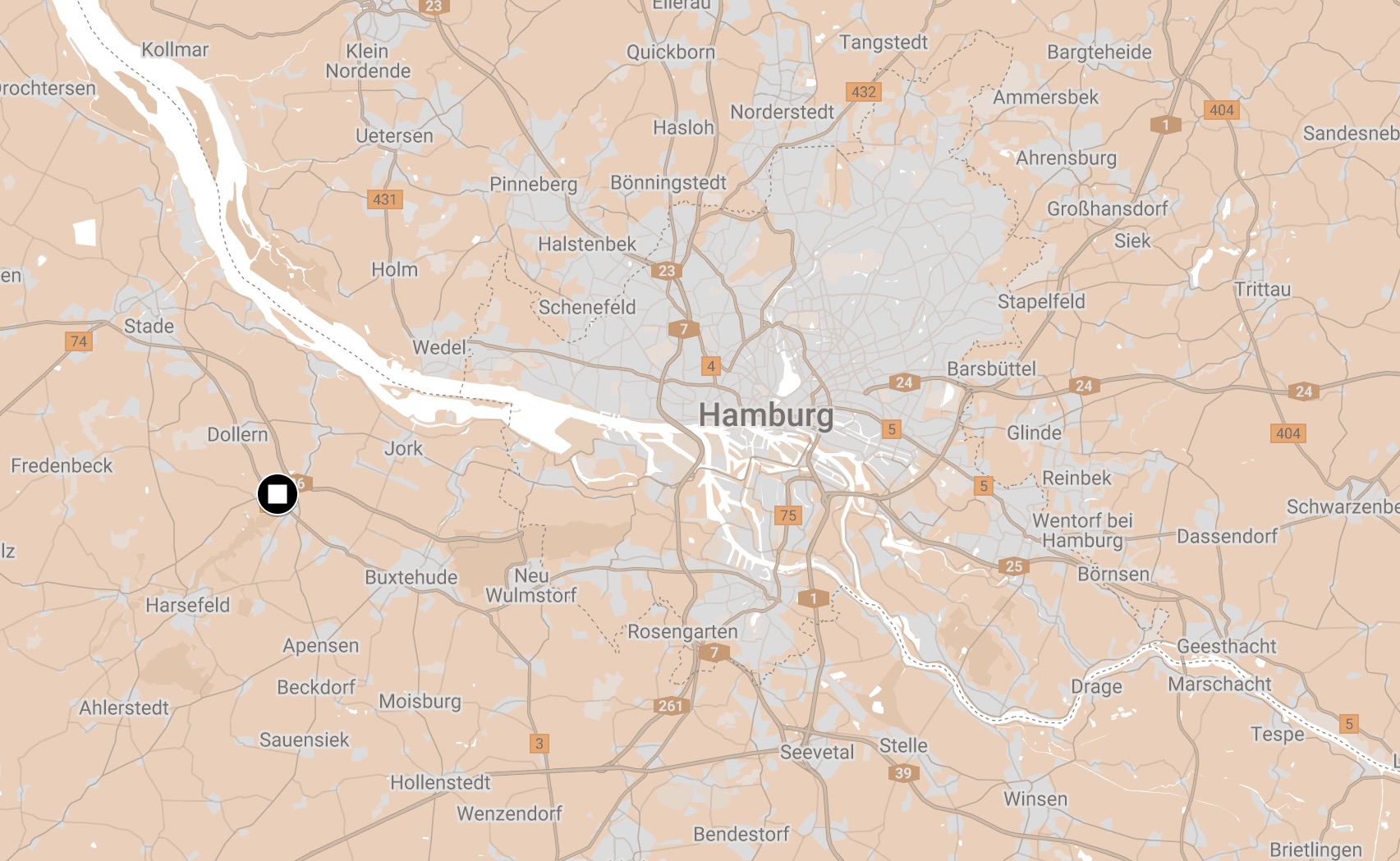
After the Allied bombing of Hamburg in July 1943, operations essential to the war effort were relocated to the surrounding area. The Philips-Valvo valve plant in Hamburg-Lokstedt also outsourced parts of its production to an empty section of a leather factory in Horneburg.
Structure
Between October 1944 and February 1945, approximately 200 Hungarian Jews and 50 Dutch women were forced to manufacture valves for radios, telecommunications equipment as well as light bulbs and other products for submarines. Some women – especially the Dutch – were also deployed to work at the port of Horneburg.
The Jewish women from Hungary had been taken to Horneburg via Auschwitz II-Birkenau, while the Dutch women came via Ravensbrück concentration camp.
The commander of the Horneburg satellite camp for women in 1944/45 was SS-Unterscharführer Peter Klaus Friedrich Hansen.
Dissolution
There was a selection on Christmas Night 1944, in which many were shot.
On 24 February 1945, the camp received another transport of prisoners: 300 Jewish women from Hungary who had previously been imprisoned in the Weisswasser camp, a satellite camp of Gross-Rosen concentration camp. In Horneburg, the women were forced to manufacture valves and light bulbs for Philips-Valvo, on night shifts underground.
On 8 April, some of the women were transported by rail to Bergen-Belsen, where they arrived on 11 April while others were moved to other camps.
 About
About History
 Education
 Quilts
 FIlms
FIlms Photos
 News Media & Events
 Publications
 Donate