
Members of the Boys were slave labourers in the Kaufering labour camp, a subcamp of the Dachau concentration camp in Bavaria, Germany.
Dachau concentration camp was operated by Nazi Germany. The camp had 140 subcamps.
The Boys were child-Holocaust survivors, who were brought to the UK after the war for rest and rehabilitation.
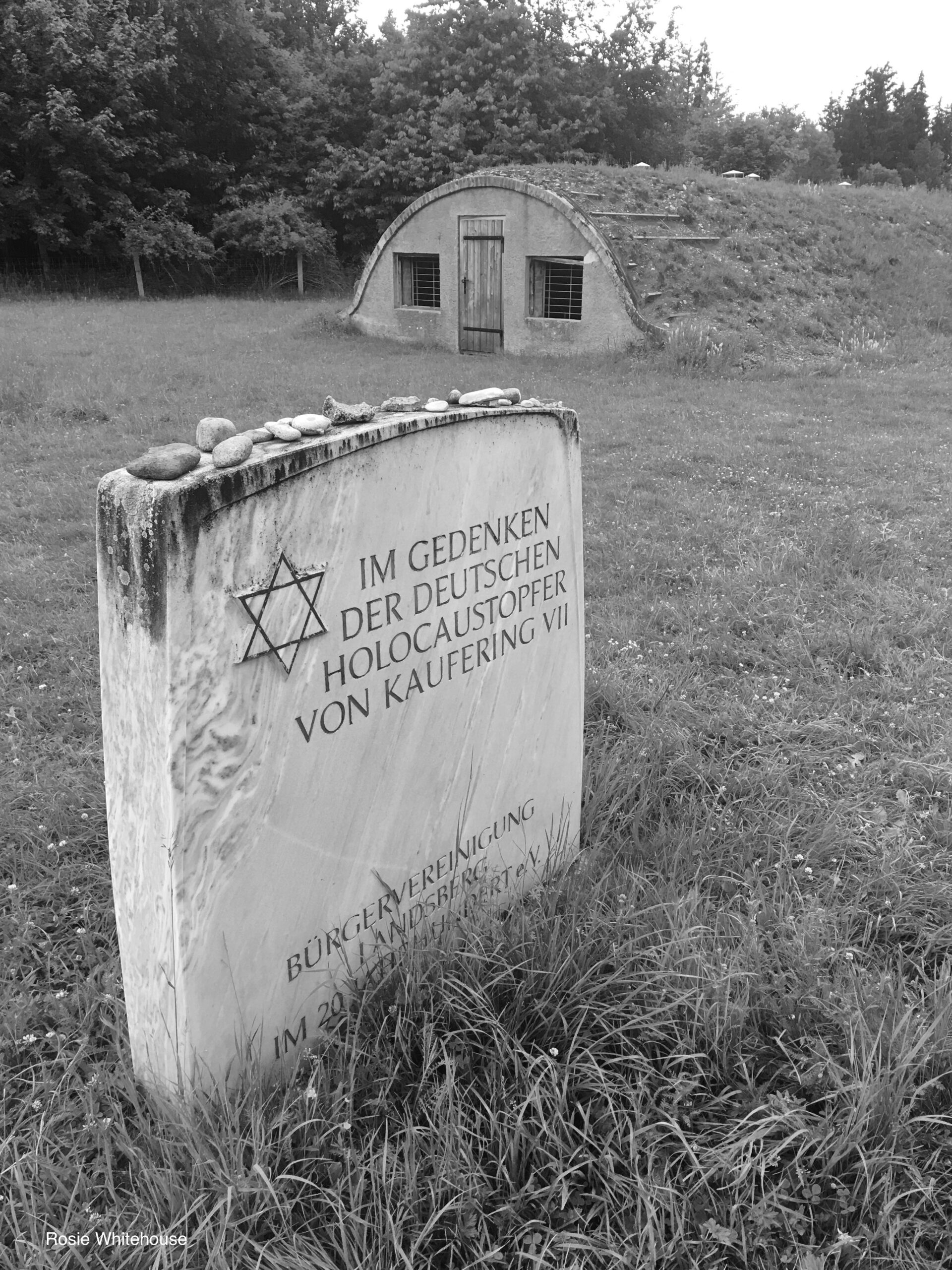
Memorial at the former Kaufering concentration camp in Bavaria, Germany.
History
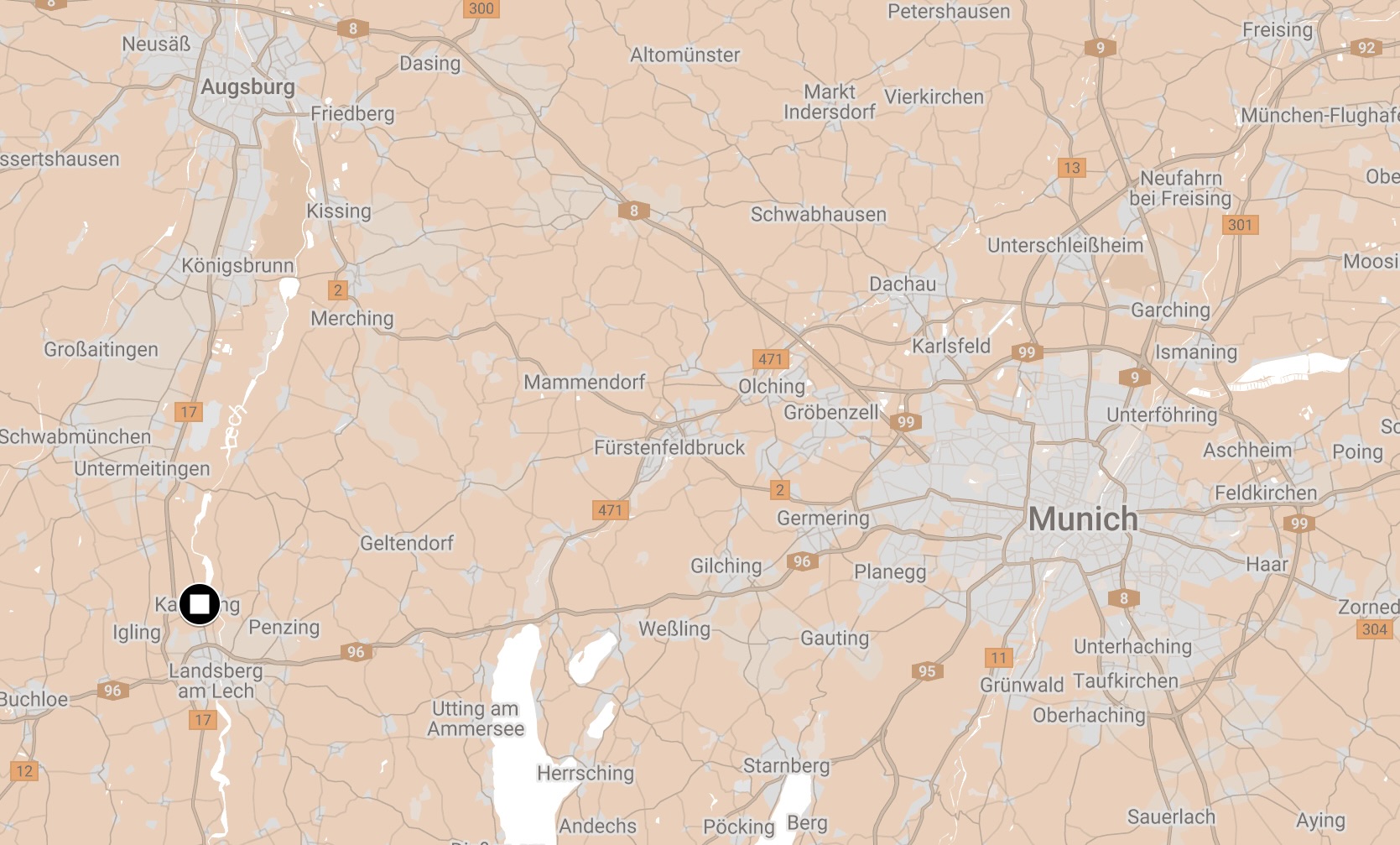
Kaufering was a camp complex with 11 subcamps. The camp opened in June 1944 near the town of Landsberg am Lech in Bavaria. Kaufering was the largest Dachau subcamp and it had some of the worst living conditions. Survivors report witnessing cannibalism and frequent suicides.
The camp was set up to provide slave labour for the creation of three massive underground bunkers that would hold aircraft factories producing Messerschmitt Me 262 and would not be vulnerable to Allied bombing raids. By early 1944 bombing raids had reduced aircraft production by two thirds.
The construction was not finished, and no aircraft were produced in the factories.
About 30,000 people passed through the Kaufering camp. Trains brought Jews from Auschwitz, the survivors of the Warschau-Gęsiówka labour camp and men from the Kovno ghetto. Among them were members of the Boys. Some were still with their fathers and brothers when they arrived in the camp.
Structure
The huts were partially buried and camouflaged. Snow and rain leaked through the roofs. Prisoners slept on straw on the earthen floor.
Most prisoners were forced to work building railway embankments and hauling bags of cement for the bunker-building projects.
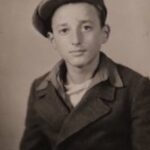
Ivor Perl in 1945 after the liberation.
“By now I was on autopilot. The lack of food, clothing and hygiene took all the will to function as a normal person away. In a way we all looked forward to going to work, at least we were outside the confinement of the camp, and also we hoped we might find some food on the way to work. There were a number of times when a person found some bread on the side of the road, also a couple of times some were lucky to have found an egg which was unbelievably good fortune, but on the whole there was nothing other than grass, for by now we were so hungry that we even looked for some edible grass or other edible roots.”
Izak Perlmutter, later Ivor Perl, Chicken Soup Under the Tree: A journey to Hell and Back (Lemon Soul, 2023).
Perl turned 13 while in the Kaufering camp.
Dissolution & Liberation
Over 10,000 prisoners were evacuated on death marches from the camp as the US army approached. Some were liberated on death marches or in death trains.
Others were taken to the Allach subcamp of Dachau.
Aftermath
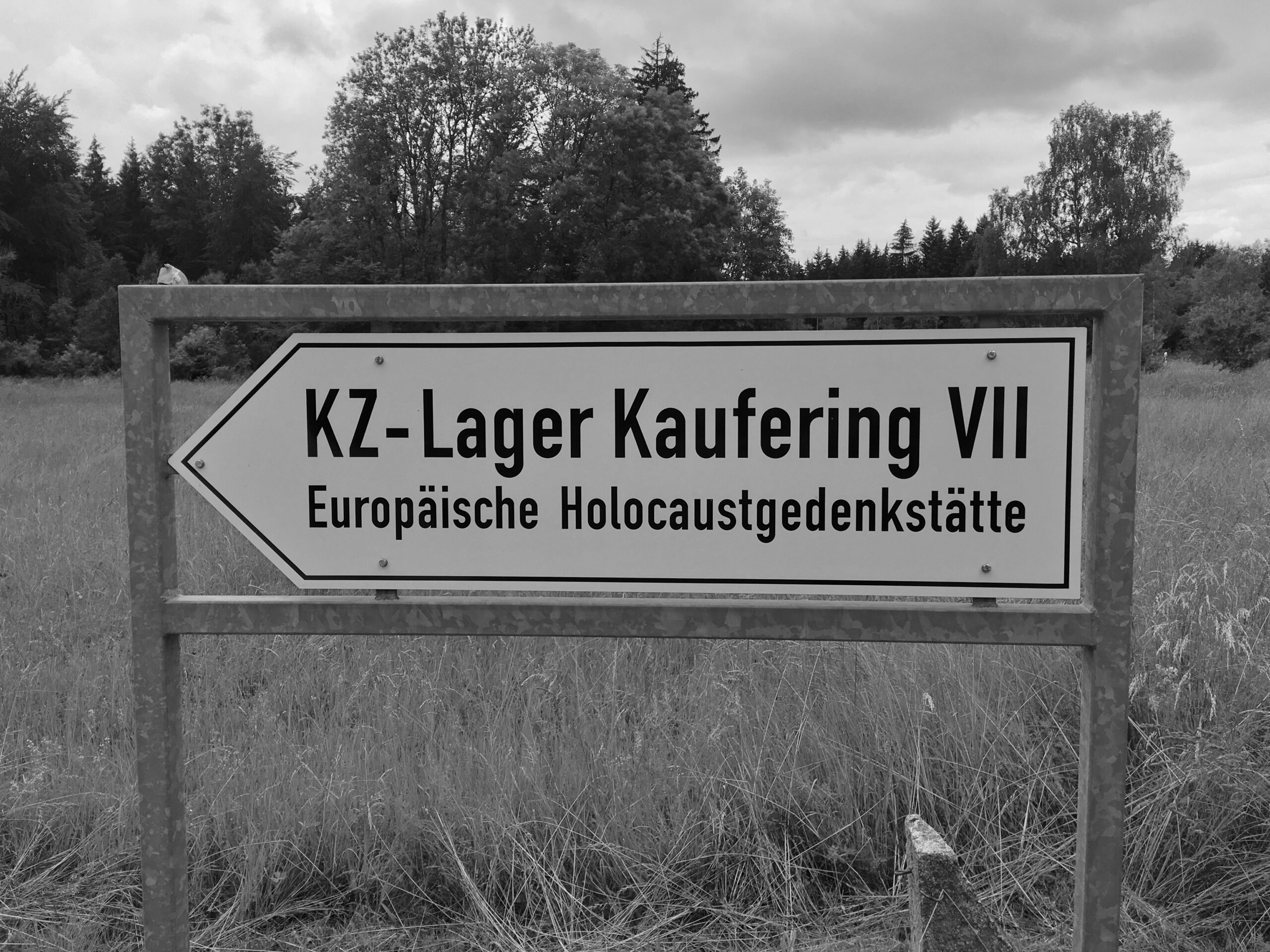
The remains of the Kaufering VII camp form the only privately owned concentration camp in Germany and belong to the European Holocaust Memorial, the Europäische Holocaustgedenkstätte.

 About
About History
 Education
 Quilts
 FIlms
FIlms Photos
 News Media & Events
 Publications
 Donate