
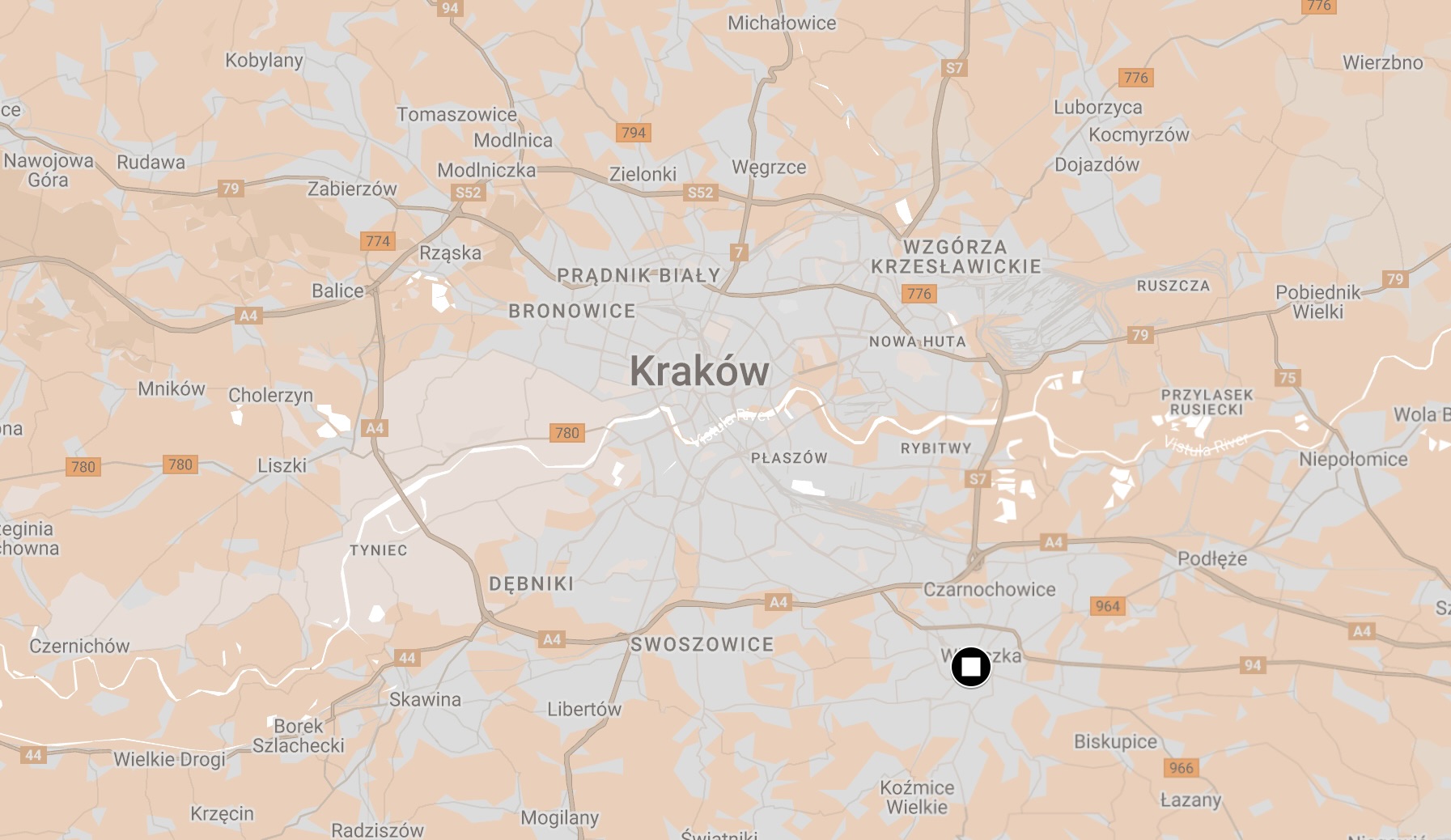
Members of the Boys were slave labourers in the Wieliczka concentration camp, a subcamp of the Krakow-Płaszów concentration camp in Poland.
Krakow-Płaszów concentration camp was operated by Nazi Germany.
The Boys were child-Holocaust survivors, who were brought to the UK after the war for rest and rehabilitation.
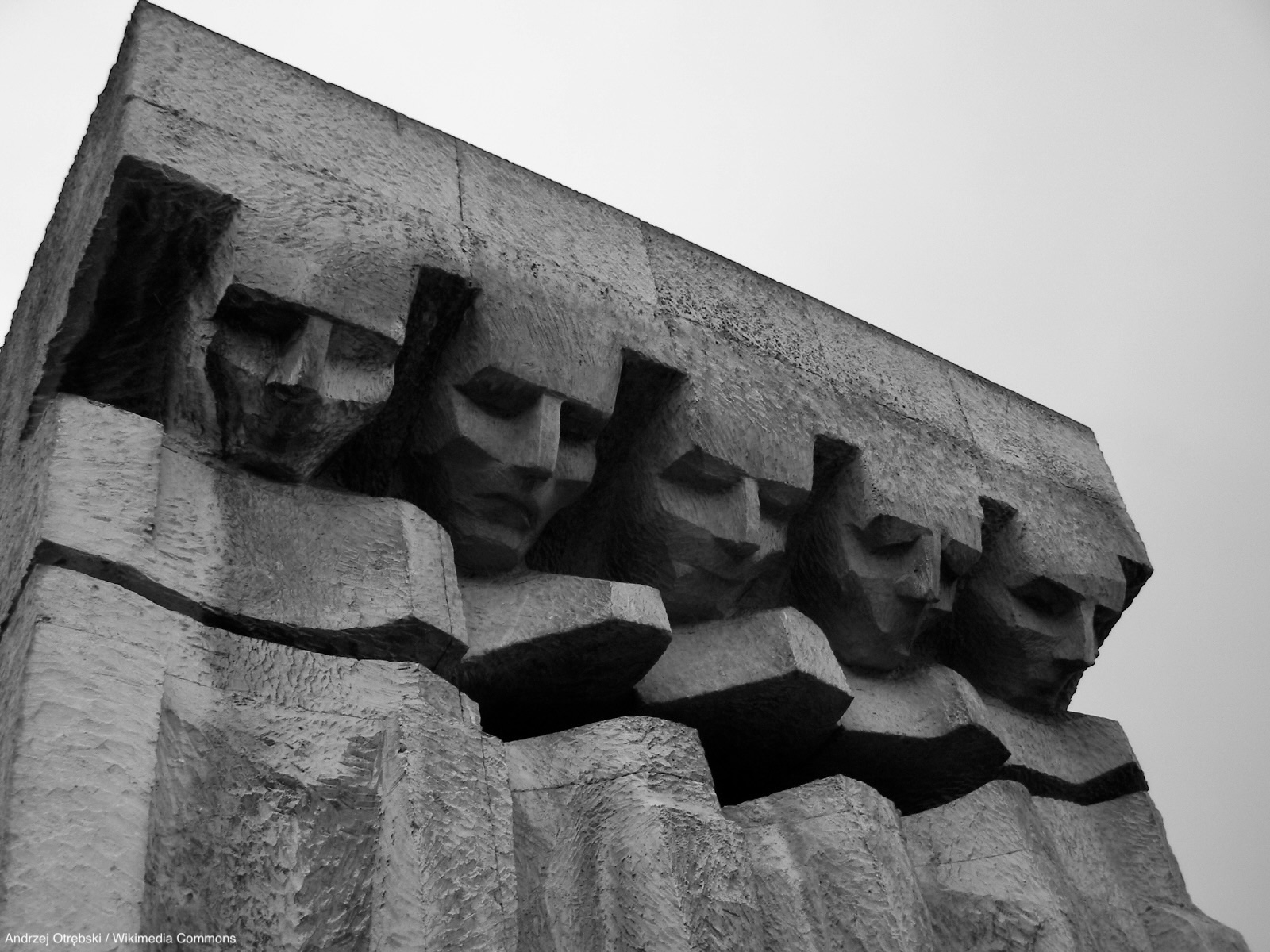
Kraków-Płaszów Memorial.
History
In March and April 1944, the Germans established a forced labour camp for Jews at the Wieliczka Salt Mine founded by King Casimir the Great in the 14th century.
About 1,700 prisoners were moved from the Kraków-Płaszów and Mielec camps to the mine which was a subcamp of Kraków-Płaszów. The camp at Mielec was completely dismantled and moved to Wieliczka. The prisoners were then put to work producing Heinkel aircraft in the mines vast underground network of tunnels and chambers that are over 287km long.
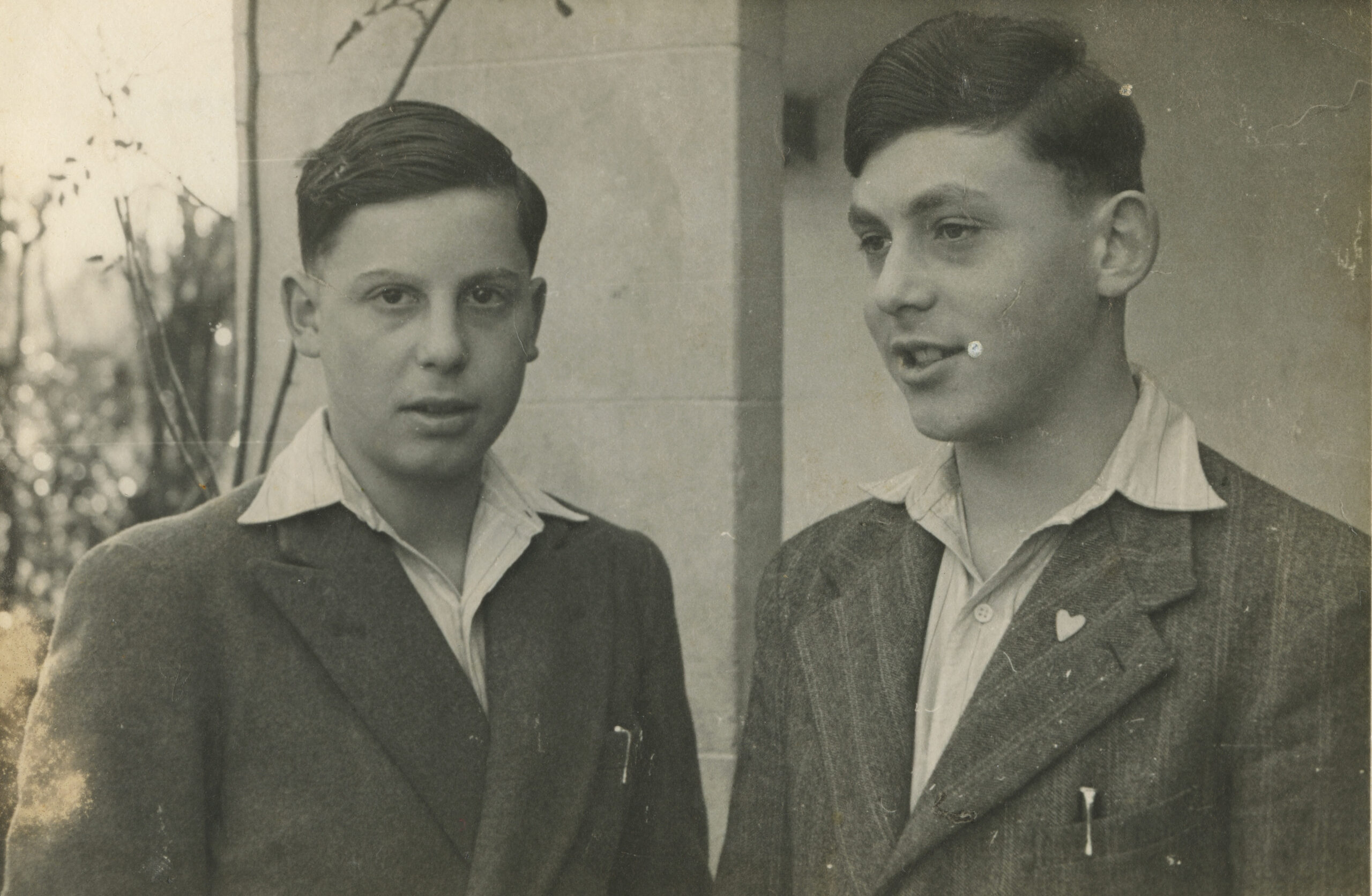
Among those moved from Mielec were Max and Alfred Schindler and their father:
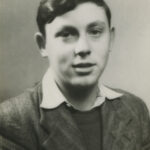
Max Schindler in 1946.
“Once we arrive in Wieliczka, we follow orders to unload all the equipment and transport it into the salt mines, where it is less likely to be found by enemy troops. It is a tremendous job to move all the heavy equipment from the train into the salt mines. We are extremely weak and very tired but keep working as steadily as we can.
Very soon after moving here, we notice a problem. The metal machinery reacts to the salt and begins corroding and rusting … There are murmurings about why the Germans would make such a poor decision … no manufacturing can happen here.”
Max Schindler, Two Who Survived: Keeping Hope While Surviving the Holocaust.
Schindler was 14 years old when he was in the camp. His brother Alfred was 13 years old.
Dissolution
The camp was abandoned in September 1944. Some prisoners are taken to Kraków-Płaszów, while others go with the machinery to the Litoměřice concentration camp in the modern-day Czechia.
Aftermath
Wieliczka is now home to the Kraków Saltworks Museum one of Poland’s main national monuments.

 About
About History
 Education
 Quilts
 FIlms
FIlms Photos
 News Media & Events
 Publications
 Donate