
Members of the Boys were slave labourers in the Melk labour camp, a subcamp of the Mauthausen concentration camp in Austria.
Mauthausen concentration camp was operated by Nazi Germany. The camp had 40 subcamps.
The Boys were teenage and child-Holocaust survivors, who were brought to the UK after the war for rest and rehabilitation.
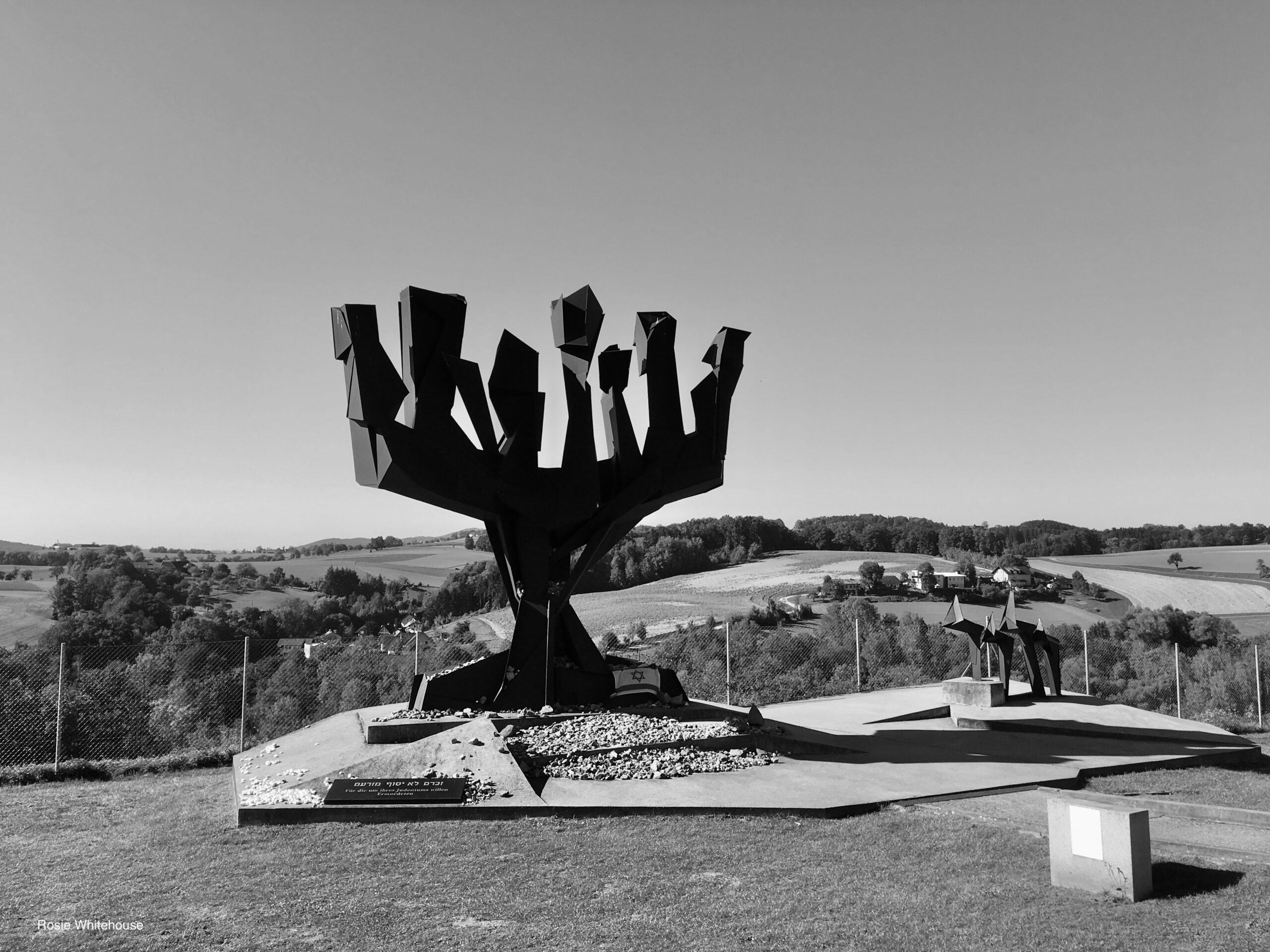
Mathausen Memorial, Austria.
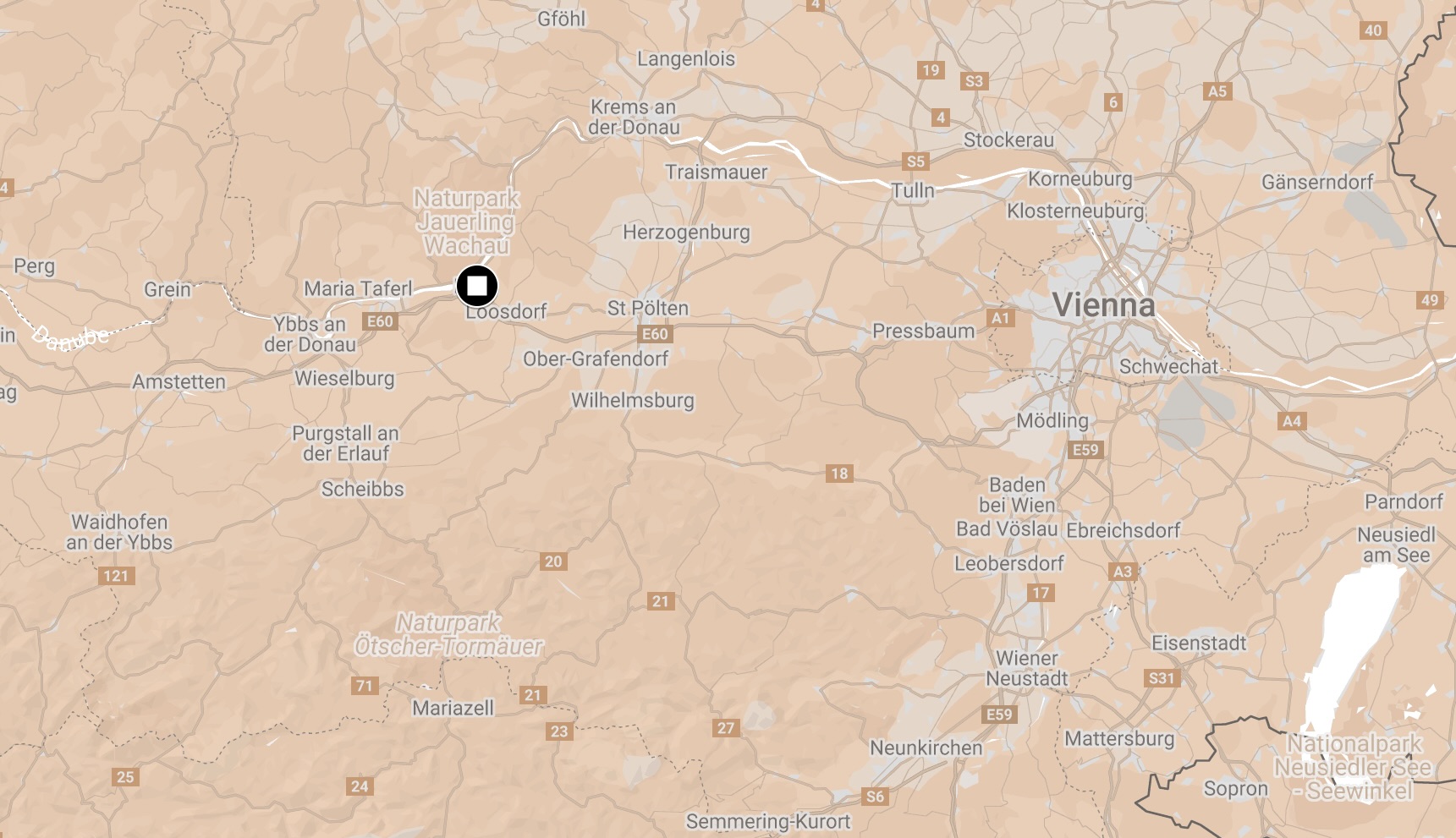
A subcamp of Mauthausen concentration camp was set up in the abandoned Wehrmacht Freiherr-von-Birago pioneer barracks in the lower Austrian city of Melk, 100km east of Linz.
History
The first prisoners were dispatched to build the camp in January 1944. The camp officially opened in April 1944. The prisoners were used as slave labour by the company Quartz GmbH, a subsidiary of the armaments company Steyr- Daimler-Puch (SDP), one of the largest metalworking companies in Austria. Steyr-Daimler-Puch was the first arms manufacturer to use concentration camp prisoners in its factories on Austrian soil. Armaments production was moved underground to avoid Allied air raids.
Structure
The camp was located in a military barracks that is still used by the Austrian army.
The camp was intended to hold 7,000 prisoners but by January 1945 held well over 10,000 prisoners from across the continent of whom about 30% were Jews. The last prisoner transport from Auschwitz reached the camp on 29 January 1945. Among the 2,000 prisoners from Auschwitz were 119 children between ages 9 and 15.
Sam Gontarz was among the prisoners who arrived in Melk in January 1945:
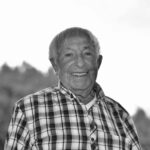
Sam Gontarz
“The barracks were very similar to what we had experienced before. There were bunk beds, three high I think, but we didn’t do anything. There was no work for us. We were there only about two weeks. There were thousands of us, thousands. I don’t know how many there would have been in the blocks, they were a bit smaller than in Auschwitz, whether it was one hundred or one hundred and twenty, I don’t know. I saw the numbers after the was, but at the time, we didn’t know.
Prisoners were accommodated in 18 barracks. Initially the camp was well equipped but as the result of overcrowding conditions became catastrophic. The camp had its own crematorium, and the camp doctor registered 4,802 deaths. It was unusual to have a crematoria in a relatively small camp like Melk but the high number of deaths necessitated its construction.”
The first camp leader, Hauptsturmführer Anton Streitwieser, was replaced in May 1944 by Obersturmbannführer Julius Ludolph.
The prisoners excavated six underground caverns in the Wachberg mountain near the village of Roggendorf, which were to be used to produce ball bearings for military aircraft, and transported building equipment and machines from the Lossdorf railway station to the construction site. The prisoners worked in three shifts round the clock. Two-thirds of the complex was never completed.
Prisoners in the labour detachments area often tried to escape. At the beginning of 1945, Hungarian Jewish prisoners, with the assistance of civilian workers, smuggled seven pistols into the camp from the construction site.
Dissolution & Liberation
Production ceased on 1 April 1945, as Soviet troops grew close. At this point, there were around 7,500 prisoners in the camp. On March 12, 1945, a group of 34 Scandinavian prisoners were transferred by the Red Cross back to their home countries via Mauthausen and Neuengamme.
The remaining camp prisoners were then evacuated to Ebensee, Mauthausen, and Gusen by goods train and barge. Sam Gontarz was marched to Gunskirchen. The last transport of 1,500 prisoners left the camp on April 15 in the direction of Ebensee. According to documents from the Mauthausen main camp, the Melk subcamp existed officially until April 19, 1945.
Aftermath
Members of the Melk guards were convicted after the war in the Dachau military trials. Camp leader Julius Ludolph was executed in July 1947.

 About
About History
 Education
 Quilts
 FIlms
FIlms Photos
 News Media & Events
 Publications
 Donate