
Members of the Boys were slave labourers in the München-Allach labour camp, a subcamp of the Dachau concentration camp.
Dachau concentration camp was operated by Nazi Germany. The camp had 140 subcamps.
The Boys were child-Holocaust survivors, who were brought to the UK after the war for rest and rehabilitation.
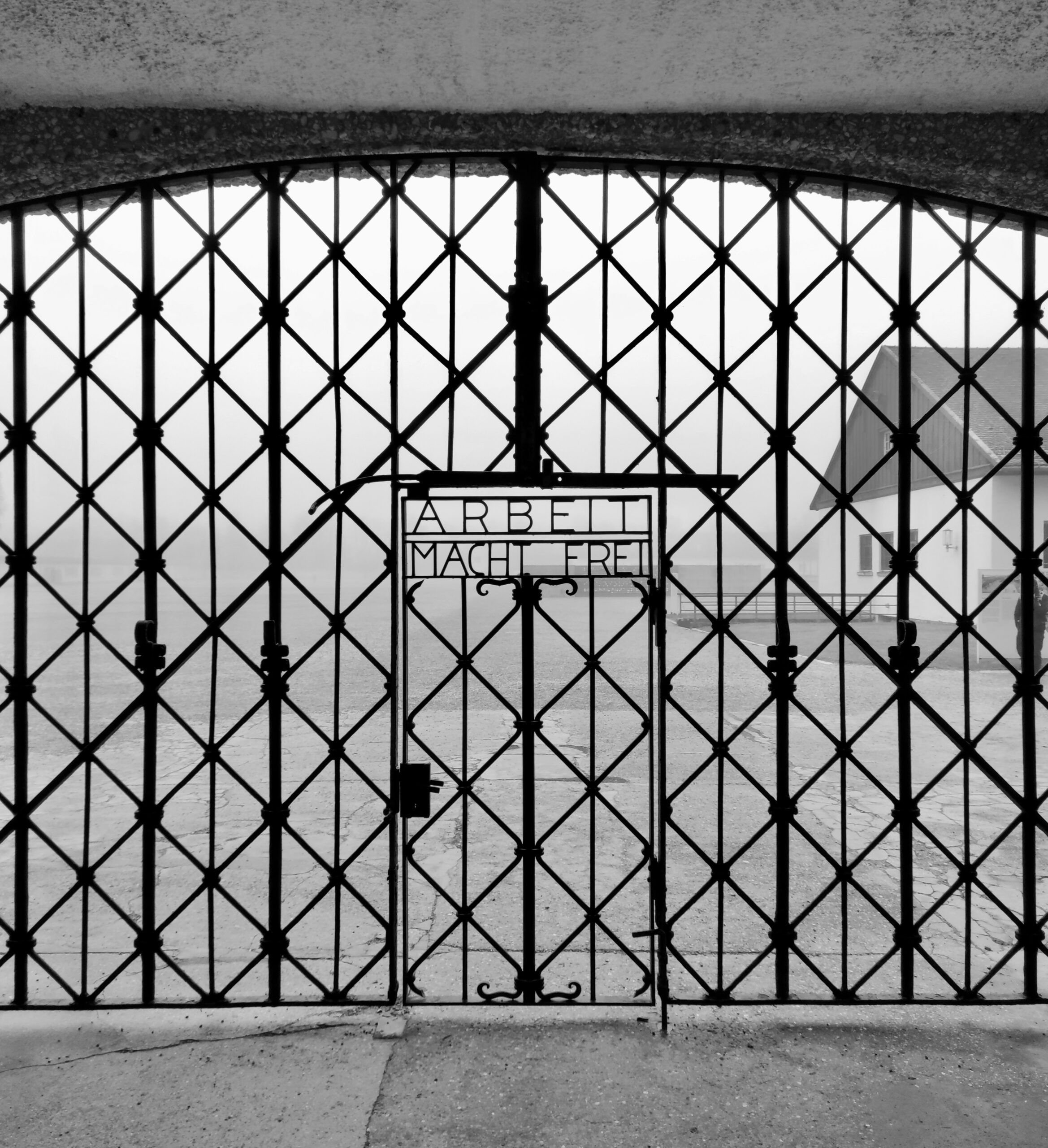
The gate of the former Dachau concentration camp.
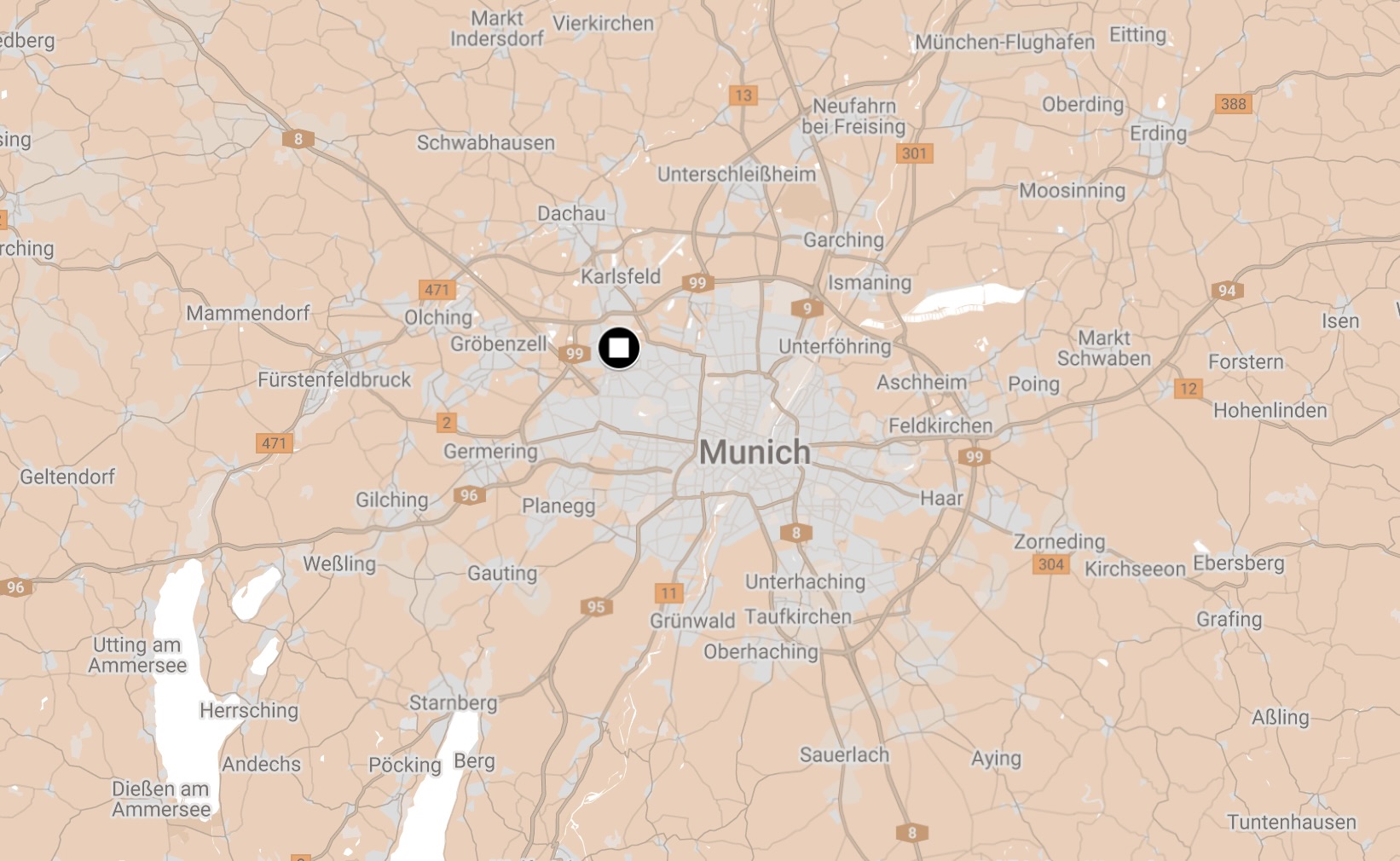
München-Allach was the largest of the subcamps of Dachau. It opened in March 1943 to supply slave labour for armaments production and construction work. The camp was in the Allach porcelain and clothing factories.
The Allach porcelain factory was acquired by the SS in 1936 as its head Heinrich Himmler wanted a to produce a product that represented German culture. During World War II the factory was also used to produce and repair aeroplane engines. The production was operated by BMW.
The camp held 3,000-4,000 male and 200-300 female prisoners who were segregated. Jews were also held separately.
Dissolution & Liberation
In the closing months of the war, Allach became a reception centre for death marches.
“We were left in the camp to die. There was no food at all, and no roll calls. We just lay around inside and outside the barracks to weak to do anything. People were dying all the time. One night, a few days after the able-bodied left, the artillery bombardment got heavier and the camp itself was shelled. The next morning when I awoke, people were shouting that the SS had gone, and the camp perimeter wires had been cut and people were returning with food.
At lunchtime the Americans arrived outside the camp in tanks, but they did not enter until later in the afternoon … By evening the US soldiers managed to cook us a meal of pork and macaroni from the German supplies … this turned out to be a killer as almost everyone in the camp got dysentery.”
The camp was liberated by the US Army on 30 April 1945.
Aftermath
The Allach factories were shut down in 1945 and never reopened.

 About
About History
 Education
 Quilts
 FIlms
FIlms Photos
 News Media & Events
 Publications
 Donate