
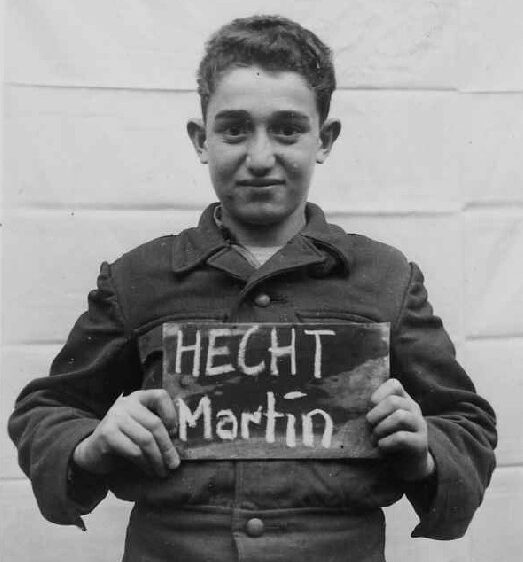
Member of the Boys were taken as slave labours to the Arbeitslager Riese subcamp of the Gross Rosen concentration camp in southwestern Poland, then part of Germany.
The Gross Rosen concentration camp was operated by Nazi Germany. The camp had 100 subcamps located in what is now Czechia, Germany and Poland.
The Boys were child-Holocaust survivors who were later brought to the UK after the war for rest and rehabilitation.
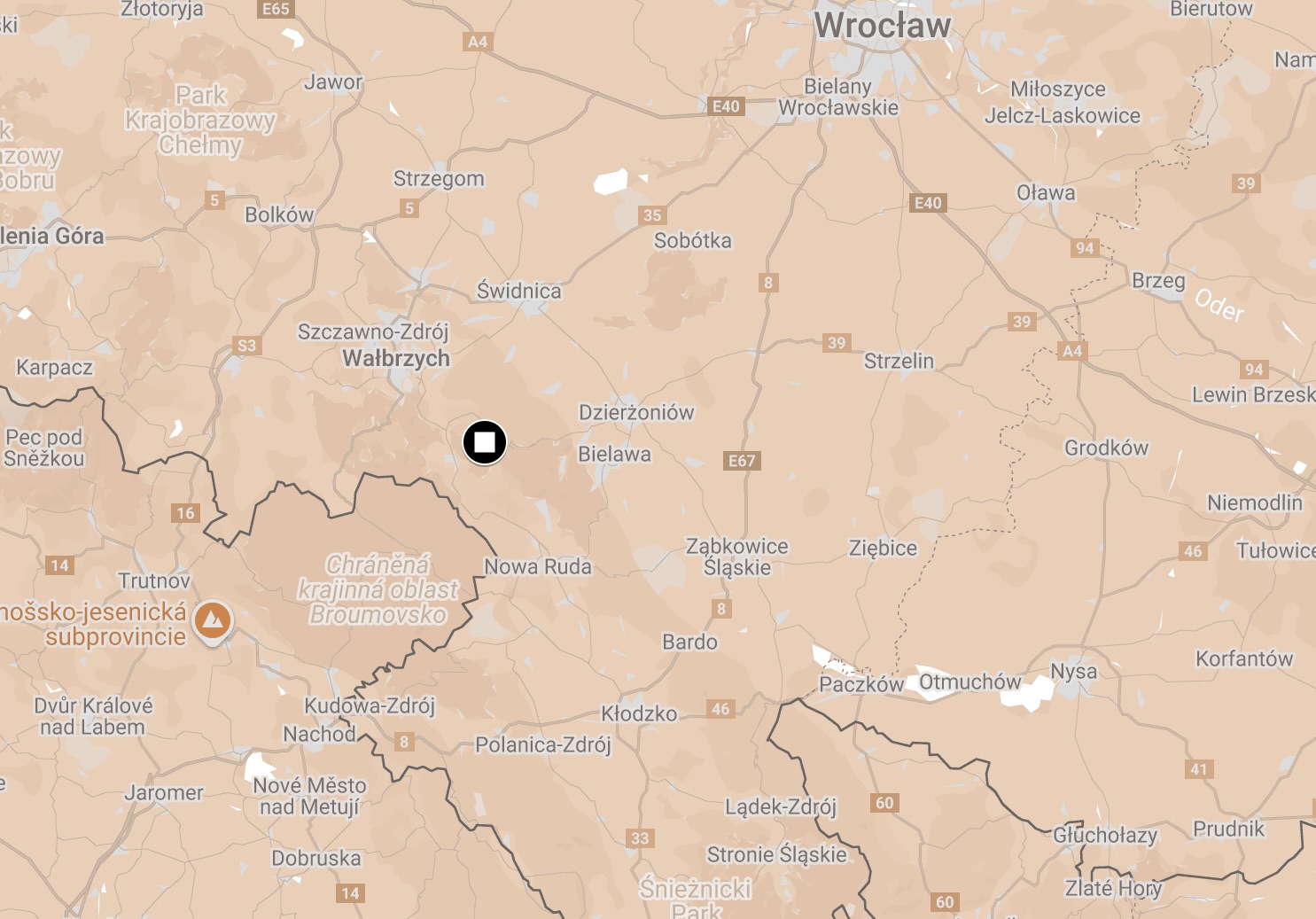
Riese was a series of camps that formed one complex. It was established in May 1944 in the Owl Mountains, the Góry Sowie, in southwestern Poland. The area was then part of Germany and the mountains were known as the Eulengebirge.
The project was run by Operation Todt. The prisoners were all Jews from many different countries and included many teenage boys. An estimated 4,900 prisoners died in the camp and during its evacuation.
History
The exact reason for the Riese project is unclear. One theory is that it was designed by Hitler to replace his compound at Wolfsschanze, the Wolf’s Lair, his eastern front military headquarters, which had been the scene of an assassination attempt in July 1944.
Another theory suggests that different factories engaged in the war effort were relocated to the complex, most of them producing equipment for the German air force. There are also theories that looted items were to be hidden in the tunnels.
Buildings were constructed on the slopes and tunnels dug into the mountains. Between 12,000-30,000 prisoners participated in the construction.
Structure
The Riese complex was made up of a series of auxiliary camps and was a subcamp of Gross Rosen. Members of the Boys have been identified as working in Dörnhau, Eule, Kaltwaser, Wolfsberg and Wüstegiersdorf camps in the complex.
Wüstegiersdorf was the main camp and command office. It was operated by Krupp and located in the present-day town of Głuszyca. It consisted of two workshops that specialized in the production of precision tools and equipment.
The Wolfsberg camp was located on the northeastern slopes of Mt. Włodarz, Wolfsbergin German. Much of the work here involved digging tunnels. Both camps opened in May 1944.
The Dörnhau Labour camp was established in June 1944 in present-day Kolce. Here prisoners were put to work tree felling, building roads and narrow-gauge railroads, and digging trenches in the Długa Góra area. Moreover, they were responsible for the construction of the railway siding in Kolce.
The Kaltwasser Labour Camp was established at the end of August 1944. The prisoners were mainly Polish Jews who came from the city of Łódź. The other camps were set up during the same period.
Dissolution & Liberation
The prisoners were evacuated from the complex and taken on a death march to Gleiwitz. From there they were sent by train to concentration camps in Germany and Austria.
Aftermath
The Riese project has not been the subject of detailed academic investigation. Many of the camps are now overgrown and forgotten. The situation is complicated by the fact that the land belongs to private owners.

 About
About History
 Education
 Quilts
 FIlms
FIlms Photos
 News Media & Events
 Publications
 Donate