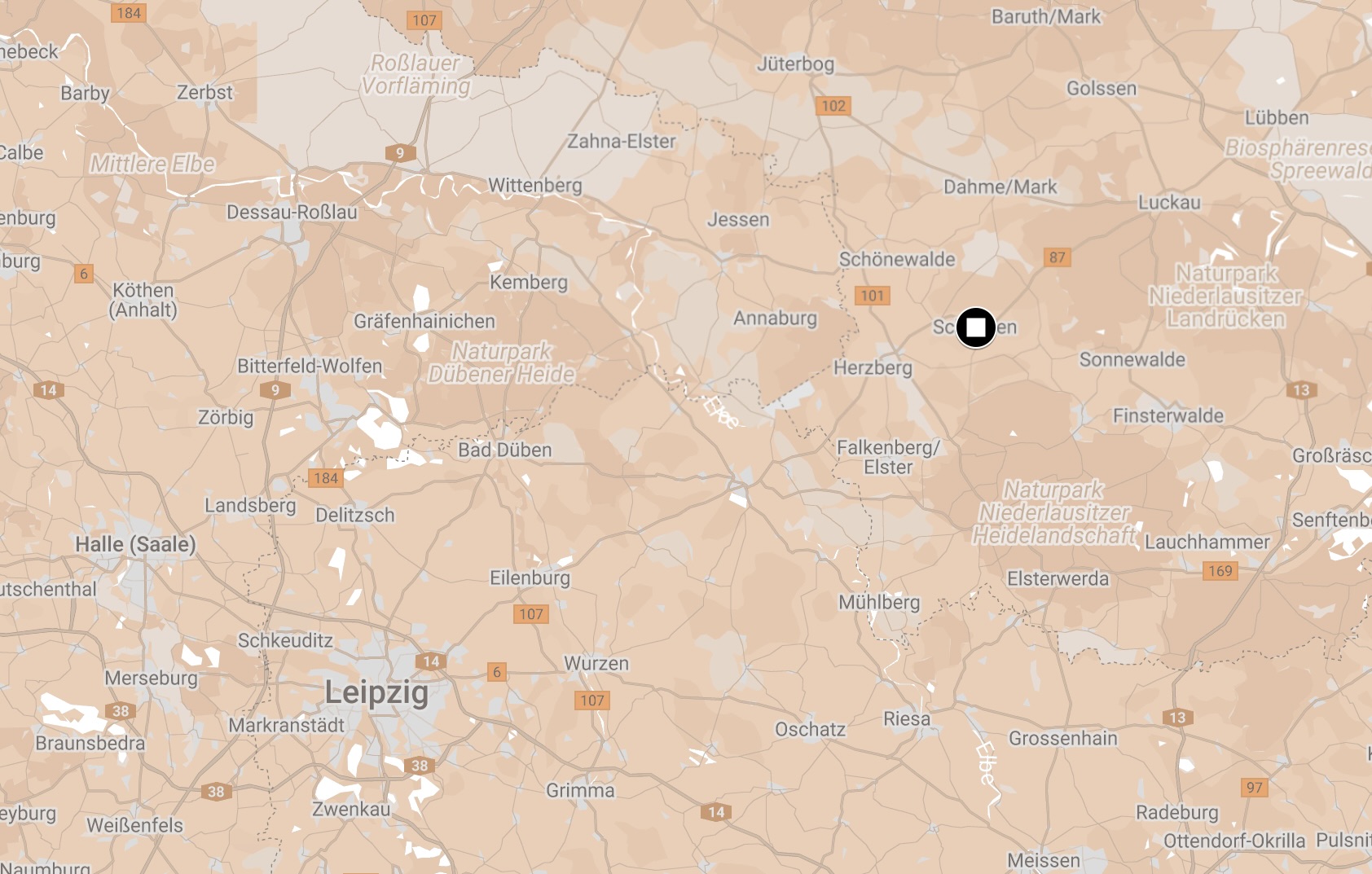
Members of the Boys were slave labourers in the Schlieben-Berga labour camp in eastern Germany, a subcamp of the Buchenwald concentration camp.
Buchenwald concentration camp was operated by Nazi Germany. The camp had 139 subcamps. The camp was run by HASAG.
The Boys were teenage and child-Holocaust survivors, who were brought to the UK after the war for rest and rehabilitation.
In the Third Reich, the German Leipzig based company HASAG, Hugo Schneider AG, became a Nazi arms-manufacturing conglomerate with dozens of factories across German occupied Europe.
They used slave labour on a vast scale and tens of thousands of Jews from Poland died producing armaments in HASAG factories.
History
The camp was set up to hold slave labourers to work on producing Panzerfaust anti-tank bazookas in the HASAG factory that had opened in the Berga district of Schlieben in 1938.
The company was already using female and Roma slave labour when the men’s camp was opened.
On 12 October 1944, there was an explosion in the factory which killed 96 Jewish prisoners. The factory was immediately rebuilt. In the haste many prisoners were wounded and killed.
“One night as I was working the German ‘Meister’ called me by my number. He told me to go outside and unload boxes of powder from the cart being drawn by Belgian horses, I took down the first box and in that moment there was an explosion and I was blown a few metres, and became unconscious.
On recovering consciousness I felt blood running from my head and the horses were torn to pieces and covered me. I got up and could not recognise the place. The whole factory had been blown apart. I was the only one left alive from the whole factory. Only a few prisoners were alive from other places …
About a week later the Germans decided to rebuild the factory. It was hell. We worked day and night without much food and many prisoners died.
Whilst doing this work we used to carry a tin plate tied to our trousers. You did not move without this, because you could not live through the day without it.”
Chaim Aizen quoted in Martin Gilbert, The Boys: The Story of 732 Young Concentration Camp Survivors (Wiedenfeld & Nicholson, 1996).
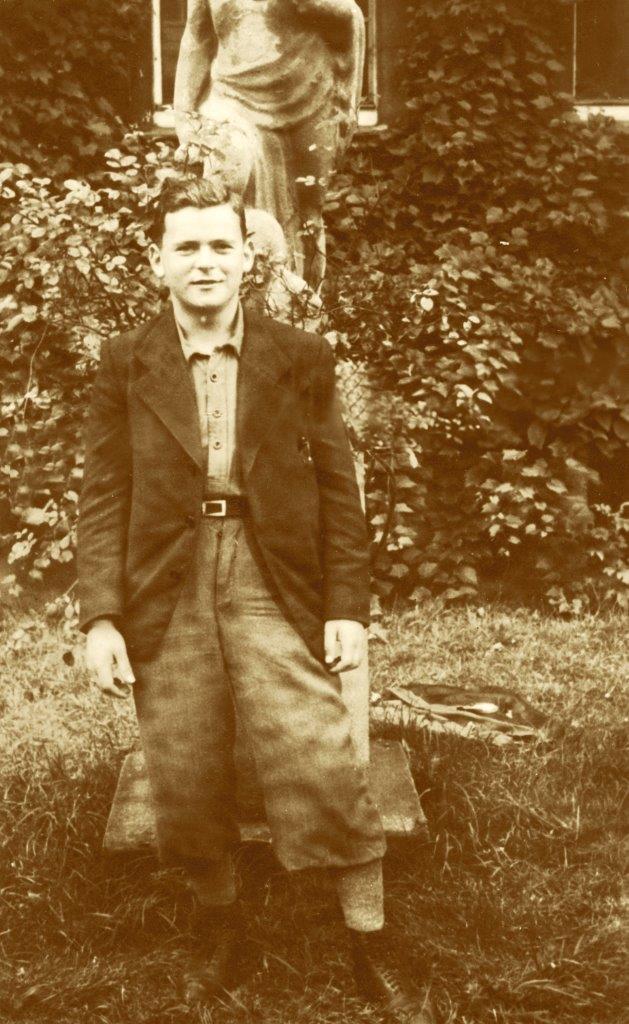
Aizen was 17 years old when he was in the camp.
Structure
There were 12 bunkers and the guard and administrative barracks.
The Boys recall the camp as being less violent than Skarżysko-Kamienna and there were no summary executions. The food supply was also slightly better.
The work was dangerous as the prisoners had to mix toxic chemicals and fill the warheads with the liquid explosives. There was no protective clothing.
The prisoners worked 12-hour shifts night and day.
Dissolution & Liberation
In April 1945, two transports of prisoners left the camp for the Theresienstadt Ghetto in the modern-day Czechia.
The camp was liberated by the Red Army on 21 April 1945.
Documents show that about 5,000 prisoners were used as forced labourers in Schlieben, 217 lost their lives and 130 were liberated by the Red Army.
Aftermath
After the end of the war, the remaining barracks were used as housing for German refugees from the eastern territories.
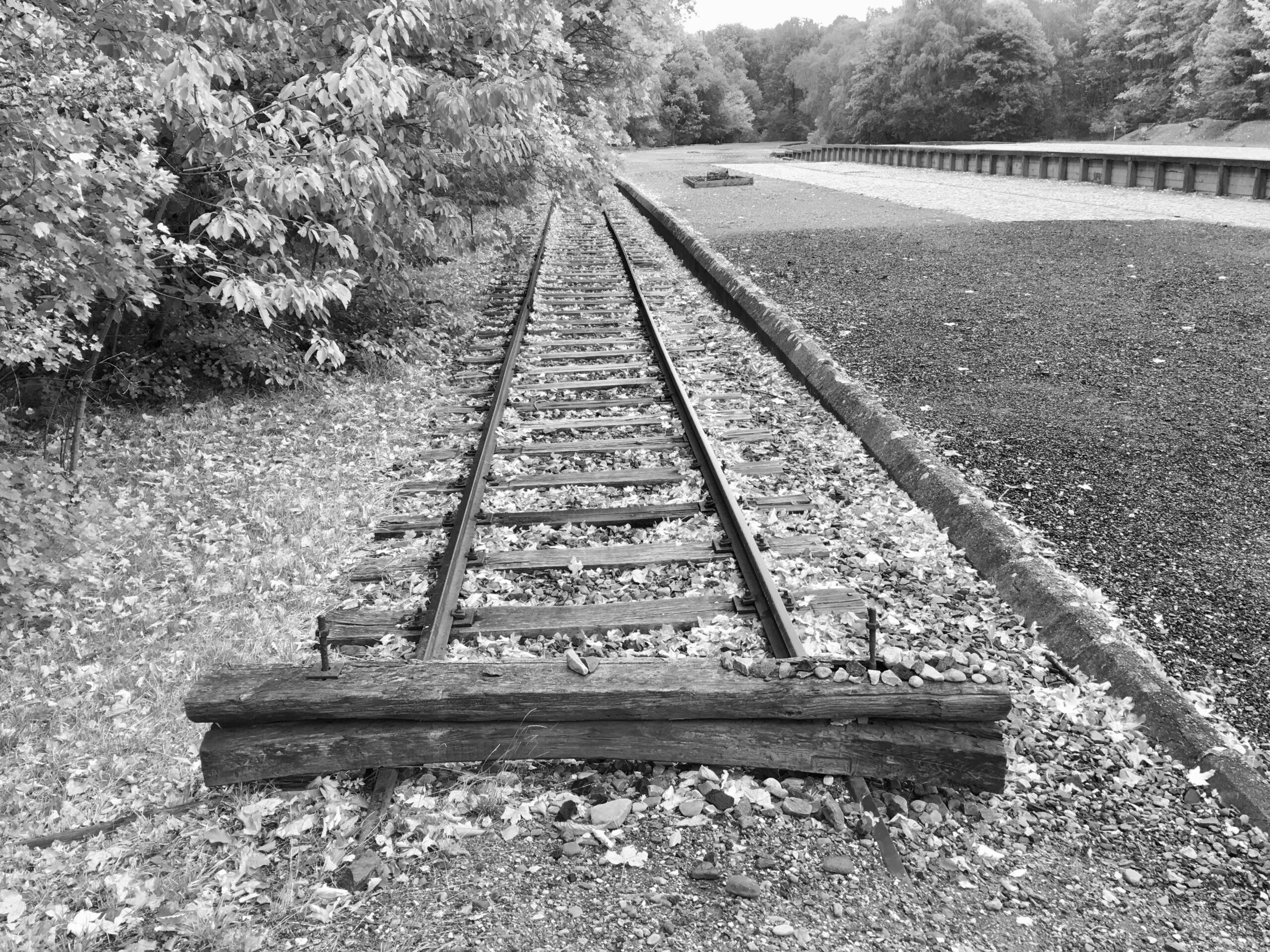
Today, only ruins of the former Panzerfaust production facility and bunker remains remain. There is a memorial and exhibition.
 About
About History
 Education
 Quilts
 FIlms
FIlms Photos
 News Media & Events
 Publications
 Donate