Members of the Boys were slave labourers in the Sered concentration camp in Slovakia.
Sered concentration camp was set up by the First Slovak Republic, a client state of Nazi Germany and guarded by the Hlinka Guard. It was later operated by Nazi Germany.
The Boys were teenage and child-Holocaust survivors, who were brought to the UK after the war for rest and rehabilitation.
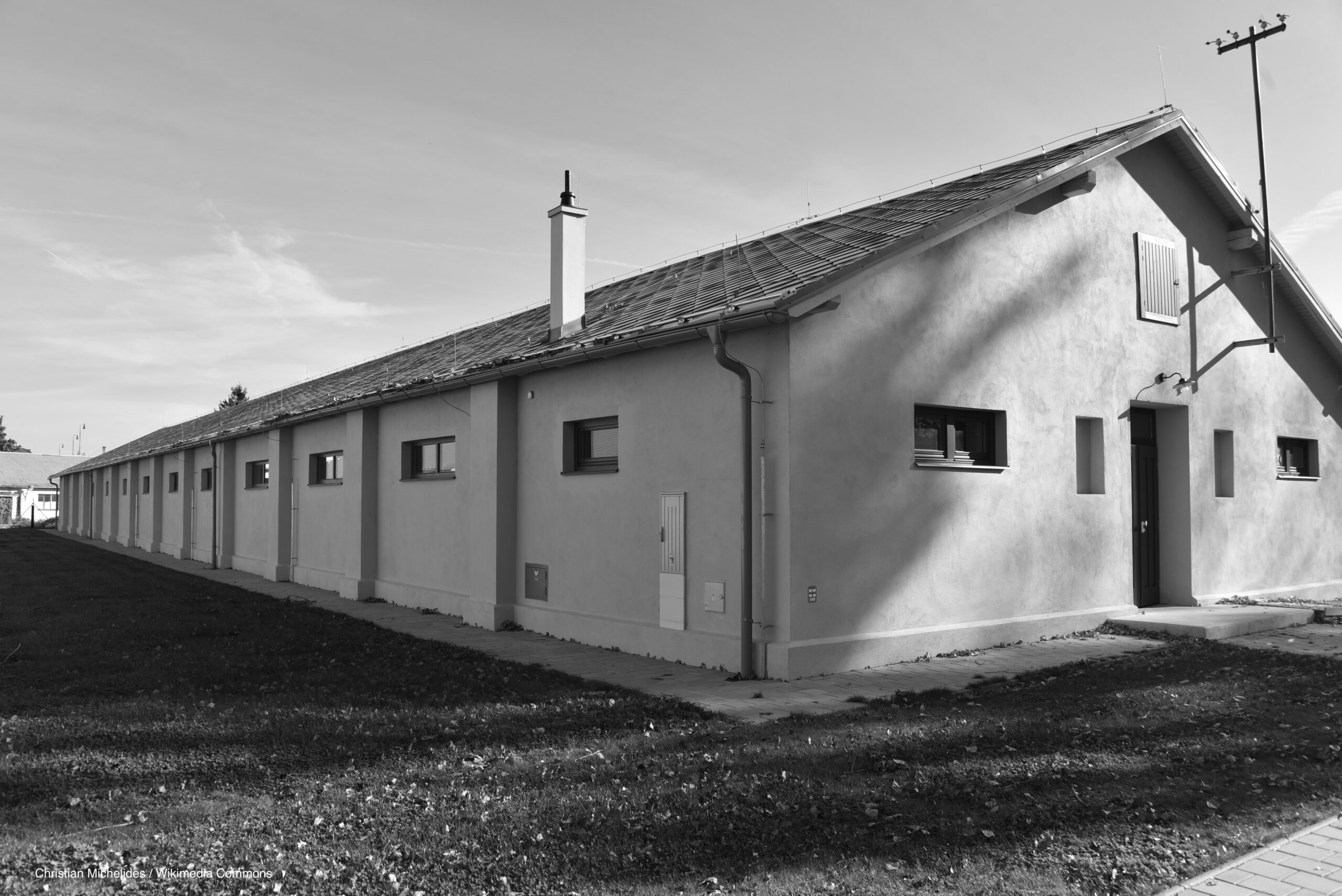
Sered Holocaust Museum, Slovakia.
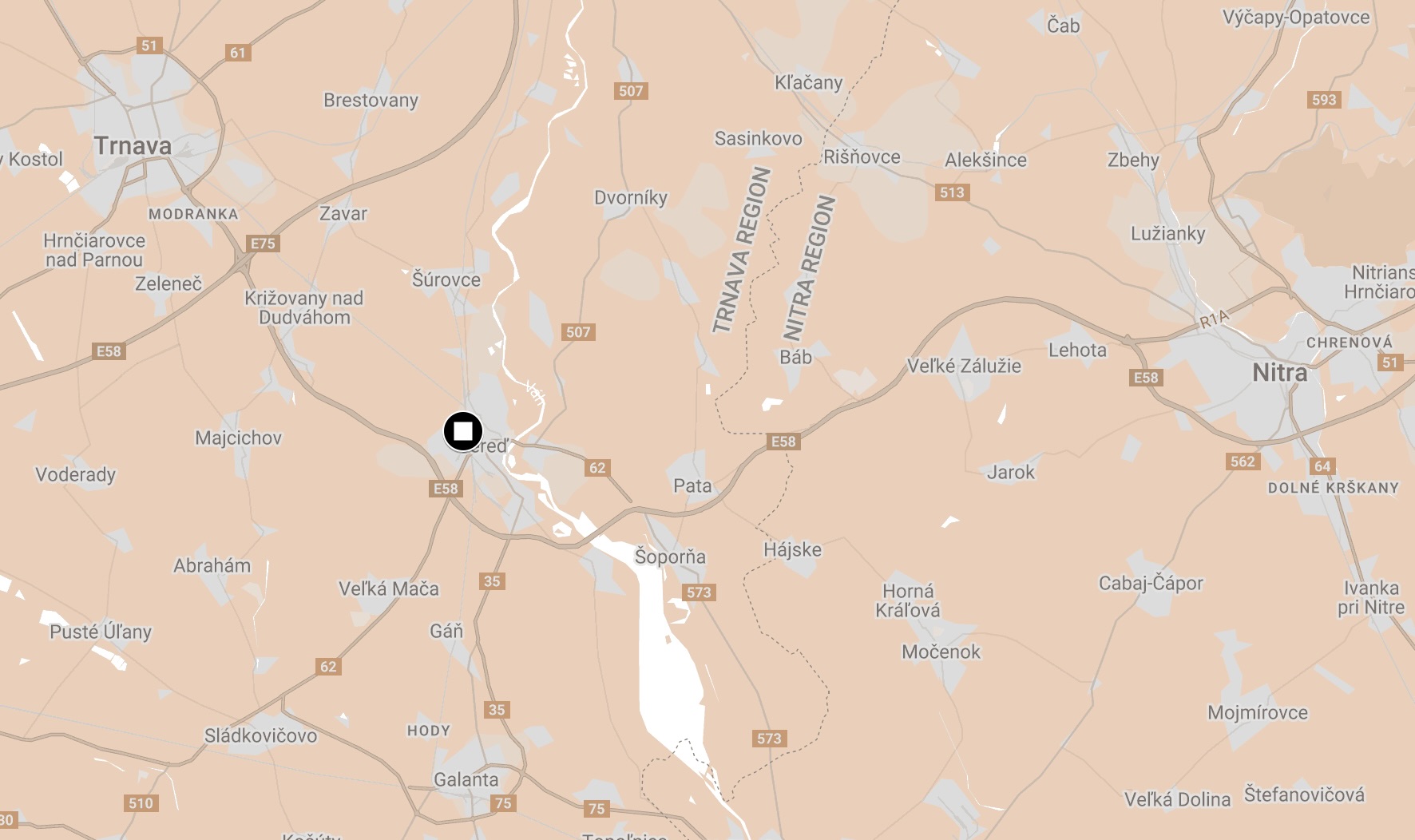
The Sered concentration camp was established in 1941, 67km northeast of the Slovak capital Bratislava.
History
The labour camp was set up on the initiative of the Jewish Council in the hope that proving Jews were useful workers would stave off the threat of deportation.
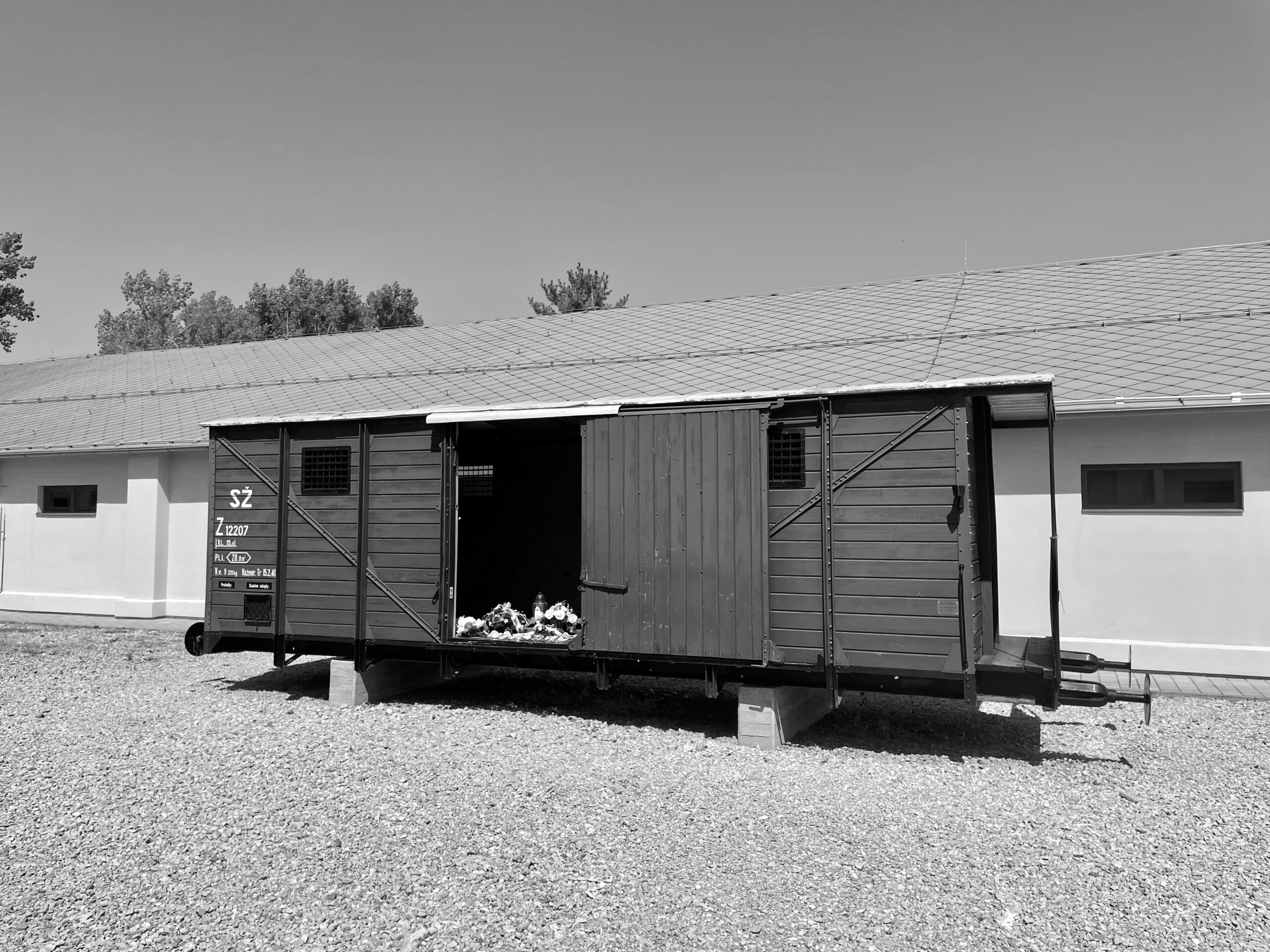
Nevertheless, by the time the camp opened in the spring of 1942, deportations had begun and the camp, which was run by the Slovakian Hlinka Guard, also became a transit camp. During the summer of 1942, some 4,500 Jews were sent from Sered to occupied Poland on five transports.
After the last transport departed, the conditions at Sered improved. The remaining prisoners produced an impressive number of quality goods, and as a result received more food and even leave passes. There were school services for the children and cultural activities.
During the August 1944 Slovak National Uprising, many prisoners escaped to take part in the revolt. However, after the Germans quashed the uprising, Sered passed into the hands of the SS. One of the most important of Adolf Eichmann’s assistants, the Austrian Alois Brunner, who had deported Jews from Vienna, Berlin, Greece and France, took control of the camp in the October and remained in charge until March 1945. During this time, a further 13,500 Jews were deported to the Theresienstadt Ghetto and Auschwitz II-Birkenau.
Liberation
When the camp was liberated by the Soviet Army in April 1945, Brunner went into hiding. He died in Syria decades later.
After the war, the camp at Sered was used as a military barracks.
 About
About History
 Education
 Quilts
 FIlms
FIlms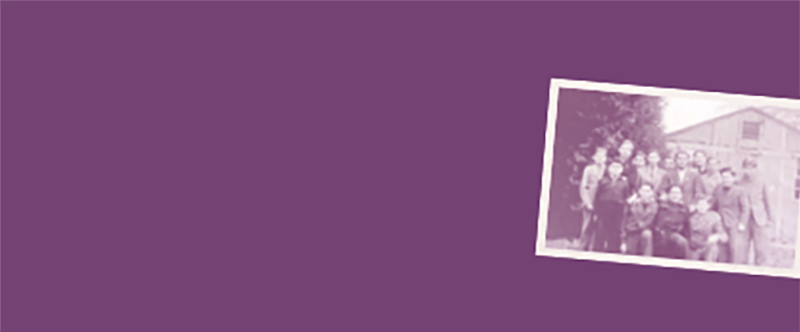 Photos
 News Media & Events
 Publications
 Donate