Members of the Boys were slave labourers in the Spaichingen labour camp, a subcamp of the Natzweiler-Struthof concentration camp in Germany.
Natzweiler-Struthof concentration camp was operated by Nazi Germany. The camp had 64 subcamps.
The Boys were teenage and child-Holocaust survivors, who were brought to the UK after the war for rest and rehabilitation.
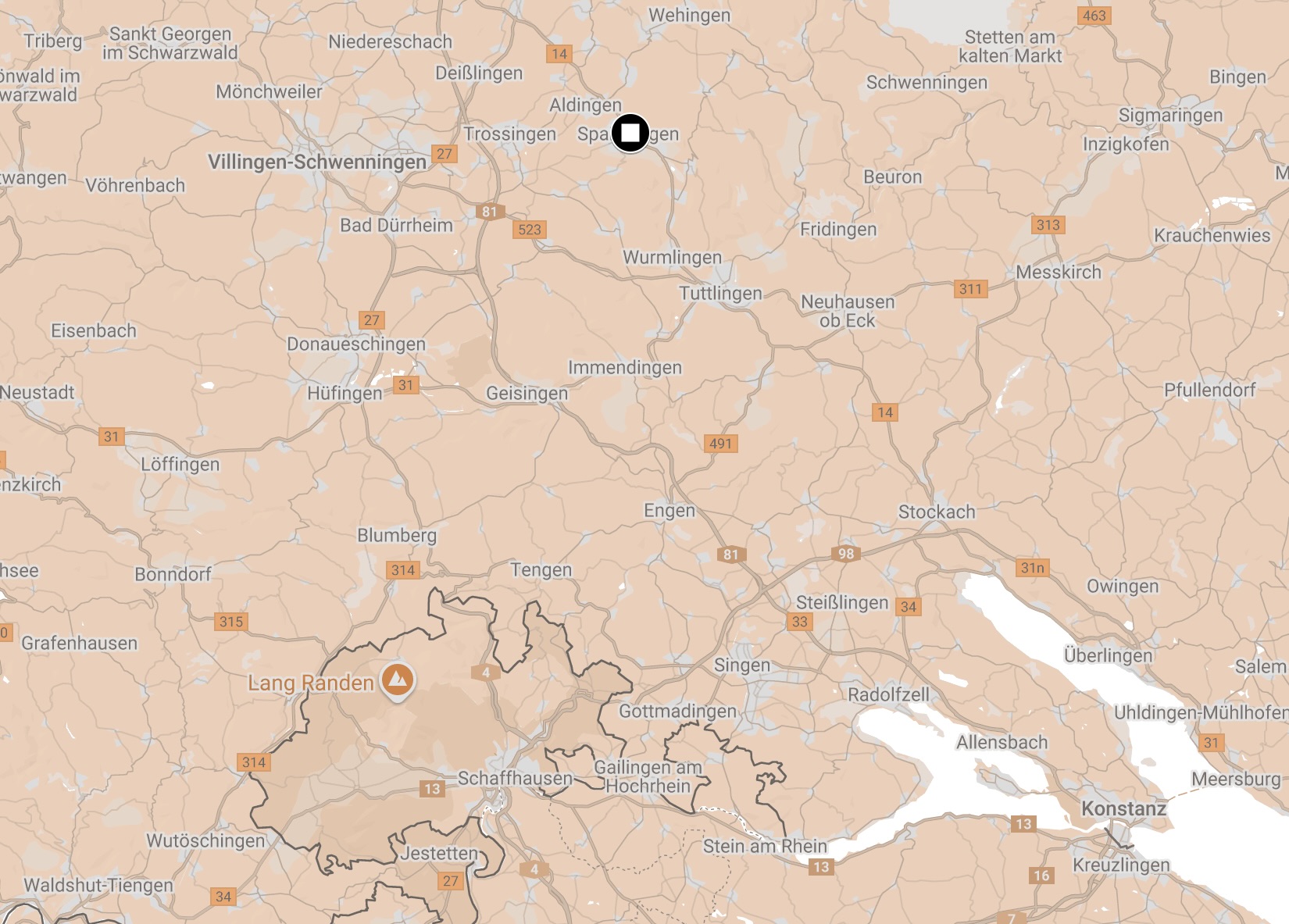
Spaichingen was for male prisoners and was located in the small town of Spaichingen in the south of Germany in the Swabian Jura Mountains.
History
The camp operated from September 1944 to April 1945 and was run by the armament company Mauser from Oberndorf. It was part of the German effort to relocate armaments manufacturing as the war drew to a close. Prisoners were sent to work in the metal factories which probably never commenced production.
The prisoners originated from a variety of European countries including Hungary, Italy, Yugoslavia, Czechoslovakia, France, Switzerland, Austria, and the Soviet Union. The exact number of prisoners who died in the Spaichingen subcamp is unknown. Numbers vary between 80-110.
On 17-18 April 1945, when the camp was dissolved as French forces advanced, the prisoners were forced on a death march to Allgäu.
Aftermath
After the war, SS members, guards, and detachment leaders from the Spaichingen subcamp were charged with murder, accessory to murder, theft, and war crimes and tried in the spring of 1946 in the Rastatt Trial, the first Allied war crimes trial that occurred in the French Occupation Zone. Of the seven accused, three were sentenced to death, one to life imprisonment with hard labour, two to 20 years’ imprisonment with hard labour, and one to five years imprisonment.
In 2019 the city of Spaichingen installed a memorial walking path with 10 commemorative plaques telling the story of the concentration camp and the prisoners.
 About
About History
 Education
 Quilts
 FIlms
FIlms Photos
 News Media & Events
 Publications
 Donate