
Members of the Boys were slave labourers in the Stutthof concentration camp.
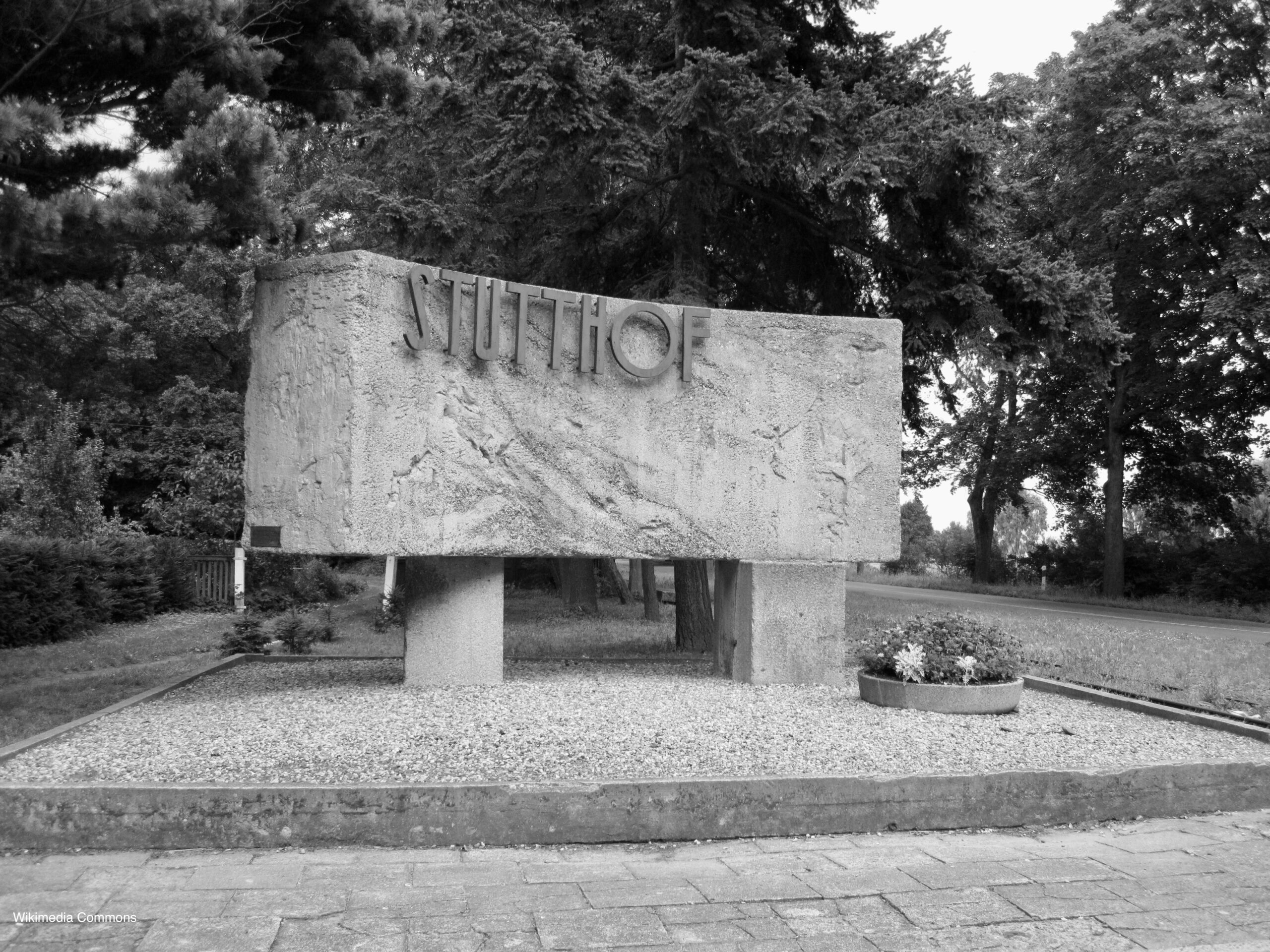
Stutthof concentration camp was operated by Nazi Germany.
The Boys were teenage and child-Holocaust survivors, who were brought to the UK after the war for rest and rehabilitation.
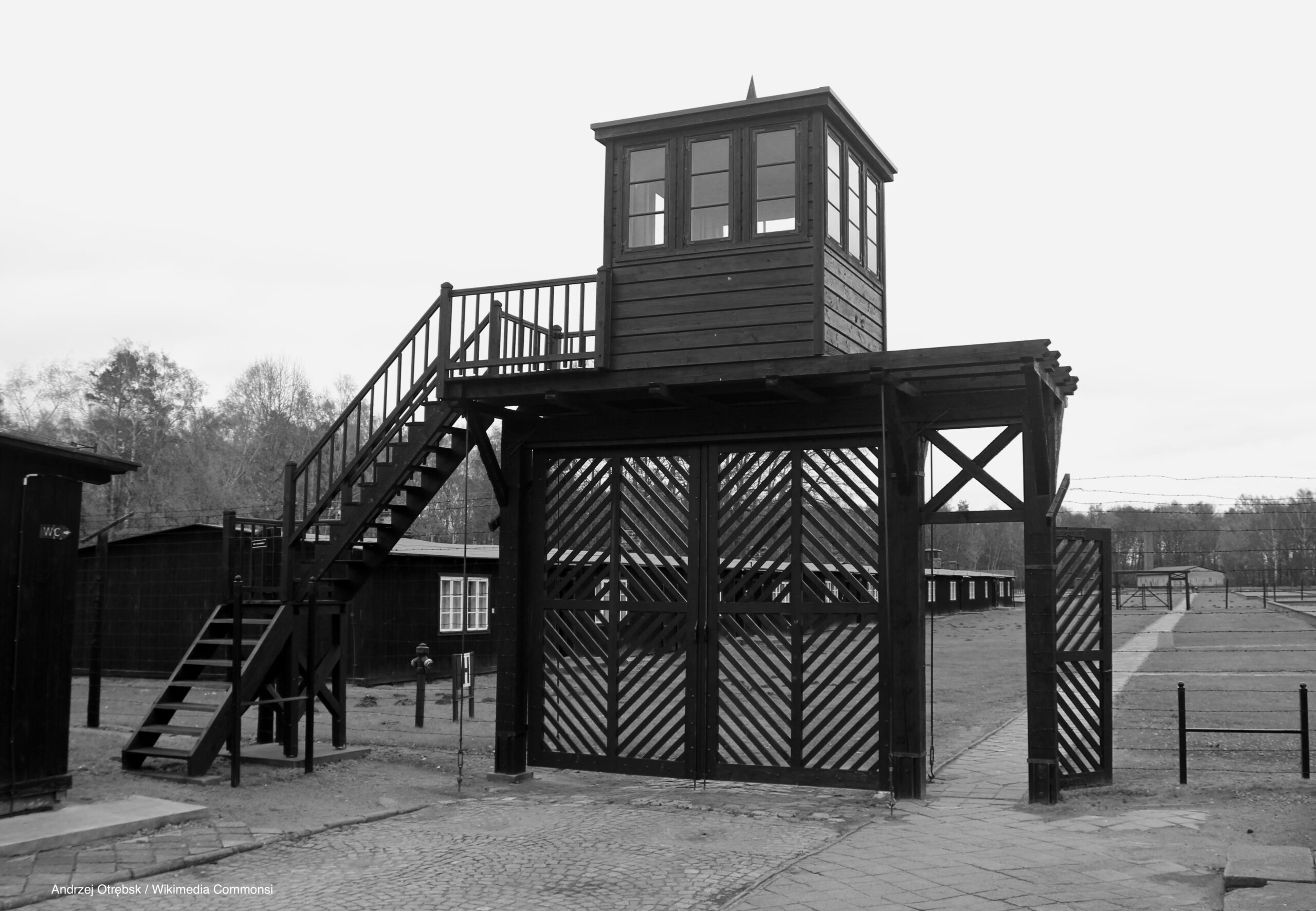
KL Stutthof
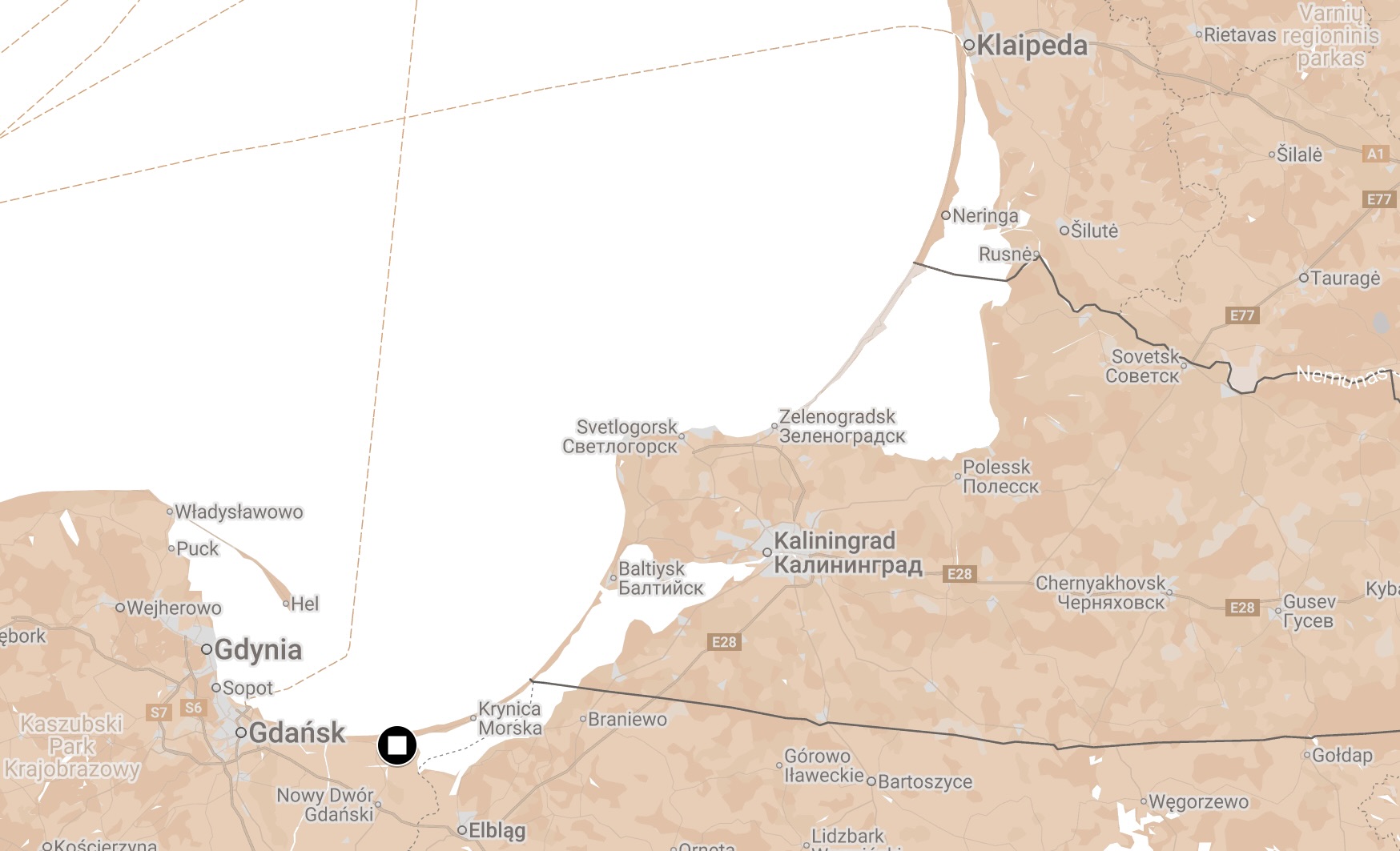
Stutthof was located near the present-day village of Sztutowo 40km northwest of the port of Danzig, present-day Gdansk, now part of Poland. The camp was operational from 1939. It became a concentration camp in 1942.
History
The camp was originally set up to hold civilian Polish prisoners. It then became a collection point for Poles and Jews deported from the region. At least one of the Boys, Harry Wegner, passed through the camp during this period. It then held criminals and so-called ‘asocials’, a term used by the Nazis to describe those who were outside of their chosen values, such as LGBTQ individuals, Roma and disabled people. It was also a transit camp for prisoners being moved to its subcamps.
It was in the camp’s final phase, when it played a significant role in the Holocaust, that most of the members of the Boys passed through Stutthof.
In 1944 about 50,000 Jews from Latvia and Lithuania were brought to Stutthof as Soviet forces pushed westwards. A transport of Jews from the Łódź Ghetto were also brought here via Auschwitz, among them was 11-year-old Stephen Wolkowicz. Some 16,000 Hungarian Jews, mostly women were also transported to the now severely overcrowded camp from Auschwitz. Among them were members of the Boys. Thousands died of disease and exhaustion.
The most common cause of death was Vernichtung durch Arbeit, annihilation by work, which involved a combination of physical exhaustion, disease, malnutrition, exposure to a harsh climate, and abuse. Those too weak to work were killed with lethal injections or from 1943 in the small gas chamber.
Structure
The camp was enlarged in 1943 and surrounded by electrified barbed-wire fences. The guards were SS men and Ukrainian auxiliaries.
At night the prisoners slept on bare wooden bunks and had no blankets. Sanitation was virtually non-existent. Conditions were harsh and the location near the Baltic Sea was damp and cold.
Prisoners in Stutthof were used as slave labourers. Some worked in the SS-owned businesses others worked in private industrial enterprises and agriculture. In 1944, a Focke-Wulff airplane factory was constructed near the camp.
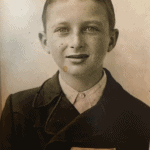
Stephen Wolkowitz just after the liberation.
“Very early each morning after a 6am roll-call, we would assemble outside the barracks, often standing for over an hour in thin clothing in the dark and often freezing cold. We were herded into cold showers.
Before the men were taken away to work we were given one small piece of dark bread (equivalent to half a slice) with a tiny smear of red jam on it. We were also given hot, black chicory coffee with no sugar … When the men in my hut departed for work, I was left behind alone in the barracks. I did nothing all day. There was nothing to do.
The men worked a six-day week. The work was hard labouring, outdoors, usually in the fields. I heard that they were also required to lift steel railway lines. I am still amazed that despite their meagre diet and virtual starvation, the men were able to do so. But they knew the alternative. A verbal threat from a guard was enough.”
Stephen Wolkowicz, Missing Childhood (2014).
Wolkowicz was 12 years old when he was held in the camp.
Dissolution & Liberation
Plans for evacuation of the camp were drawn up in late 1944. There were about 50,000 prisoners the majority of whom were Jewish in Stutthof in early 1945. In January the camp’s subcamps were all shut down and a series of death marches began in freezing conditions.
Some 5,000 people were marched to the Baltic Sea were they were forced into the water and shot. Another 4,000 prisoners were evacuated by sea to other camps further west. A large death march in the direction of Lauenburg in eastern Germany was cut off by Soviet forces and the prisoners were forced to return to Stutthof. Historians believe that over 25,000 people died in the evacuation.
The camp was liberated by the Red Army on 9 May 1945.
Aftermath
The first trial of Stutthof personnel was held in Gdansk in 1946. Of the one SS sergeant, six female guards and eight kapos charged, five of the kapos were sentenced to death, as were five of the female guards and the SS sergeant. The SS non-commissioned officers in charge of the camp hospital where the lethal injections were administered were tried and convicted in Tübingen in 1964.
The former camp is now a memorial and museum.

 About
About History
 Education
 Quilts
 FIlms
FIlms Photos
 News Media & Events
 Publications
 Donate