
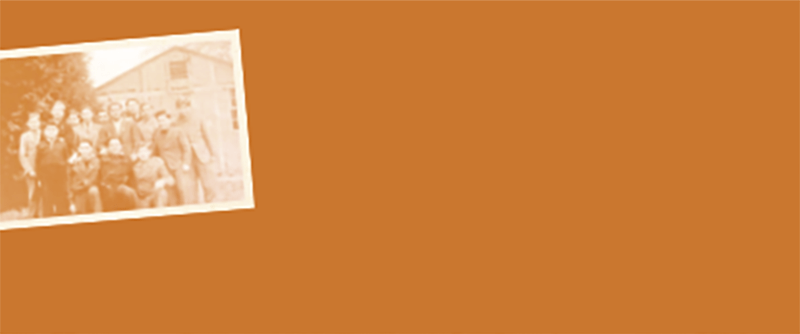
Member of the Boys were taken as slave labours to the Unterlusse labour camp, a subcamp of the Bergen-Belsen concentration camp.
The Bergen-Belsen concentration camp was operated by Nazi Germany.
The Boys were child-Holocaust survivors, who were brought to the UK after the war for rest and rehabilitation.
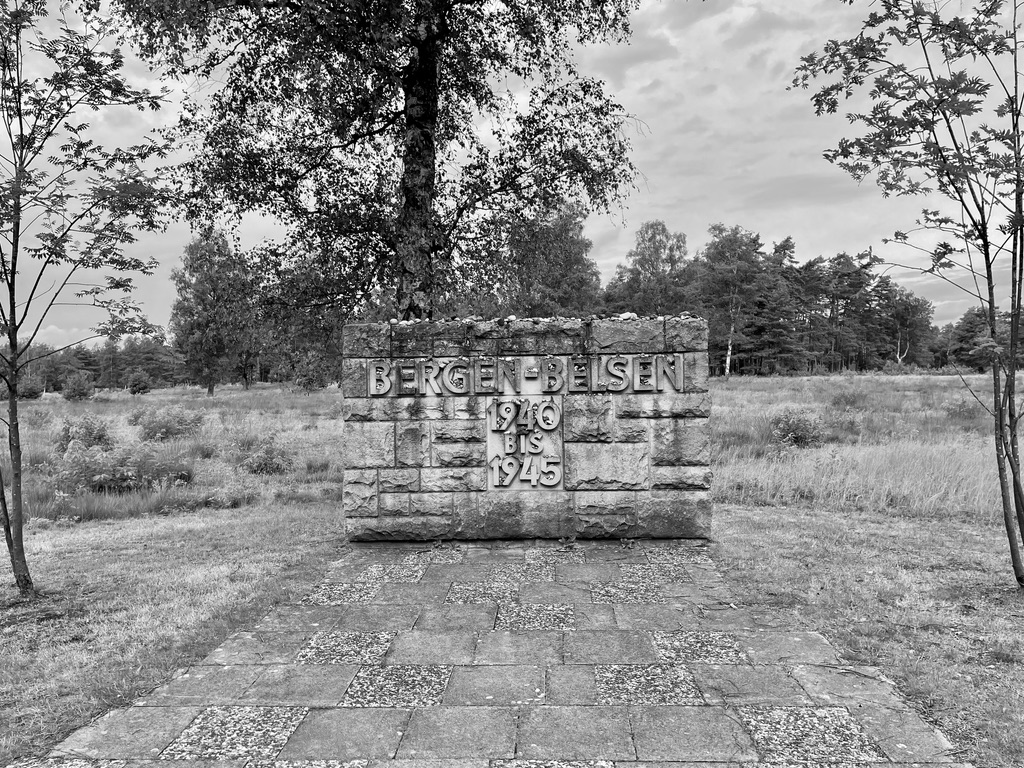
The Unterlusse concentration camp subcamp, which was also called SS or Tannenberg camp, was the third subcamp of the Bergen-Belsen concentration camp, alongside Benefeld and Hambühren.
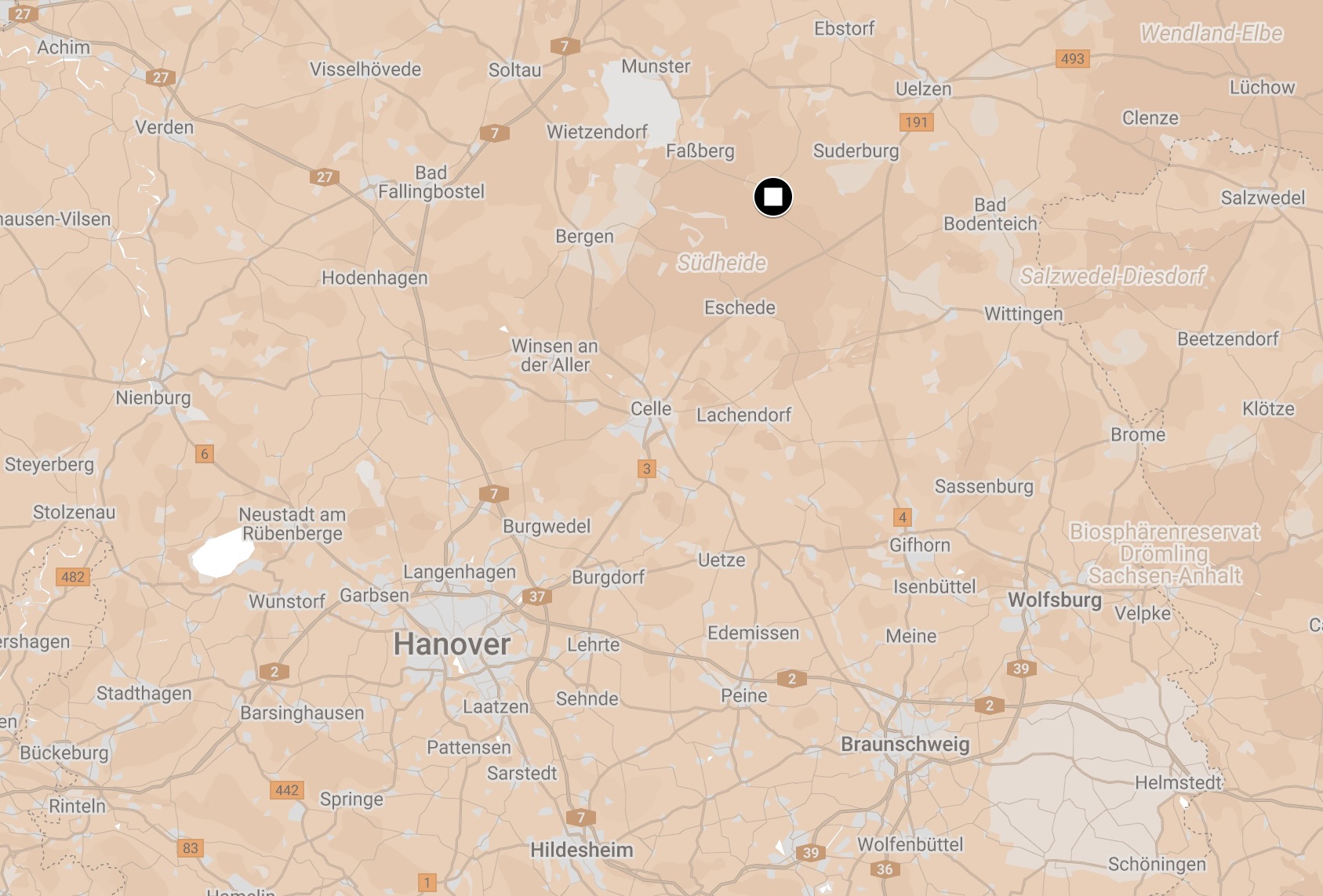
It was located about 4km northwest of the village of Unterlusse, in the Lower Saxony district of Celle.
History
Prisoners were forced to work in munitions production at Rheinmetall-Borsig AG. The camp in Altensothrieth housed Italian prisoners of war until mid-1944. At the end of August 1944, after a transport of 400-800 Jewish women and girls from Auschwitz arrived in Unterlusse. The women were mainly Polish, but there were also women of Hungarian, Yugoslavian, Czech and Romanian nationality among them. In October/November 1944, the number of prisoners in the camp was increased to 900.
Some of the women had to work in the Rheinmetall-Borsig AG munitions factory. Due to a lack of protective measures, they were forced to inhale toxic chemicals
“My mother and I stayed together in Auschwitz for only two weeks. Then the infamous Mengele came for his usual inspection and to single out people. He pulled my mother out, and she was taken to the gas chambers. I begged to go with her. He said, ‘your turn will come’.
In the Fall, I was with several hundred women. We were told that we were going to a work camp. We were all undressed for inspection and issued striped uniforms. They pulled me out and I was placed into an isolated area to be sent to the crematorium. When the Call Apel was over, most of the girls went into a train and they shouted to me to crawl out of the isolated area. They insisted that I could do it and somehow I managed to crawl onto the train. The train did not move. There was another Call Apel which showed they had an extra person. They threatened that all of us would be shot but everyone kept quiet and the train started to move.
We were sent to the Unterluse Camp. We built our own barracks digging the bunkers in the terrible cold without coats or any warm clothing. We worked in the ammunition factory loading bombs onto trains.”
Structure
Aerial photographs from 1945 show that the camp consisted of at least five large barracks and several smaller buildings. The first camp commander was SS-Hauptsturmführer Friedrich Diercks.
Dissolution
On 11 or 12 April 1945, the camp guards fled from the advancing British troops. The forced labourers were not released, however, but were taken by members of the Volkssturm in trucks to the main camp, Bergen-Belsen concentration camp. There they were finally liberated by British troops on 15 April 1945.
 About
About History
 Education
 Quilts
 FIlms
FIlms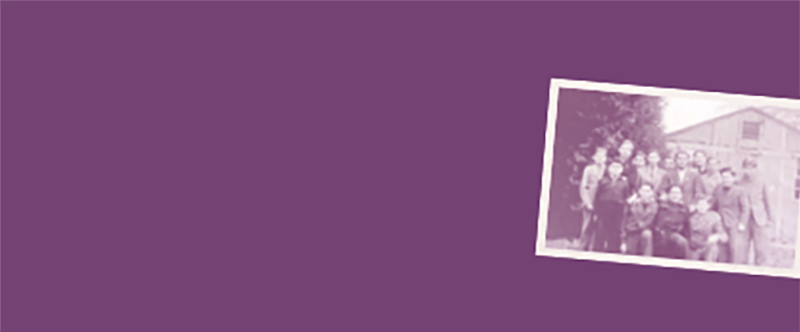 Photos
 News Media & Events
 Publications
 Donate