Members of the Boys were slave labourers in the Warschau-Gęsiówka labour camp, a subcamp of the Majdanek concentration camp in Poland.
Majdanek concentration camp was operated by Nazi Germany. The camp had 11 subcamps.
The Boys were teenage and child-Holocaust survivors, who were brought to the UK after the war for rest and rehabilitation.
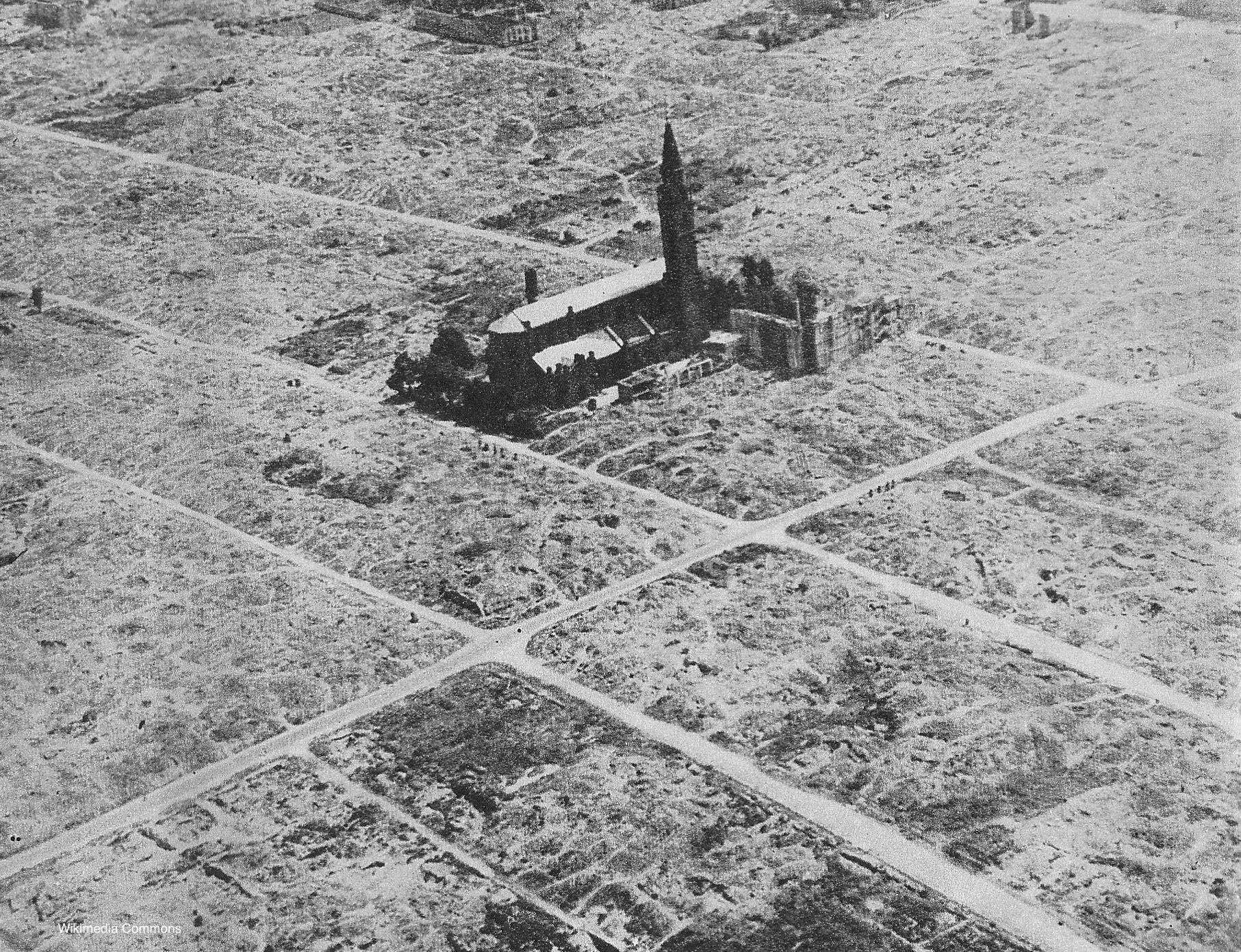
Warsaw Ghetto after the World War II. The surviving church is St Augustine.
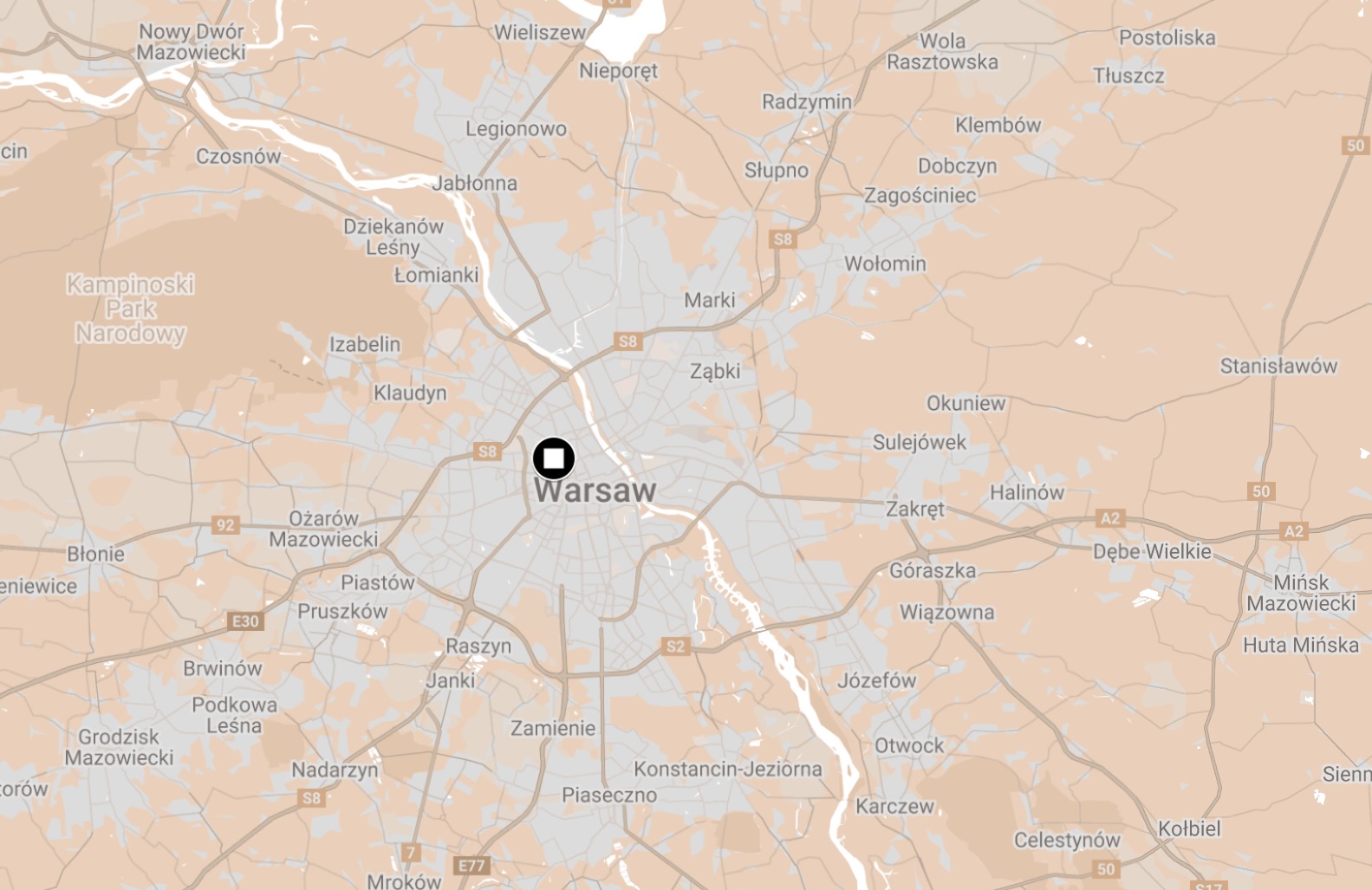
Set up in the summer of 1943, the camp was located in the ruins of the Warsaw Ghetto.
History
After the deportation of the last Jews, the area was razed but prisoners were brought in to salvage any useful building materials especially bricks and scrap metal, from the debris to be used in support of the German war effort
The Germans also wanted to seal all underground hideouts, search for hidden valuables and destroy all evidence of what had taken place. The intention was to turn the area into a park. Four German construction firms: Merckle, Ostdeutscher Tiefbau, Berlinisches Baugesch.ft, and Willy Keymer were contracted to carry out the work with the assistance of the German Eastern Railway, the Ostbahn.
Structure
Prisoners were house in the now non-existent former Gęsiówka ghetto prison on ul. Gęsiówka. The first transport were political and criminal prisoners from the Buchenwald concentration camp.
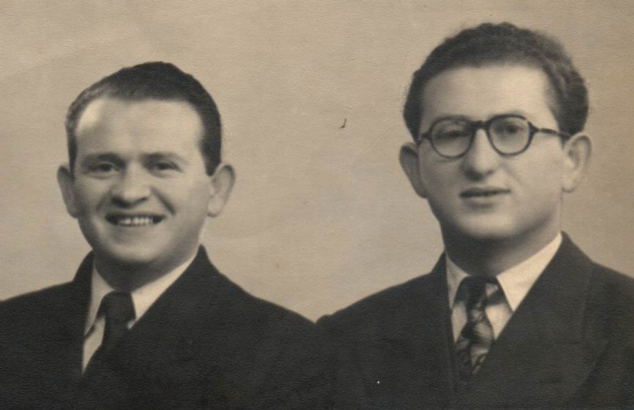
In April 1944, the camp became a subcamp of Majdanek and 3,683 male Jewish prisoners were brought from Auschwitz II-Birkenau in four transports in August, October, and November 1943. After mid-May 1944, transports of an estimated 4,000 to 5,000 Hungarian Jews replenished the inmate population of which about 75% had died. Among them were Josef Grossman, Vili Zelkovic and Hersch Zelkovic. The Germans chose Hungarian, western and Greek Jews deliberately to stop the possibility of them fraternising with Polish civilians employed on the project.
The work they were forced to undertake was relentless, dangerous and back breaking. Prisoners frequently fell from the heights of ramshackle buildings earmarked for demolition. The bricks were heavy, especially for men suffering from fatigue, malnutrition, and disease. Hundreds of the prisoners died from sheer exhaustion, starvation, mistreatment, and execution. To make matters worse there was a serious typhus epidemic in the winter of 1944.
Dissolution & Liberation
On 28 July 1944, the camp was evacuated and approximately 4,500 of the remaining 5,000 prisoners were forced on a three-day death march. Among them were Josef Grossman, Vili Zelkovic and Hersch Zelkovic. Their destination was Kutno, approximately 120km from Warsaw.
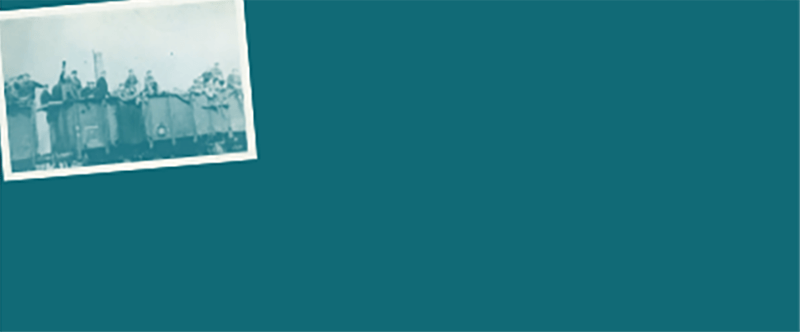
The Germans shot anyone who could not keep up. There was no food and no water. Marching in the heat of summer meant the prisoners were tormented by thirst. The surviving prisoners were transported on freight cars from Kutno to the Dachau subcamp of Kaufering. Less than 2,000 inmates reached Dachau on 9 August 1944, 750km away. One hundred men were crammed in each car and there were no provisions.
Before evacuation, the Germans killed about two hundred of the most debilitated prisoners. Approximately 300 prisoners decided to take their chances and volunteered upon request of the camp’s authorities to remain after evacuation to complete the dismantlement of the camp. They were liberated during the Warsaw Uprising and the majority volunteered to fight the Germans. Some of the volunteers were murdered by Poles
Aftermath
Following the war, several former SS personnel were brought to trial, primarily in Poland. A number of guards and camp officials were convicted and sentenced to death
 About
About History
 Education
 Quilts
 FIlms
FIlms Photos
 News Media & Events
 Publications
 Donate