The Central British Fund (CBF) put together a large team of people to look after the Boys.
The Boys were teenage and child-Holocaust survivors, who were brought to the UK after the war for rest and rehabilitation.
The British government offered 1,000 visas to bring the Boys to the UK but the caveat was that the CBF were responsible for their care and would pay all the expenses.
Rabbi Dr. Theodor Weisz (1908-1987) was born in Emden, Lower Saxony, Germany. He studied at the universities in Berlin and Bonn, where he gained his Ph.D. He then studied also at the Hildesheimer Rabbinical Seminary in Berlin and was awarded semicha. He later at the famous Mir Yeshiva, then in Poland.
He worked as a rabbi at Altona and Schleswig Holstein in northern Germany until late 1938. He was twice imprisoned in concentration camps before on release he received a permit to leave for Britain.On arrival in the UK he spent two years in an internment camp on the Isle of Man where he acted as camp rabbi.
Weisz then served the Blackburn Hebrew Congregation, Lancashire, for two years (1941-1943), presenting the congregation with a sefer torah and other items from his former synagogue in Schleswig Holstein. He was also Liaison Officer for Clitheroe, Accrington, and other North Lancashire districts on behalf of the Joint Emergency Committee.
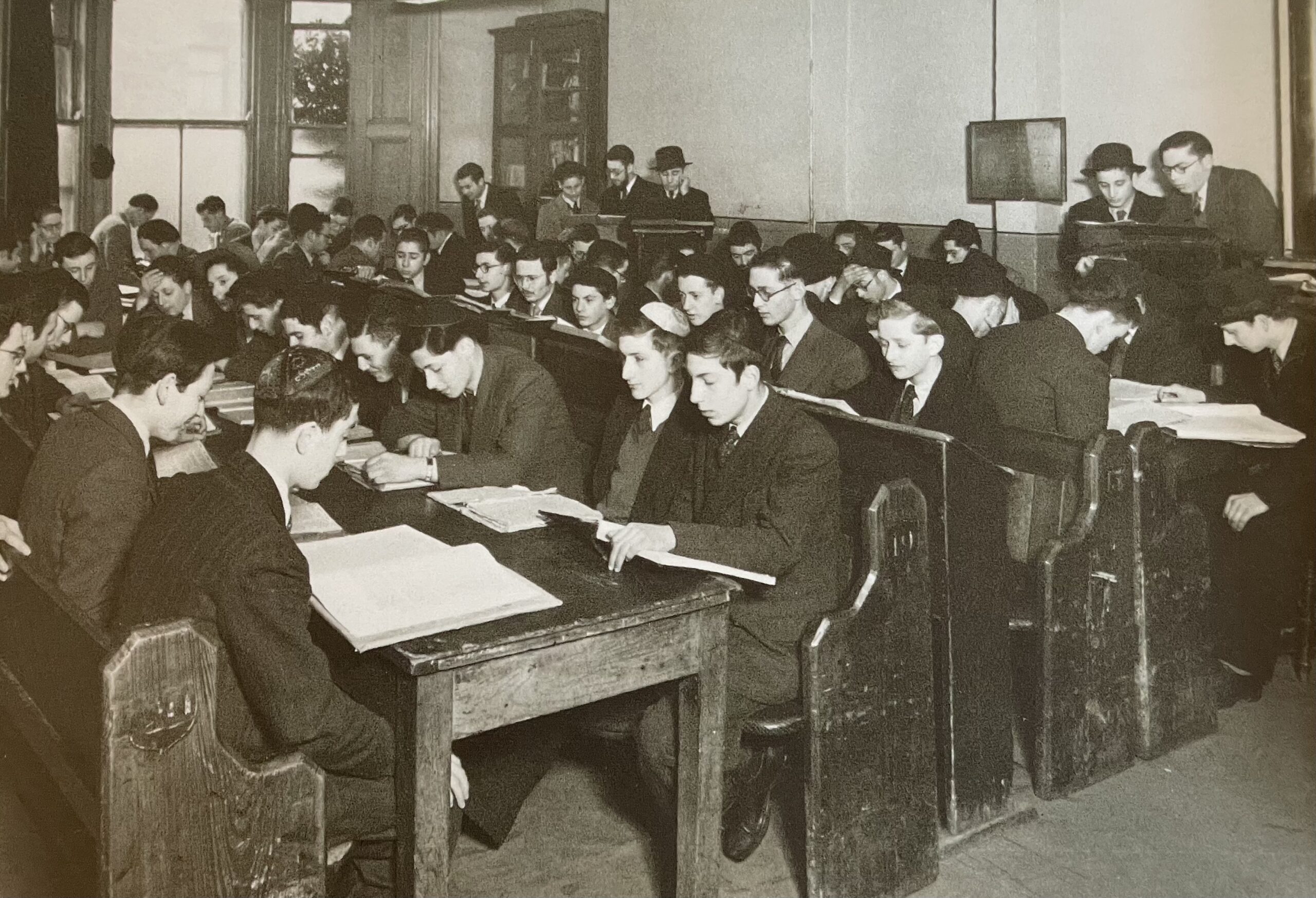
He taught at the Higher Rabbinical College in Gateshead. While at Gateshead he was sent to the Windermere reception centre to help care for the first group of the Boys. He was much loved and is remembered as a rabbi who played football. While in Windermere, he was instrumental in recruiting a number of Boys to study in Gateshead.
In 1947, he became rabbi of the Israelitische Religionsgesellschaft congregation, Zurich, Switzerland. He died in Zurich in 1987.
 About
About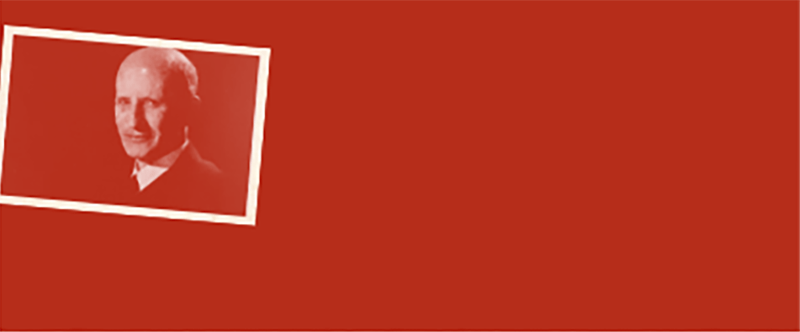 History
 Education
 Quilts
 FIlms
FIlms Photos
 News Media & Events
 Publications
 Donate