
Members of the Boys were held in Nazi labour and concentration camps and used as slave labourers.
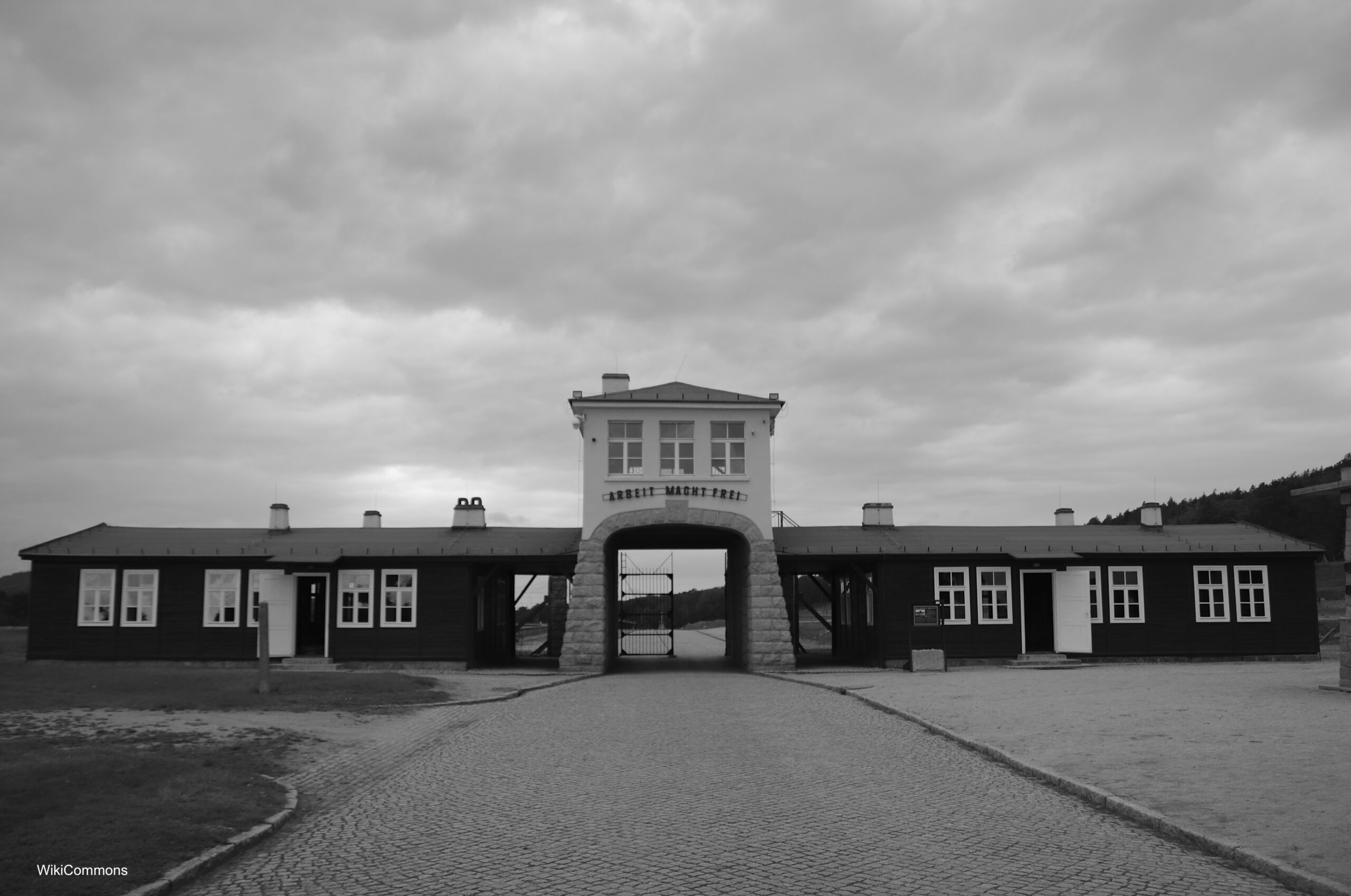
From 1933-1945 Nazi Germany operated over 1,000 concentration camps and subcamps in its own territory and across German occupied Europe. Among them was the Blechhammer subcamp of the Auschwitz concentration camp complex.
As the camps were dissolved thousands of people among them members of the Boys endured horrific evacuations from the camps on foot, in freight wagons and open top trains, as well as perilous journeys across the Baltic Sea.
The Boys were teenage and child-Holocaust survivors, who were brought to the UK after the war for rest and rehabilitation.
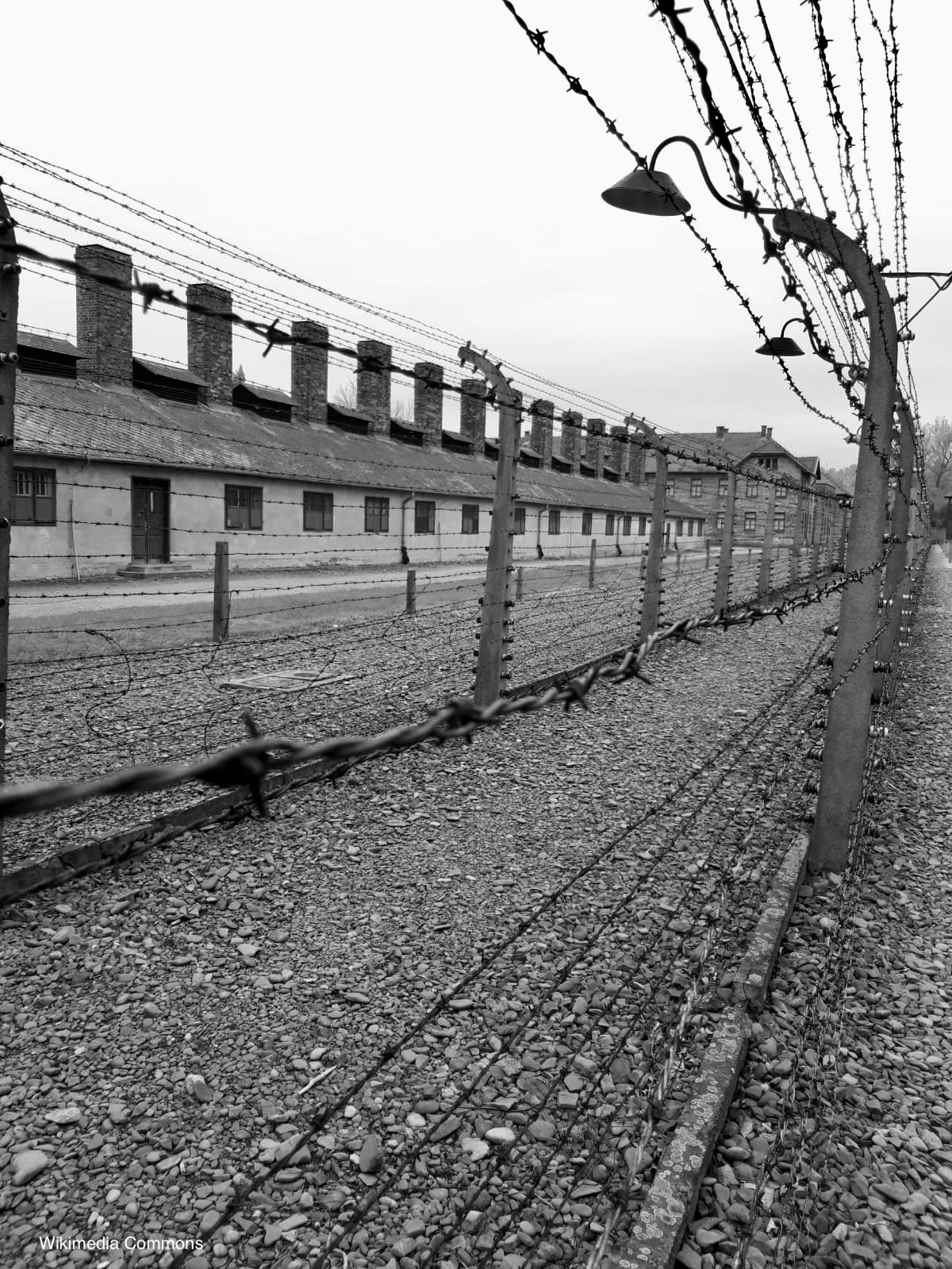
The former Auschwitz concentration camp.
Today, Blechhammer is the Polish village of Blachownia Ślaska.
The camp was evacuated on 21 January 1945 as the Red Army approached. The 3,959 male prisoners and 157 female prisoners already in the camp were issued with 800 grams of bread, a small portion of margarine, and artificial honey for the march. No more food was handed out until the prisoners arrived at Gross Rosen on 2 February. The march was led by the commandant SS-Obersturmführer Kurt Klipp.
About 6,000 prisoners on death marches from Gliewitz and Neu-Dachs-Jaworzno passed through the camp among them Gerson Frydman and Issy Hahn.
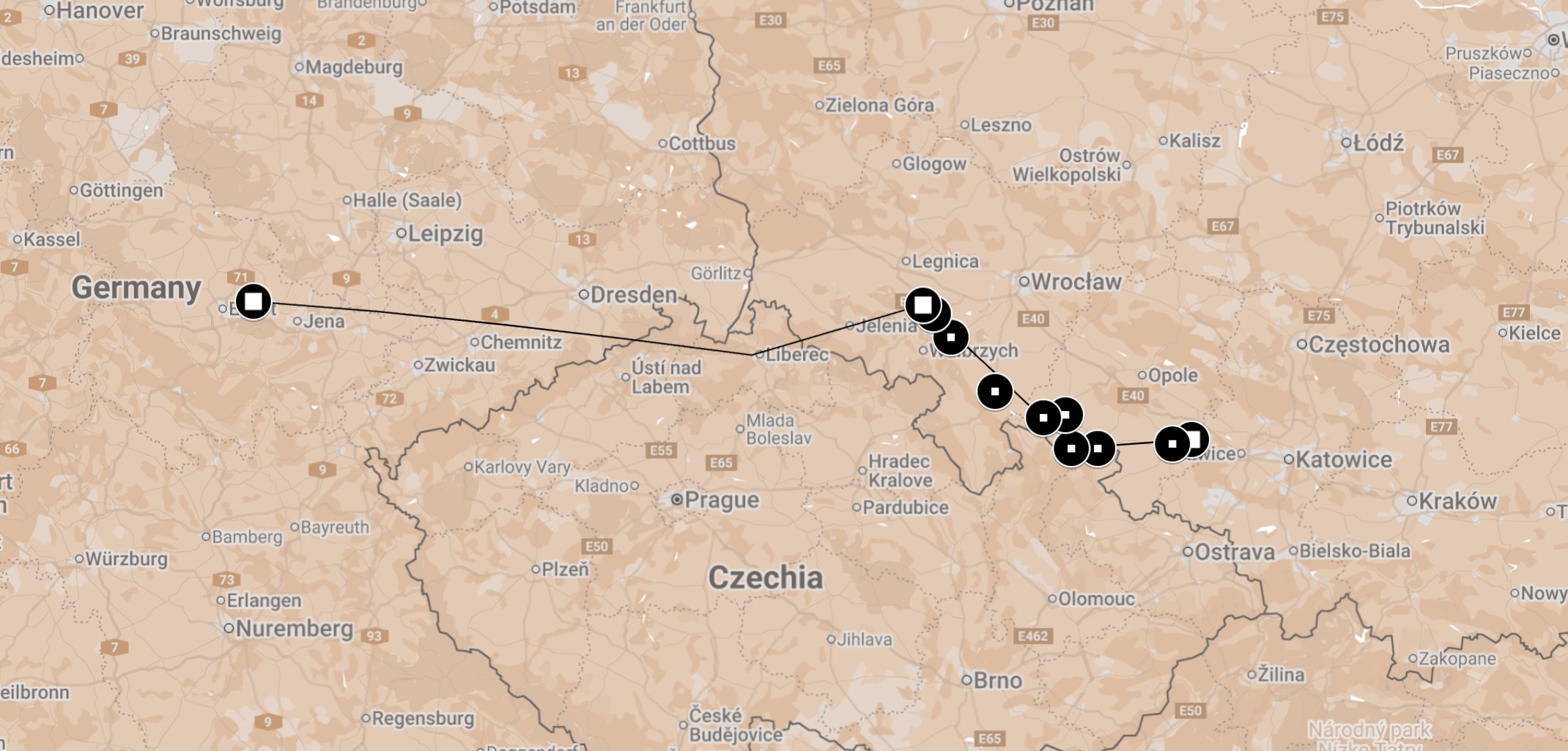
Route
The prisoners walked from Blechhammer through Kosel (Koźle) – Neustadt (Prudnik) – Glucholazy – Neisse (Nysa) – Otmuchow (Otmuchów) – Zabkowice Slaskie – Schweidnitz (Świdnica) and Strzegom.
Approximately 800 of them who were unable to walk or tried to flee were shot.
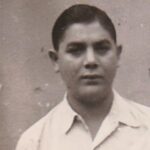
Felix Berger, 1946
“The bodies were piled high on horse-drawn farm carts which brought up the rear. We walked through forests, along roads, across fields, all covered in snow … Every now and again we had a special treat: a fast-moving convoy of the retreating German army would force us into a ditch. When leaping into a ditch, one hoped fervently that it was frozen all the way to the bottom and did not contain liquid or mud. But for us, the indignity and discomfort was well worth the spectacle of seeing the frozen, exhausted, dejected, ashen-faced soldiers, their limbs swathed in bloody bandages, of that beaten army as they swept past us on their gun chariots. In our situation, and remembering the atrocities they had perpetrated it would have taken a heart of stone not to be filled with joy at the sight.”
Felix Weinberg, Boy 30529: A Memoir (Verso, 2013).
Weinberg was 16 years old when he endured the death march.
The prisoners remained in Gross-Rosen for five days before being taken on 6/7 February by train to the Buchenwald concentration camp. On the way the train was attacked several times by Allied Fighter Planes, which caused many deaths.
Shortly before the liberation of Blechhammer by the Red Army, the SS torched, shelled, and tossed grenades into the camp barracks, in which sick prisoners had been left behind.

 About
About History
 Education
 Quilts
 FIlms
FIlms Photos
 News Media & Events
 Publications
 Donate