
Members of the Boys were held in Nazi labour and concentration camps and used as slave labourers.
From 1933-1945 Nazi Germany operated over 1,000 concentration camps and subcamps in its own territory and across German occupied Europe. Among them was the Boizenburg concentration camp.
As the camps were dissolved thousands of people among them members of the Boys endured horrific evacuations from the camps on foot, in freight wagons and open top trains, as well as perilous journey across the Baltic Sea.
The Boys were teenage and child-Holocaust survivors, who were brought to the UK after the war for rest and rehabilitation.
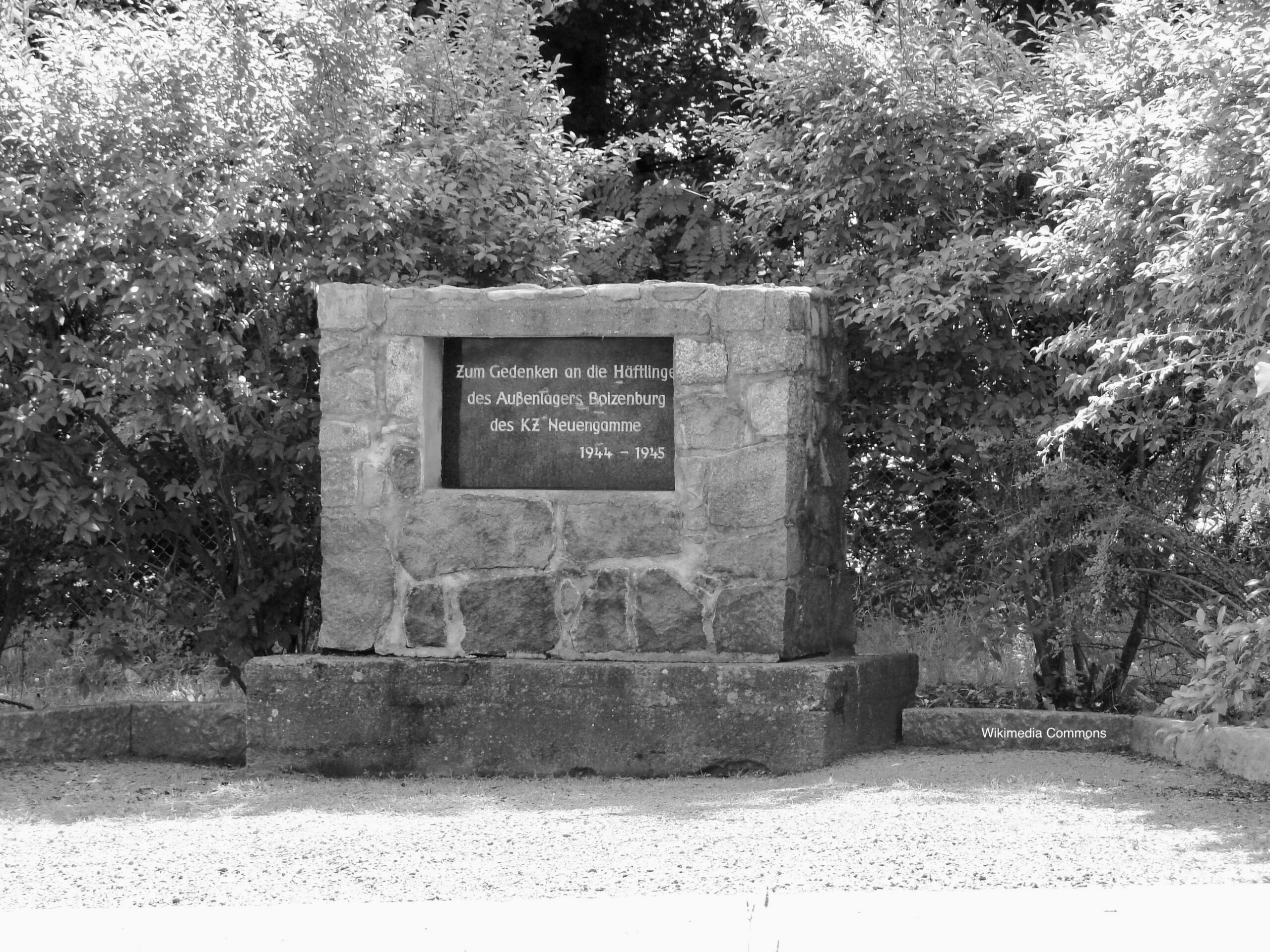
Memorial at the former Boizenburg concentration camp.
On 8 March 1945, there were 399 female inmates in the camp.
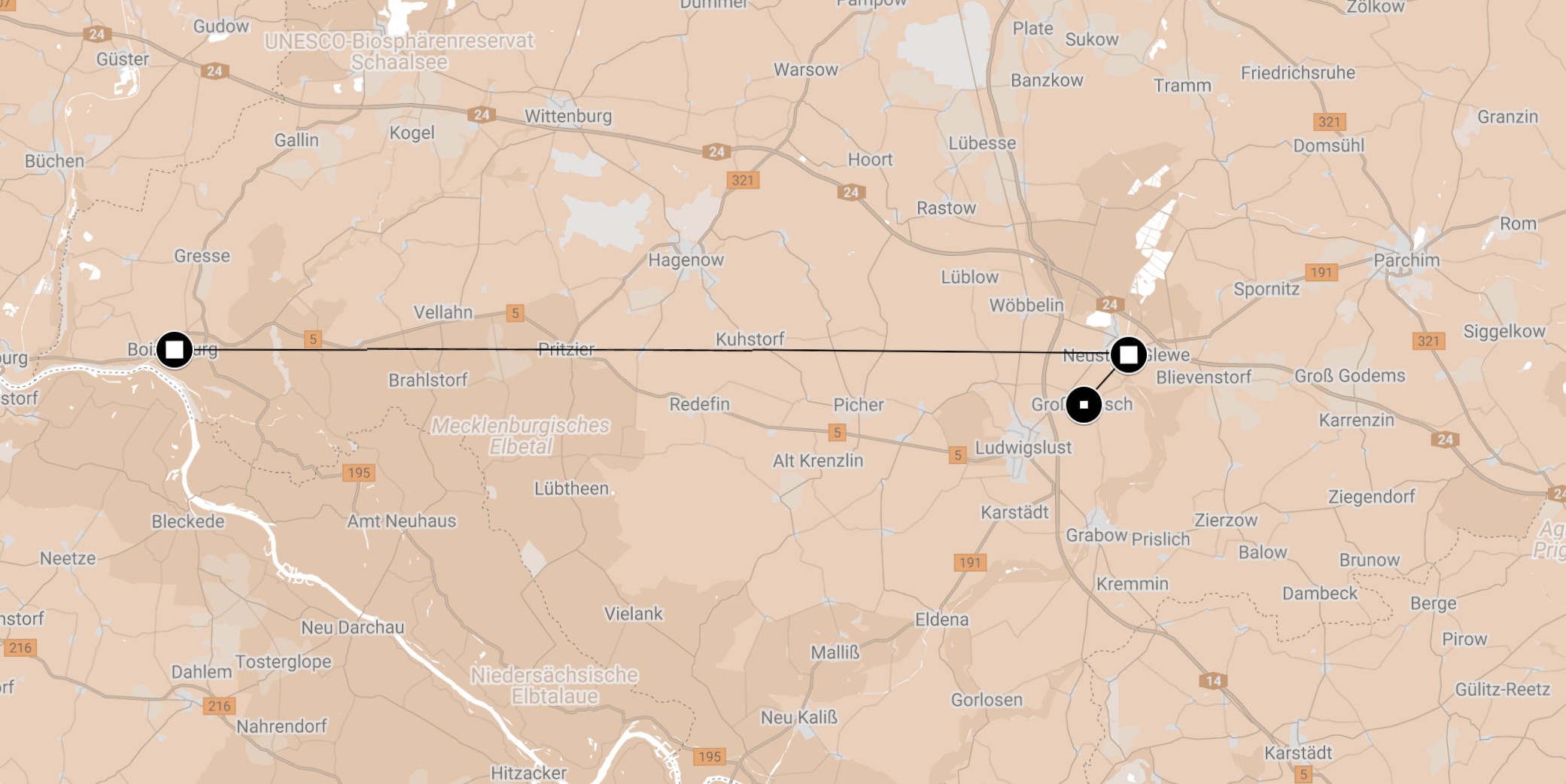
The SS evacuated the camp in the early morning hours of 28 April 1945. The SS drove the women towards the Neustadt-Glewe subcamp, a subcamp of Ravensbrück concentration camp. However, they were denied entry there for fear of an outbreak of typhus.
The women then had to continue walking towards the Wöbbelin concentration camp.
A unit of the 82nd US Airborne Division liberated them on 2 May 1945 near Gross Laasch.

 About
About History
 Education
 Quilts
 FIlms
FIlms Photos
 News Media & Events
 Publications
 Donate