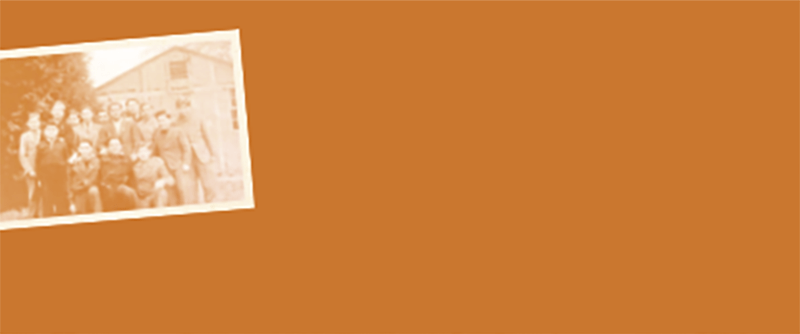
Members of the Boys were held in Nazi labour and concentration camps and used as slave labourers.
From 1933-1945 Nazi Germany operated over 1,000 concentration camps and subcamps in its own territory and across German occupied Europe. Among them was the Bolkenhain subcamp of the Gross Rosen concentration camp.
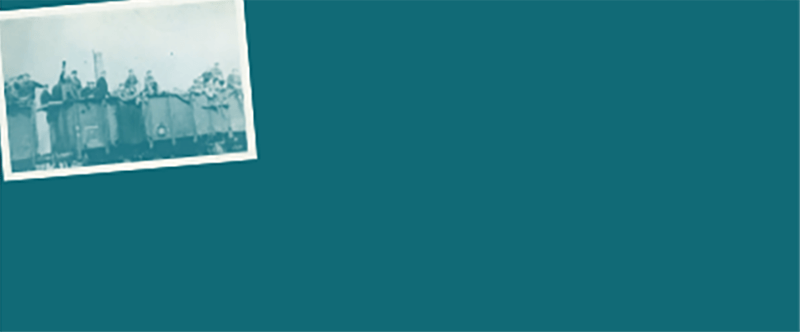
As the camps were dissolved thousands of people, among them members of the Boys, endured horrific evacuations from the camps on foot, in freight wagons and open top trains, as well as perilous journeys across the Baltic Sea.
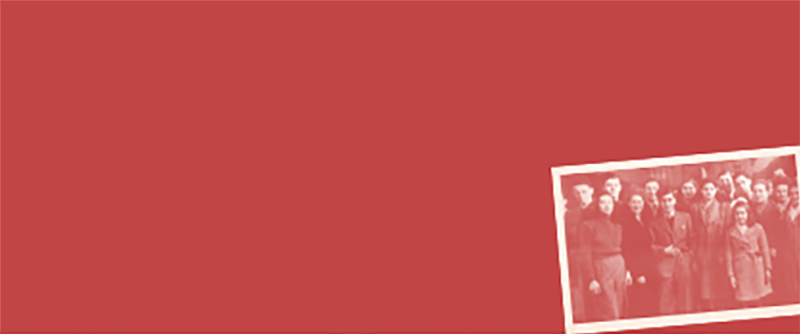
The Boys were teenage and child-Holocaust survivors, who were brought to the UK after the war for rest and rehabilitation.
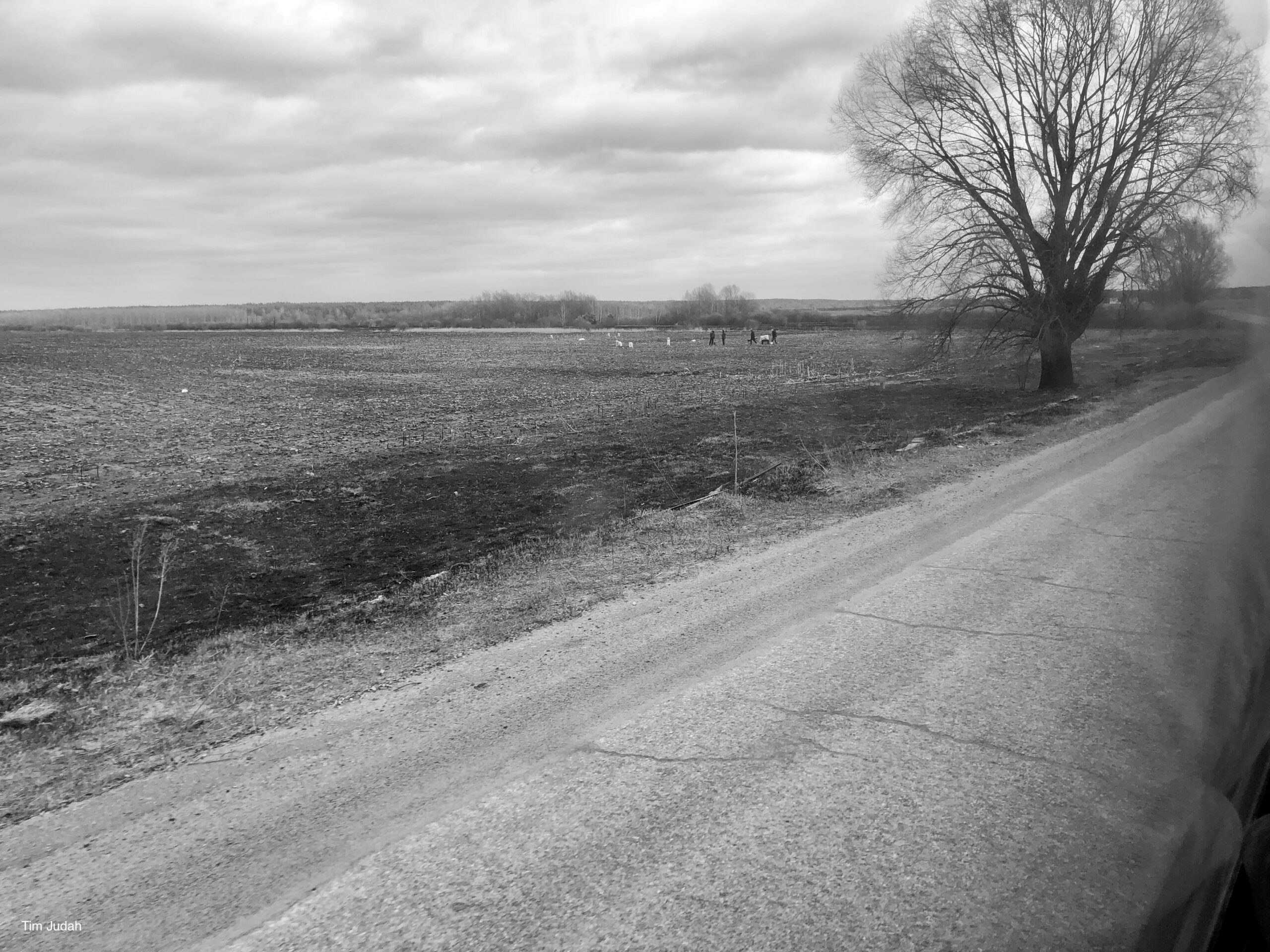
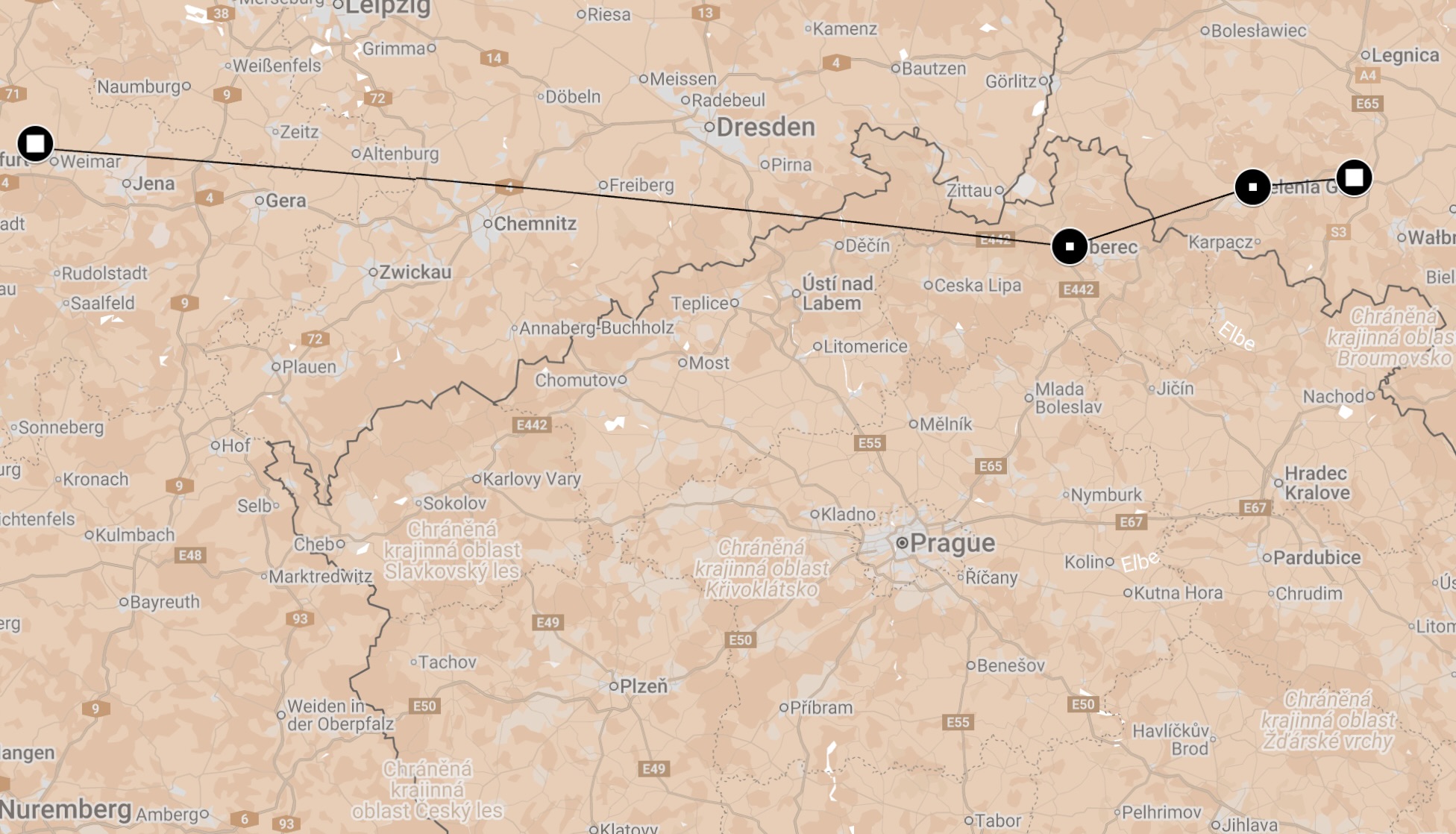
The camp was used until mid-February 1945, at which time about 500 healthy prisoners were evacuated to the Hirschburg camp.
The sick were killed by lethal injection.
After two weeks in Hirschburg, the prisoners were forced to take part in a death march to the train station in Liberec, now in Czechia. From there they were deported to Buchenwald concentration camp on a death train
“Many people tried to run away but they were always found and shot. One night, after two weeks of marching, we stopped at a farm and were directed into the barns. I stumbled in, almost carrying my companion. I felt I couldn’t go on any longer, I was so weak, my hands and feet were still raw from the torture I had endured at Bolkenhain and my leg was throbbing with pain. Blood was seeping through relentlessly from my wound, and congealing in frozen lumps on the rags I was using as bandages. These bandages were constantly falling down as of course I did not have the right materials, and so during the march I had to keep holding up the bandages as well as carrying my companion”
Josef Perl with Arthur C Benjamin, Faces in the Smoke: The story of Josef Perl (1998).
 About
About History
 Education
 Quilts
 FIlms
FIlms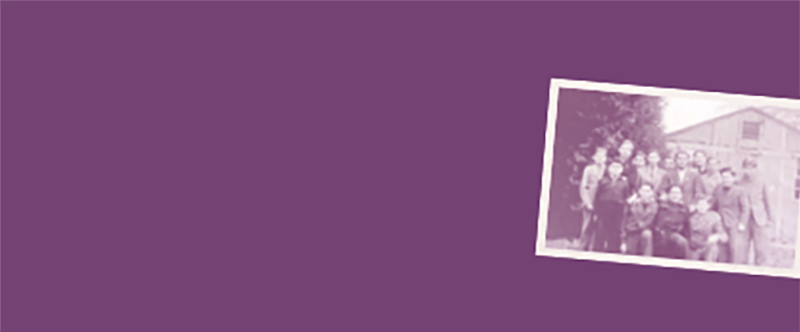 Photos
 News Media & Events
 Publications
 Donate