
Members of the Boys were held in Nazi labour and concentration camps and used as slave labourers.
From 1933-1945 Nazi Germany operated over 1,000 concentration camps and subcamps in its own territory and across German occupied Europe. Among them was the Günthergrube subcamp of the Auschwitz concentration camp complex.
As the camps were dissolved thousands of people among them members of the Boys endured horrific evacuations from the camps on foot, in freight wagons and open top trains, as well as perilous journeys across the Baltic Sea.
The Boys were teenage and child-Holocaust survivors, who were brought to the UK after the war for rest and rehabilitation.
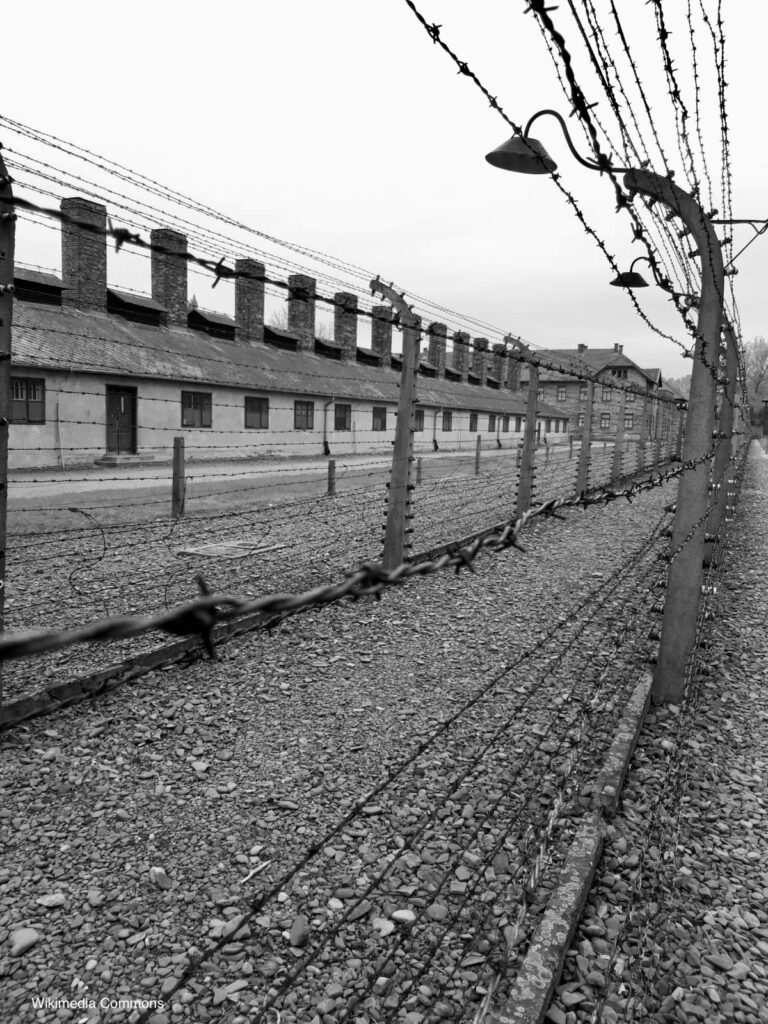
The camp was located next to the Günther coal mine, which belonged to Fürstlich Plessische Bergwerks AG, in Lędziny.
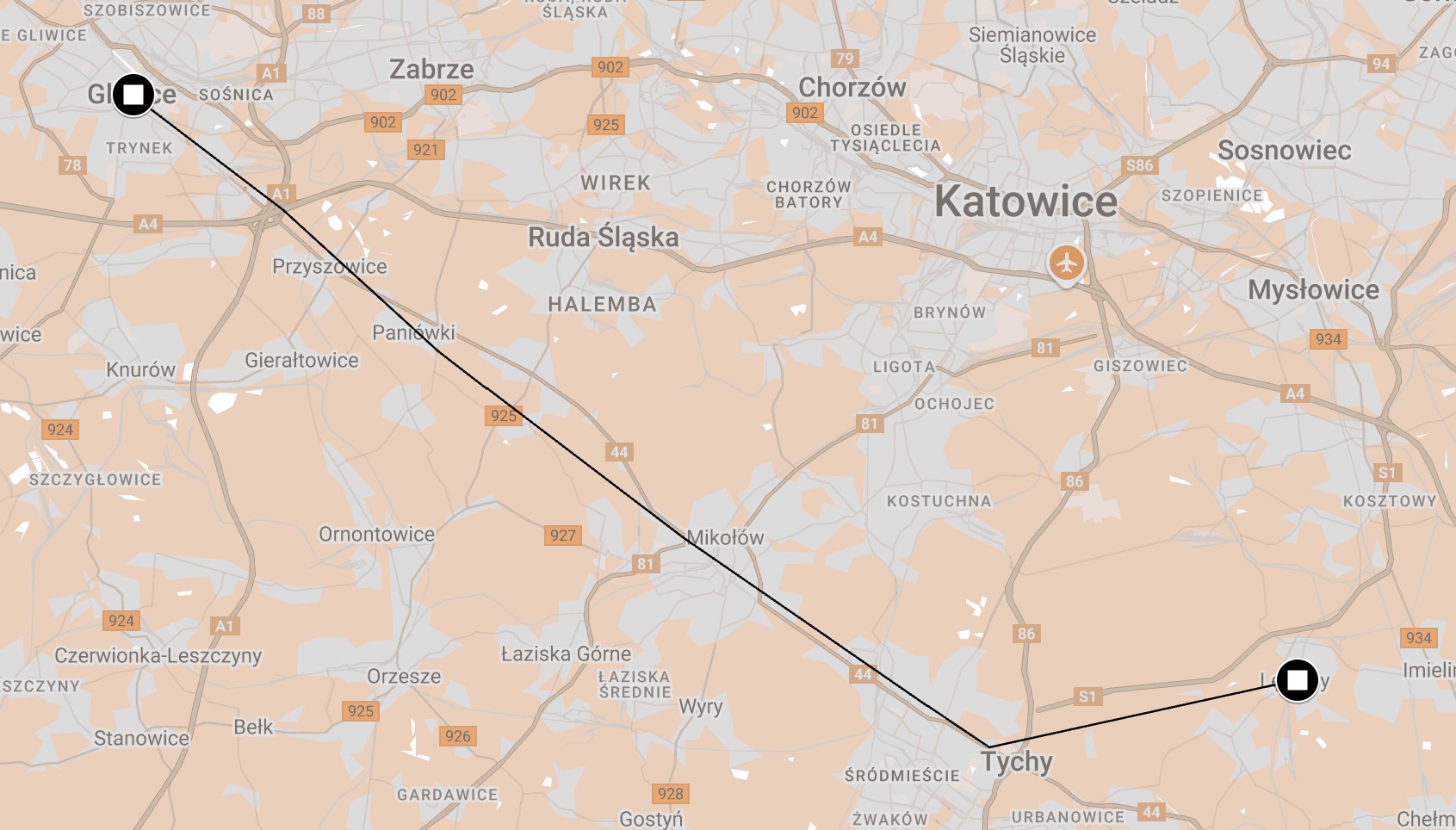
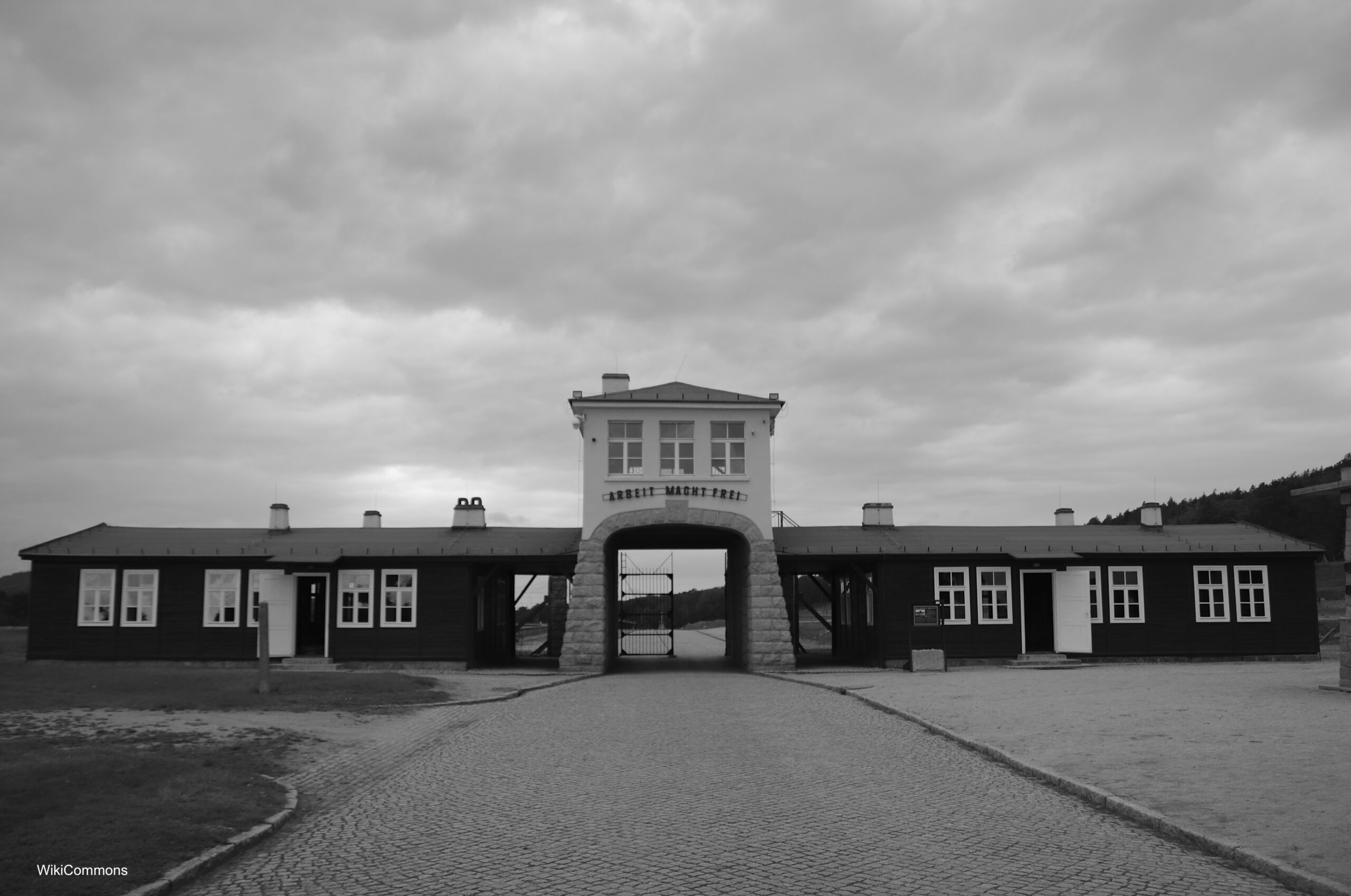
On 18 January 1945, about were evacuated on foot to Gleiwitz, another Auschwitz subcamp. They arrived there two days later.

Mordechai Topel in Kloster Indersdorf, Germany in 1945.
The fateful announcement, however, came at six in the evening: everybody must be ready to leave the camp later that night. All illusion of freedom vanished; all were gripped by fear. Even those to whom the daily portion of bread had become more important than life itself were suddenly aware of hammering hearts and felt, along with the rest of us, that the end had come.
Supplied only with the next day’s ration, about 12 ounces of bread, we gathered in front of the barracks for final instructions before departure. At 10pm sharp, a column of shadows, more than three thousand, left the camp.
A blizzard of snow and hail accompanied us on the first few miles of our journey, and the mounting snow made walking more difficult with each mile. Some of the more daring tried to escape, and did, jumping into the ditches on either side of the road and burying themselves in the deep snow. Others were not so lucky. Bullets from the guards’ rifles struck them down before the white snow could cover their dark tattered garments.
I had been carrying the suitcase of one of the S.S. officers with the help of a friend on my right. Apparently in appreciation, the devil suggested that I could hand over the suitcase to the next fellow and escape. Being a little suspicious and not yet prepared to depart this life, I declined the generous offer, but my friend accepted it eagerly. The officer kept his word and let the man jump into the ditch unharmed. The next one to try it, however, a close friend of mine from childhood, barely had time to fling himself into the ditch before the very same man, who only minutes earlier had offered me freedom, made him the target of three bullets from his gun.
Over five hundred people were either shot or disappeared during that first night. Of those who managed to escape unharmed, only a few survived. Most of them either froze to death or died from hunger in those last hours as they awaited freedom.”

 About
About History
 Education
 Quilts
 FIlms
FIlms Photos
 News Media & Events
 Publications
 Donate