
Members of the Boys were held in Nazi labour and concentration camps and used as slave labourers.
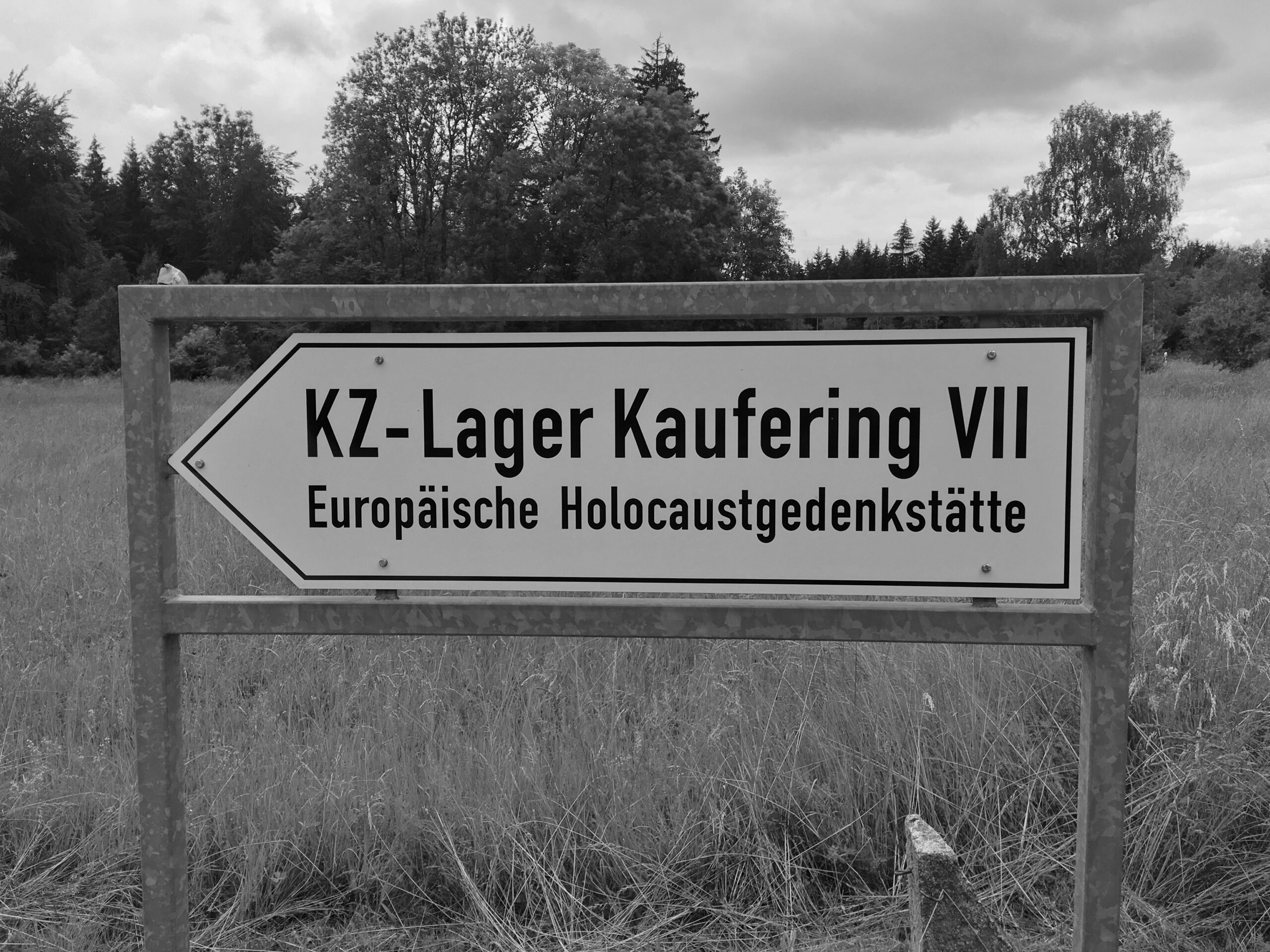
From 1933-1945 Nazi Germany operated over 1,000 concentration camps and subcamps in its own territory and across German occupied Europe. Among them was the Kaufering subcamp of the Dachau concentration camp.
As the camps were dissolved thousands of people among them members of the Boys endured horrific evacuations from the camps on foot, in freight wagons and open top trains, as well as perilous journey across the Baltic Sea.
The Boys were teenage and child-Holocaust survivors, who were brought to the UK after the war for rest and rehabilitation.
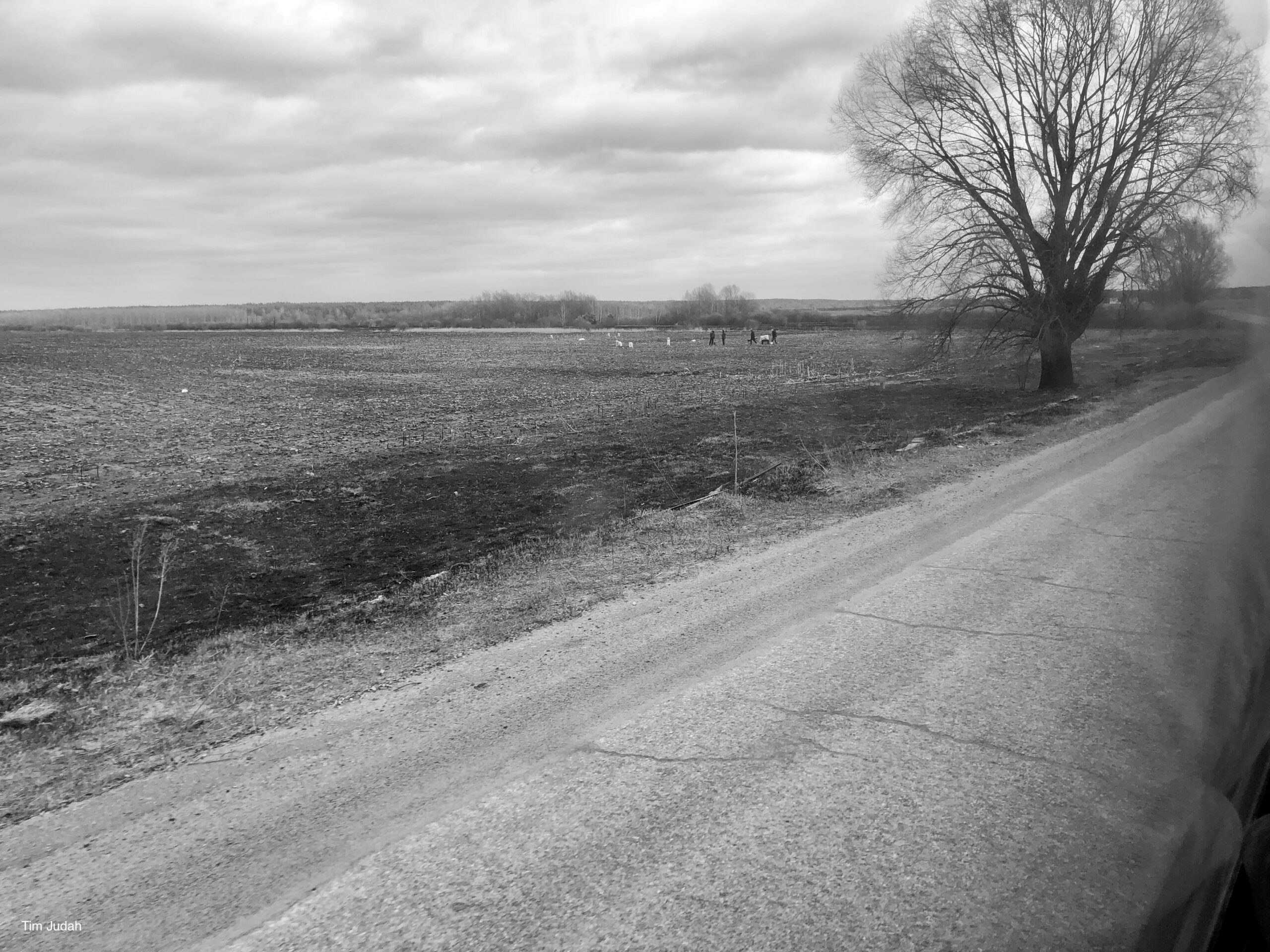
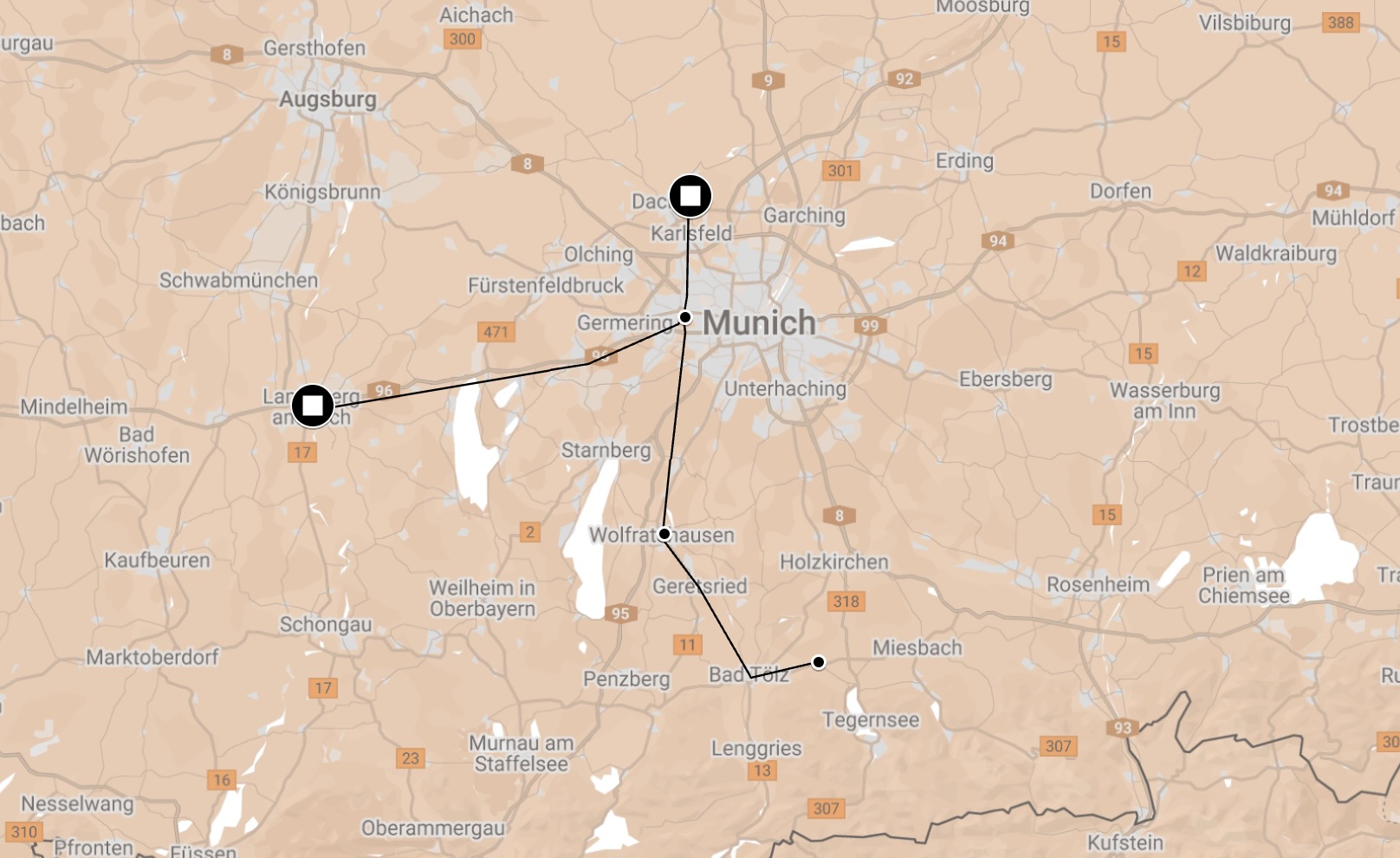
As the war drew to a close, the Germans intended to murder all the Jewish prisoners at Kaufering and Mühldorf, in a plan code named Aktion Wolkenbrand – Action Fire Cloud. The plan was abandoned and 12,000 mostly Jewish prisoners were evacuated from the Kaufering camp complex in a series of death marches and death trains between 23-27 April 1945.
Ivor Perl, and his brother Abraham from Makó in Hungary set out on the march:
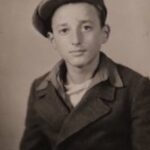
Ivor Perl in 1945 after the liberation.
“By now, we saw many Allied planes overhead and heard a lot of artillery shells exploding in the distance. We too no notice of the shells as we could barely stand upright from weakness. After seven days of marching, we arrived outside a huge camp and were told we had reached our destination, but we would have to wait in the field outside until all the paperwork was ready. We waited for a day and a half before we were allowed in. The camp was the infamous concentration camp, Dachau.
The reason we had to wait outside was that the SS general in charge of our last camp was told to take us to the mountains and liquidate us all, but he was afraid that, as the war was being lost, he would be charged as a war criminal and executed. But the commandant of Dachau did not want to take us in, saying he did not have room for 100 people, let alone the horde waiting outside … after one-and-a-half days of negation, it was agreed we could enter the camp on the condition we stayed on the parade ground, in the open, as there was no room in the barracks.”
The marches headed for Munich-Pasing, the Dachau concentration camp and the subcamp of Allach. An unknown number of prisoners had to march further south to Geretsried, Beuerberg or Waakirchen. Others went to the main Dachau camp.
One of the train transports was attacked by American aircraft near Schwabhausen. The survivors were taken to the St Ottilien monastery by one of the survivors a doctor from the former Kovno Ghetto.
The spring was exceptionally cold and the ground was muddy. Anyone who could not keep up was shot. The evacuation was disorderly, and many prisoners escaped. Survivors remember that as they passed though villages and town the locals came out to stare at them Some hurled abuse, some threw stones but occasionally some threw food.

 About
About History
 Education
 Quilts
 FIlms
FIlms Photos
 News Media & Events
 Publications
 Donate