
Members of the Boys were held in Nazi labour and concentration camps and used as slave labourers.
From 1933-1945 Nazi Germany operated over 1,000 concentration camps and subcamps in its own territory and across German occupied Europe. Among them was the Leipzig-Thekla labour camp, a subcamp of the Buchenwald concentration camp in Germany.
As the camps were dissolved thousands of people, among them members of the Boys, endured horrific evacuations from the camps on foot, in freight wagons and open top trains, as well as perilous journeys across the Baltic Sea.
The Boys were teenage and child-Holocaust survivors, who were brought to the UK after the war for rest and rehabilitation.
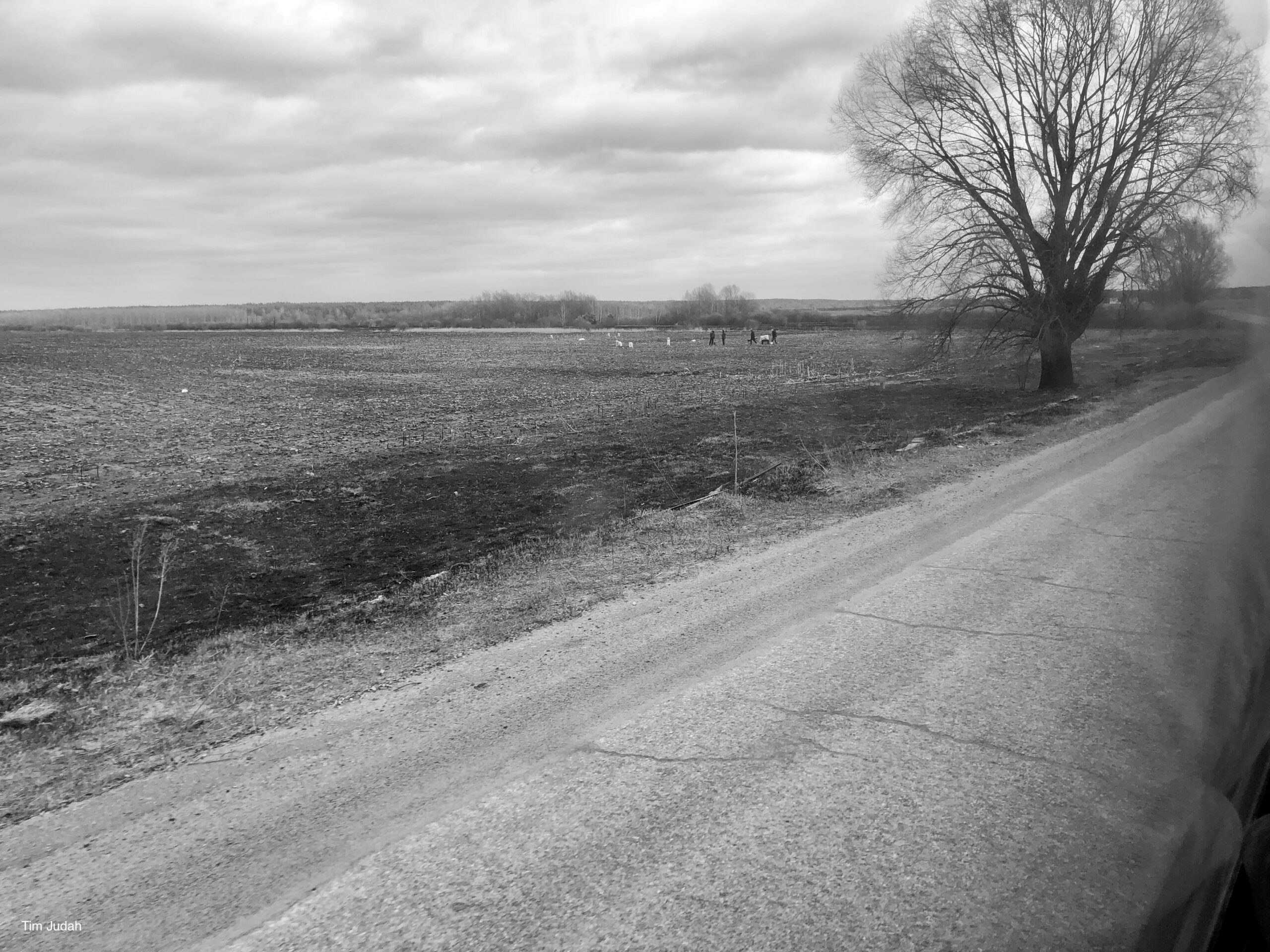
In the spring of 1943, a subcamp of Buchenwald was created 1.6km northeast of Leipzig in the suburb of Thekla to provide labour for the aircraft manufacturer Erla-Werke on Theklär Engelsdorferstrasse.
On 13 April 1945, approximately 1,500 prisoners marched out of the camp. For those members of the Boys who have been on the death marches from Auschwitz just months before the agony was now repeated.
More than 80 prisoners were burnt to death in a barrack building of the Leipzig-Thekla concentration camp, or murdered while trying to escape over the barbed wire perimeter fence on 18 April 1945. The massacre is known as the Abtnaundorf Massacre.
The prisoners on the death march were joined by thousands of other men and women from other Leipzig labour camps. Also on the march were members of the Boys who were in the other camps in Leipzig, including Etelka Noe and Fani Zimlichman who had already endured a death march from the Ravensbrück subcamp of Malchow.
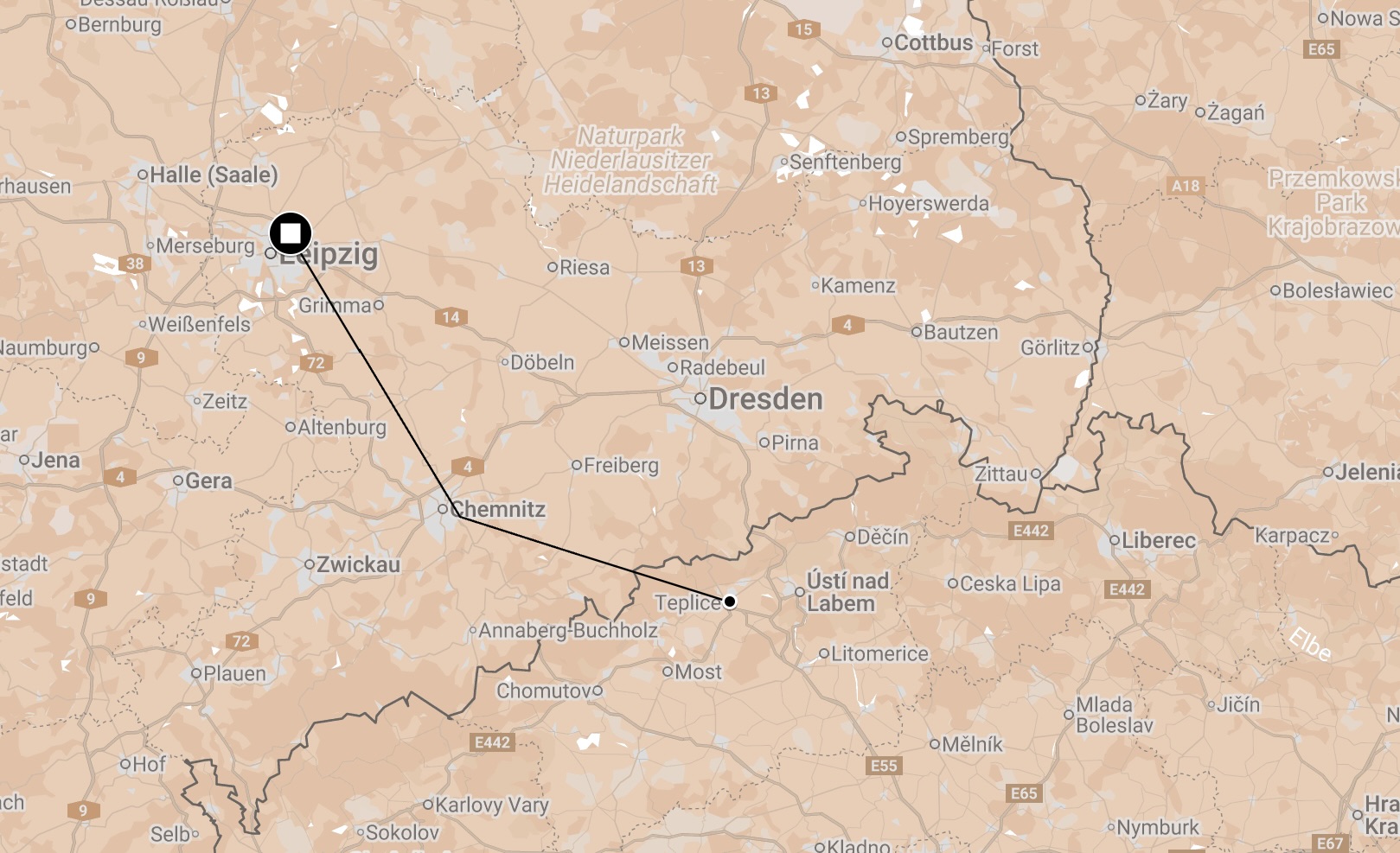
Many died on the 500km march across Saxony. Only around 300 prisoners of the thousands who were forced to go on the march survived and were later liberated by the Red Army in Teplice in Czechoslovakia. Some of the female survivors were raped by Soviet troops.

 About
About History
 Education
 Quilts
 FIlms
FIlms Photos
 News Media & Events
 Publications
 Donate