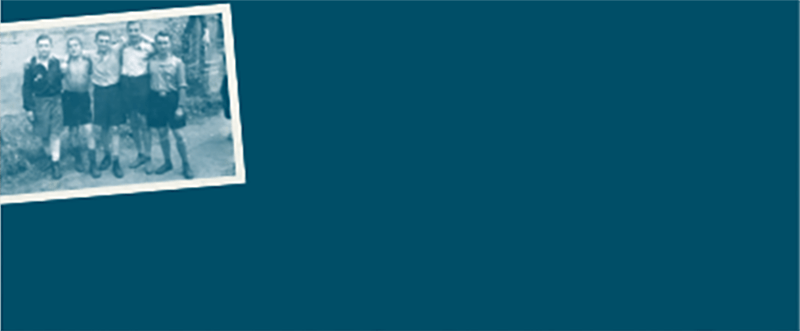
Members of the Boys were held in Nazi labour and concentration camps and used as slave labourers.
From 1933-1945 Nazi Germany operated over 1,000 concentration camps and subcamps in its own territory and across German occupied Europe. Among them was the Malchow subcamp of the Ravensbrück concentration camp.
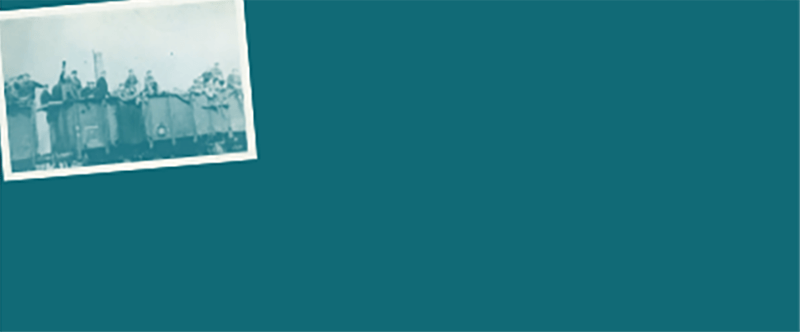
As the camps were dissolved thousands of people, among them members of the Boys, endured horrific evacuations from the camps on foot, in freight wagons and open top trains, as well as perilous journeys across the Baltic Sea.
The Boys were teenage and child-Holocaust survivors, who were brought to the UK after the war for rest and rehabilitation.
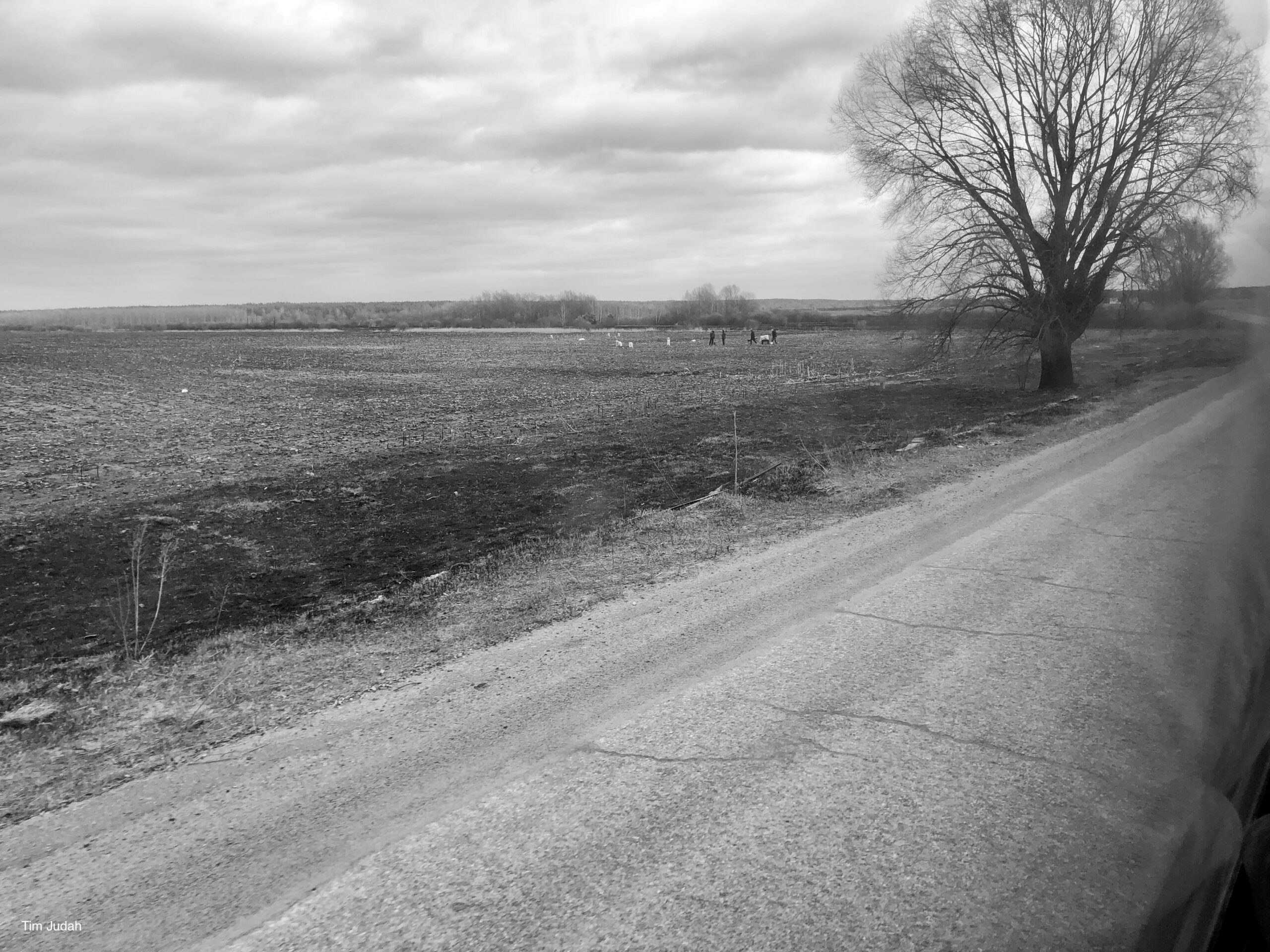
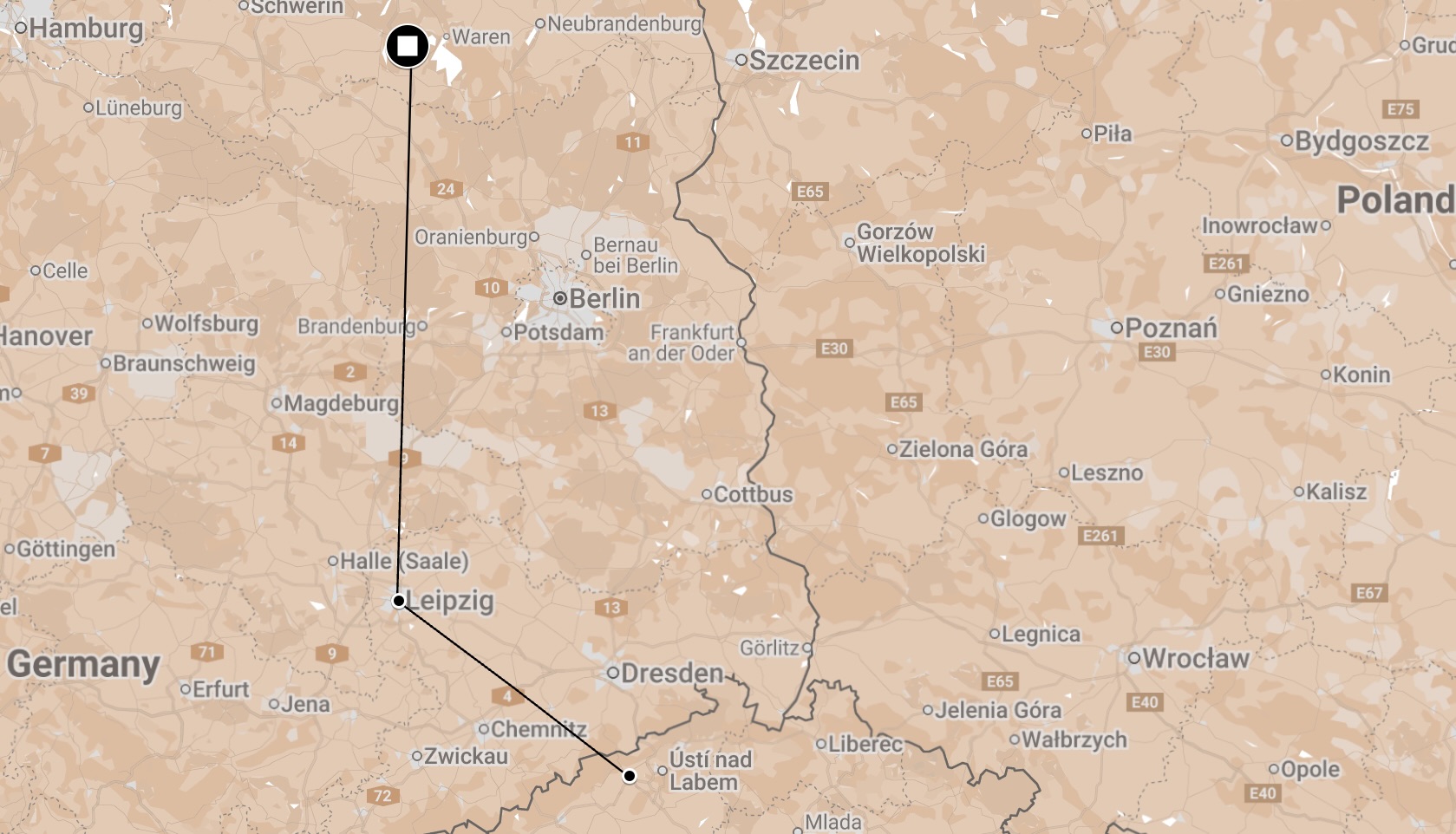
On 2 April 1945 about 2,000 women were put on a transport to Leipzig. The train, which travelled along a heavily bombarded route was expected to be bombed but contrary to expectations, the train arrived in Leipzig, where the prisoners were divided into two groups, one being sent to the Taucha labour camp, the other to Hugo-Schneider AG (HASAG) Leipzig-Schönefeld. The prisoners then endured the death marches that evacuated the Leipzig camps. The prisoners were sent on a death march towards Teplice in Czechoslovakia together with other concentration camp inmates from the northeast of Leipzig.
During the last days of April, Red Cross packages were brought into the Malchow camp but most of them were stolen by the SS. As part of the agreement among Folke Bernadotte, the representative of the Swedish Red Cross, Norbert Masur, representative of the World Jewish Congress in Sweden, and Heinrich Himmler, Red Cross trucks set out for Sweden on 26 April with 300 to 500 prisoners from the camp. At that stage, the remaining prisoners in the camp were given food only every 36 hours.
On 1 May the remaining women, who were still strong enough to walk were led out of the camp, were marched for about four days, during which several of them who were too weak to continue were shot.
The sick and wounded remained in the camp’s infirmary. On 2 May the Red Army liberated the camp.
 About
About History
 Education
 Quilts
 FIlms
FIlms Photos
 News Media & Events
 Publications
 Donate