
Members of the Boys were held in Nazi labour and concentration camps and used as slave labourers.
From 1933-1945 Nazi Germany operated over 1,000 concentration camps and subcamps in its own territory and across German occupied Europe. Among them was Mockethal-Zatzschke labour camp, a subcamp Flossenbürg concentration camp.
As the camps were dissolved thousands of people, among them members of the Boys, endured horrific evacuations from the camps on foot, in freight wagons and open top trains, as well as perilous journeys across the Baltic Sea.
The Boys were teenage and child-Holocaust survivors, who were brought to the UK after the war for rest and rehabilitation.
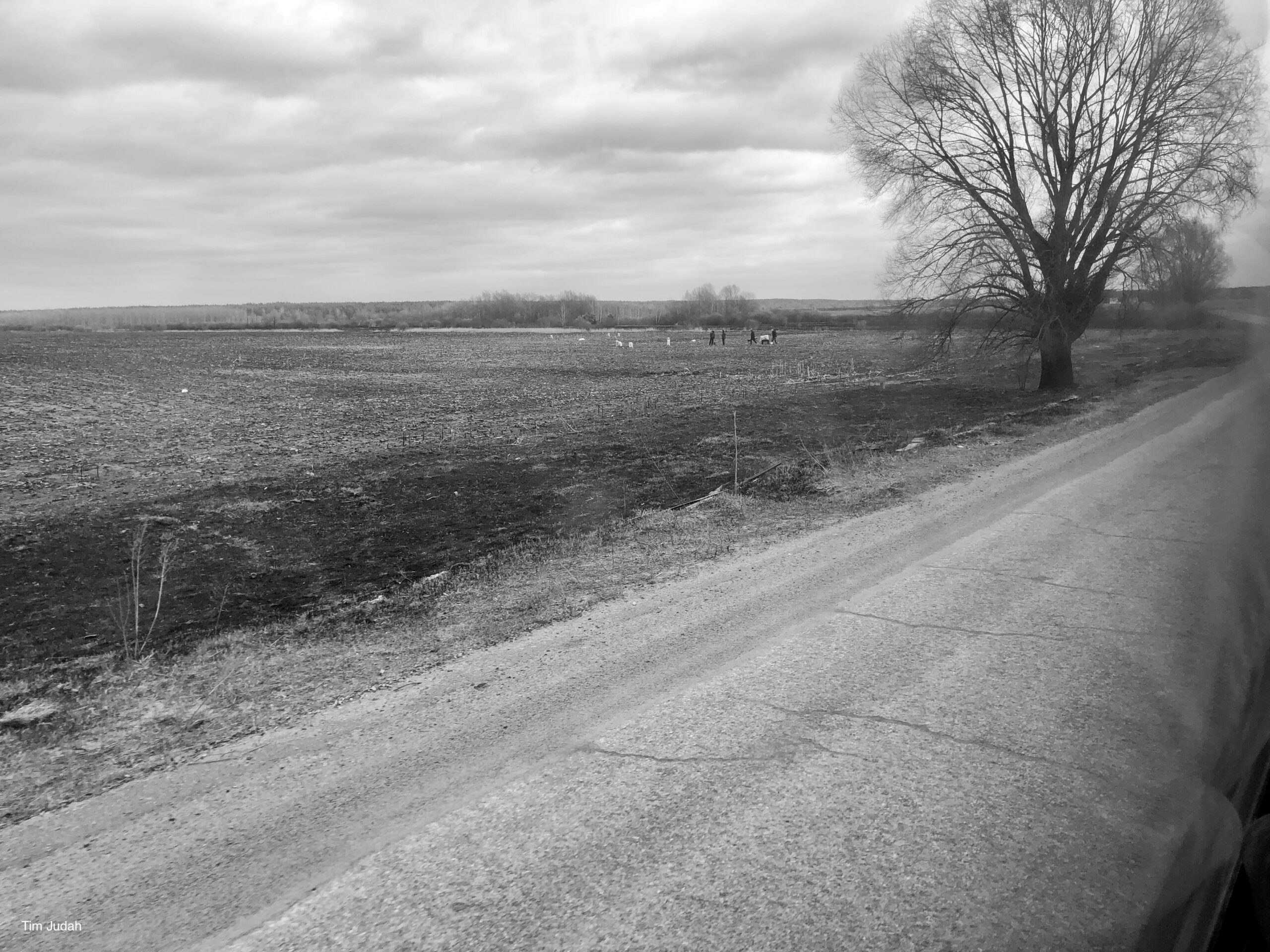
Before leaving each of the prisoners were given a blanket and a loaf of bread.
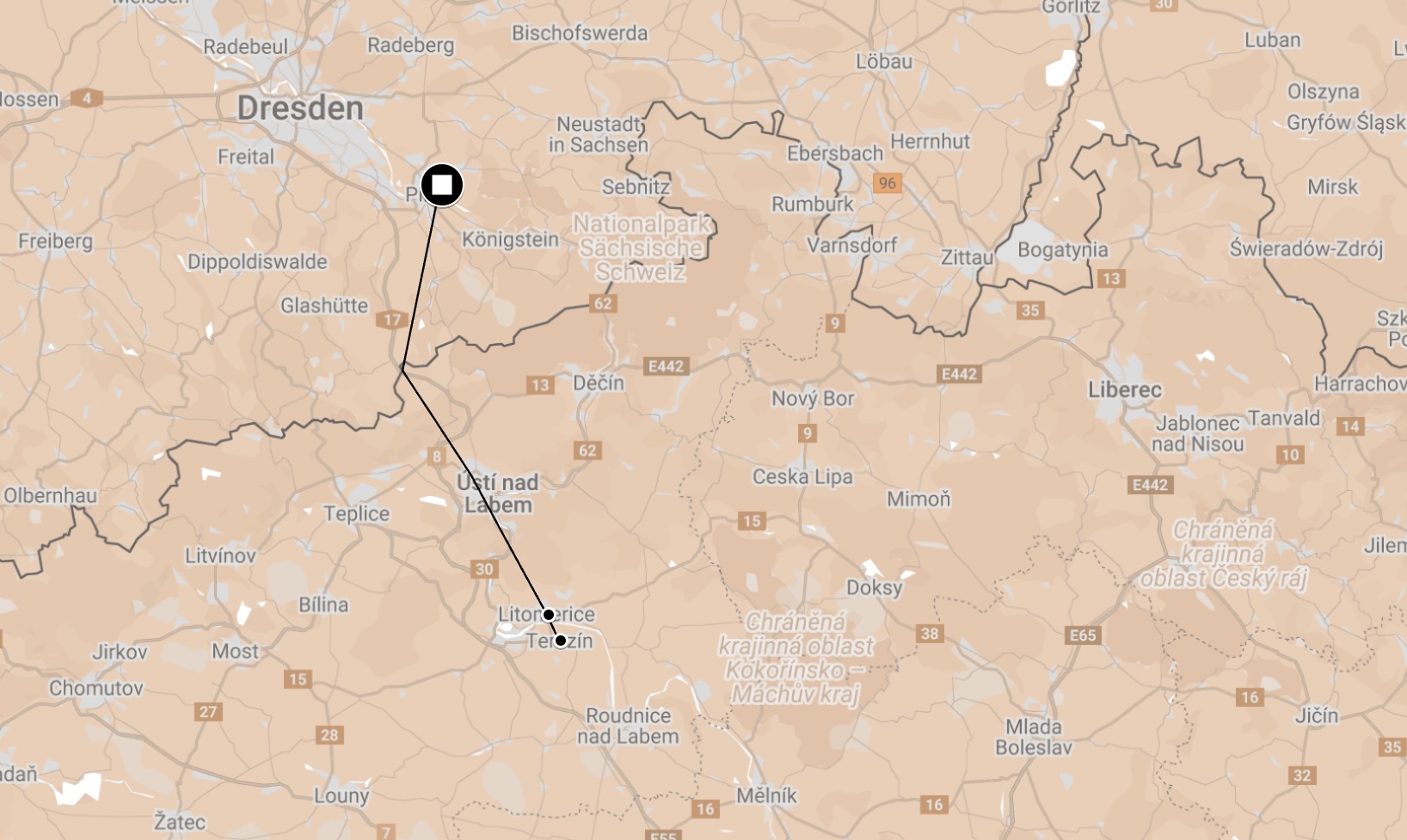
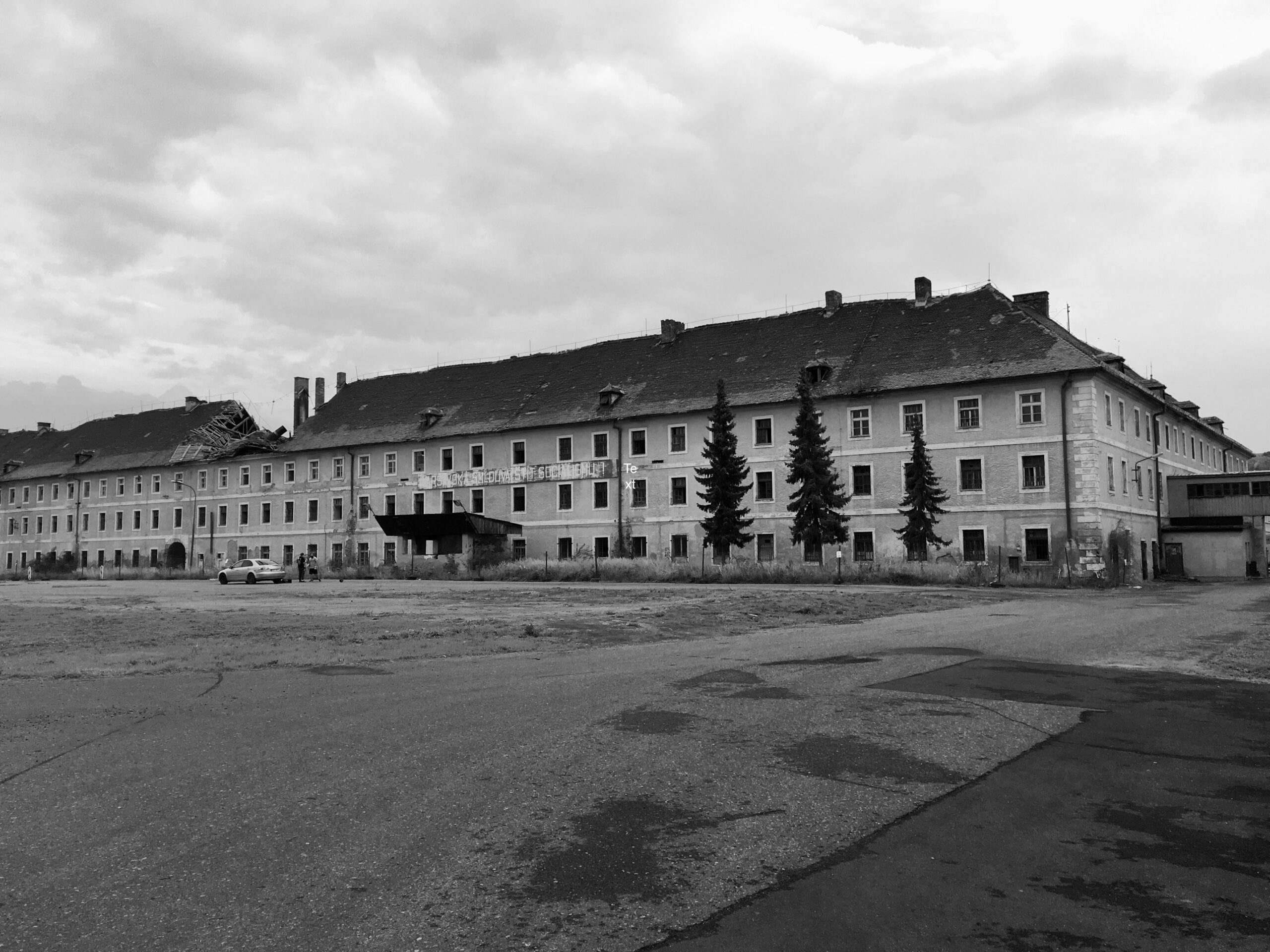
When the march was 45km from Dresden it stopped at Decin Tetschen-Bodenbach and the prisoners spent the night in the courtyard of Zamek Castle. Among them Stephen Wolkowicz and his father:
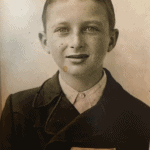
Stephen Wolkowitz just after the liberation.
“Before I fell asleep, I struggled to lick a tiny remnant of sweet juice from the bottom of an empty tin I had found. When I woke in the morning I discovered my father dead beside me. During that night my father died in the courtyard of the castle.
The terrible memories of the treasured drops of fruit juice, amidst the ongoing struggle to find any food at all, and my father dying of hunger and exhaustion beside me, have haunted me all my life. All I can say is that I was too frozen; too starved to think.
As we walked out of Decin, my father’s fellow prisoners carried his body and delivered him to a nearby cemetery. My father’s date of death is recorded as 18 April 1945.”
Wolkowicz’s mother also died. She was buried in Usti nad Laben.
“Walking on and away from my lost parents, I found some sour szczaw grass (sorrel) by the roadside, which I ate. I think this sour but fresh ‘food’ saved my life.
I was totally numb emotionally. I had witnessed so much death and dying, and now the deaths of my parents in such circumstances.
I was 11 years old.”
The march passed through Decin and Usti nad Laben. It followed the railway line and Elbe River. The slept in the open at night. Roman Halter one of the Boys managed to escape from the march.

 About
About History
 Education
 Quilts
 FIlms
FIlms Photos
 News Media & Events
 Publications
 Donate