
Members of the Boys were held in Nazi labour and concentration camps and used as slave labourers.
From 1933-1945 Nazi Germany operated over 1,000 concentration camps and subcamps in its own territory and across German occupied Europe. Among them was the Neu-Dachs-Jaworzno subcamp of the Auschwitz concentration camp complex.
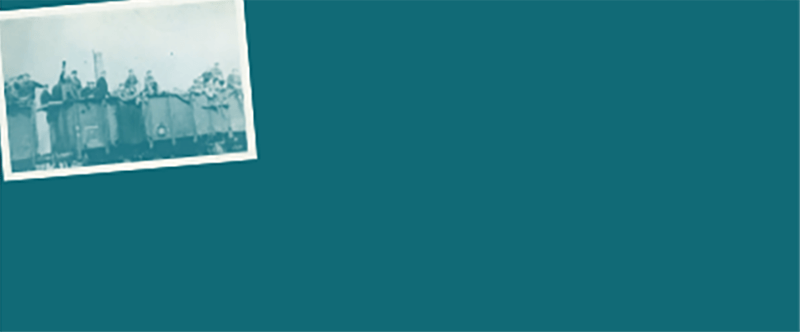
As the camps were dissolved thousands of people among them members of the Boys endured horrific evacuations from the camps on foot, in freight wagons and open top trains, as well as perilous journeys across the Baltic Sea.
The Boys were teenage and child-Holocaust survivors, who were brought to the UK after the war for rest and rehabilitation.
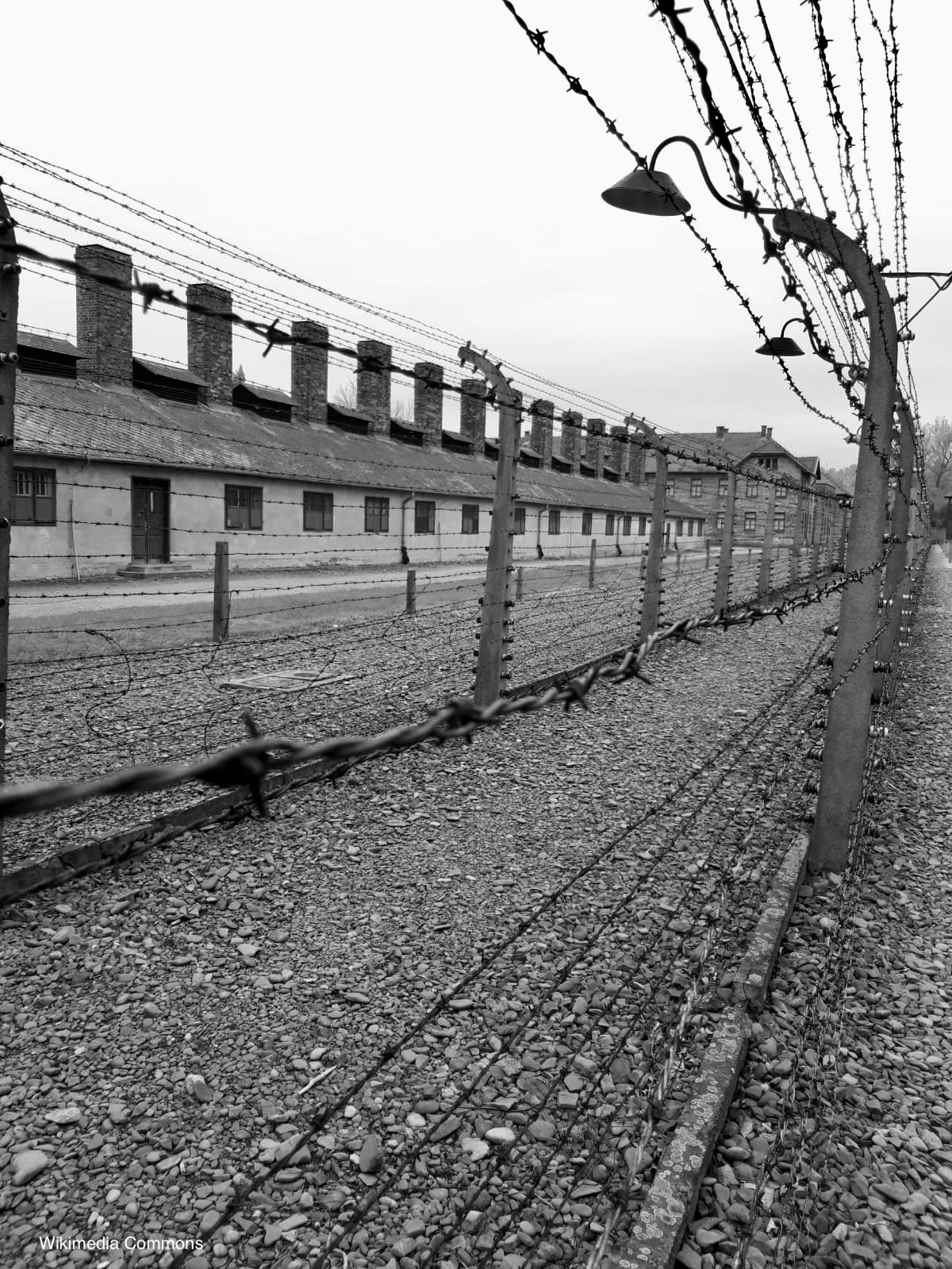
The former Auschwitz concentration camp.
The evacuation of the Neu-Dachs-Jaworzno subcamp began in November 1944, when some of the prisoners were transported back to Auschwitz II-Birkenau, and onward to the Mauthausen concentration camp and its subcamp of Gusen. It was at this point that Binem Kusner, one of the Boys was moved to Buchenwald.
The camp was bombed by the Soviet air force on 15 January and evacuated on 17 January 1945, in one of the largest and the longest evacuation marches from the Auschwitz concentration camp complex.
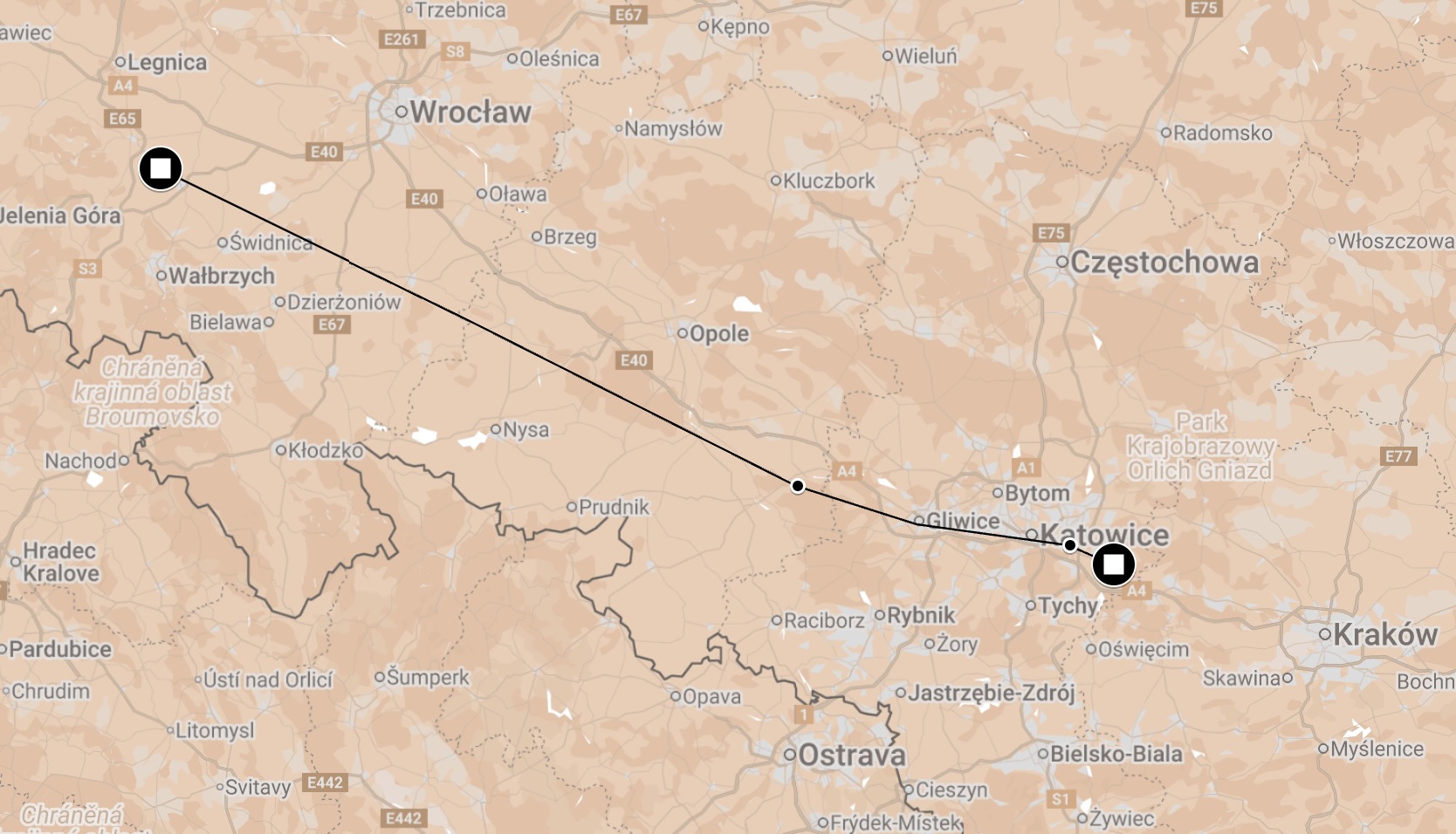
Route
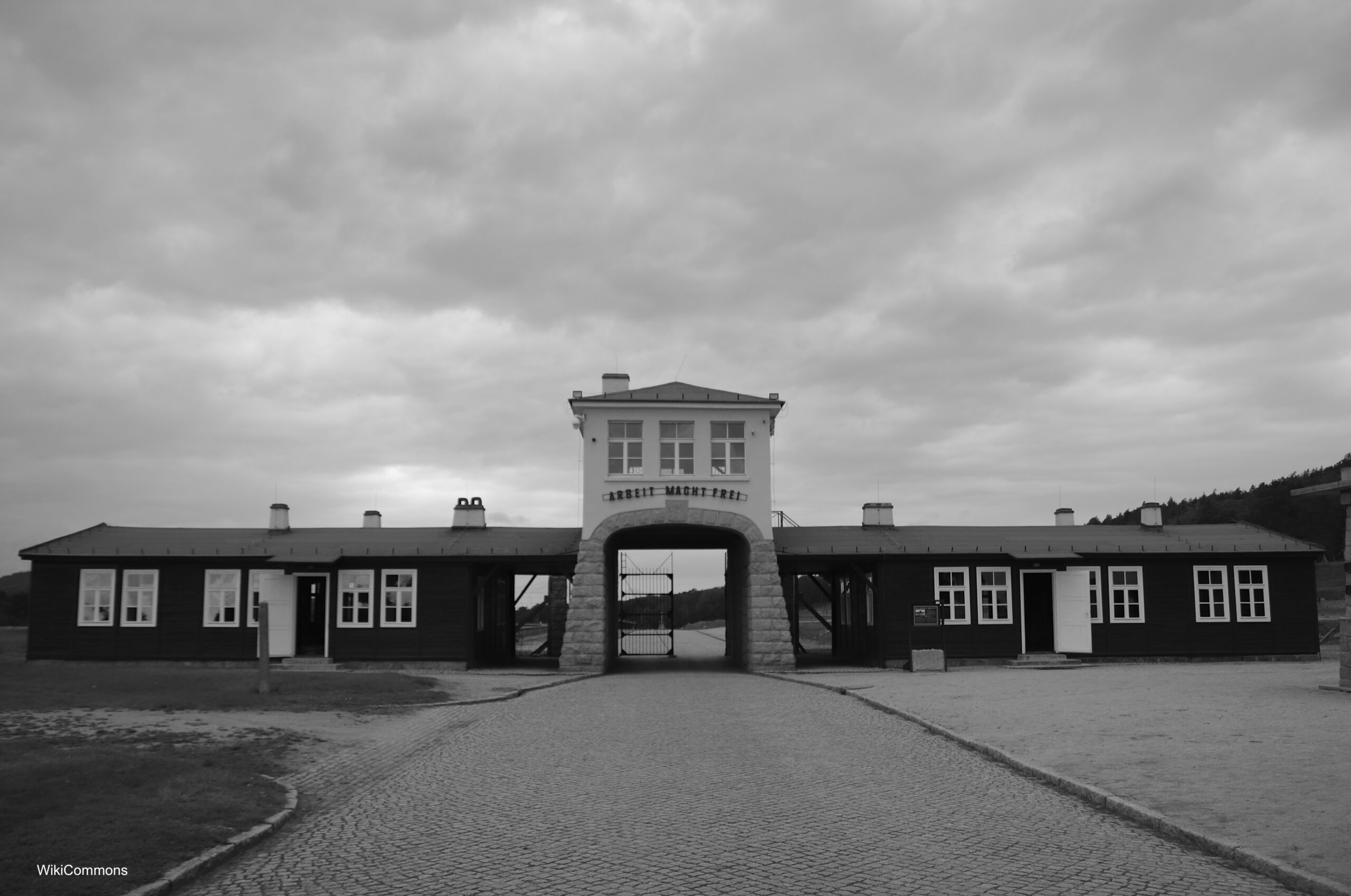
About 3,200 prisoners were marched westwards to the Gross Rosen concentration camp 250km away. Hundreds died including 300 shot on the second night of the march. The march lasted 16 days. Before leaving the prisoners received a loaf of bread. The prisoners were marched on foot through Chorzów, Bytom, Blachownia Śląska and Koźle. They spent a few days to the Gross-Rosen concentration camp, where after a few days they were transported to the Buchenwald concentration camp. At night prisoners slept outside or in barns.
The march passed through the subcamp of Blechhammer and became part of the death march from Blechhammer.
From Gross Rosen, Gershon Frydman and Issy Hahn were transferred by train to the Leitmeritz concentration camp in the modern-day Czechia.
Approximately 400 prisoners too sick or unable to walk, were left in the camp. They were liberated by the Red Army on 19 January 1945.
 About
About History
 Education
 Quilts
 FIlms
FIlms Photos
 News Media & Events
 Publications
 Donate