Members of the Boys were held in Nazi labour and concentration camps and used as slave labourers.
From 1933-1945 Nazi Germany operated over 1,000 concentration camps and subcamps in its own territory and across German occupied Europe. Among them was the Warschau-Gęsiówka, a subcamp of the Majdanek concentration camp in occupied Poland.
As the camps were dissolved thousands of people among them members of the Boys endured horrific evacuations from the camps on foot, in freight wagons and open top trains, as well as perilous journey across the Baltic Sea.
The Boys were teenage and child-Holocaust survivors, who were brought to the UK after the war for rest and rehabilitation.
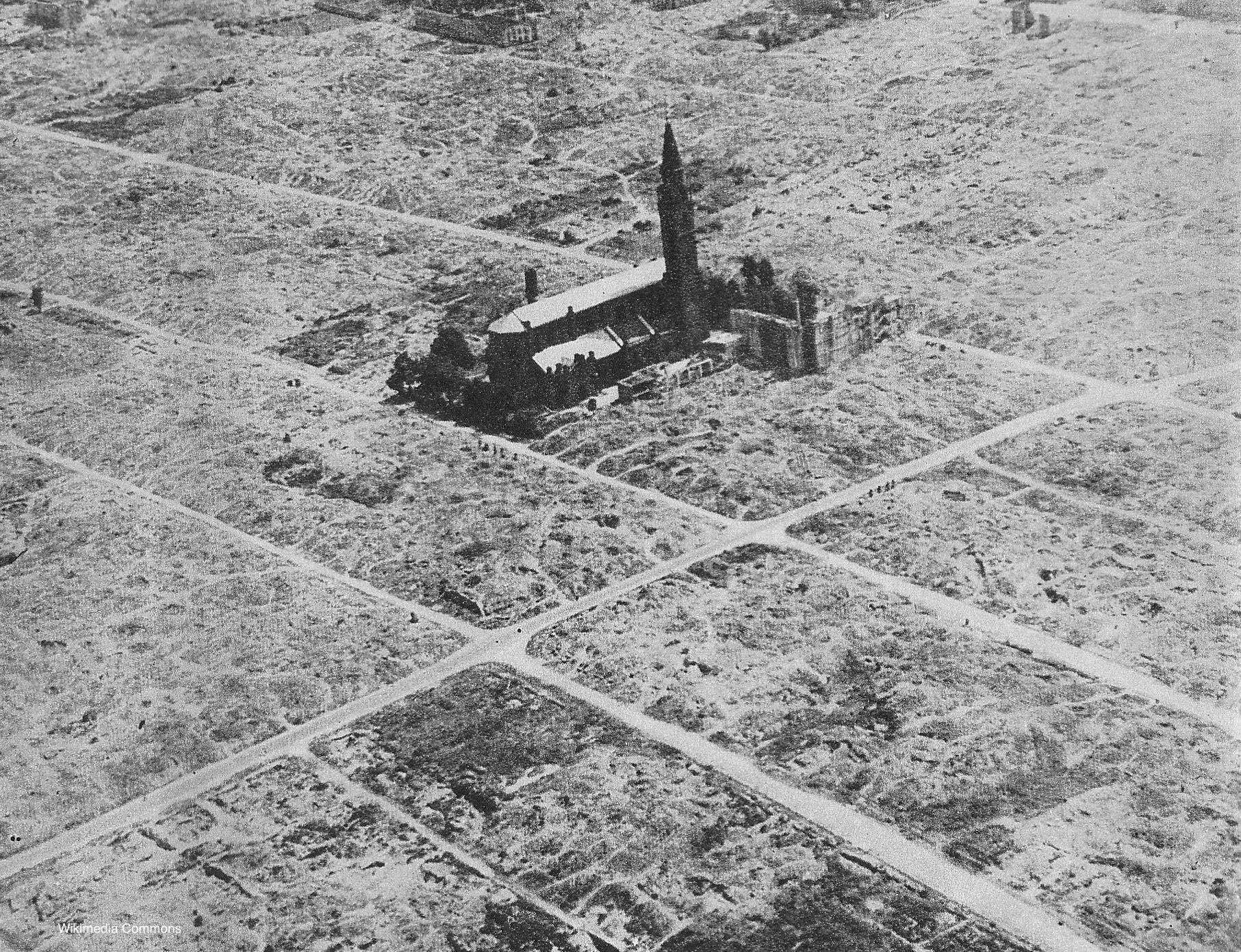
Warsaw Ghetto after the World War II. The surviving church is St Augustine.
Death March to Kutno
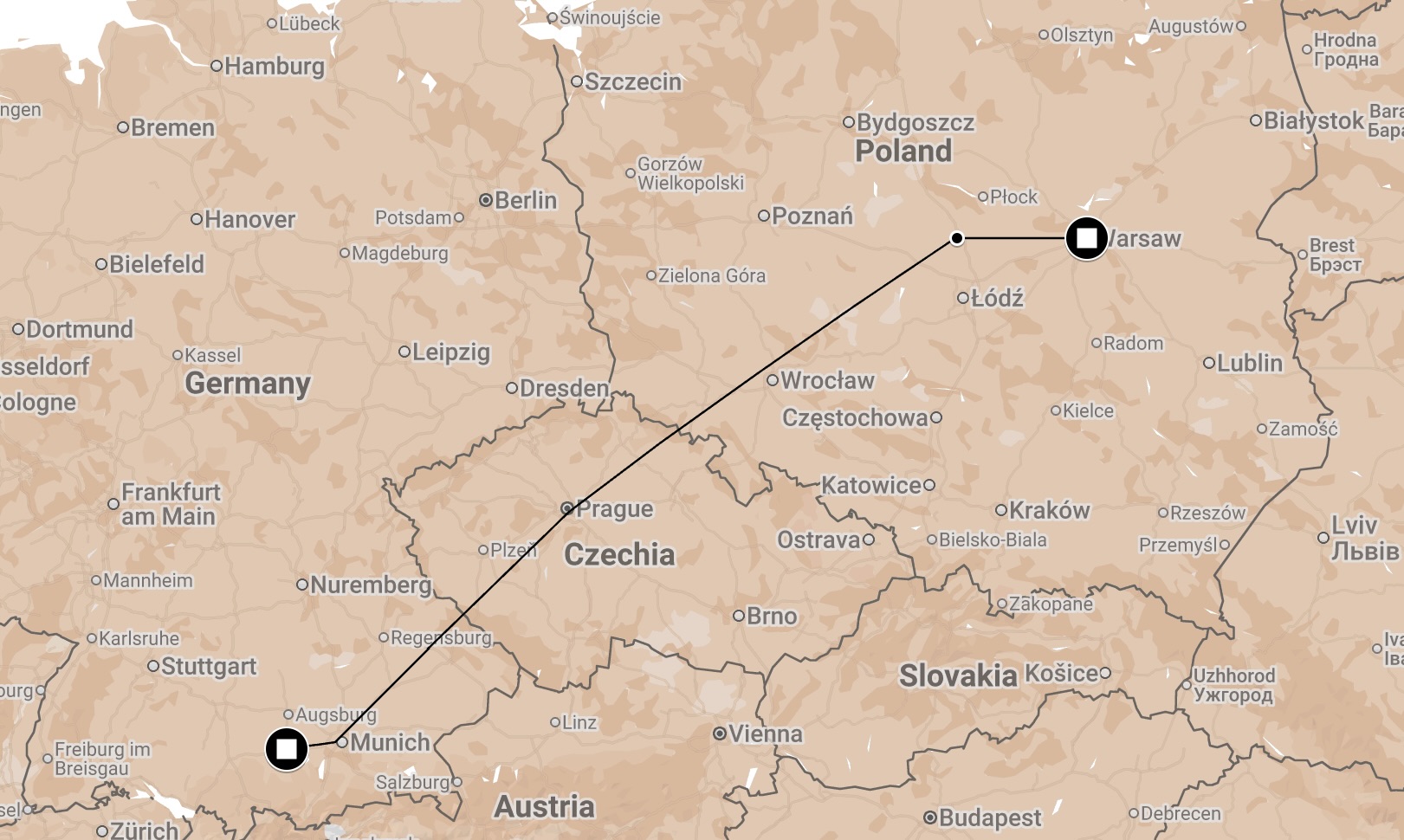
On 28 July 1944, the camp was evacuated and approximately 4,500 of the remaining 5,000 prisoners were forced on a three-day death march in the boiling summer heat. Among them were Josef Grossman, Vili Zelkovic and Hersch Zelkovic. Their destination was Kutno, approximately 120km from Warsaw.
The Germans shot anyone who could not keep up. There was no food and no water. Marching in the heat of summer meant the prisoners were tormented by thirst.
Death Train to Kaufering
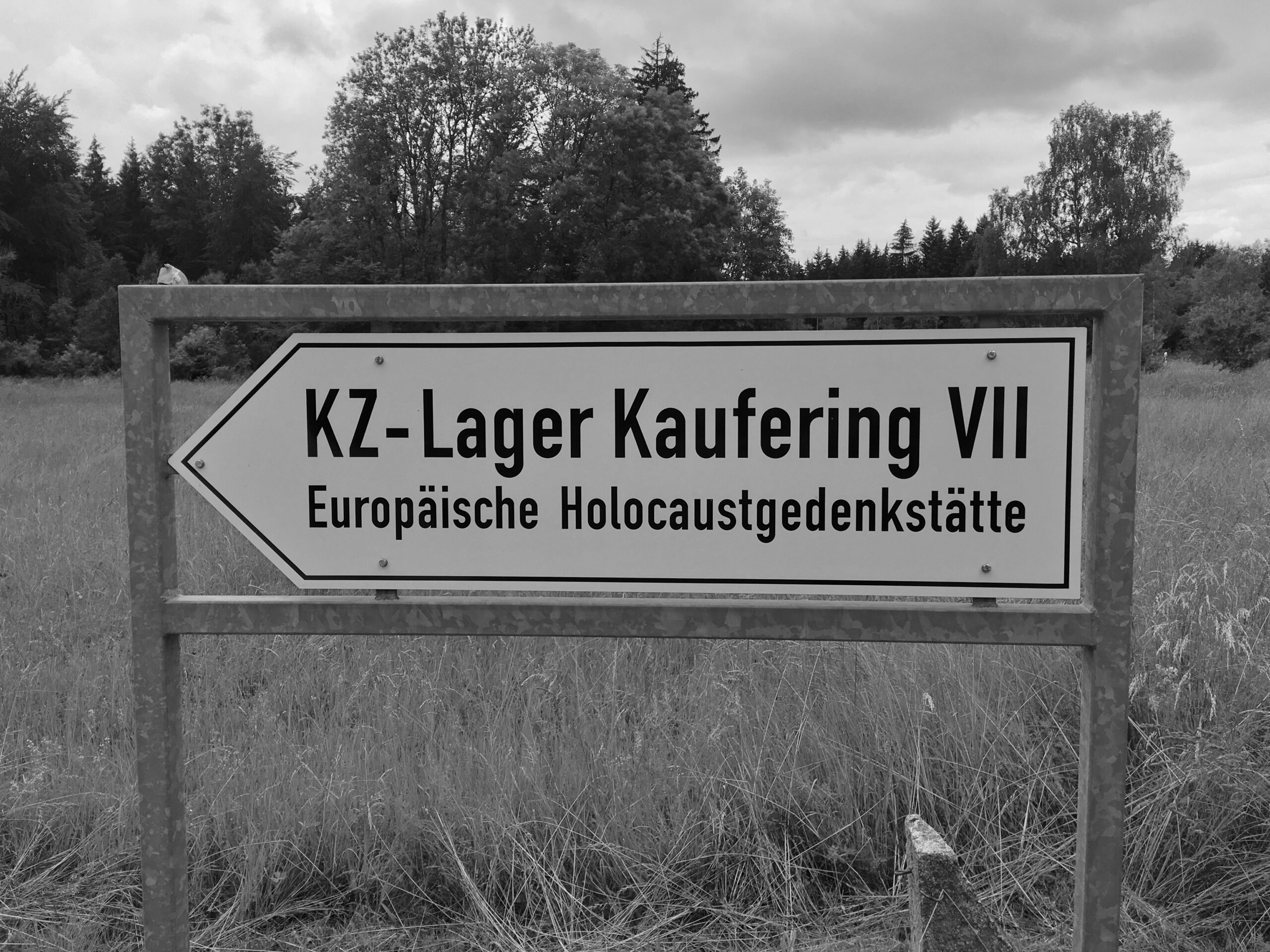
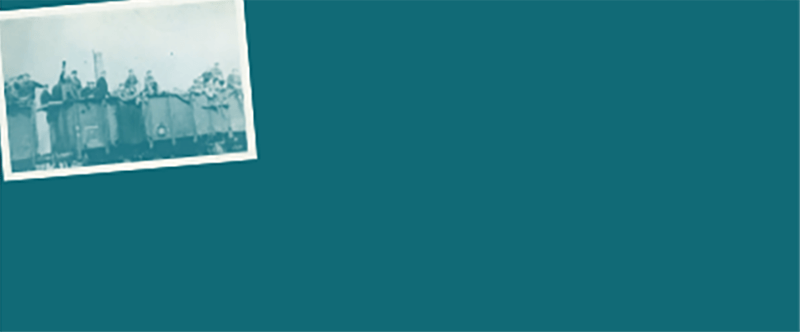
The surviving prisoners were transported on freight cars from Kutno to the Dachau subcamp of Kaufering. Less than 2,000 inmates reached Dachau on 9 August 1944, 750km away. One hundred men were crammed in each car and there were no provisions.
 About
About History
 Education
 Quilts
 FIlms
FIlms Photos
 News Media & Events
 Publications
 Donate