
Members of the Boys were held in Nazi labour and concentration camps and used as slave labourers.
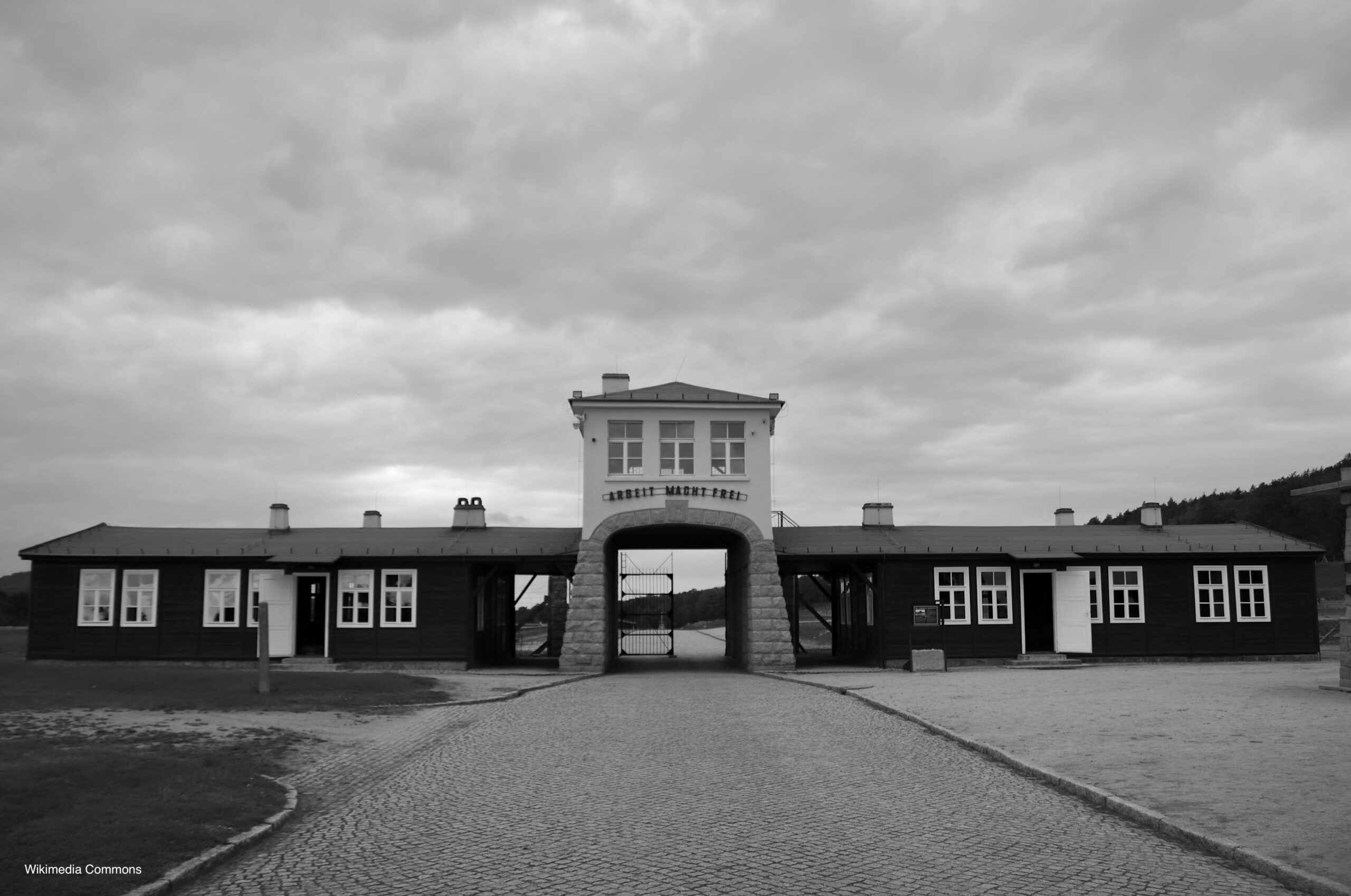
From 1933-1945 Nazi Germany operated over 1,000 concentration camps and subcamps in its own territory and across German occupied Europe. Among them was the Gross Rosen concentration camp.
As the camps were evacuated thousands of people, among them members of the Boys, endured horrific evacuations from the camps on foot, in freight wagons and open top trains, as well as perilous journeys across the Baltic Sea.
The Boys were teenage and child-Holocaust survivors, who were brought to the UK after the war for rest and rehabilitation.
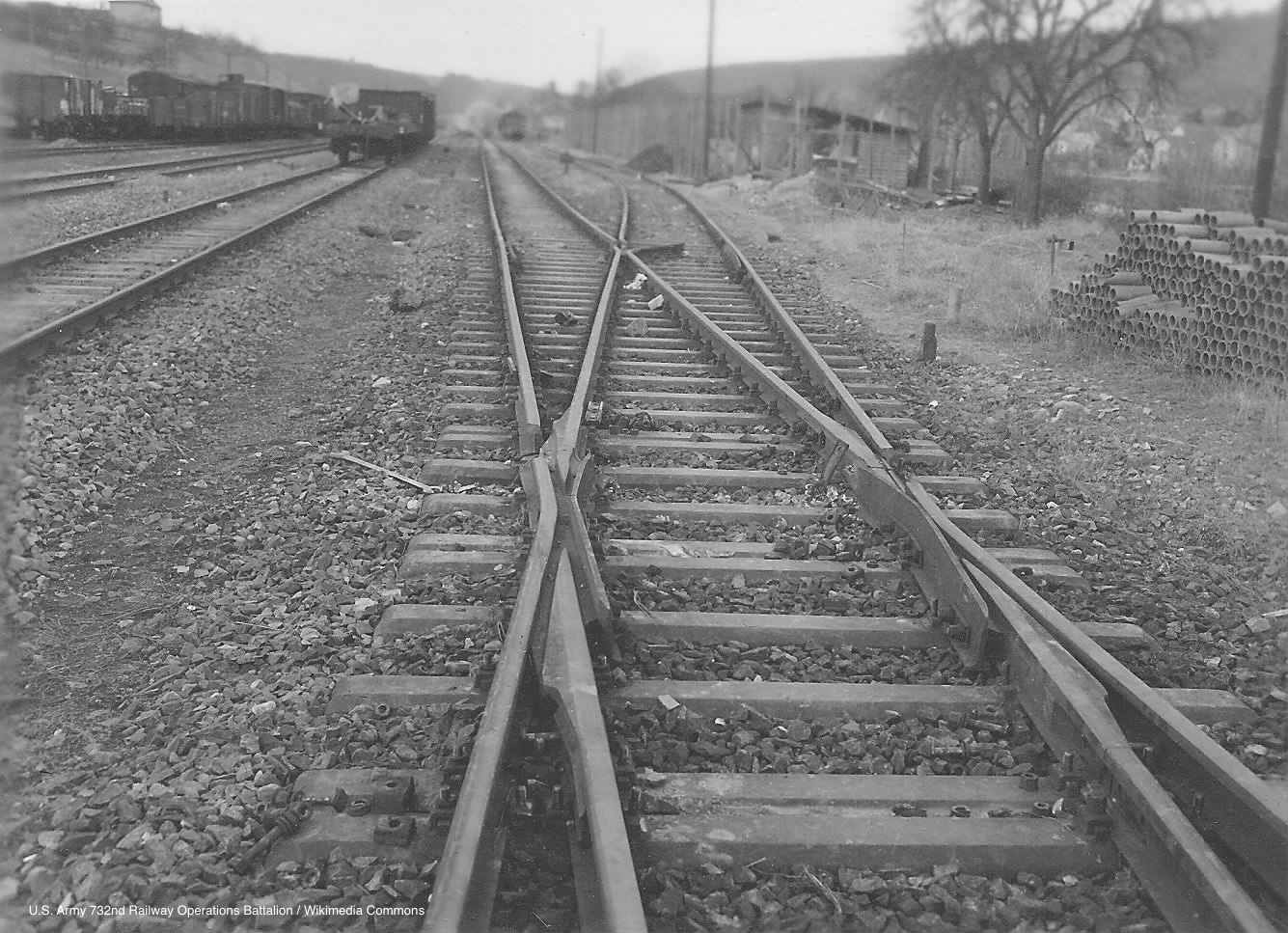
As the Red Army drew near, the order was given to evacuate the camp. The evacuation began on 8/9 February 1945 and was completed by 10/11 of February 1945.
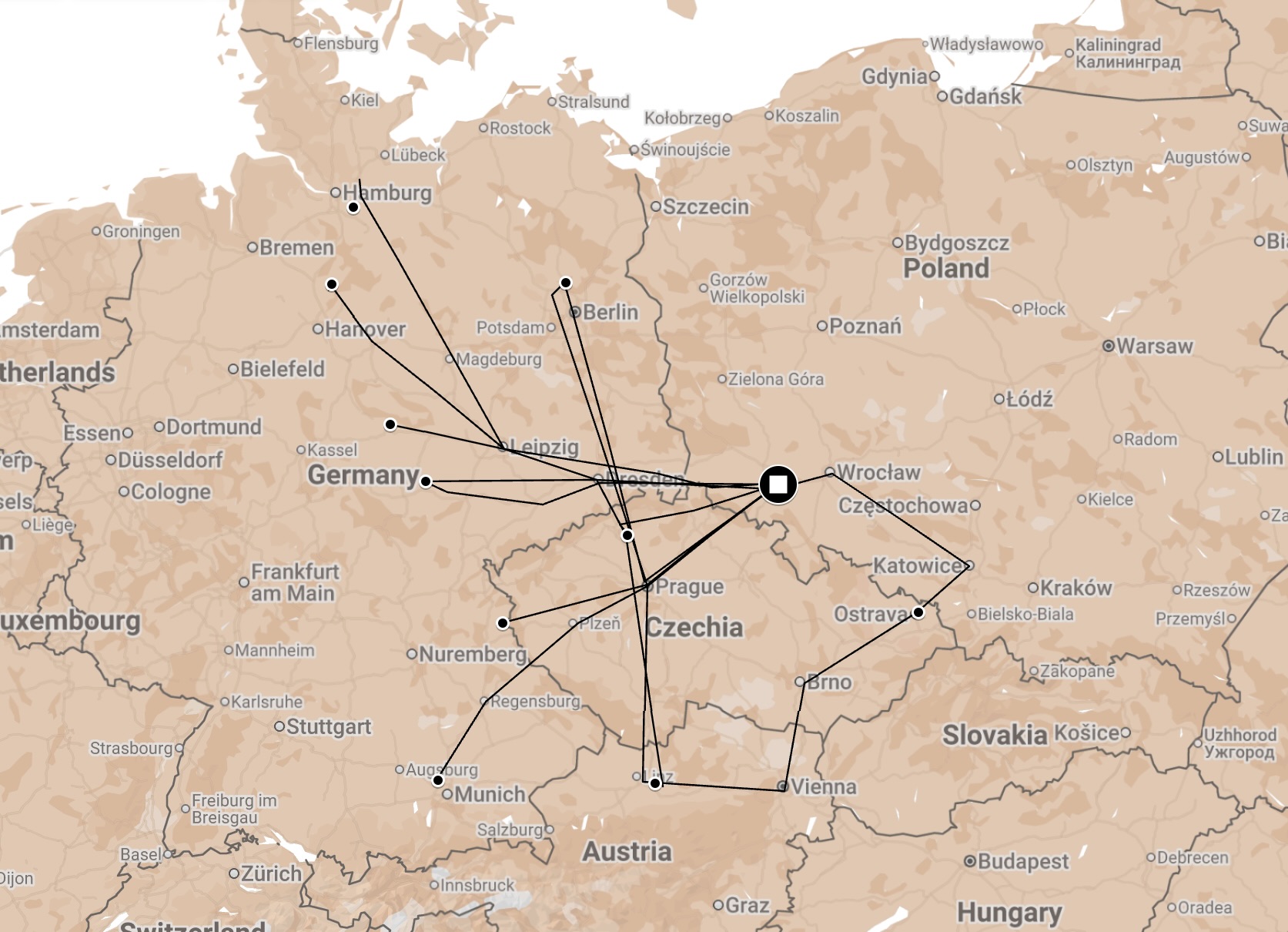
Evacuation of the subcamps to the east had begun in January 1945. Thousands of prisoners from the Auschwitz concentration camp complex were also evacuated via Gross Rosen among them members of the Boys who had been slave labourers in Auschwitz I, Auschwitz II, Auschwitz III, Blechhammer, Gleiwitz, Günthergrube, and Neu-Dachs-Jaworzno. An estimated 120,000 prisoners passed through the camp, and it is believed that 40,000 died in the camp during the evacuations.
At least 44,000 prisoners, many of whom were Jews were loaded onto freight trains, some with open-topped wagons, and sent to the concentration camps of Bergen-Belsen, Buchenwald, Dachau, Flossenbürg, Leitměřice, Mauthausen, Mittelbau-Dora and Nuengamme. They were transported in the most brutal of conditions in the most brutal conditions without food or water. Thousands of prisoners died on the death trains and death marches.
Death Trains to Buchenwald
Many of the Boys were transferred from Gross Rosen on a death train that departed to the Buchenwald concentration camp on 7 February 1945. It travelled through Liegnitz – Görlitz – Dresden – Chemnitz – Gern – Jena – Weimar – on up the railway spur into the camp. The train arrived in Buchenwald on 9/10 February 1945.
No food or water was issued to the prisoners during the journey.
Felix Weinberg, 1946
“The train we were herded onto was made up of open rail trucks of the kind used to transport coal. The side panels were only about a metre high. It was late afternoon and almost dark. Experience had taught me to head straight for a side wall so I would have something to support my back. I was quite lucky to find such a space near a corner, opposite where we climbed in. I emphasise my luck because it soon became apparent that there were too many of us, at least in our wagon, for everyone to find adequate seating space …
When we arrived, on 10 February 1945, I was one of the few who were able to dismount the truck unaided. There were many frozen corpses. I do not know how many died; I did not stop to count.”
Today, a commemorative path follows the route of the railway spur that ran up to the camp from Weimar station.
Death Trains to Sachsenhausen-Oranienburg
One group was to be marched on foot to Gross Rosen but the Red Army were so close that it was decided that the men would be taken by train to the Sachsenhausen concentration camp and the women to Ravensbrück concentration camp. When Lazar Kleinman arrived at Sachsenhausen he had spent days in a sealed freight car and was so debilitated that when the door of the wagon was opened he literally fell out of the train.
Salek Benedikt in Kloster Indersdorf, Germany in 1945.
“As soon as we arrived there, we were locked in barracks for the next few days, after which we were marched to a railhead and continued our journey in open wagons, standing, compressed like. sardines.
At night, the train would stop and we were ordered to remove the dead.
Occasionally, bread would be thrown in.
Within the first week, the elements caused more deaths than starvation. Soon, there was enough room in the wagon for all of us to sit. It was snowing most of the time. We huddled together, trying to get some heal from each other.
The train was also stopping at concentration camps en route. We could hear wagons being uncoupled at the rear and prisoners being marched off.
The wagon I was in was close to the locomotive and we travelled the whole distance to Oranienburg, Sachsenhausen.”
Another transport to Mauthausen was also rejected and diverted to the Sachsenhausen concentration camp, where the prisoners were held in Heinkel aircraft factory in Oranienburg. In March many of the prisoners were then transported to the Bergen-Belsen concentration camp or withing weeks to the Flossenbürg concentration camp. Members of the Boys moved on to Flossenbürg then endured a death march to Dachau on which they were liberated.
Mordechai Topel in Kloster Indersdorf, Germany in 1945.
“The sun shone brightly in a clear sky as we were herded into the train, 150 people
to each of the waiting cars. And Mengele, the infamous “doctor” from Auschwitz, hysterical and monstrous, was on hand to give his “final blessing” to the departing train with revolver bullets fired indiscriminately at the living souls jammed into the coal cars. Some were lucky enough to die instantly. The unlucky ones suffered the slow agony of bleeding to death, propped upright by the squeezed mass of humanity. Mengele’s revolver did a “good” job.
For days which seemed like decades there was no room to move even an arm or a leg, much less to sit down. People lived, slept, and died standing. It became a small blessing that the cars had no roofs. Slowly conditions changed. By the third day a score of people in our car were dead. They were immediately thrown over the side to make room for the still living.
The “food” situation, too, was somewhat alleviated. Falling snow was gathered in a blanket by four of us supporting the corners. Everyone received his share. Those with tin containers hid some of the snow against the eventuality that heaven should decide not to send down more of its precious contents.
The taste of this snow will always remain on my lips. No food ever tasted better than those fresh, crisp white snowflakes carefully gathered on an outstretched blanket. When the snow in the car was gone, some managed to pick up more from the ground by tying shoelaces into a long cord and dangling the tin cans outside as the train lumbered along. Snow was all the food we had for six days. And not even enough of that.
On the seventh day the train ground to a stop in Prague, the capital of Czechoslovakia. The elevated bridge over the railroad tracks was soon crowded with good-hearted Czechs who, at the risk of their lives, dropped hundreds of loaves of bread and containers filled with water to the human cargo in the open cars below. Braving a hail of bullets from the local German police, the Czechs approached the train from all sides and threw in what supplies they could, including newspapers telling of German defeat. Our guards did not interfere, surely realizing the futility.
Here, too, not everyone was lucky. The cars nearest the bridge received the lion’s
share of the generosity of the Czech people. The further away a man was, the less was his chance of survival. There were some who even refused a slice of bread from a fellow passenger, preferring to die, to stop once and for all their dreadful agony.
When the train left Prague, no one, not even our guards, knew where we were headed or where the next stop would be. The filth in the cars, of course, was indescribable, the stench getting worse with each passing day. The number of dead climbed constantly. By the eighth day of the journey, sixty-eight had died in our car. The bread I had managed to secure in Prague was gone; it was soon taken from me by the few “musclemen” who had the upper hand in every situation, threatening to kill anyone who refused their demands. They were not idle threats.”
Mordechai Topel, The Jewish World August 1964.
Topel was 15 years old when he endured the death march to Gleiwitz and the death train to Sachsenhausen-Oranienburg.
Death Train to Ravensbrück
Over 2,000 women were transported from Gross Rosen to Ravensbrück. When the transport arrived it was rejected and the women marched to Sachsenhausen only to be forced back to Ravensbrück. The women covered 300km in two weeks in the freezing winter conditions. It is not known if any members of the Boys were on this death march.
The Red Army liberated Gross-Rosen Concentration Camp on 13 February 1945.

 About
About History
 Education
 Quilts
 FIlms
FIlms Photos
 News Media & Events
 Publications
 Donate