
Members of the Boys were held in Nazi labour and concentration camps and used as slave labourers.
From 1933-1945 Nazi Germany operated over 1,000 concentration camps and subcamps in its own territory and across German occupied Europe. Among them was the Flossenbürg concentration camp.
As the camps were dissolved thousands of people, among them members of the Boys, endured horrific evacuations from the camps on foot, in freight wagons and open top trains, as well as perilous journeys across the Baltic Sea.
The Boys were teenage and child-Holocaust survivors, who were brought to the UK after the war for rest and rehabilitation.
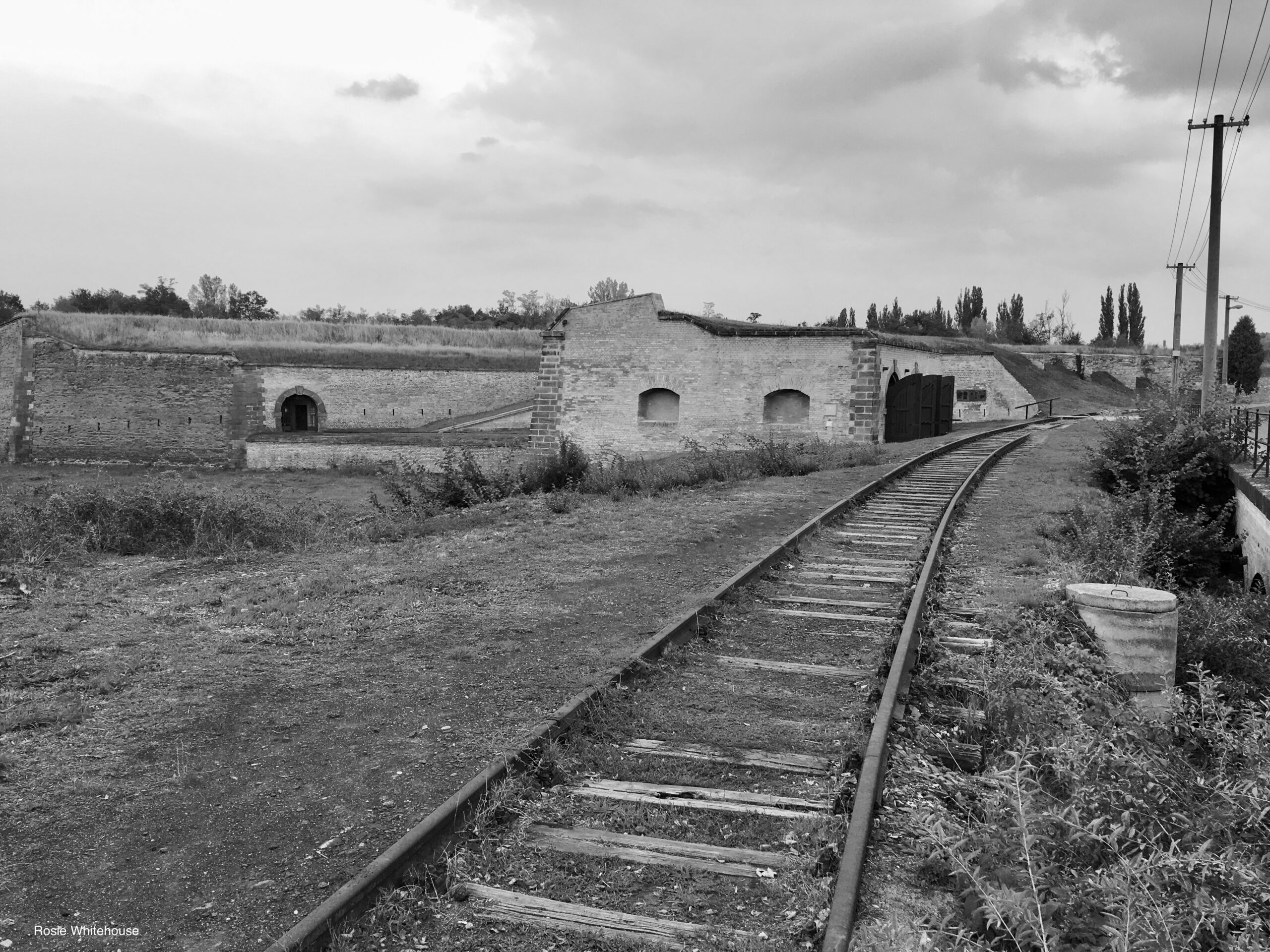
The Oederan camp was a subcamp of the Flossenbürg concentration camp.
On 14 April 1945 the camp was evacuated and the women were driven to the train station by Hitler Youth carrying sticks.
They were loaded into open-topped wagons. They spent a week on the train without food.
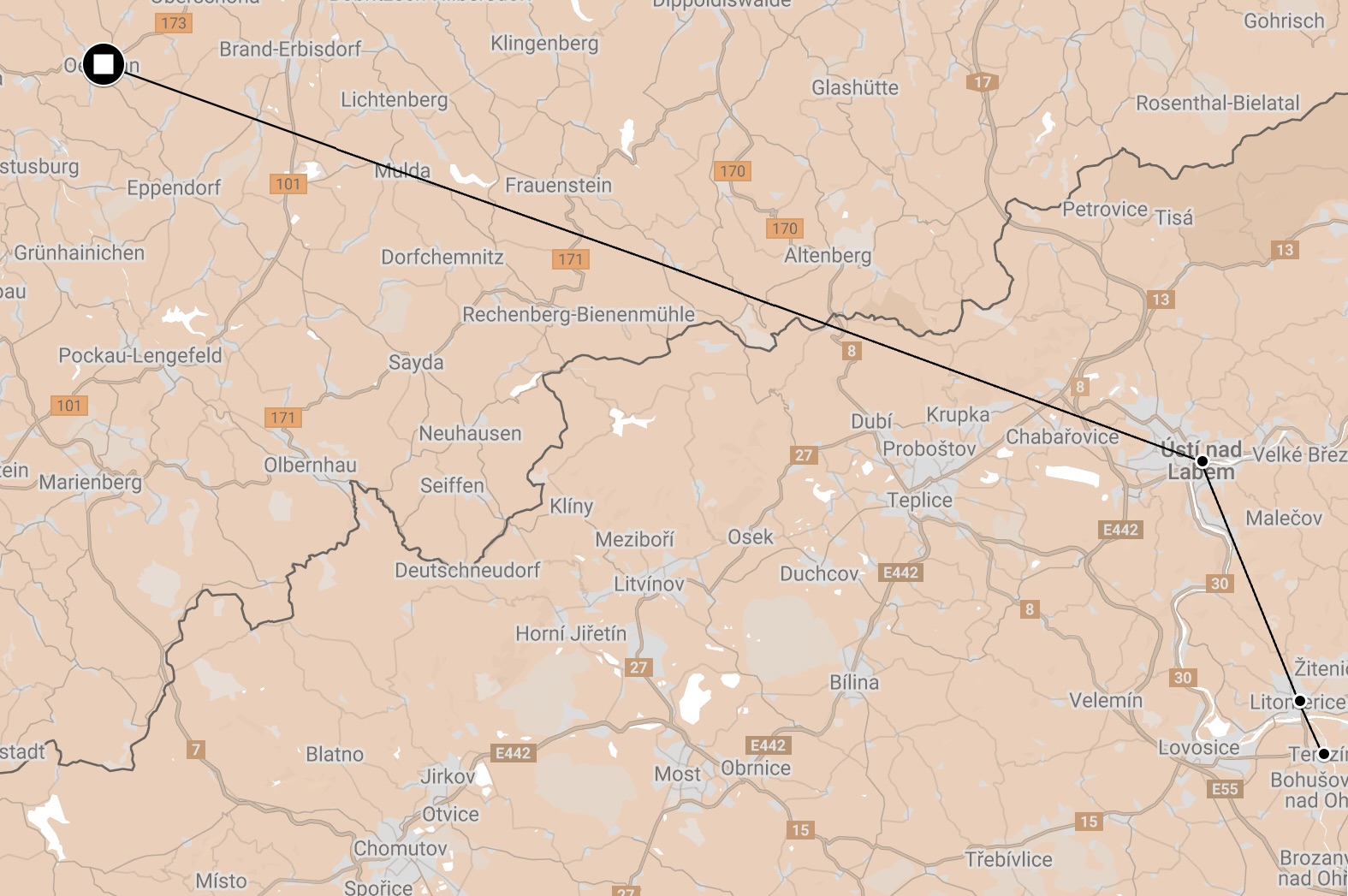
The exact route that the train took is not known but survivors say that they twice passed through Usti nad Leben.

Lydia Tschler.
“In April 1945, all the women from the camp were loaded into cattle trucks. We didn’t know where we were headed. They were open trucks but, luckily, the weather was good. I had some oil I’d pinched from the cartridge factory, thinking it might come in useful. I put it on my face and got quite sunburnt.
The railways were in chaos because everybody was on the move.
Our destination turned out to be Theresienstadt, a distance of about 110 kilometres, but the journey took a week. We were on the train the whole time, being shunted from one place to another.”
From Łeitmeritz (Litoměřice), where the women were unloaded on 21 April 1945, they had to march to Theresienstadt. Some 442 women were registered there as being from the Oederan camp command.18 Actually, the number of surviving evacuees from Oederan was larger, as a large number of Czechs left the transport without registering before or in Theresienstadt.
On 8 May, they were liberated by the Red Army.

 About
About History
 Education
 Quilts
 FIlms
FIlms Photos
 News Media & Events
 Publications
 Donate