
Members of the Boys were held in Nazi labour and concentration camps and used as slave labourers.
From 1933-1945 Nazi Germany operated over 1,000 concentration camps and subcamps in its own territory and across German occupied Europe. Among them was the Watenstedt subcamp of the Neuengamme concentration camp.
As the camps were dissolved thousands of people, among them members of the Boys, endured horrific evacuations from the camps on foot, in freight wagons and open top trains, as well as perilous journeys across the Baltic Sea.
The Boys were teenage and child-Holocaust survivors, who were brought to the UK after the war for rest and rehabilitation.
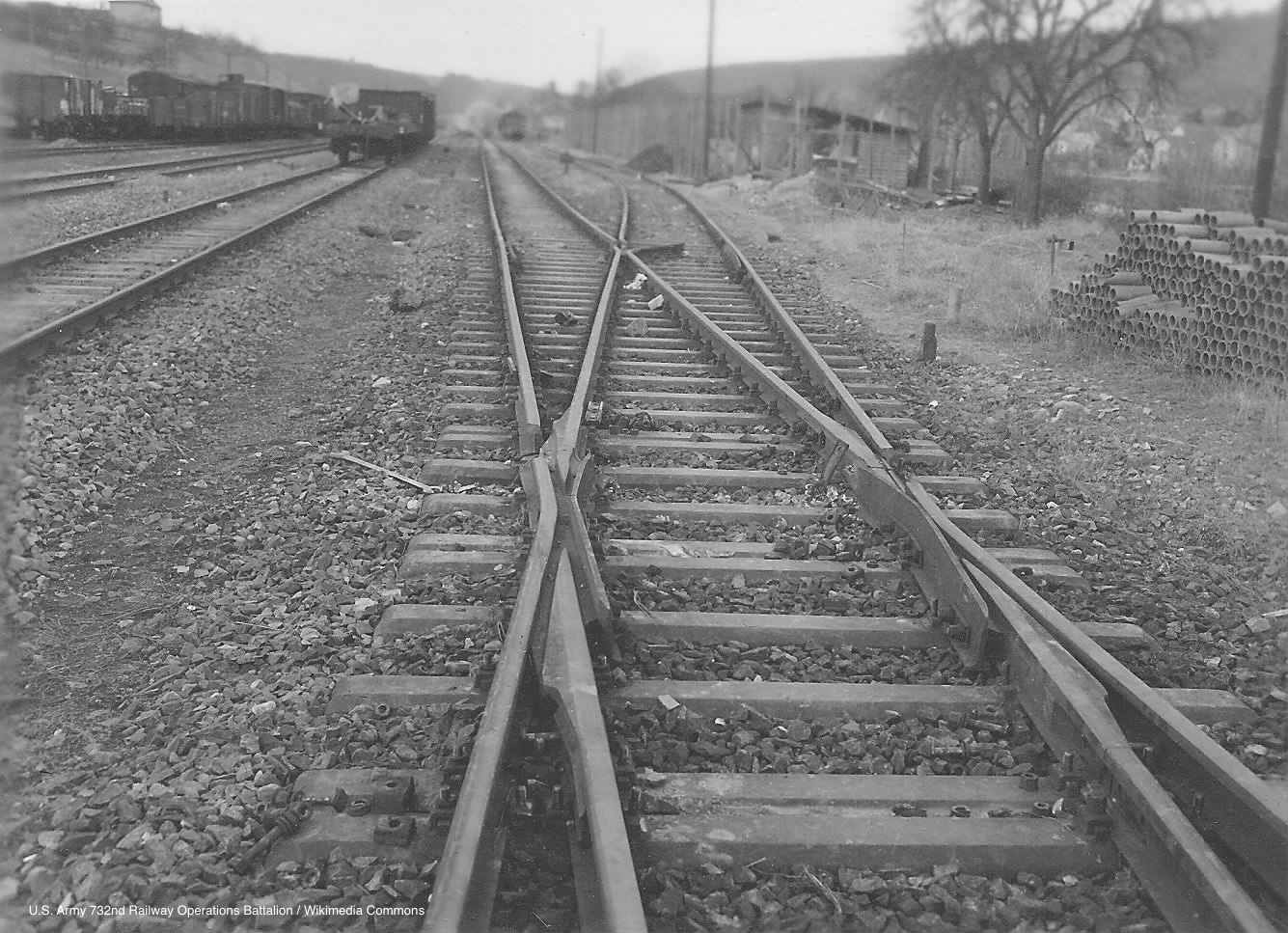
The SS began the dissolution of Watenstedt on 7 April 1945. About 3,000 prisoners were evacuated by train in open-topped wagons. For those who had endured the evacuation of Auschwitz, as had the members of the Boys, the nightmare began again. The women were taken to Malchow. One of the trains went to the Ravensbrück concentration camp. This included the members of the Boys.
There was a shortage of water on the transport and indescribable congestion as 50-60 men were rammed into each wagon. Many of the prisoners had acute diarrhoea. There were many fatalities, and the corpses were thrown from the train. Some survivors say they witnessed cannibalism.
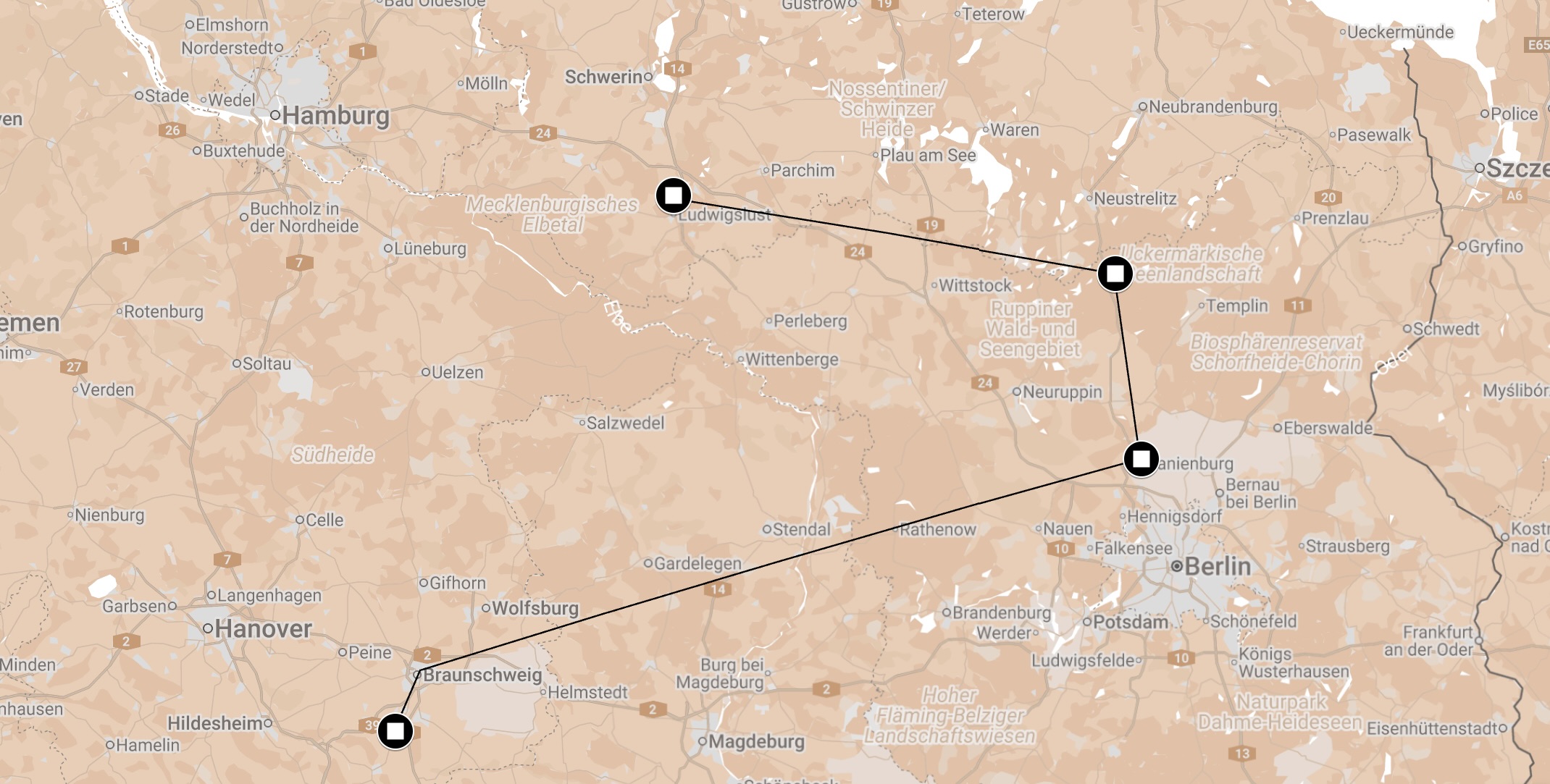
According to a testimony made by Israel Gastfruend, later Paul Gast, to the United States Holocaust Memorial Museum the train went to Sachsenhausen-Oranienburg were it was rejected because the camp was over-crowded. The train then travelled on to Ravensbrück.
While in Ravensbrück the prisoners received 5kg Red Cross parcels, containing canned meat and fish, powdered milk, margarine, soap, and cigarettes. Jews received two parcels per person.
On 24 April, Jewish prisoners were evacuated by train from Ravensbrück in the direction of Hamburg; they were told in the camp that, under the terms of an agreement with the Swedish Red Cross, they were due to be transferred to Sweden. As a result of mistaken Allied bombing, the train could not go on, and the prisoners were returned to Ravensbrück. This transport included members of the Boys as Paul Gast has testified.
On 27 April, they were moved to the Lugwiglust-Wöbbelin collection camp, then under construction.

 About
About History
 Education
 Quilts
 FIlms
FIlms Photos
 News Media & Events
 Publications
 Donate