After liberation, members of the Boys spent months living in displaced persons (DP) camps. Many of the Boys had been slave labourers in the Nazi concentration camp system.
DP camps were temporary housing established for displaced persons and former inmates of the Nazi concentration camps. The camps were set up in Germany, Austria and Italy after World War II by the Allied forces. Feldafing was one of these.
The Boys were teenage and child-Holocaust survivors, who were brought to the UK after the war for rest and rehabilitation.
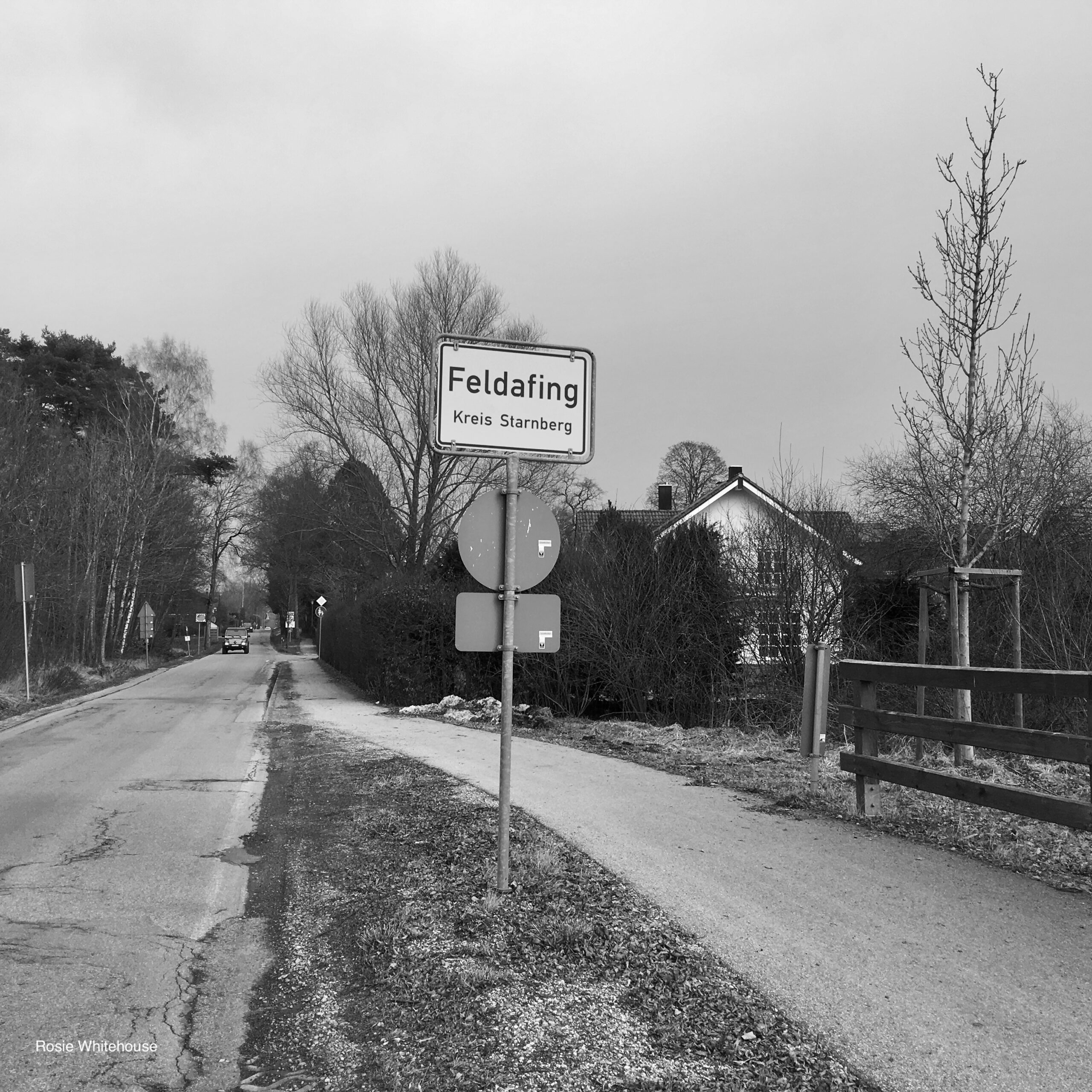
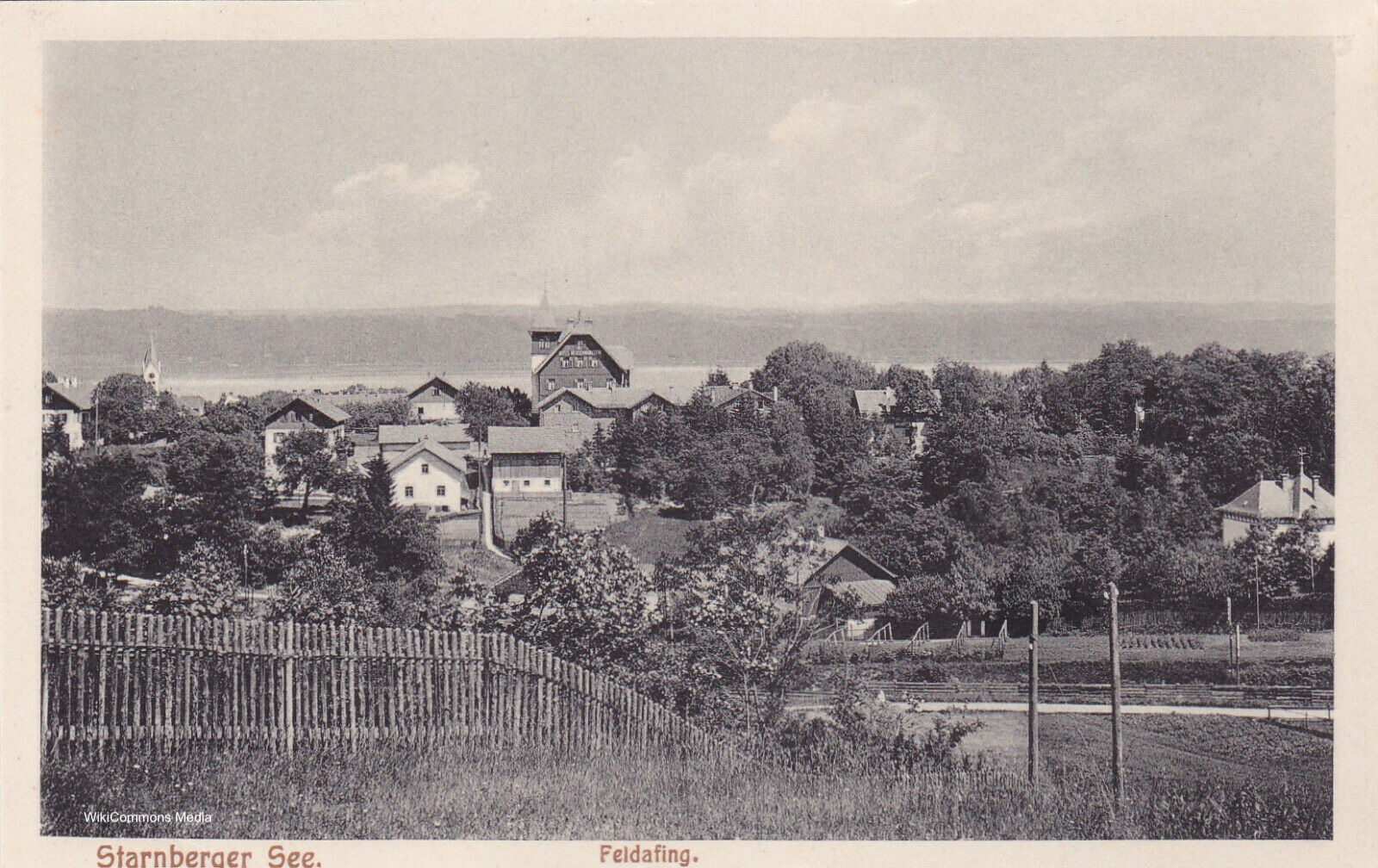
Modern-day Feldafing.
Overview
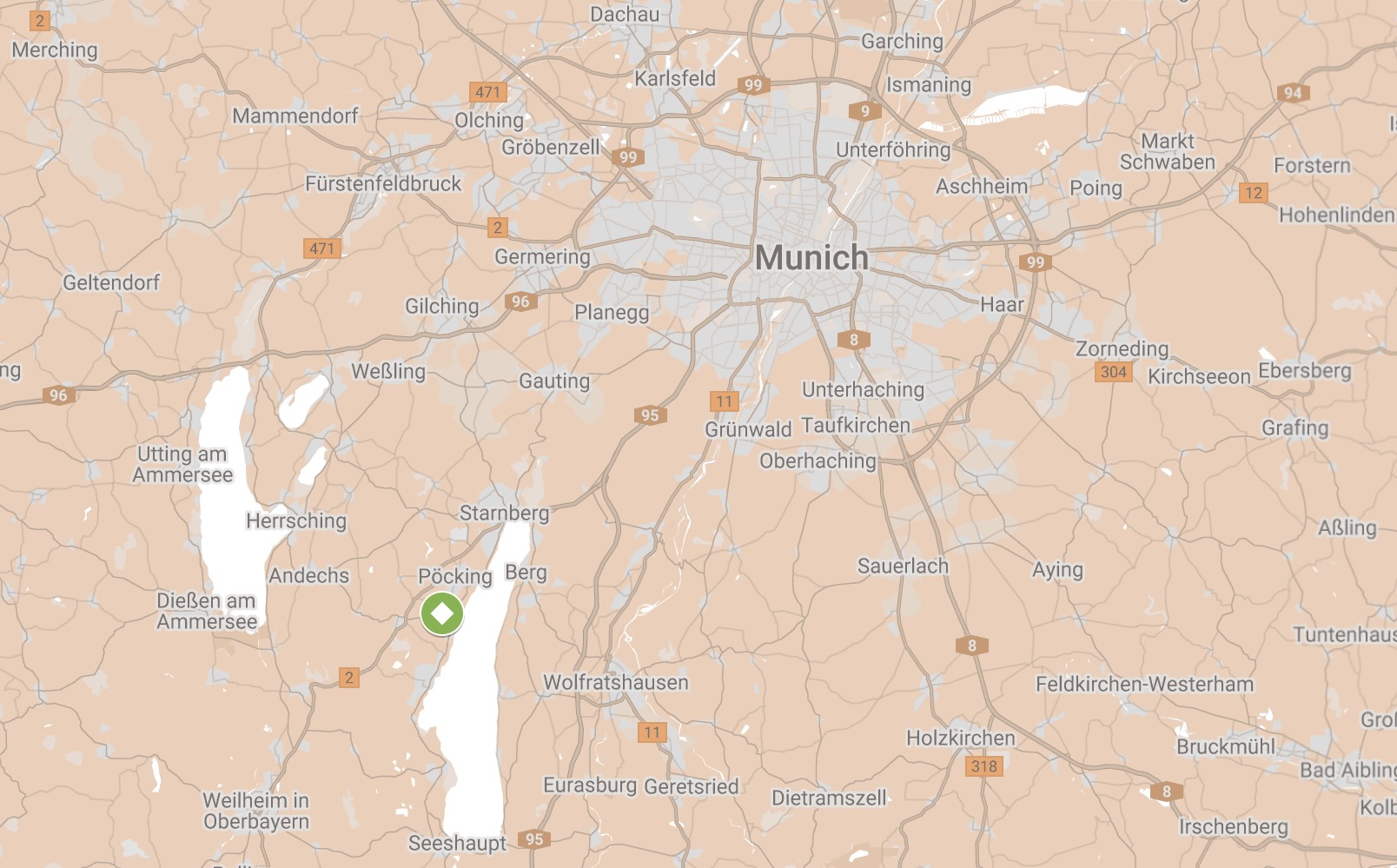
Feldafing was the first DP camp exclusively for Jews. The camp was located 32km southwest of Munich, in Bavaria. The region was then in the American occupied zone. Many of the Boys who spent time in the Feldafing camp had been liberated by the American army on death marches and death trains in April 1945. A number had been slave labourers at the nearby Kaufering camp complex, north of Landsberg.
The First Jewish DP Camp
Immediately after the liberation, Holocaust survivors were categorised by nationality and many found themselves in camps alongside their co-nationals who held antisemitic views and had even persecuted them in the Nazi concentration camps. Feldafing opened in May 1945 and held Hungarian Jews and non-Jews from Poland and Hungary. However in July 1945, when a campaign by the US Army chaplain Abraham Klausner led to the Harrison Report, Feldafing became the first exclusively Jewish DP camp. It thus played an important role in Jewish history as it was the first time Jews were recognised as a national group. Camps like Feldafing were unique to the American zone.
Structure
As with many displaced persons’ camps, the DP camp was in a former Nazi base which had held prisoners of war and housed a Hitler Youth summer camp. The camp was made up of brick and wooden barracks and large villas that had been requisitioned by the Germans.
Feldafing is on Lake Starnberg and Ivor Perl, still remembers it as an idyllic place. He and his brother spent a lot of time playing about on the shore and swimming in the lake.
The Boys, all teenagers, were left to their own devices much of the time and often went into Munich. They did not have to pay for the train tickets, as was the case across Germany. In Munich, they traded on the black market. Some of the Boys who did not smoke traded their cigarette rations for other goods and at one point Perl was arrested for black marketeering.
Daily Life
There were about 450 teenagers in the camp, housed in a children’s barracks. Jewish life in Feldafing was dynamic. There was a significant religious, political and Zionist revival as a result the members of the Boys who spent three months in Feldafing had the experience of living in a Jewish community, in which survivors were not only recuperating but also finding their voice. There was an emphasis on education and training, as well as a lively cultural life. Rabbi Halberstam cared for the children and became a leading religious figure at Feldafing, acting as a father figure to many of the young survivors.
Rabbi Yekutiel Yehudah Halberstam
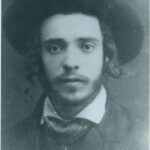
Young Rabbi Halberstam
During the Holocaust, he was imprisoned in several camps, including Auschwitz, Gross-Rosen and Dachau. His wife and 11 children were murdered. Somehow, he continued to act as a leader and offer spiritual guidance to fellow prisoners.
After liberation in 1945, Halberstam established a yeshiva at Feldafing DP camp and worked to rebuild Jewish religious and communal life. His leadership offered comfort and purpose to many displaced survivors searching for faith and direction after the war.
Ivor Perl remembers the important role Rabbi Halberstam played in caring for the orphans. Both Perl and his brother Abraham Perlmutter, also one of the Boys, wanted to settle in Palestine, like so many of the survivors. Unsure as to what they should do when they heard that a group of youngsters were being taken to Britain, they consulted Halberstam, who told them to seize the opportunity.
In 1947, Halberstam emigrated to the United States, and later to Israel, where he founded the Kiryat Sanz community in Netanya and established the Laniado Hospital, dedicated to medical care guided by Jewish ethics and compassion.
He died in Netanya, Israel, in 1994, aged 89.
Yom Kippur 1945
Rabbi Halberstam led the services at the first Rosh Hashanah (Jewish New Year) and Yom Kippur holidays after the Holocaust. For the young survivors it was a highly significant moment, as without parents to bless them, they were confronted with the terrible loss of their families. He offered to bless many of them.
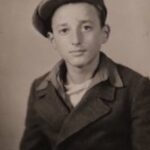
Ivor Perl in 1945 after the liberation.
“A huge warehouse was used as the synagogue, with the rabbi at its head. Although the place was enormous, by the time we arrived it was nearly full and their were no more prayer books. We followed the service as best we could, but being Rosh Hashanah, the praying was very emotional, with a lot of tears.
For Yom Kippur we made sure we got there early, to get a prayer book for Yizkor, (prayer for the dead). The place filled up even sooner than before. When the time came for Yizkor, the atmosphere became charged with emotion. As is the custom, the rabbi gave a sermon that ended with the meaning of Yizkor. There was not a dry eye in the place. The cantor who took the service had a beautiful voice and as soon as he began the prayer there was wailing, screaming and crying. Everyone there had lost loved ones and this was just too much to bear. It hit me then that I would never feel my mother’s arms around me or see my father or the rest of my brothers and sisters. The tears poured out of me. I could not stand it any longer and ran out of the synagogue.”
Ivor Perl, Chicken Soup Under the Tree: A Journey to Hell and Back (Lemon Soul, 2023).
Perl was 13 years old when he was in the Feldafing DP camp.
Despite the improvements in the way Jewish DPs were cared for in the American-occupied zone, General Patton’s dislike of the DPs was no secret. Patton, a U.S. military commander who led the Third Army in Europe during the war, was appointed military governor of Bavaria after Germany’s surrender. He oversaw the administration of DP camps including Feldafing. Patton’s deep-seated antisemitism was evident in his private writings. In his diary entry from 15 September 1945, he wrote that displaced persons were, he believed, not human beings, “and this applies particularly to the Jews who are lower than animals”.
As described by Rosie Whitehouse in People on the Beach: Journeys to Freedom After the Holocaust (Hurst, 2020), Patton’s dislike of the Jews was clear when he visited Feldafing on Yom Kippur. He wrote in his diary: “This happened to be the feast of Yom Kippur, so they were all collected in a large wooden building which they called a synagogue … which was packed with the greatest stinking bunch of humanity I have ever seen. When we got about halfway up, the head rabbi, who was dressed in a fur hat similar to that worn by Henry VIII of England and in a surplice heavily embroidered and very filthy, came down to meet the General.”
Patton’s attitudes and his failure to improve the conditions in the DP camps led to widespread criticism, including the Harrison Report, an inspection report by US envoy Earl G. Harrison, which compared the treatment of Jewish survivors in the American zone to the conditions they had suffered under the Nazis—“except that we do not exterminate them.” Patton was reassigned from his command in October 1945.
In October 1945, the children in Feldafing were moved to the Föhrenwald DP camp. Halberstam also moved to Föhrenwald, which he turned into the centre of religious Jewish life for all the DP camps.
Memorialisation
The Feldafing DP camp has no dedicated memorial on its original site.
 About
About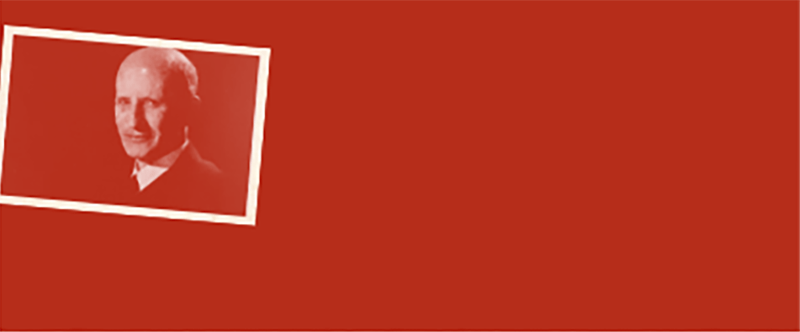 History
 Education
 Quilts
 FIlms
FIlms Photos
 News Media & Events
 Publications
 Donate