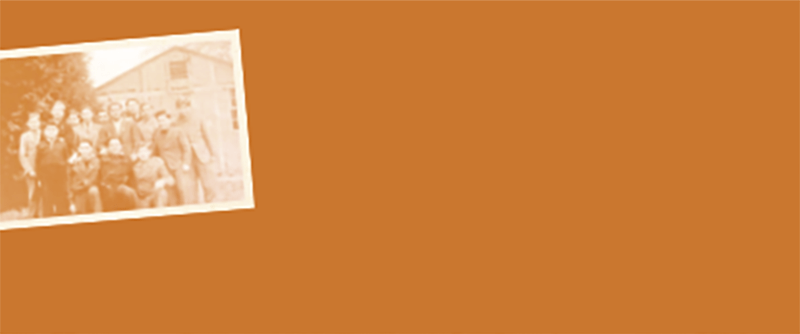
After liberation, members of the Boys spent months living in displaced persons (DP) camps. Many of the Boys had been slave labourers in the Nazi concentration camp system.
DP camps were temporary housing established for displaced persons and former inmates of the Nazi concentration camps. The camps were set up in Germany, Austria and Italy after World War II by the Allied forces. St Ottilien was one of these.
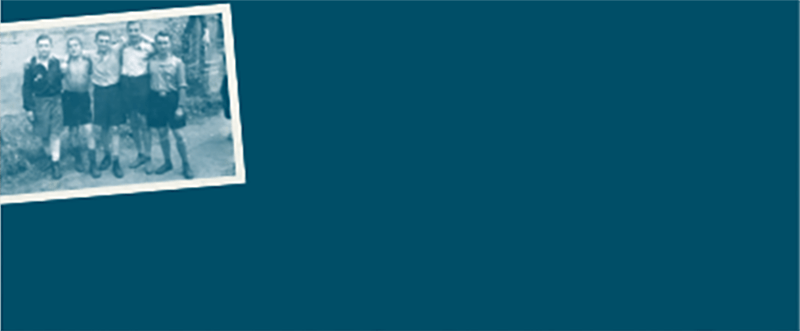
The Boys were teenage and child-Holocaust survivors, who were brought to the UK after the war for rest and rehabilitation.
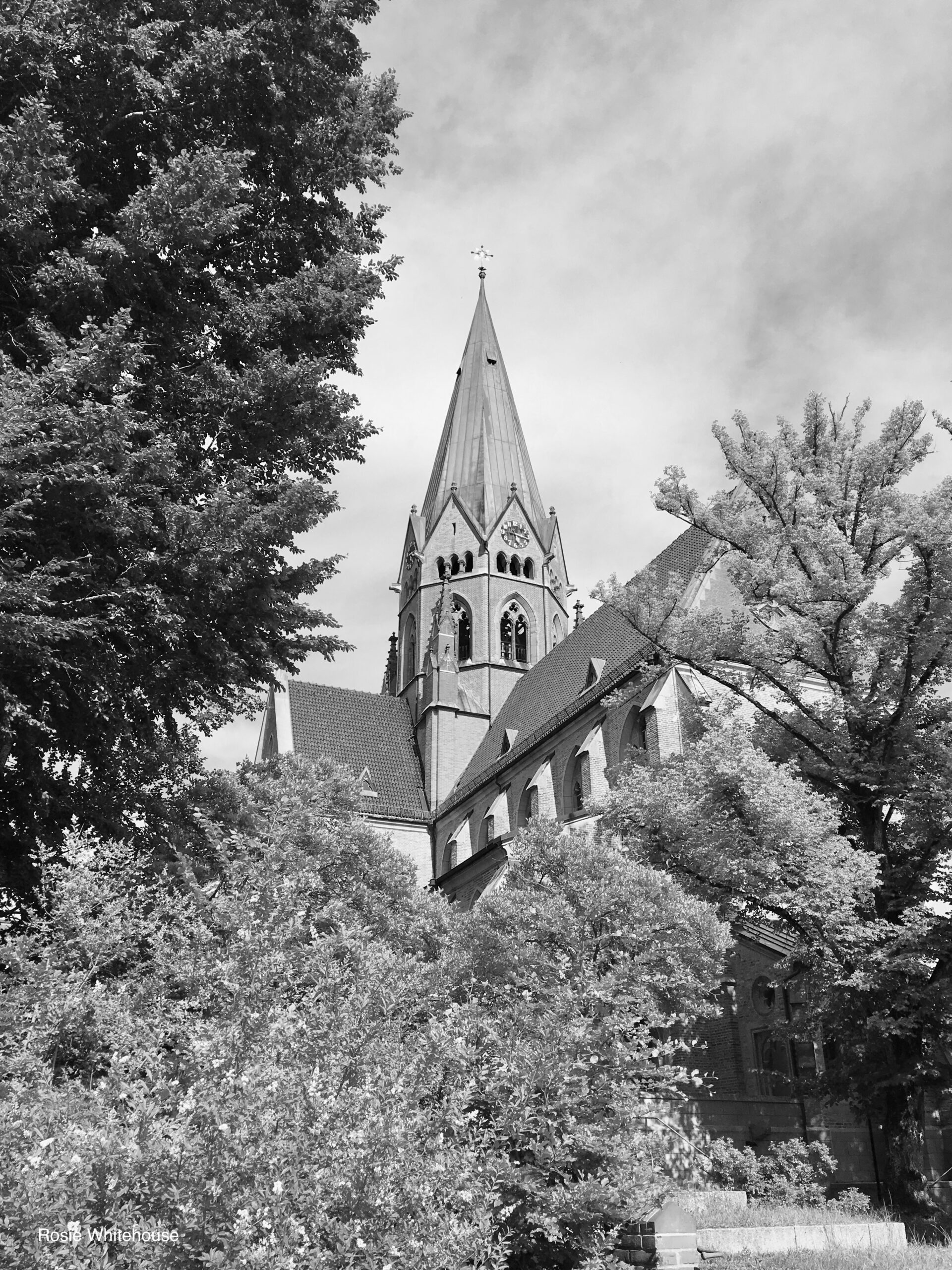
St Otillien Monastery, Bavaria.
Overview
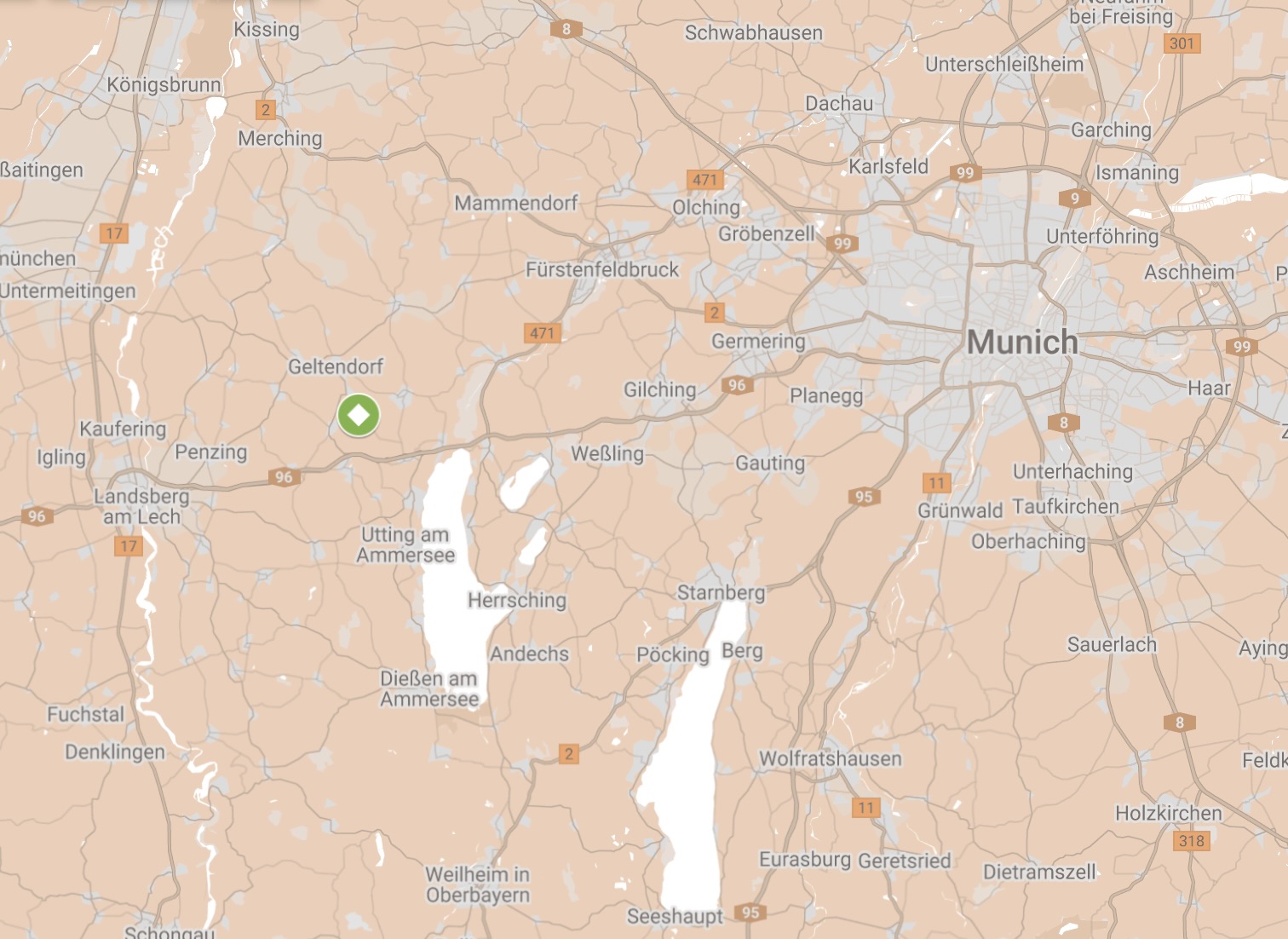
Within days of the liberation, St Ottilien monastery, 47km west of Munich, was organised as a hospital for wounded survivors by a young doctor from the Kovno Ghetto, Dr Zalman Grinberg. Grinberg had been a prisoner in the Kaufering subcamp of Dachau.
In late April 1945, a trainload of 3,500 Jewish prisoners was being moved from the Kaufering camp, when it was strafed by US fighter planes in the village of Schwabhausen. When nearby ammunition exploded during the attack, the SS guards fled in the chaos.
With the help of the American soldiers, who soon arrived on the scene, Dr Grinberg was able to commander the monastery as a hospital. Some of the Boys were on the train and were among the 800 survivors taken to St Ottilien.
As Vili and Hersch Zelkovic recovered from their injuries at the hospital, an important concert was held at St Ottilien. Zalman Grinberg made a rousing speech calling for the establishment of a Jewish state. He was later elected as the head of the Committee of the Liberated Jews of Bavaria, who held their first conference at St Ottilien.
The Harrison Report
When the monastery was recognised as a DP camp, American military police arrived and surrounded the camp with barbed wire. Food was scarce, and when one survivor was shot by a guard when attempting to leave the camp, two young American soldiers, who had befriended the survivors, wrote hundreds of letters to US officials and Jewish organisations in America. News of the incident reached the White House, prompting President Truman to dispatch his envoy Earl G. Harrison to investigate conditions in the DP camps in the American-occupied zone.
The resulting Harrison Report, delivered in August 1945, marked a turning point. It condemned the treatment and suffering of Jewish survivors and emphasised their need for separate care, Among its key recommendations was the creation of separate Jewish DP camp, which led to various reforms across the American zone.
Once the original prisoners had recovered, St Ottilien became the only exclusively Jewish maternity hospital in post-war Germany. More than 400 babies were born there, and the hospital served survivors from across the American-occupied zone, remaining in operation until the early 1950s.
Memorialisation
The story of the DP hospital at St Ottilien has been remembered in a permanent exhibition, educational programmes and conferences.
 About
About History
 Education
 Quilts
 FIlms
FIlms Photos
 News Media & Events
 Publications
 Donate