
After liberation, members of the Boys spent months living in displaced persons (DP) camps. Many of the Boys had been slave labourers in the Nazi concentration camp system.
DP camps were temporary housing established for displaced persons and former inmates of the Nazi concentration camps. The camps were set up in Germany, Austria and Italy after World War II by the Allied forces. Terezín was one of these, and is also known by its German name Theresienstadt.
The Boys were teenage and child-Holocaust survivors, who were brought to the UK after the war for rest and rehabilitation.
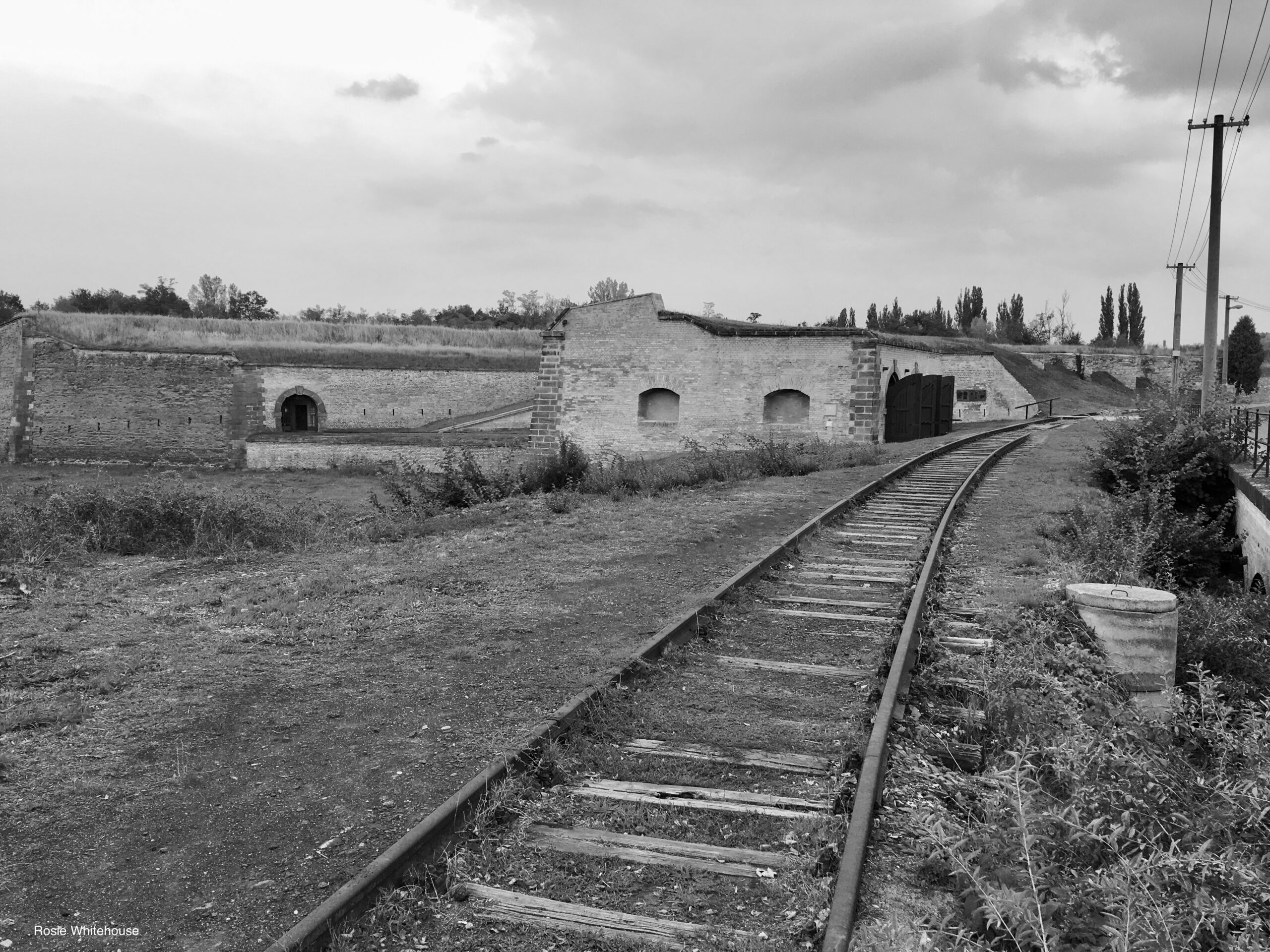
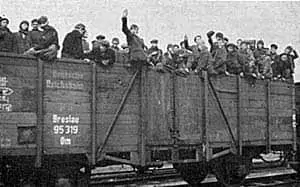
Railway lines in the former Theresienstadt Ghetto.
Overview
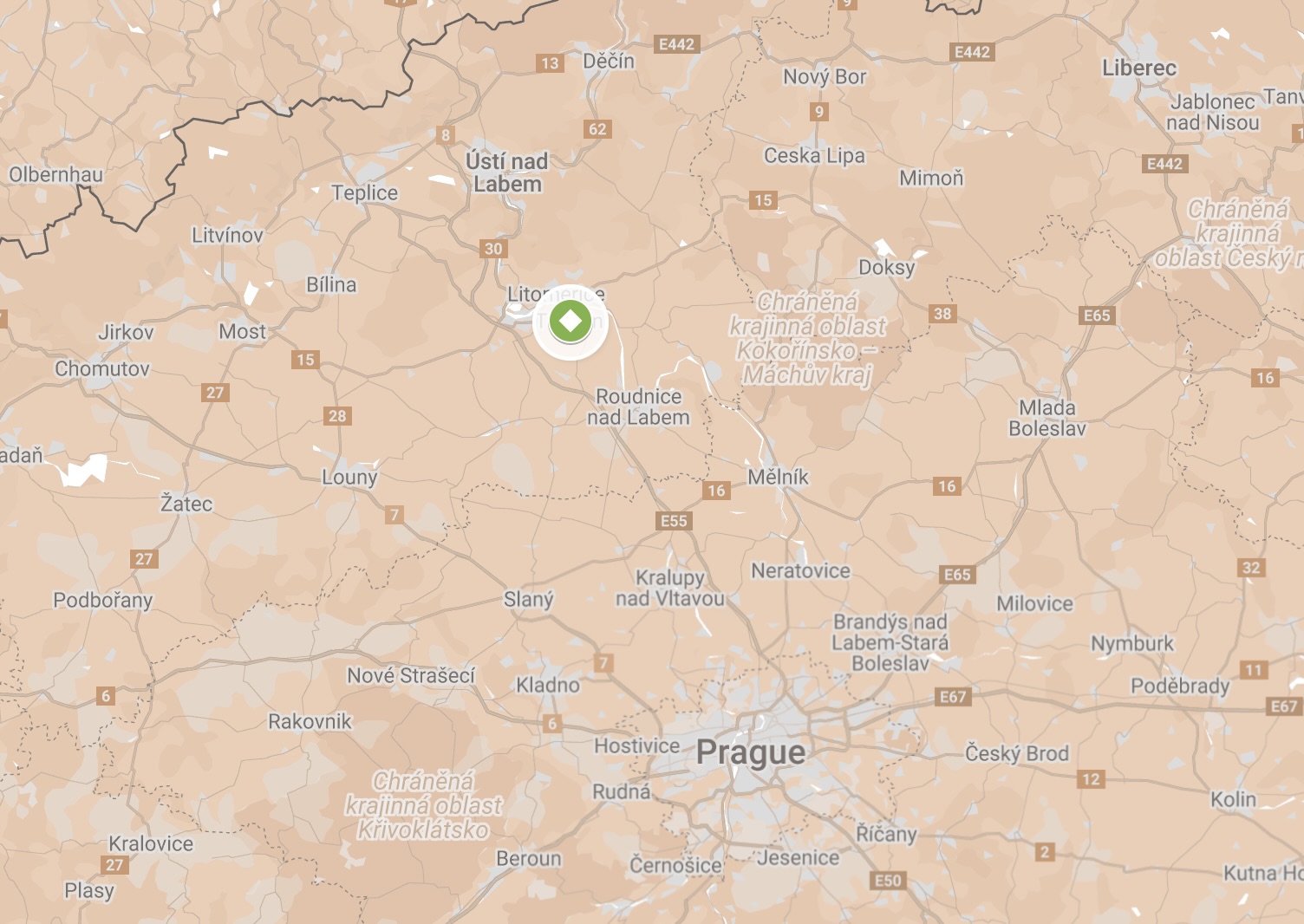
Terezín is a former Austro-Hungarian garrison town and fortress 60km northwest of Prague. It was used as a ghetto by the Nazis and played a unique role in the Holocaust.
Many of the Boys were liberated in Theresienstadt by the Soviet Red Army on 8 May 1945. Almost 50 of the Boys had spent a number of years living in the Theresienstadt Ghetto, but the majority of the Boys had been deported to Theresienstadt in the final weeks of the war from other concentration and labour camps, as part of chaotic death marches and transports during the final weeks of the war. Many of the Boys’ close family members died on the death marches and death trains to the garrison.
Terezín was officially handed over to the International Red Cross on 21 April 1945, although the SS still maintained effective control until liberation. The arrival of thousands of prisoners in the spring of 1945 led to a deadly outbreak of typhus, which would claim the lives of numerous survivors in the days surrounding liberation. They were buried in the camp’s cemetery.
Structure
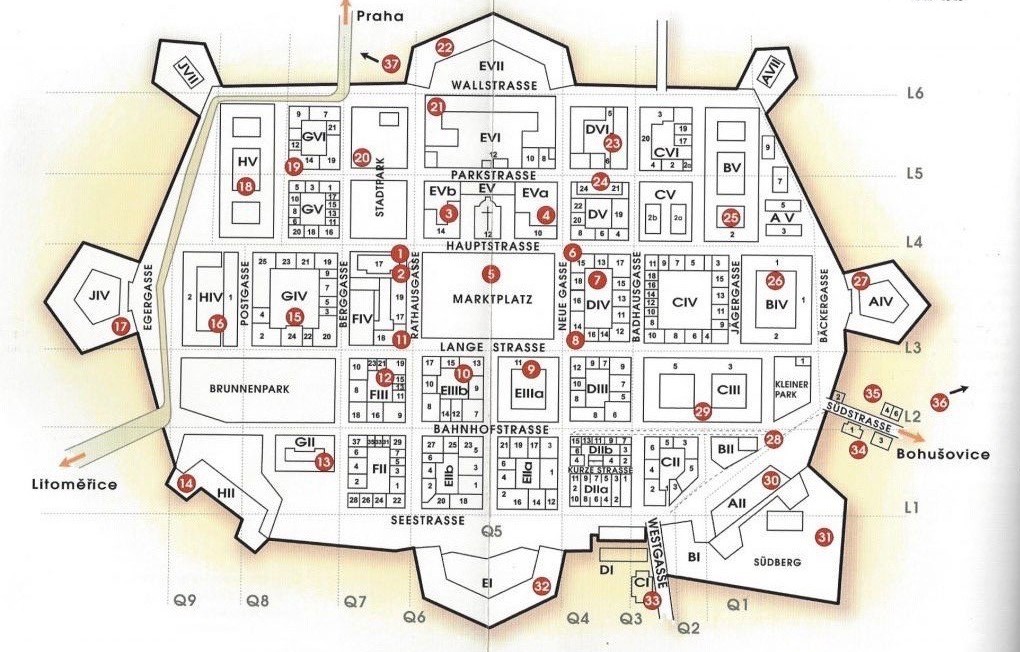
Map of the Theresienstadt Ghetto.
The town of Terezín is made up of two main areas and is surrounded by a star shaped wall and fortifications. The first is the Large Fortress, which is essentially the town itself. This was where most ghetto residents lived during the Nazi occupation and where the DPs were housed. Each of the barracks they lived in was named after a German town.
A short walk across the Ohre River is the Small Fortress, which was a Nazi prison for political prisoners. When the Boys arrived on the death marches in the spring of 1945, those arriving by train entered the ghetto at Sudstrasse (35). The railway tracks still run alongside the road. Those on the death march from Dresden entered along the road to Litoměřice to the north. The Boys were housed in the Magdeburg Barracks (25) before leaving for Britain.
The north of Marktplatz is dominated by the Town Hall (2), which was the HQ of the Red Army after the liberation. A plaque records their efforts to deal with the typhus epidemic.
The First Days
The Soviet commanders announced that for first 24 hours after their liberation the survivors were free to do as they wished. Most of them rushed to the nearby town of Litoměřice. There was a mass looting of the shops and banks. Most survivors looked for food but some did carry out revenge attacks on Germans. There is, however, no record of members of the Boys taking physical revenge on their former captors. Indeed, most of them were surprised that they had no desire to seek revenge but they took pleasure in watching the German soldiers captured by the Russians being marched away.
David Herman London, c. 1946.
“I do not know how I found the strength to make the journey into Leitmeritz [Litoměřice] that day. The typhus had made me desperately weak, and I was running a high temperature. With crusts of my sandwich in my hand, Vrumi and I started walking back to the camp. As we moved slowly along, some other survivors pushed past as they carried off large oil paintings with gold, ornate frames. Others were loading valuable antique furniture and ornaments onto horse drawn carts, which they carried back to Theresienstadt. As I looked at these treasures, undamaged by the war, I began to feel sick. I then vomited most of what I had eaten. Indeed, several hundreds of inmates who had survived the war, died in the days after the liberation as a result of gorging themselves on food that their starving bodies could not digest.
This was the fate of my Uncle Itzig Beir … Itzig had always had a greedy nature, and he was now struggling along under the weight of a large piece of smoked meat that he had looted from a shop.”
David Herman, David’s Story (2016).
Herman was 18 years old when he was liberated in Theresienstadt with his 15-year-old brother Abraham. Their uncle died in Theresienstadt and is buried in the cemetery.
Following liberation, the camp was placed under the control of the Czech Ministry of Domestic Affairs. The Czech Aid Project to Help the Prisoners at Terezín was established and requested that the Red Army impose a quarantine to try to contain the typhus outbreak.
Ragdolls Henry Golde
“The soldiers weren’t very friendly. The women were afraid to be alone, not only at night, but when walking the streets by day or night. They complained to the authorities about being raped by the soldiers, but all were given a deaf ear. Sometimes, they were scolded by the Russian commandant for enticing the soldiers.
The soldiers stole anything and everything they wanted, and looked like they were drunk all the time. Many times I saw them sitting in a circle with a bucket of water, a slab of raw bacon and a loaf of bread. They passed these among themselves to feast on. It was hard to believe that these were the same kind, considerate, compassionate army men who had liberated us. Now, they were turning into animals.”
Golde had just turned 16 years old when he was liberated.
As soon as the quarantine was lifted, many of the healthier survivors began to leave the camp. Some attempted to return to their hometowns, particularly in Poland, only to face antisemitic violence and rejection, forcing them to return to Terezín. Others made their way to Prague, while some chose to remain in the camp, hoping to trace missing relatives with the help of the Red Cross.
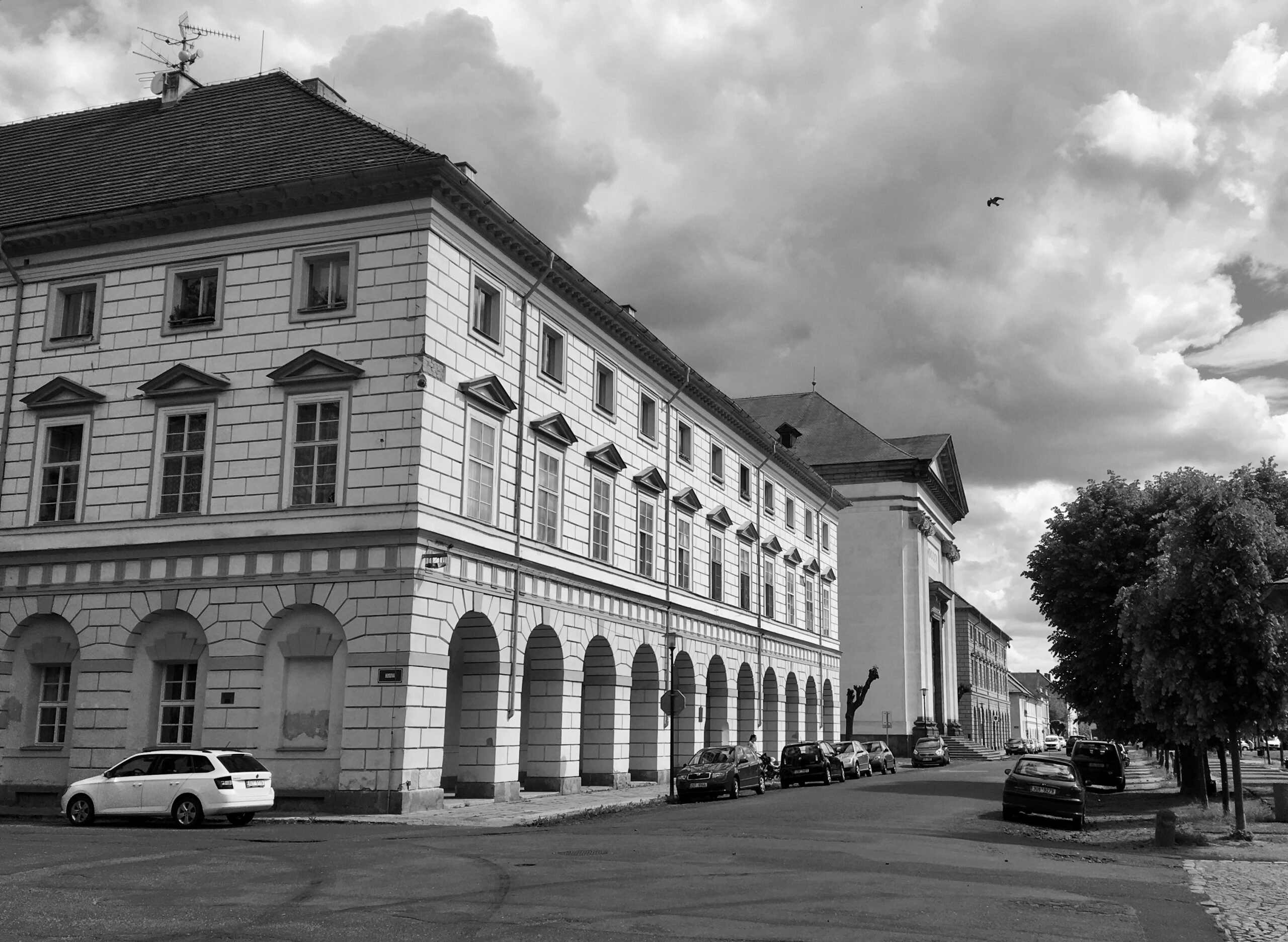
Modern-day Terezín.
Those who stayed in Terezín were largely left to their own devices. It was at this point that the teenage survivor’s older brothers stepped in to organise activities and structure their lives. Sam and Isidore Rosenblat and Isaac Finkelstein had been involved in Zionist youth groups before the war. These groups had remained active in the ghettos. They now picked up where they had left off.
Sidney Finkel passing Gad Josef to his older brother as they arrive in Windermere in August 1945.
“I was free and being taken care of but I didn’t belong to any country. I had no citizenship. Our experiences in the Holocaust and the extermination of our family made us all feel that Poland was not a fit country for Jews to live in. No matter where I ended up, I was adamant that I would never return to Poland. Most of us were hoping to live in a Jewish state of Israel. We were being prepared and trained for the difficult task of becoming pioneers in founding the state of Israel. We were given training in various aspects of the new state. A group known as Zionist would take us into the Czech countryside on marches. The countryside was beautiful, and I especially liked passing fruit orchards where I picked peaches from the trees. Our leader rebuked me for stealing food, but I didn’t understand. I felt this was a necessity of life.”
Sevek Finkelstein, later Sidney Finkel, Sevek and the Holocaust: The Boy who refused to Die (2006). Finkel was 14 years old in the months after the liberation.
Becoming the Boys
Although many of the Boys were close friends by the end of the war, they were not yet one unified group. After the liberation, it was the actions of three young men, originally from Piotrków in Poland, that kick-started the story of the Boys.
Sam and Isidore Rosenblat had survived with their younger brother Herman and became aware that there were many unattached and bewildered orphans wandering around Terezín, who were not lucky enough to have older brothers. With the help of the Soviet military authorities, they managed to house the teenagers in a barracks on their own. The two brothers moved in to oversee the boys and girls, as did Isaac Finkelstein, who had survived with his younger brother Sevek, now Sidney Finkel.
The camp authorities assigned two German women to care for the youngsters. Etta Veit Simon was half Jewish and her mother Irmgard Veit Simon, a Christian. Etta had been sent to Theresienstadt in 1942 with her sister Ruth, who died there in 1943. When the war finished Etta was put in charge of a group of Jewish German children being repatriated to Berlin. When she arrived home, she discovered Soviet soldiers had raped her mother, so she brought her back to the comparative safety of Theresienstadt.
Just as the repatriation of survivors to their home countries got under way, BBC reporter David Graham visited Theresienstadt and reported on the survivors’ condition, bringing their plight to the attention of the British public. Shortly thereafter, Leonard Montefiore of the Central British Fund (CBF) was informed by UNRRA officials in Prague about the presence of young survivors in the camp.
A UNRAA delegation soon arrived in Terezín to assess the group. Solly Irving, one of the Boys, was chosen to welcome the guests. “I was handed a piece of paper telling me what to say,” he later recalled. “I had no idea what I was saying. It was all phonetic English, but everyone clapped when I’d finished speaking.”
Edith Lauer, a former prisoner, oversaw the care of all the 2,000 children in the former ghetto and was allotted the task of drawing up a list of the 300 children who would be chosen to come to Britain. Her husband George was a chemist and had worked in the ghetto sanitation department and had been asked to stay behind by the Czech authorities to help contain the typhus epidemic.
Not all the members of the Boys who were liberated at Theresienstadt left with the first group. Some of them chose to stay behind to look for relatives and joined later transports or made their way to the UK individually.
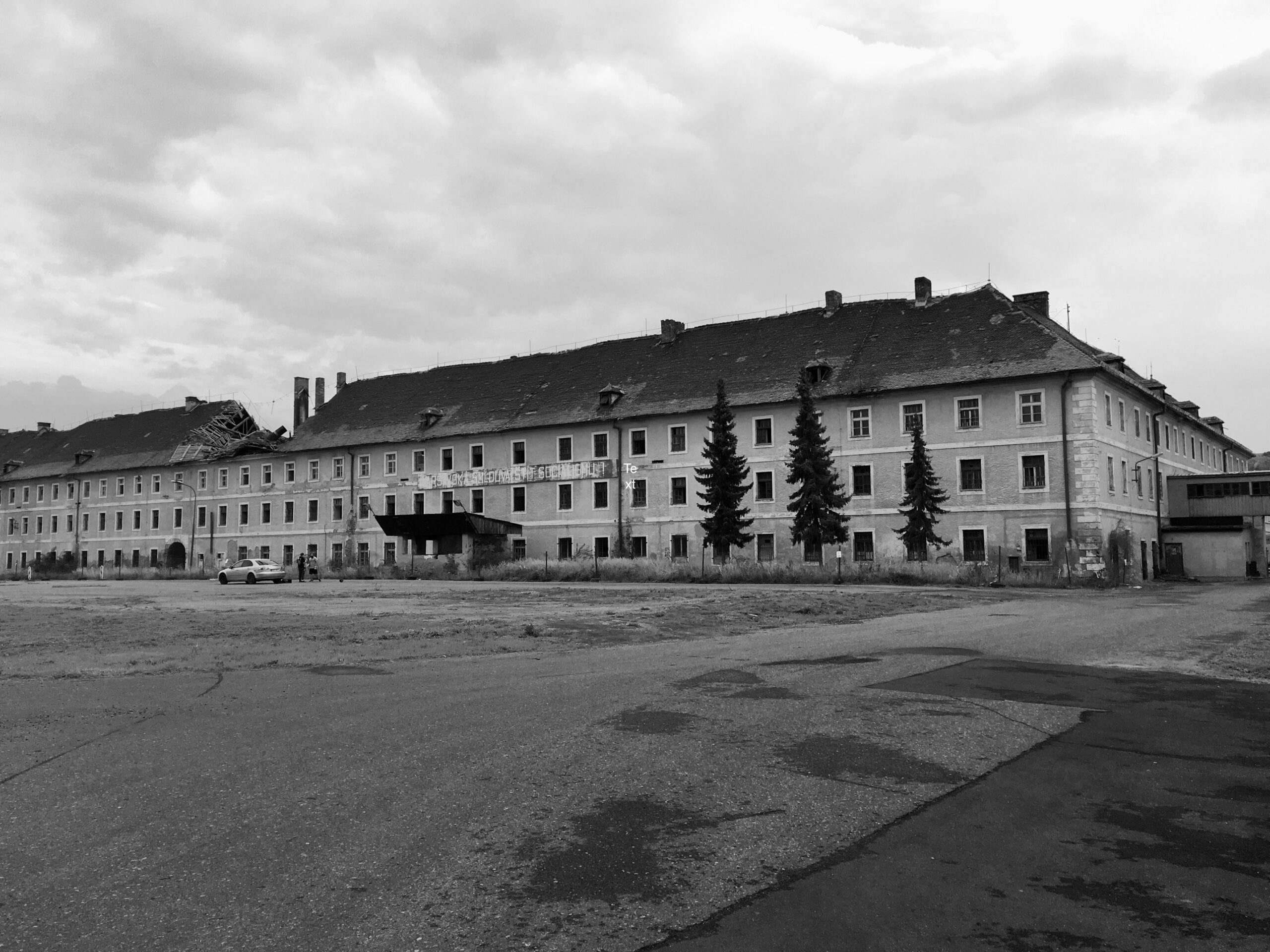
Terezín.
Aftermath
The repatriation of Theresienstadt’s surviving prisoners continued until late August 1945. The former ghetto was then used as a holding centre for ethnic Germans prior to their expulsion from Czechoslovakia. After World War II, Terezín’s original residents returned and it reverted to being a garrison.
Today, it is a down-at-heel place largely because, when the military moved out in 1996, it lost 3,000 of its inhabitants and much of its purpose. The town and its memorial were damaged in severe flooding in 2002.
Severe flooding in 2002 damaged both the town and its Holocaust memorial sites. Today, Terezín is a largely quiet town. The Ghetto Museum, opened after the fall of communism, now tells the story of the camp and the people who lived and died there.

 About
About History
 Education
 Quilts
 FIlms
FIlms Photos
 News Media & Events
 Publications
 Donate