
The ’45 Aid Society Education Team can advise on how to deliver the story of the Boys by booking a suitable speaker and help teachers devise a lesson plan.
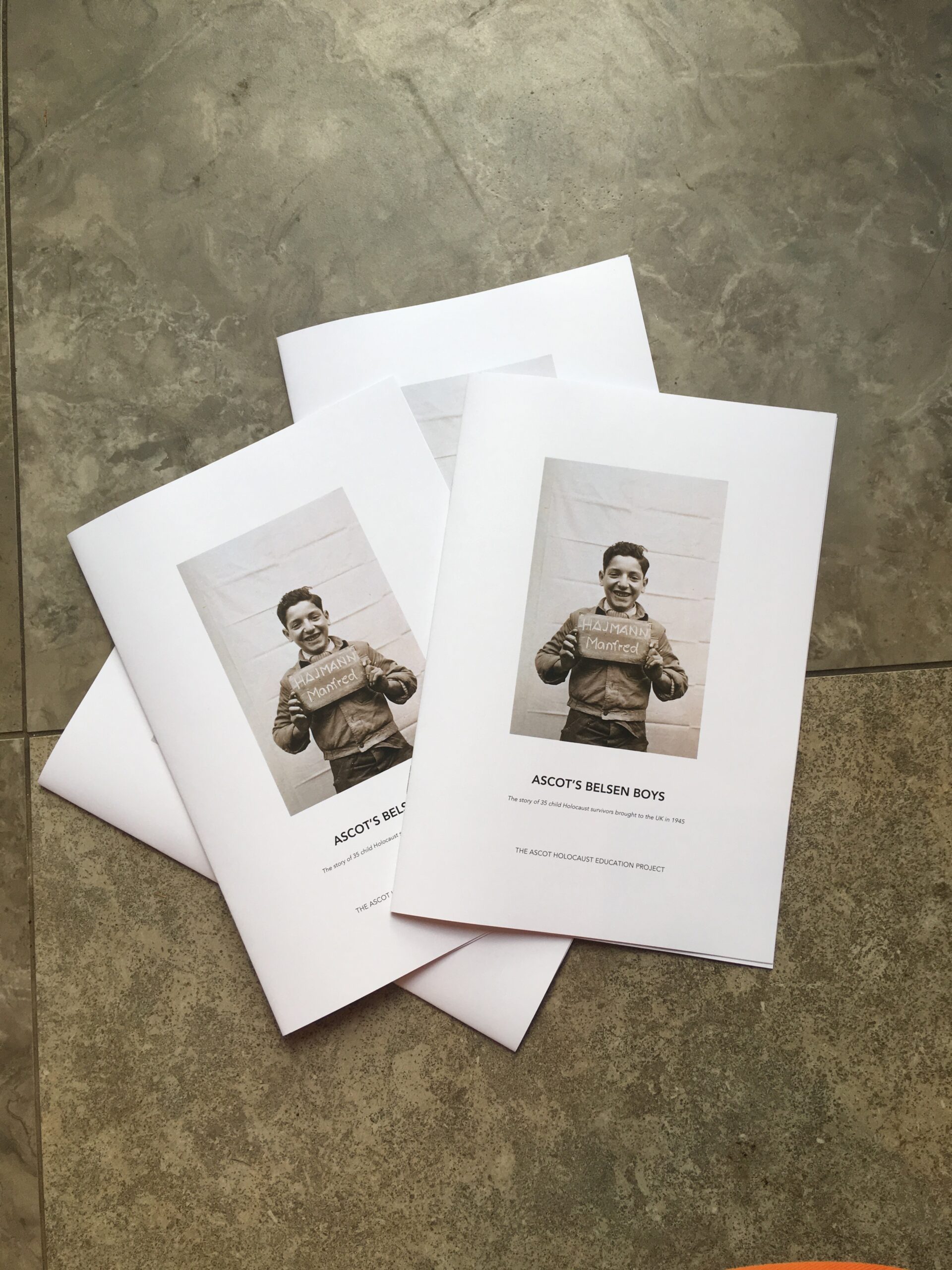
The Boys were teenage and child-Holocaust survivors, who were brought to the UK after World War II for rest and rehabilitation. Members of the Boys were held in Nazi labour and concentration camps and used as slave labourers. They had also survived World War II in hiding or as lone children.
Holocaust education can, if practised effectively, offer a study of history which goes beyond studying the actions of states and governments, engaging students’ in the lives of ordinary people much like themselves.
A Local History Project
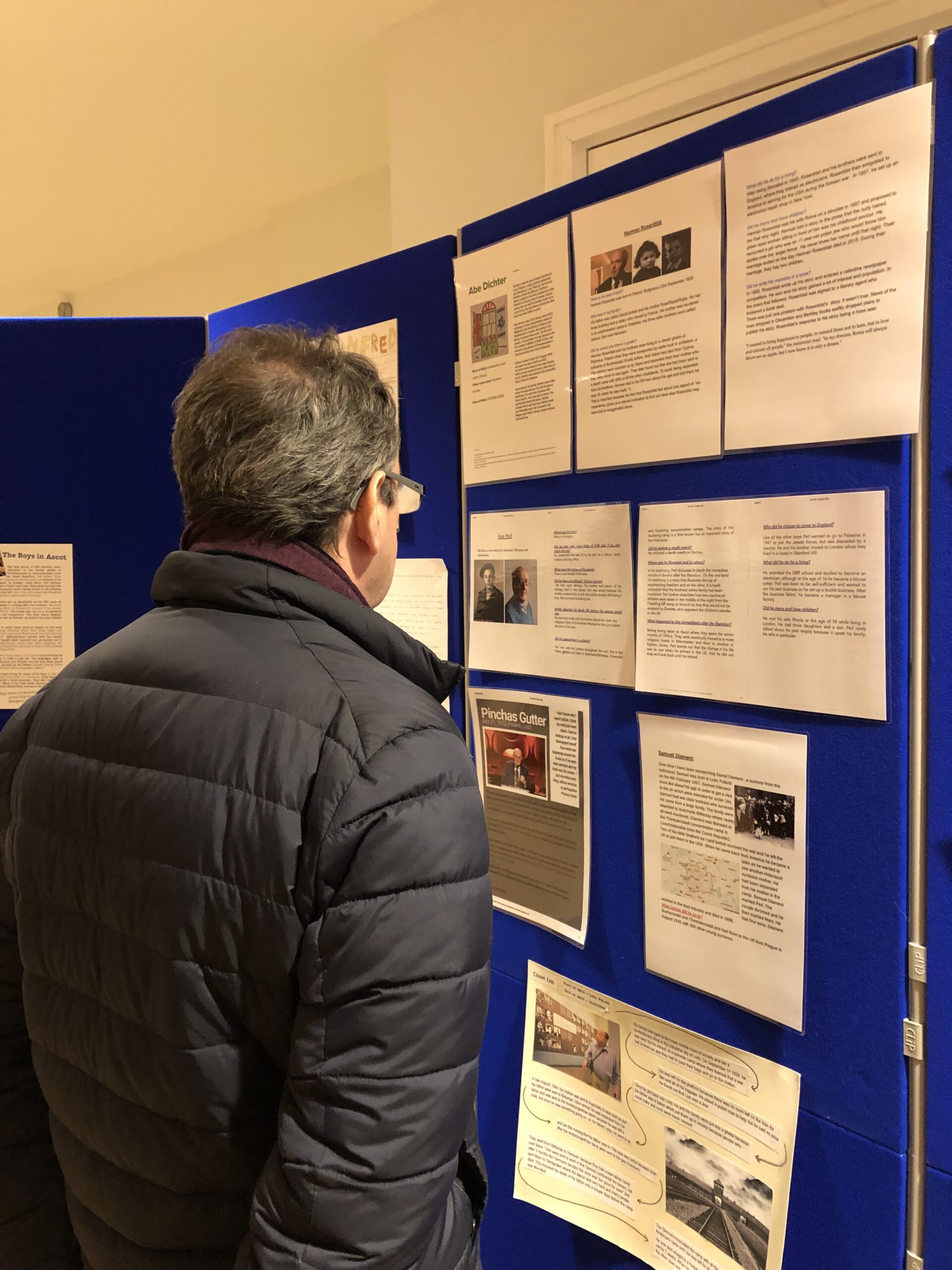
The story of the Boys offers a unique pathway for students to learn about the Holocaust through a local history project by discovering the experiences of young people who survived the Holocaust and were brought to the UK for rehabilitation and recuperation.
The experiences the boys went through affected their physical and mental health but the process of recovery in Britain after World War II helped them to address this. As the profiles on this website reveal, their stories are ones of resilience and hope — and education helps to ensure their legacy is remembered.
Other Approaches
Teachers and students may also choose to focus on a particular town or city from which a group of the Boys originated. This approach provides a window into pre-war Jewish life, rising antisemitism in the 1930s, and the processes of ghettoisation and forced labour that followed.
Why Study the Holocaust?
Studying the Holocaust presents students with challenging questions about what it means to be human — questions that do not have easy answers. This, however, is one of the strengths of Holocaust education; it encourages students to think critically about the world around them and to reflect on issues of identity, behaviour and ethics.
Holocaust education also has contemporary relevance, but it is important to ensure that it is not reduced to simplistic moral lessons. Instead, it should help students to engage with the complexity of the history and its legacies, and to draw their own informed conclusions.
If you would like to book a speaker, download a lesson plan or speak to someone on our education team, please fill in the form below:
Thank you, we will be in touch shortly…

 About
About History
 Education
 Quilts
 FIlms
FIlms Photos
 News Media & Events
 Publications
 Donate