Education

Teachers’ Aids

The ’45 Aid Society is here to support and help teachers who would like to use the story of the Boys to study the Holocaust.

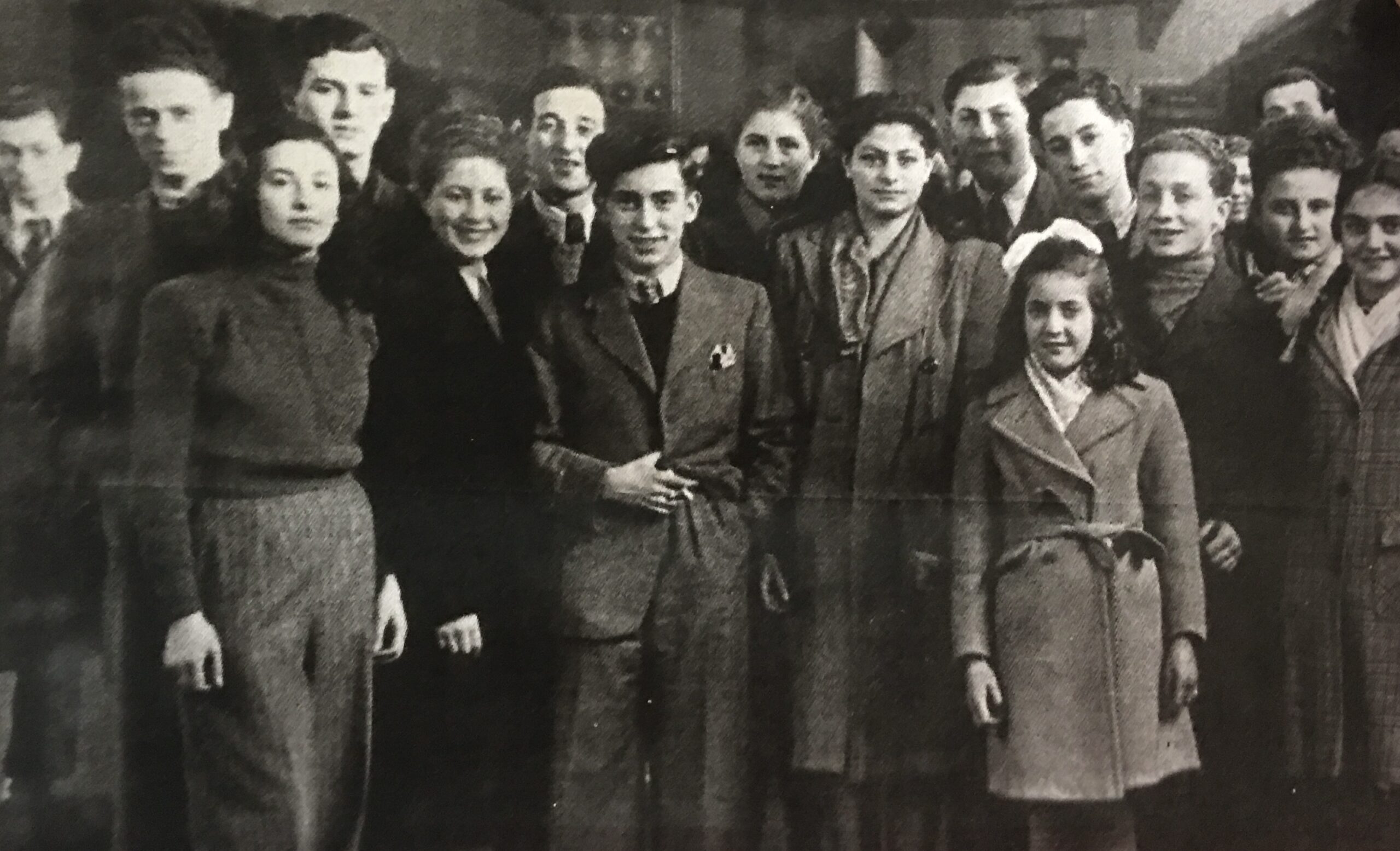
The ’45 Aid Society represents the teenage and child-Holocaust survivors and their descendants who were brought to the UK after World War II for rest and rehabilitation. The group is known as ‘the Boys’ despite the fact that it included over 200 girls.

Members of the Boys were held in Nazi labour and concentration camps and used as slave labourers. They had also survived World War II in hiding or as lone children.

Photograph of Harry Spiro meeting footballers at Chelsea FC, 2018.

Harry Spiro meeting footballers at Chelsea FC, 2018.


Key Questions

What was the Holocaust?

The Holocaust was the systematic, bureaucratic, state-sponsored persecution and murder of over six million Jewish people by the Nazi regime and its collaborators.

It was the radical, violent culmination of antisemitism, occurring between 1933 and 1945, where Jews were targeted for total annihilation.

Who Are the Boys?

The Boys arrived in the UK after World War II on a scheme organised by the Central British Fund for German Jewry (CBF), now World Jewish Relief.

Members of the Boys were held in Nazi labour and concentration camps and used as slave labourers. They had also survived World War II in hiding or as lone children.

Are the Boys the same as Kindertransport?

No. The members of the Boys came to the UK after World War II between 1945 and 1948. The Kindertransport children came to the UK in 1938-39.

There are however some close links between the two groups:

The Central British Fund for German Jewry set up in 1933 organised the Kindertransport. They also organised the four transports of the child survivors who came after the war known as the Boys. The conditions imposed on joining the Boys transports were the same as for Kindertransport – significantly they had to be paid for by the Jewish community and the children had two years leave to remain.

The Committee for the Care of the Children from the Concentration Camps which was set up to care for the Boys was made up of prominent members of the Central British Fund who had organised the Kindertransport.

Many of the senior staff hired by the Central British Fund had been involved in organising and accompanying the Kindertransport. Many of the junior staff who worked in the hostels were on the Kindertransport. The Boys were also often housed in hostels with Kinder from the Kindertransport or attended schools (which had fled Nazi Germany) such as Bunce Court and Stoatley Rough, where many Kinder were also looked after.

The Primrose social club in London was a place where the Kinder and the Boys met and romances began. Many Boys married Kinder.

The lessons learned from the Kindertransport affected the way the Boys were cared for and led to the initial use of hostels rather than foster families.

The Kindertransport also had important repercussions in the DP camps. There were 220 child survivors who were due to come to the UK from the Belsen-Hohne DP camp in 1945 but their transport to the UK was blocked by Zionist and religious survivors. The later quoted the Kindertransport for their opposition to the children going to the UK as many of the Kinder had been placed in Christian homes.

Critical Thinking Questions

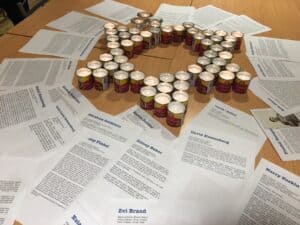
Photograph of Holocaust Memorial Day Ascot Library 2019.

Holocaust Memorial Day Ascot Library 2019.

Critical Thinking Questions are an important way of stimulating discussion in the classroom.

In each of the Teachers’ Corners across this website you find a list of questions that can prompt a deeper understanding of the story of the Boys.

Here is a full list of Critical Thinking Questions designed to accompany the teaching of the Holocaust in schools and colleges from Key Stage 3 upwards.
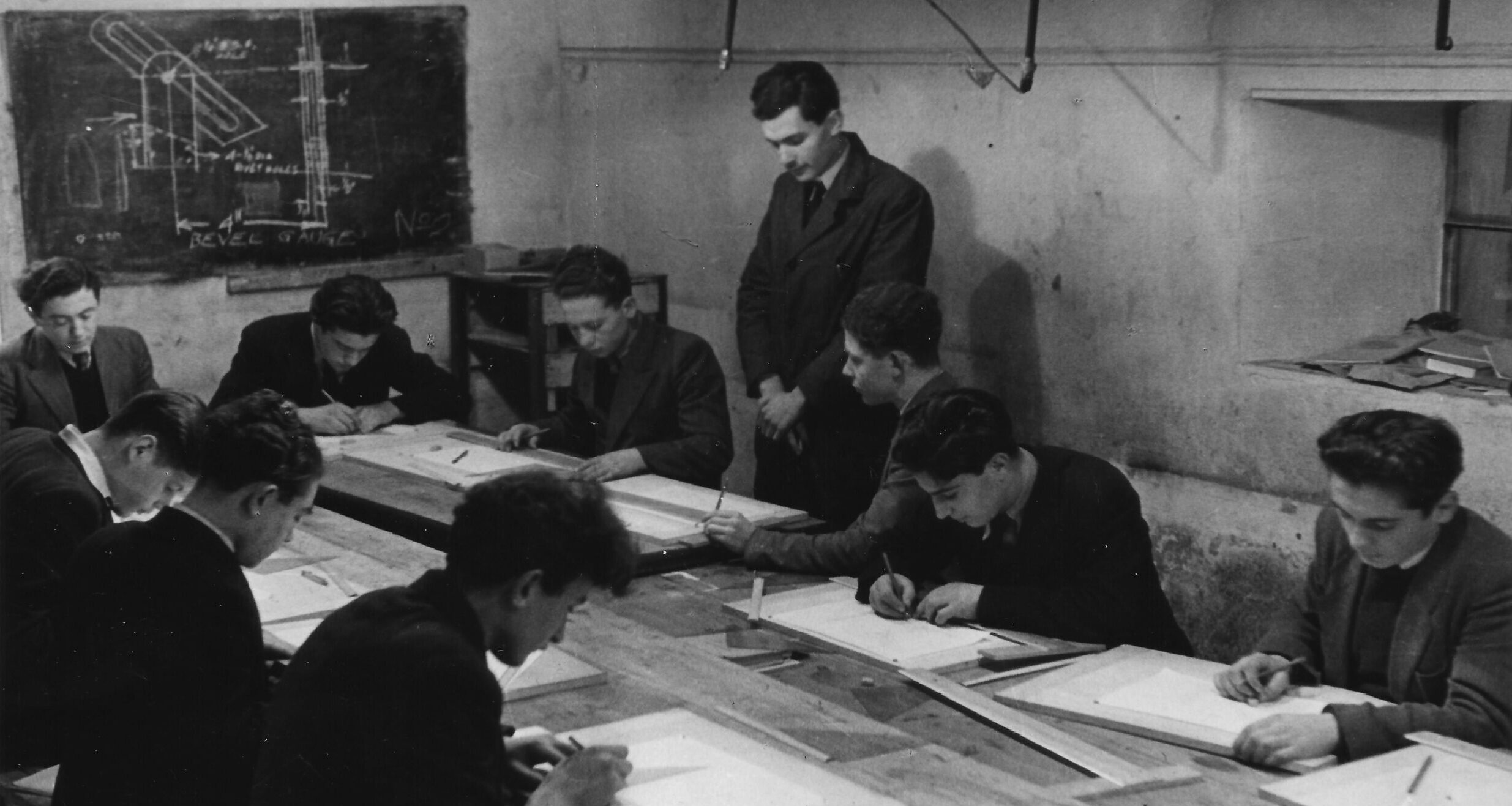
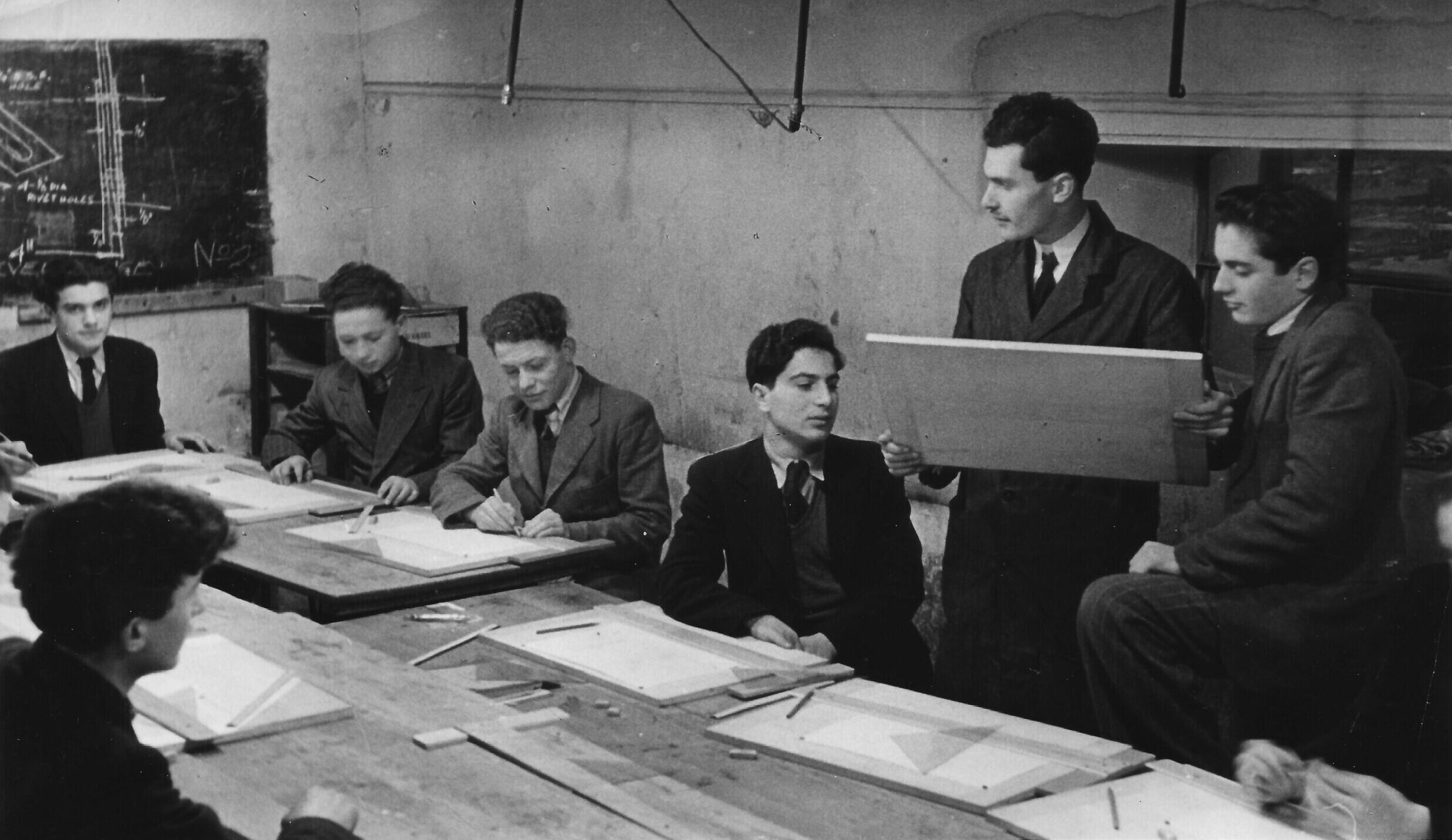
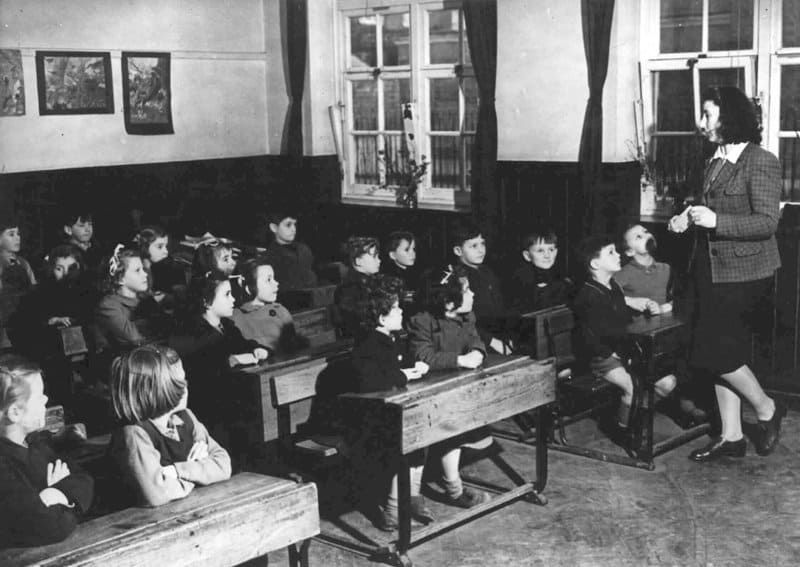
Photograph of an ORT Class (London, England).
Photograph of an ORT Class (London, England)
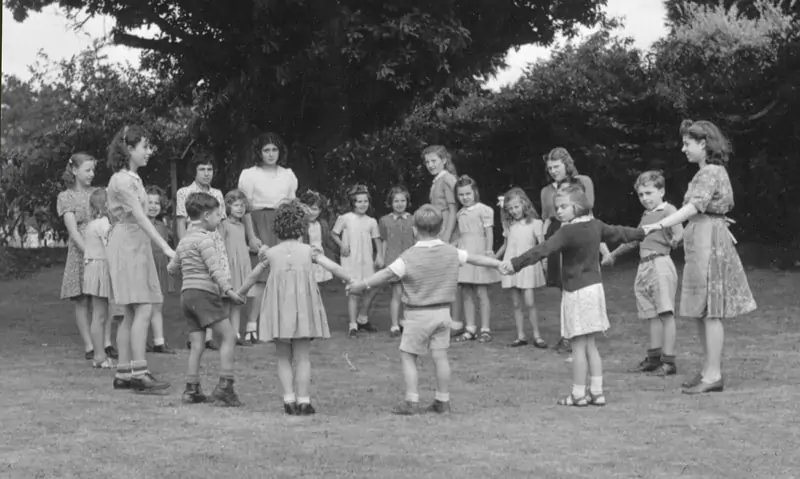
Photograph of the youngest members of the first group of the Boys in the Windermere reception centre 1945.
Ashford Sanatorium, Kent 1946.
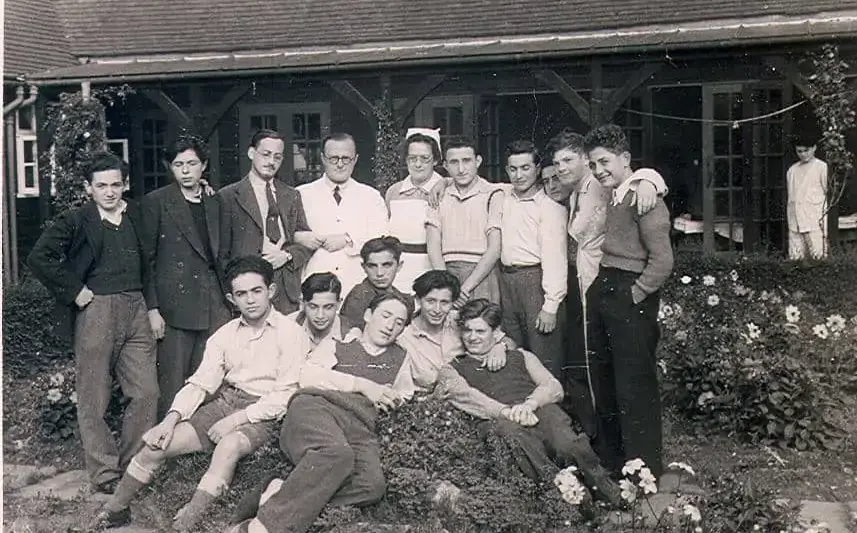
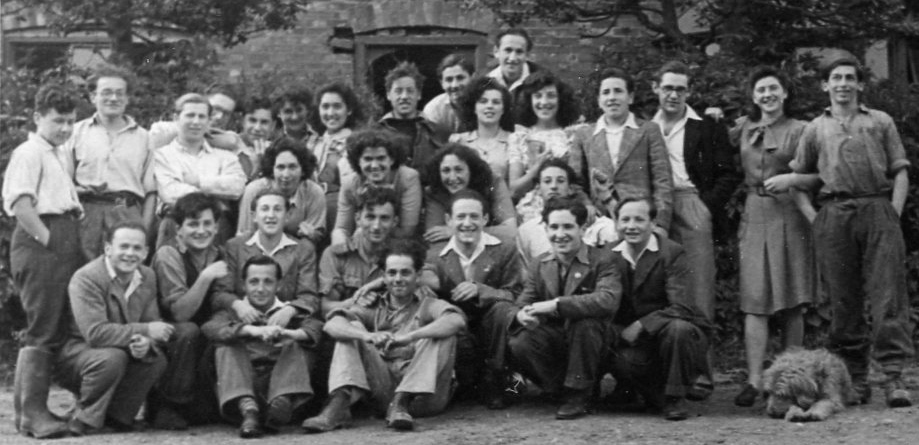
Photograph of Loughton Hostel 1946.
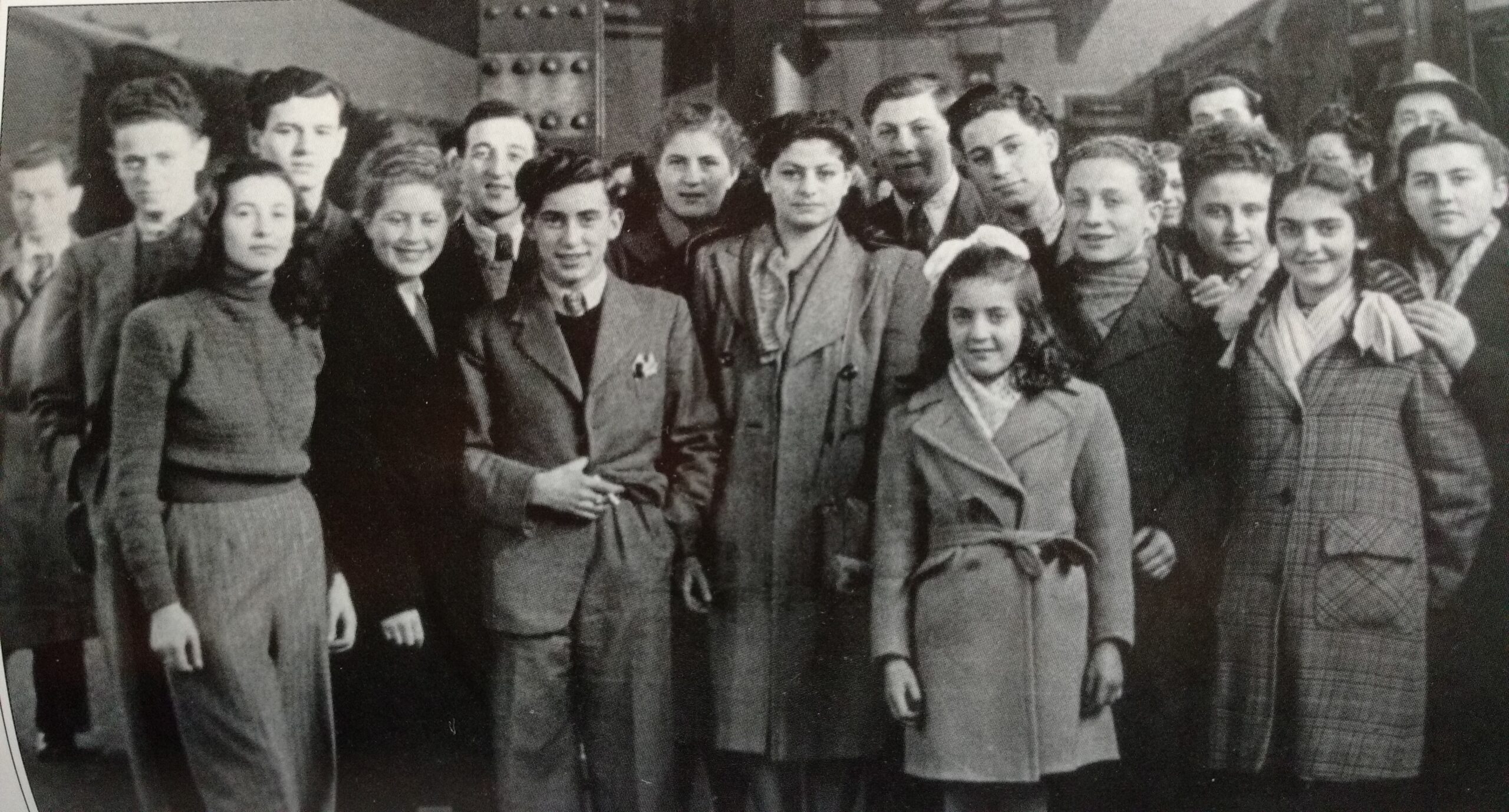
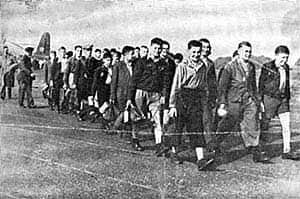
Photograph of the first group of the Boys arriving in the UK.
Pre-war Life
>
  • Why is it important to learn about pre-war Jewish life and identity?
  • What evidence suggests that life was “normal” for Jews prior to the Nazi rise to power?
  • What do the histories of the Boys birthplaces on this website teach us about the diversity, vibrancy, and longevity of Jewish life and culture in Europe?
  • How did Jewish life and identity vary in their different home countries?
  • How did Jews express their identity in daily life?
  • What contributions did Jewish individuals and communities make to European culture?
  • How did the Boys experience antisemitism growing up?
  • Why did some members of the Boys families want to emigrate before the outbreak of World War II?
  • What was the connection between rising nationalism, antisemitism, and the rise of Zionism?
  • What can we learn from the photographs of the Boys families of pre-war Jewish life in Europe?
  • Some Boys born in Germany experienced deportation in 1938. Why?

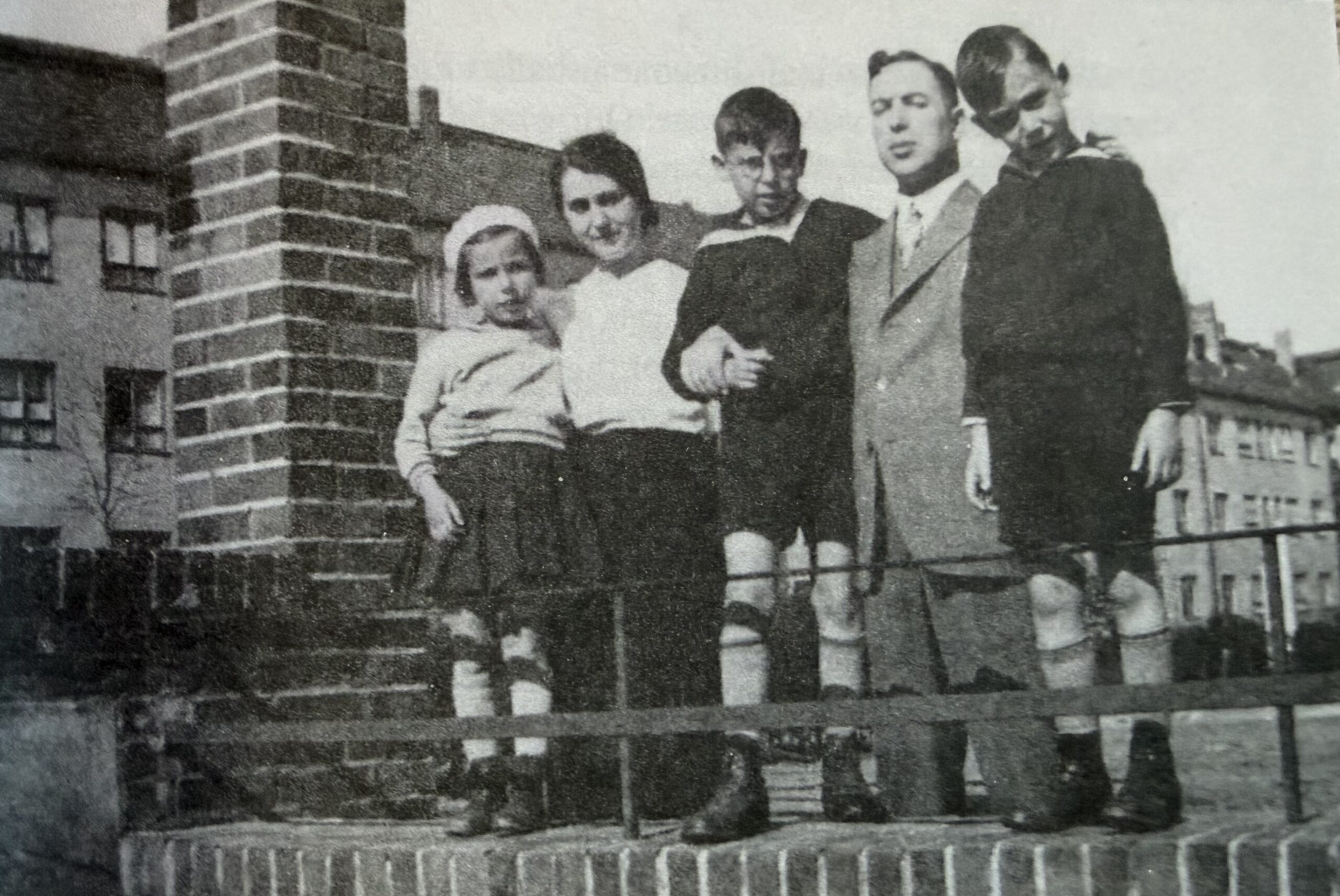
The Schindler Family, Cottbus 1936.
Ghettos
>
  • What was life like in the ghetto?
  • How did Jews attempt to keep a certain amount of ‘normalcy’ and their dignity in the ghetto?
  • What sort of resistance did Jews undertake in the ghetto?
  • What motivated the Jews’ decisions to fight back?
  • What was the significance of the Warsaw Ghetto Uprising?
  • How did the Jews in ghettos attempt to record what was happening to them?
  • What prompted the mass deportation in 1942?
  • What prompted the mass deportation in 1944?
  • How did the Boys experiences in the ghettos vary between ghettos set up in Poland and the Soviet Union to thos set up in Hungary?
  • Who are the Righteous Among Nations?
  • What motivated those who tried to rescue the Jews?
  • How did the invasion of the Soviet Union in 1941 change the course of the Holocaust
  • What was the role of Einsatzgruppen squads?
  • What were the consequences of the decision to deport the Jews from Germany?
  • Why did the Nazis establish a Judenrat in the ghetto? Why do you think that the Germans themselves didn’t govern the ghettos?
  • How and why was the Theresienstadt Ghetto different?
  • How did the Boys experience of Theresienstadt differ?
Camps
>
  • What was the importance of slave labour to the Third Reich?
  • How did the Nazis try to dehumanise the Boys in the labour and concentration camps?
  • What was the “Final Solution,” and how did the camp system facilitate it?
  • What criteria were used to determine whether someone was sent to a concentration camp or an extermination camp?
  • What happened at a selection?
  • Why do you think the Nazis set up a system where Jewish inmates (kapos) were forced to run the internal affairs of the camps?
  • What role did family relationships and friendship play in the Boys survival in the camps?
  • What forms did resistance take within the camps, especially when physical armed revolt was nearly impossible?
  • What were the long term affects of slave labour on the Boys?
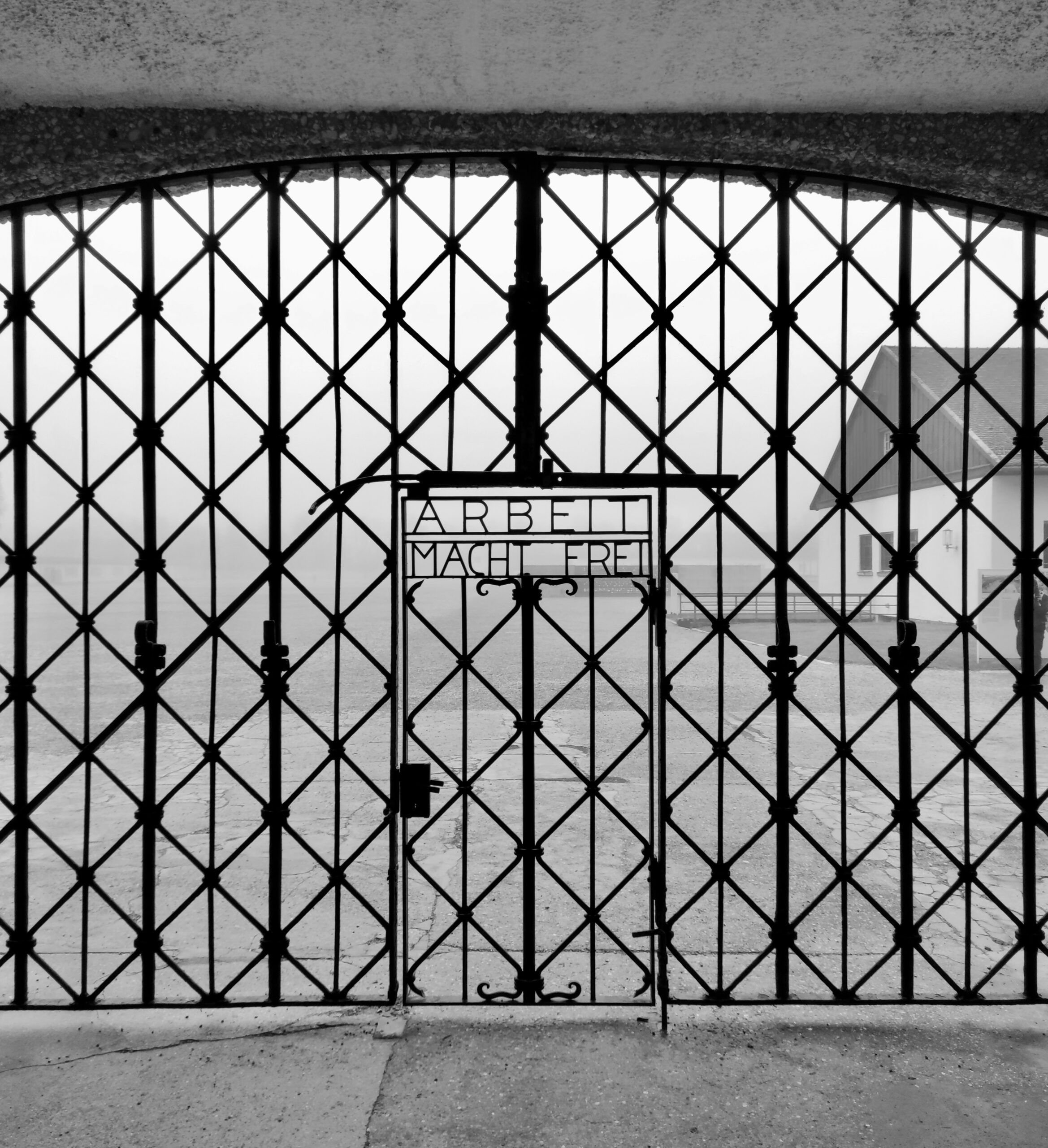
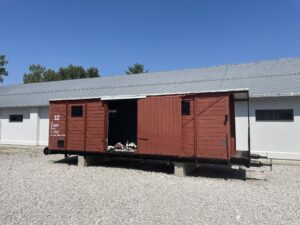
Photograph of the gate of the former Dachau concentration camp.
Hidden Children
>
  • What dilemmas did parents face when deciding whether to send their children into hiding with strangers, often non-Jewish families, to save them?
  • What motivated ordinary people to risk their lives, and the lives of their families, to hide Jewish children?
  • Who are the Righteous Among Nations?
  • How long were members of the Boys hidden and by who?
  • Why were some of the Boys only hidden for a brief time?
  • How did the requirement for absolute secrecy and silence—sometimes for years in cellars or attics—affect the psychological development of hidden children?
  • Why were children considered especially vulnerable to Nazi persecution?
  • How did children, who were not physically hidden, manage to survive on the run or by passing as non-Jews? What do the Boys’ stories tell us?
  • How did the experiences of children hidden in plain sight (e.g., passing in a school) differ from those in physical concealment (e.g., attics)?

Death Marches
>
  • What was the purpose of the death marches?
  • Was walking the only form of transport used?
  • How did the Boys survive the death marches?
  • What was the role played by bystanders?
  • In what ways did the death marches exemplify the ultimate, systematic dehumanisation of prisoners?
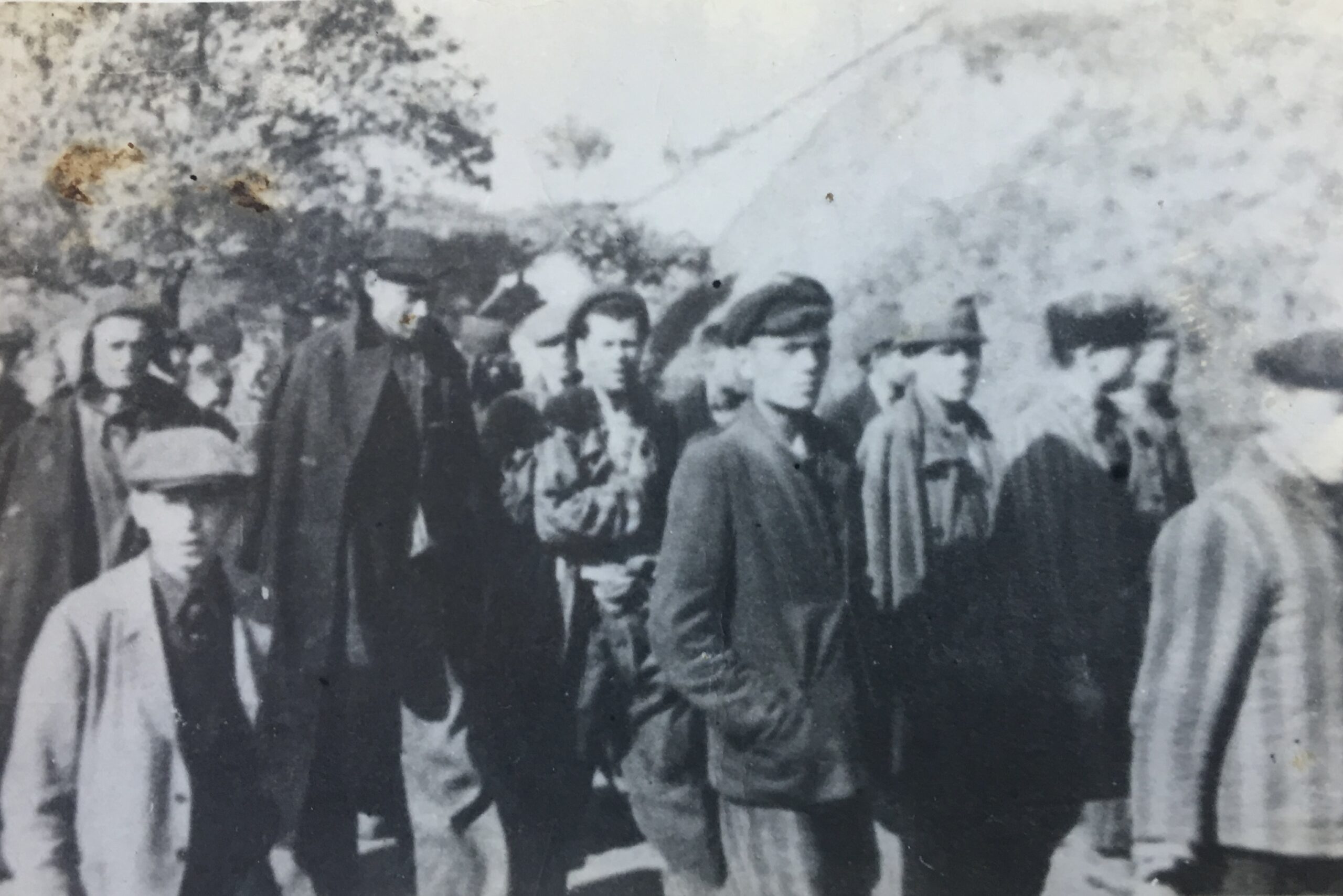
Photograph of The death march from Rehmsdorf-Troglitz spring 1945.
Liberation
>
  • Why was liberation not simply a “happy ending to a sad story” for the Boys?
  • What obstacles did the Boys still have to overcome after liberation?
  • How did the girl’s experiences differ from those of the male members of the Boys?
  • What do the Boys’ testaments tell us about survivors desire for revenge?
  • Why did deaths in the camps continue for weeks or months after liberation, and how did this affect the immediate experience of the Boys?
  • Why were some of the Boys unable or unwilling to return to their former homes?
  • How did the Boys’ experiences differ after the liberation?
  • What sort of assistance did the Jewish community offer?
  • Who helped the Boys in the DP camps?
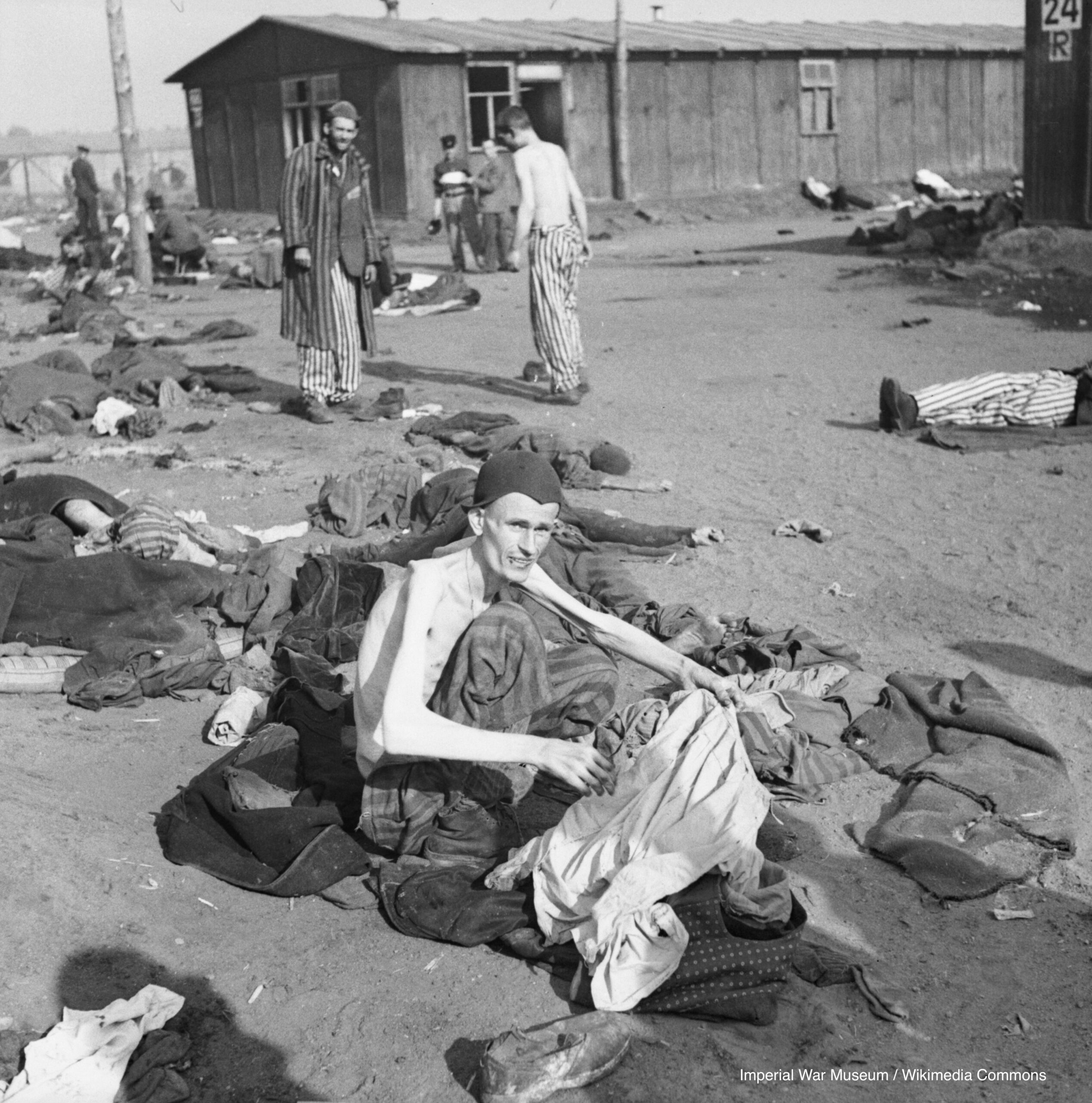
Photograph of the Liberation of Bergen-Belsen Concentration Camp, April 1945.
Life in the hostels
>
  • Who paid for the Boys’ care?
  • Who ran and organised the hostels?
  • What restrictions were placed on who came to the UK as part of the Boys?
  • How long were the Boys initially allowed to stay in the UK?
  • Where all the hostels the same?
  • Who worked in the hostels?
  • What were the main challenges of the Boys first few months in the UK?
  • Did all the Boys want to settle in the UK?

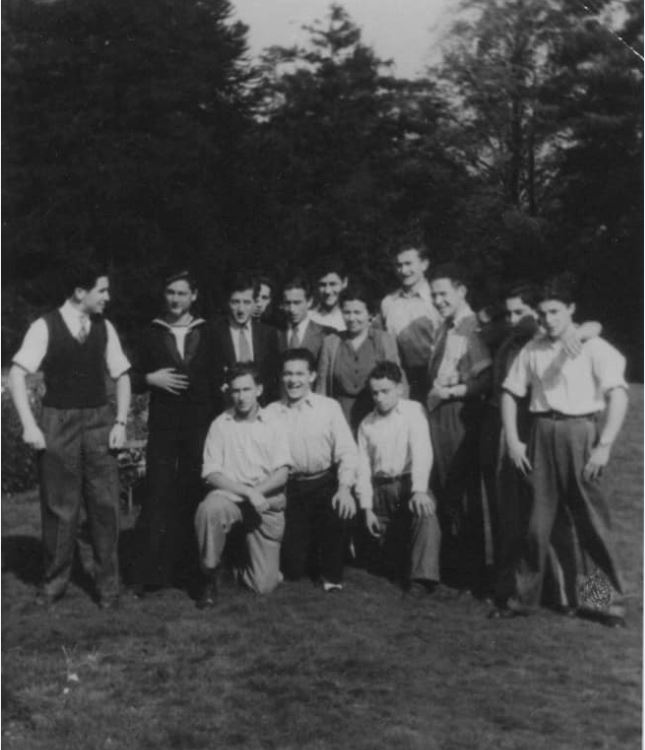
Photograph of the Loughton hostel 1946. (Standing third from left - Isaac Pomerance. Gerson Frydman, kneeling (left), and Paul Gast.
A New Life
>
  • Why did so many of the Boys build new lives away from the UK?
  • Why did the Boys serve in the military after the liberation?
  • When and why did the Boys start to give testaments?
  • What is the importance of memorialisation?
Photograph of the Boys going to Canada on the War Orphans Programme in 1947.

Other Teaching Aids

Sered Holocaust Museum, Slovakia.

The Teachers’ Corner can be found at the bottom of the main history pages on this website. 

Glossary
>

A short glossary appears in the Teachers’ Corner under each of the main history pages.

For a full Glossary click here.
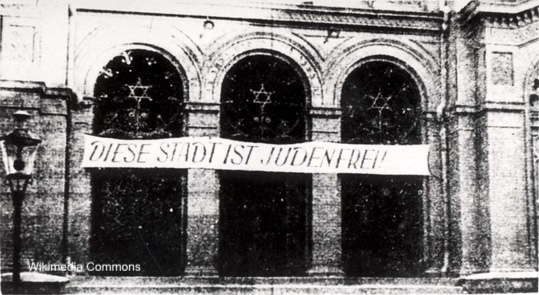
Bydgoszcz Synagogue, September 1939. The banner reads:
Timeline
>

A timeline can help students studying the Holocaust.

The Holocaust was the systematic, state-sponsored persecution and murder of six million Jews by the Nazi regime and its allies and collaborators.

To see a full timeline of the history of the Boys click here.

Using a timeline can help students to:
  • Contextualizing Events: It connects specific, isolated events (e.g., the 1942 Wannsee Conference planning the “Final Solution”) to a broader, escalating pattern of violence.
  • Understanding Progression: Timelines demonstrate the deliberate, step-by-step nature of the Holocaust, moving from the exclusion of Jews from society to organised mass murder.
  • Historical Accuracy: A timeline provides precise dates for crucial, documented occurrences and helps students and researchers grasp the progression of events, from the initial discriminatory policies (1933) through the height of the genocide (1942-1944).


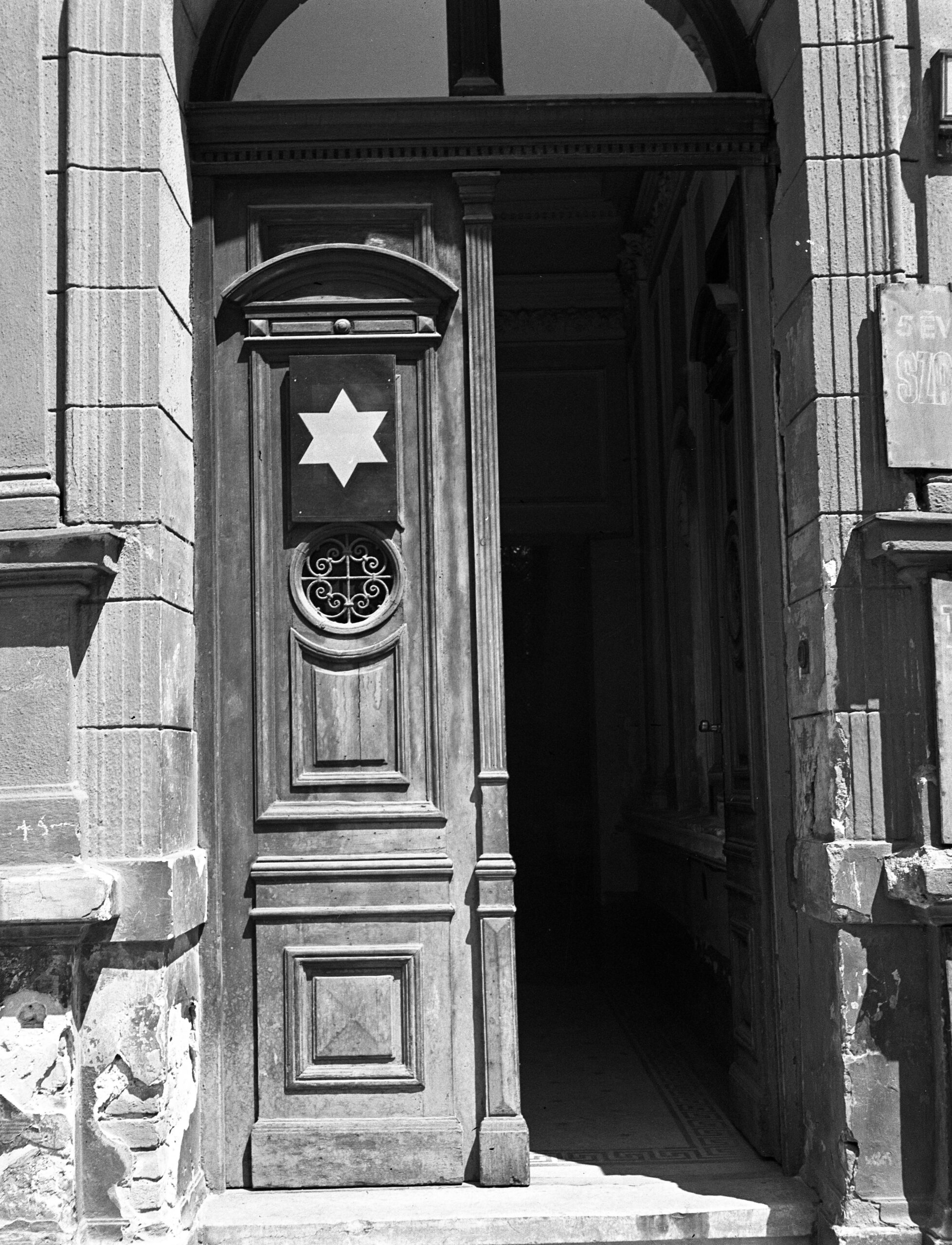
Yellow House, Budapest 1944
Contact:
team@45aid.org
45 Aid Copyright 2026
45 aid society is a registered charity
in England and Wales (243909)
Design and development:
Graphical