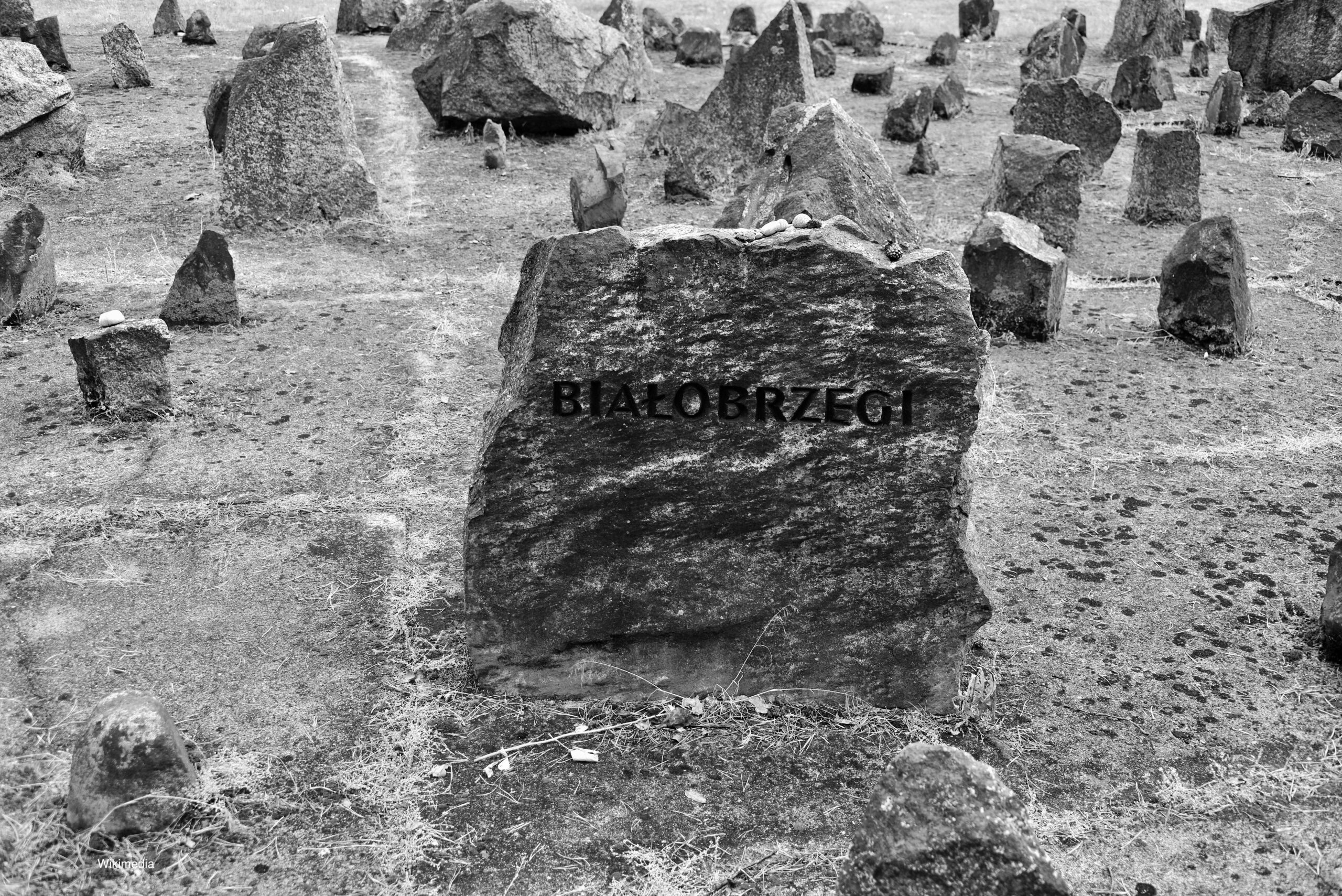
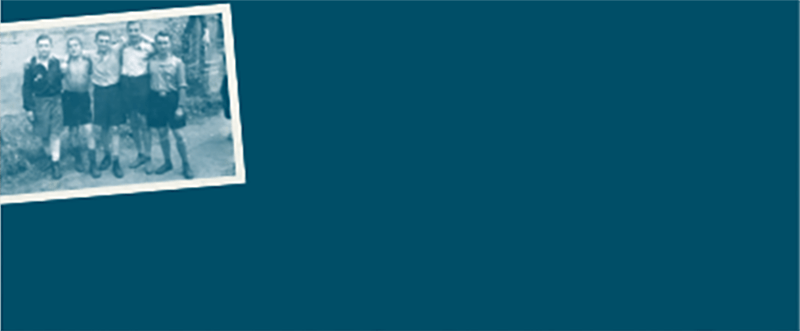
Members of the Boys were imprisoned in the Białobrzegi Ghetto.
The Boys were teenage and child-Holocaust survivors, who were brought to the UK after the war for rest and rehabilitation.
The Białobrzegi Ghetto was one of a network of ghettos set up by Nazi Germany in which Jews were forced to live in occupied Poland. As with other ghettos in Czechoslovakia, Latvia, Lithuania and Poland, the Białobrzegi ghetto was established to contain the region’s Jews and isolate them from the rest of the population until the Nazi leadership could decide on an answer to the so-called “Jewish Question.”
The Boys and their families spent years living in dire conditions. The ghettos were not designed for the vast numbers of people forced to find space to live within them. As a result, multiple families shared cramped and insanitary accommodation.
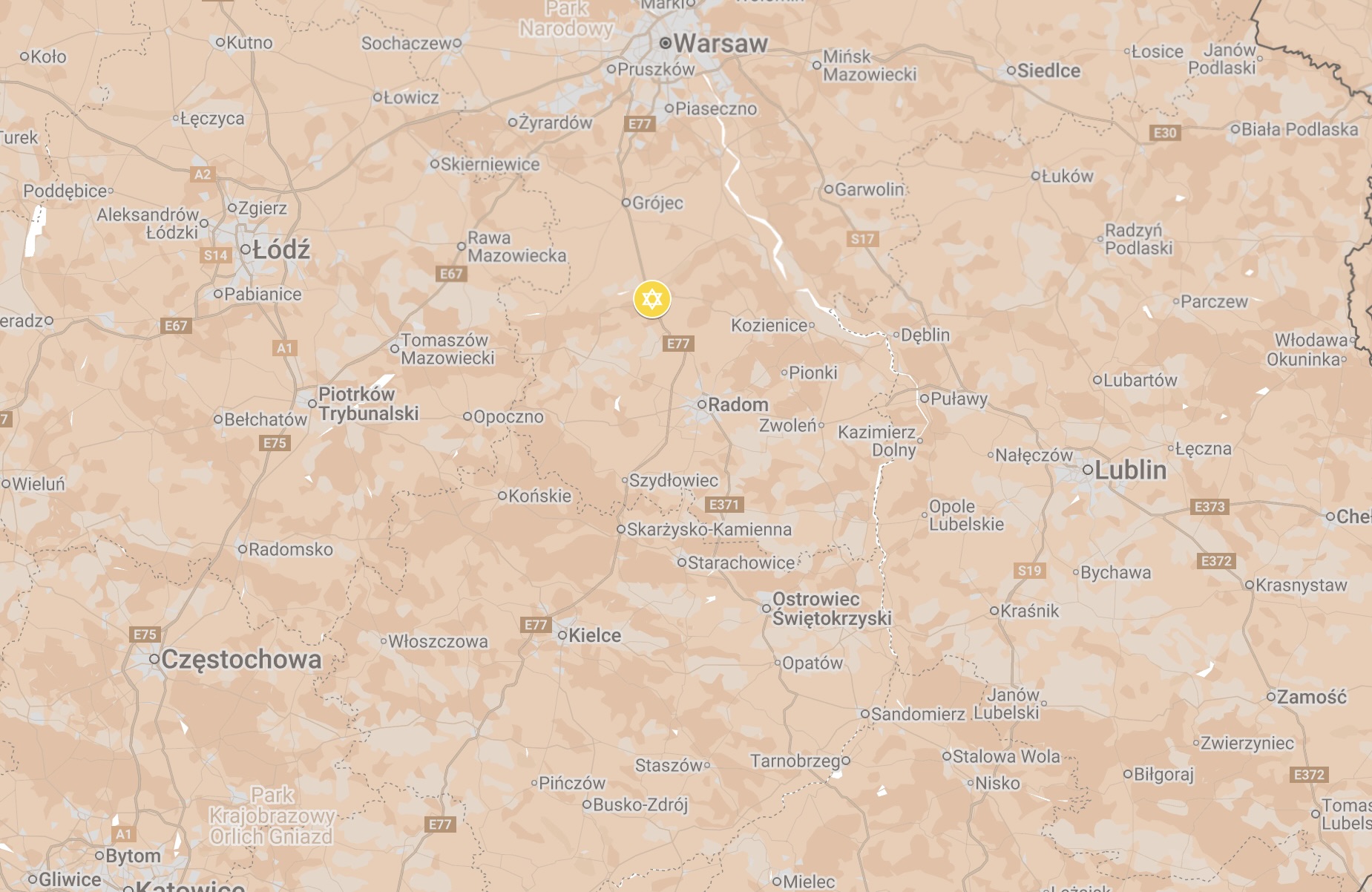
Białobrzegi is 65km south of Warsaw. To find out more about the region and the Boys who grew up there click here.
Overview
A ghetto was established in Białobrzegi in April-May 1941. The Nazis intention was to isolate the Jewish population from the rest of the city. The Germans brought Jews from other towns into the ghetto and the population of the ghetto swelled.
Layout
The ghetto was initially an open ghetto and covered the part of the city west of Krakowska Street. Not all Polish families were evicted from this area. In January 1942, the ghetto was closed, and Jews were forbidden from leaving the area.
Daily Life
The food rations were scarce and frequently not handed out. Sanitation was poor and the accommodation overcrowded. Many people fell ill and there was an outbreak of typhus and dysentery.
Kopel Kandelcukier was just 12 years old in March 1940 when his family lost their home and business. His father disappeared in 1940, and the family were forced to sell what little possessions they had as food was extremely scarce. Kandelcukier would slip out of the ghetto to search for food.
Deportations
In October 1942, the Germans began to liquidate the ghetto.
The Germans, with the help of the Polish police and Ukrainian auxiliaries, drove the Jews in the central square in the ghetto, which is now a sports hall. They were given five minutes to leave their homes. All the patients in the hospital were murdered, as well as many old people, the sick and children. They were buried in the cemetery. Many were shot in the pandemonium.
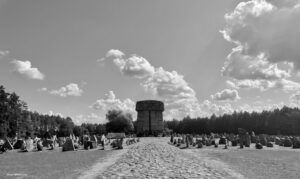
Treblinka Memorial, Poland.
The Germans separated 100 Jewish men from the rest of the Jews gathered in the square, who were then marched to the station in Dobieszyn, 20km away. Those who could not keep up were shot. Once they reached the station, the Jews were forcibly loaded into freight wagons and taken to the Treblinka extermination camp, over 160km to the north of Dobieszyn, where they were immediately gassed.
Kandeluckier was dragged from the column selected to be taken to Treblinka and sent to the line of those selected for work.
Chaim Aizen was working in a labour gang repairing electric cables. From the top of his ladder, he saw the train that was taking the Jews of Białobzegi to their deaths, among them his own family. He heard the people on board crying out for help. Aizen’s entire family was murdered in Treblinka. He registered the deaths of his extended family, all 37 of them, at the Yad Vashem Memorial in Jerusalem, which keeps a database of the names of the victims.
When he returned from work, he later recalled, “We were marched back about midday to an eerie ghost town, not a living soul was to be found in the streets, but plenty of corpses on the ground.” They were not allowed to return home but taken to a synagogue. He was then taken as a slave labourer to the Skarżysko-Kamienna labour camp.
Jewish Resistance
In May 1941, Jewish Social Self-Help was established in the ghetto, which ran a small soup kitchen for the neediest but they could only feed a third of the 1,725 people who asked for help. The organisation offered a form of Jewish resistance.
 About
About History
 Education
 Quilts
 FIlms
FIlms Photos
 News Media & Events
 Publications
 Donate