Members of the Boys were imprisoned in the Bobowa Ghetto.
The Bobowa Ghetto was one of a network of ghettos set up by Nazi Germany in which Jews were forced to live in occupied Poland. As with other ghettos in Czechoslovakia, Latvia, Lithuania and Poland, the Bobowa ghetto was established to contain the region’s Jews and isolate them from the rest of the population until the Nazi leadership could decide on an answer to the so-called “Jewish Question.”
The Boys and their families spent years living in dire conditions. The ghettos were not designed for the vast numbers of people forced to find space to live within them. As a result, multiple families shared cramped and insanitary accommodation.
The Boys were teenage and child-Holocaust survivors, who were brought to the UK after the war for rest and rehabilitation.
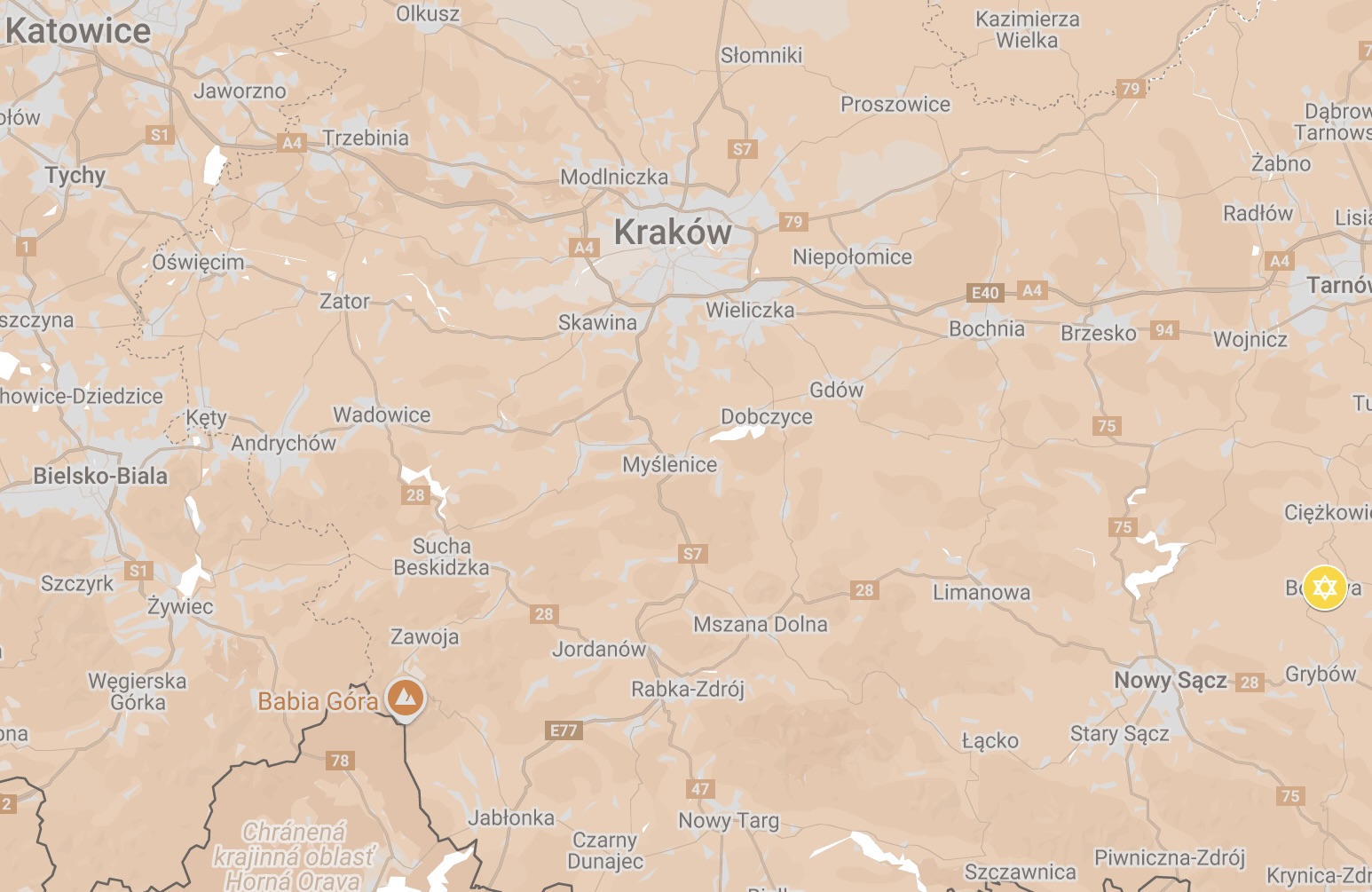
Bobowa is a small town in Gorlice County, southern Poland. To find out more about the region and the Boys who grew up there click here. Bobowa was was home to the Bobov Hasidic dynasty.
The Wehrmacht captured the village on 7 September 1939. Persecution of the Jews began immediately.
In October 1941, the Germans created a ghetto in Bobowa. Jews from Gorlice and surrounding towns were imprisoned in the ghetto, which as a result was extremely overcrowded.
Layout
It was probably fenced with barbed wire in the summer of 1942. It was located in the former Jewish district, which included at least one side of the market square.
Mass Shootings
Between January and March 1942, a series of executions were carried out, either in the market square or in the Jewish cemetery.
Liquidation
On August 13, the Nazis announced the recruitment of workers for the forced labour camp in Bieżanów. They promised that no harm would befall the families of those who volunteered.
After the workers left Bobowa, German Nazis and Ukrainian guards surrounded the ghetto. The following morning, liquidation Kommando went from house to house banging on doors and dragging the inhabitants from their dwellings. The remaining Jews were driven to the market square, where trucks were waiting to take them to Bełżec.
The ghetto was liquidated on 14 August 1942, and the Jewish inhabitants still in the town were murdered in a nearby forest.
Memorialisation
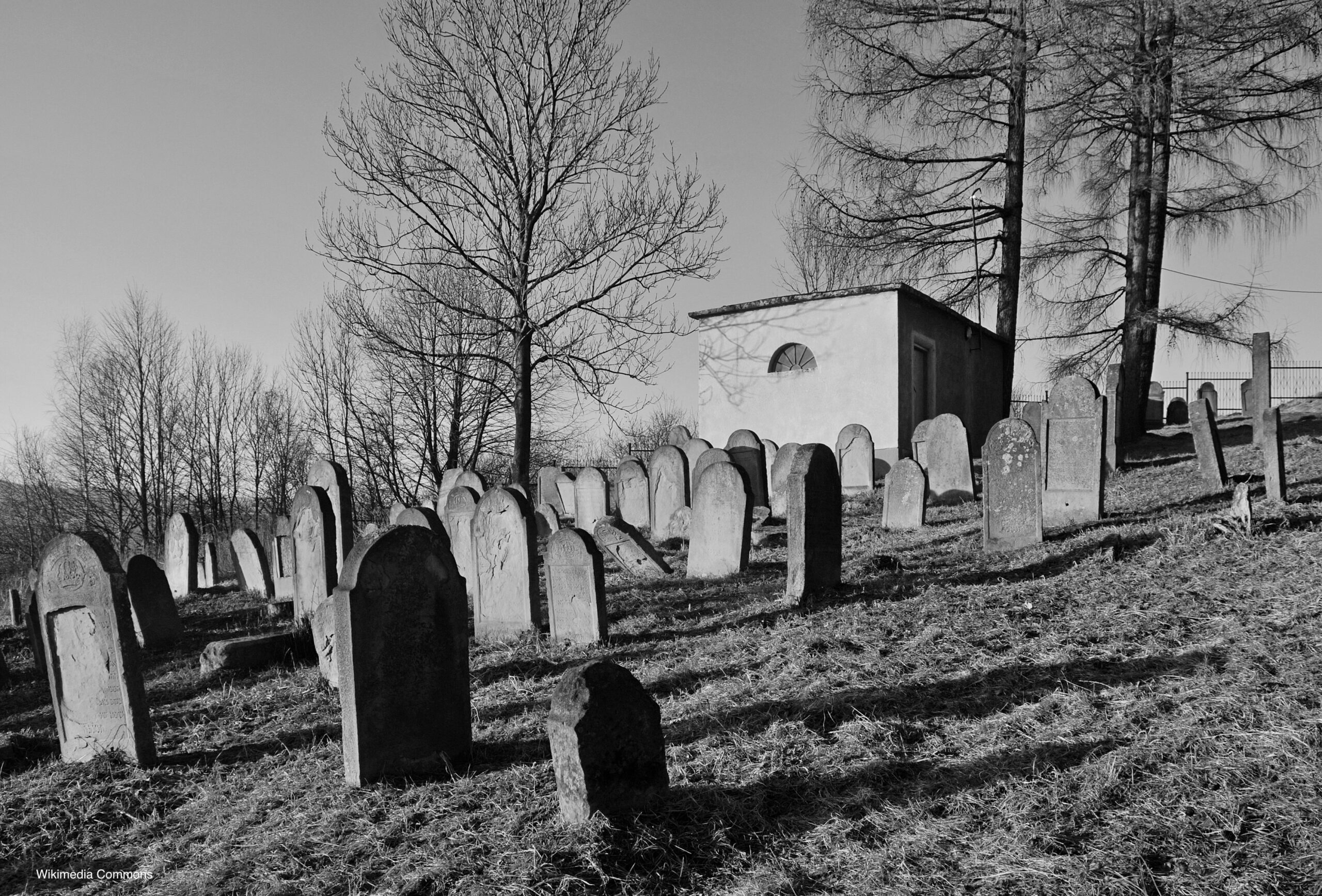
The Jewish cemetery still exists and contains several preserved headstones, including those of the Halberstam rabbis who led the Bobov Hasidic community.
There is a memorial plaque in the cemetery and commemorations are held by the Bobov Hasidic community, now based in the United States and Israel. To find out about visiting the region click here.
 About
About History
 Education
 Quilts
 FIlms
FIlms Photos
 News Media & Events
 Publications
 Donate