
Members of the Boys were imprisoned in the Borysław Ghetto.
The Borysław Ghetto was one of a network of ghettos set up by Nazi Germany in which Jews were forced to live in occupied Poland. As with other ghettos in Czechoslovakia, Latvia, Lithuania and Poland, the Borysław Ghetto was established to contain the region’s Jews and isolate them from the rest of the population until the Nazi leadership could decide on an answer to the so-called “Jewish Question.”
The Boys and their families were forced to move from their homes and were held in ghettos in Nazi controlled Czechoslovakia, Latvia, Lithuania and Poland, where they spent years living in dire conditions. The ghettos were not designed for the vast numbers of people forced to find space to live within them. As a result, multiple families shared cramped and insanitary accommodation.
The Boys were teenage and child-Holocaust survivors, who were brought to the UK after the war for rest and rehabilitation.
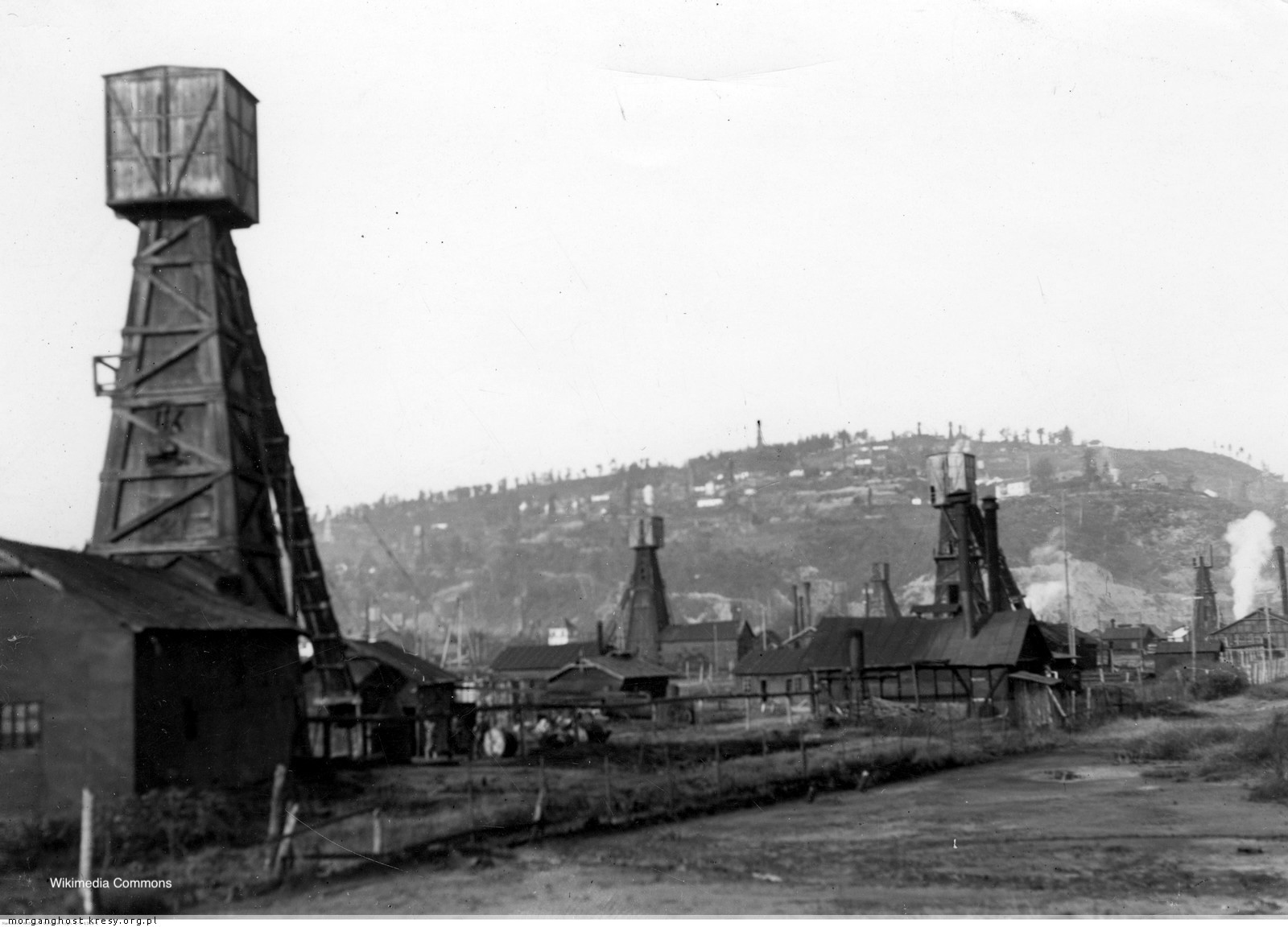
Borysłav, Poland before World War II
The ghetto in Borysław was set up in August 1942. The ghetto had a population of 10,734 in February 1942. Jews from the surrounding area were brought into the ghetto.
To find out more about the history of Borysław click here.
Daily Life
The living conditions in the Borysław ghetto were very poor. A certain group of Jews, working for Berthold Beitz, lived in a separate camp on the outskirts of Mrasznica, in the so-called ‘white house’, where the conditions were much better.
Deportations
Deportations began in in 1942. In August 5,000-6,000 Jews were sent to Bełżec extermination camp. A further 1,000 followed in October.
A significant role in saving Jews from Borysław was played by Berthold Beitz, the manager of the German oil company Karpathen. During the August 1942 action, he managed to stop the deportation of a group of about 250 Jews. Among them were not only his employees, but also women and children.
Deportations for slave labour were made to Janowska and Kraków-Płaszów labour camps. About 300 people were taken to Auschwitz II-Birkenau extermination and concentration camp in July 1944. To find out more about the Boys’ experiences in the camps click here.
Dissolution
The ghetto was liquidated between 25 May and 2 June 1943. The labour camp was liquidated between April and June 1944.
Mass shootings took place in February and May 1943.
Jewish Resistance
In 1943–1944, Jewish partisans led by Dawid Erlbaum operated in the area. Most of its members were escapees from the Borysław Ghetto.
The resistance group set fire to a large amount of raw materials and finished products in the ghetto. The leader of the resistance movement in the ghetto was Lonka Hofman, who was killed during an attack on a German commander.
Aftermath
About 400 Jews from Borysław survived the occupation.

 About
About History
 Education
 Quilts
 FIlms
FIlms Photos
 News Media & Events
 Publications
 Donate