Members of the Boys were imprisoned in the Brzesko Ghetto.
The Brzesko Ghetto was one of a network of ghettos set up by Nazi Germany in which Jews were forced to live in occupied Poland. As with other ghettos in Czechoslovakia, Latvia, Lithuania and Poland, the Brzesko Ghetto was established to contain the region’s Jews and isolate them from the rest of the population until the Nazi leadership could decide on an answer to the so-called “Jewish Question.”
The Boys and their families spent years living in dire conditions. The ghettos were not designed for the vast numbers of people forced to find space to live within them. As a result, multiple families shared cramped and insanitary accommodation.
The Boys were teenage and child-Holocaust survivors, who were brought to the UK after the war for rest and rehabilitation.
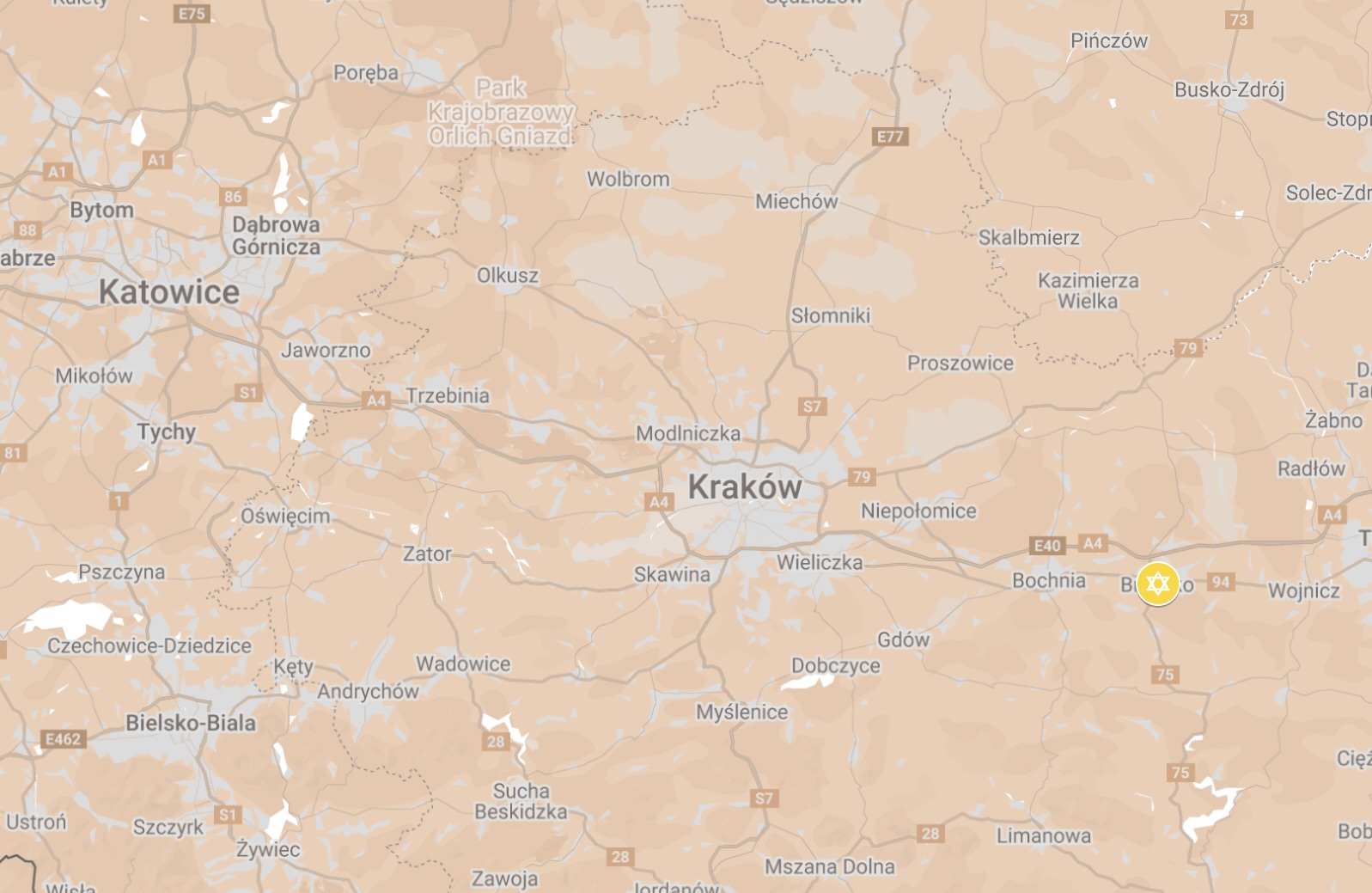
Brzesko is located between Kraków and Tarnów in southern Poland. To find out more about the Boys who grew up in Brzesko and the surrounding area click here.
Brzesko Ghetto was created in 1941. It initially had a population 4,000 who were joined by Jews from the surrounding area and the Kraków Ghetto.
Structure
Brzesko was at first an open ghetto but was sealed in 1942. It was marked by signs and Jews were forbidden from leaving.
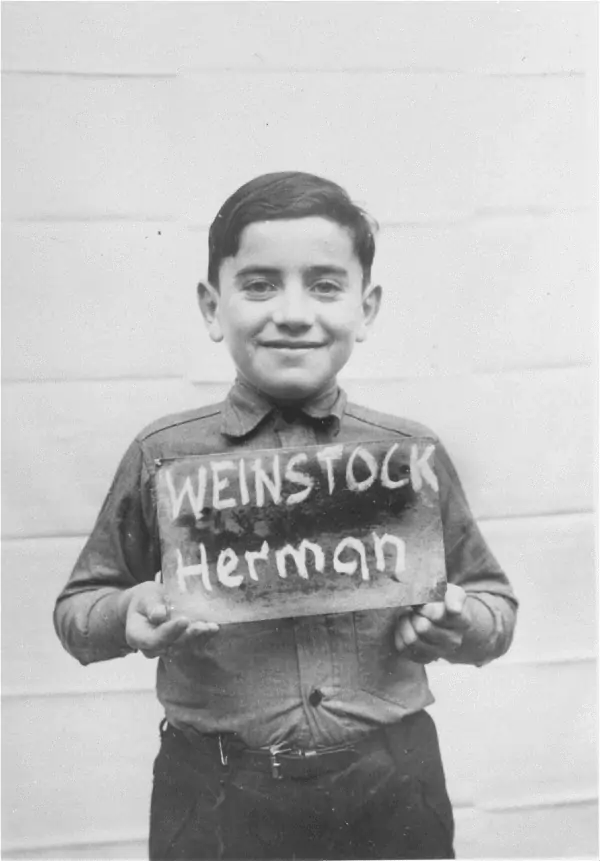
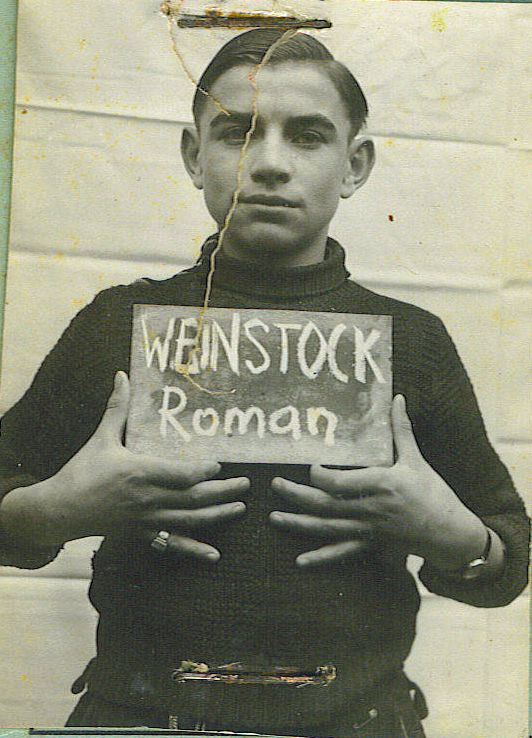
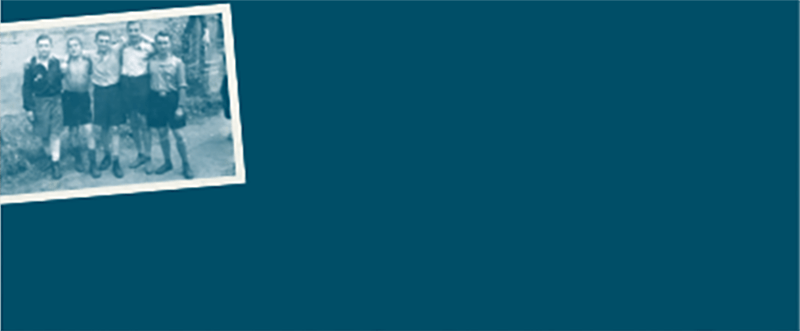
The Weinstock brothers were held in the Brzesko Ghetto. They are pictured while at the Kloster Indersdorf DP camp after liberation.
In mid-July 1942, the ghetto was surrounded by a fence. It spread across three areas: Berka Joselewicza Street, all the buildings north of the Market Square up to the Rynek Sienny, known today as Sobieskiego Street and Frédéric Chopin Street, and finally Głowackiego Street up to Trzcianka and the Kazimierz Wielki Square.
Sanitation was minimal and there was a major typhus epidemic.
Deportations & Mass Shootings
On 18 June 1942, 180 Jews were killed in the streets and 560 deported to the Bełżec extermination camp.
Liquidation
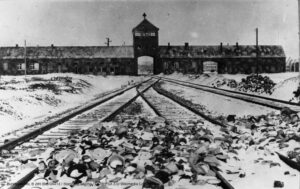
Auschwitz-Birkenau concentration camp.
On 17 September 1942, the ghetto was liquidated. About 2,000 Jews were sent to the Bełżec extermination camp and another 4,000 to Auschwitz II-Birkenau. Those left behind after the deportation were sent to Tarnów Ghetto or killed.
Jewish Resistance
Some of the Jews escaped into the nearby woods where they hid until they could escape or were caught. Others tried to escape by using fake Aryan documents forged for them.
Memorialisation
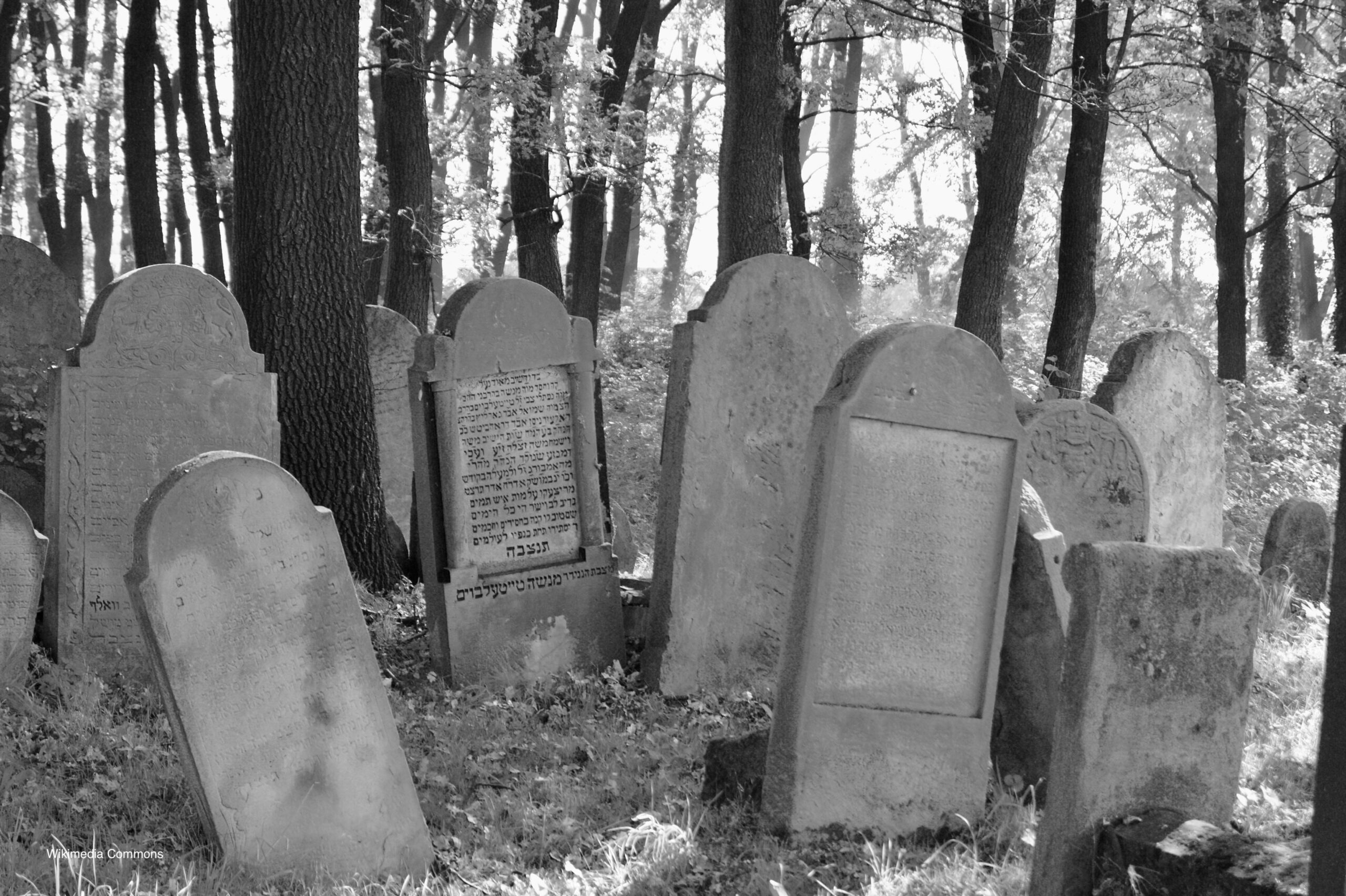
The mass grave is marked by a memorial and there is a commemorative plaque on the town library which is located on the previous site of the synagogue
 About
About History
 Education
 Quilts
 FIlms
FIlms Photos
 News Media & Events
 Publications
 Donate