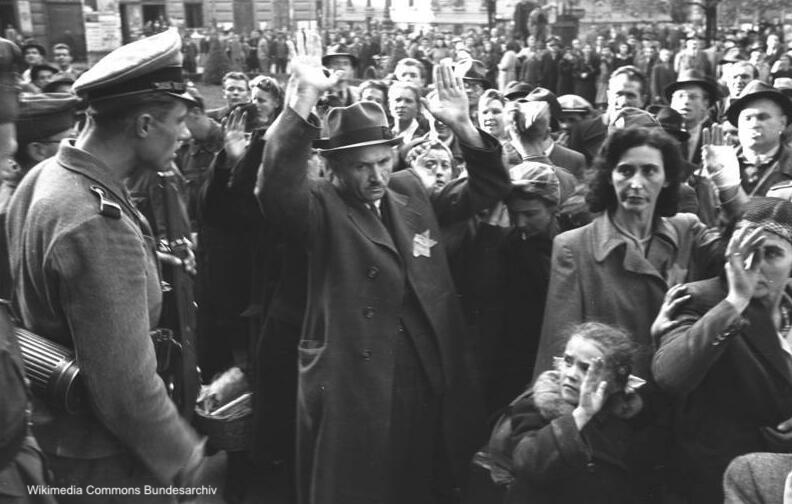
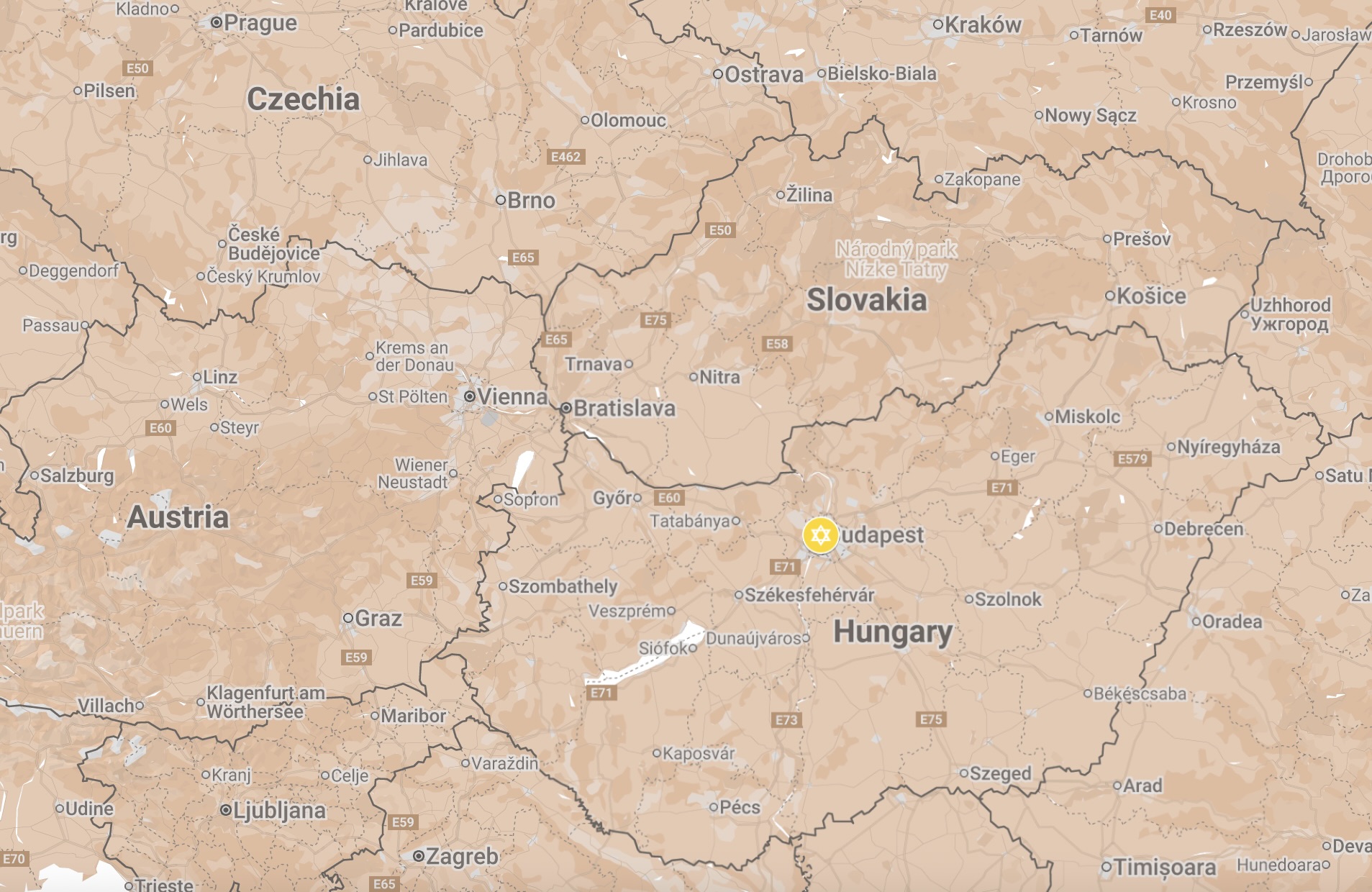
Members of the Boys were imprisoned in the Budapest Ghetto.
The Budapest Ghetto was one of a network of ghettos set up by Nazi Germany in Hungary after it was invaded by German forces in March 1944.
The Boys were teenage and child-Holocaust survivors, who were brought to the UK after the war for rest and rehabilitation.
Budapest is the capital of Hungary. To find out more about the history of the Boys’ families in Budapoest before World War II click here.
Overview
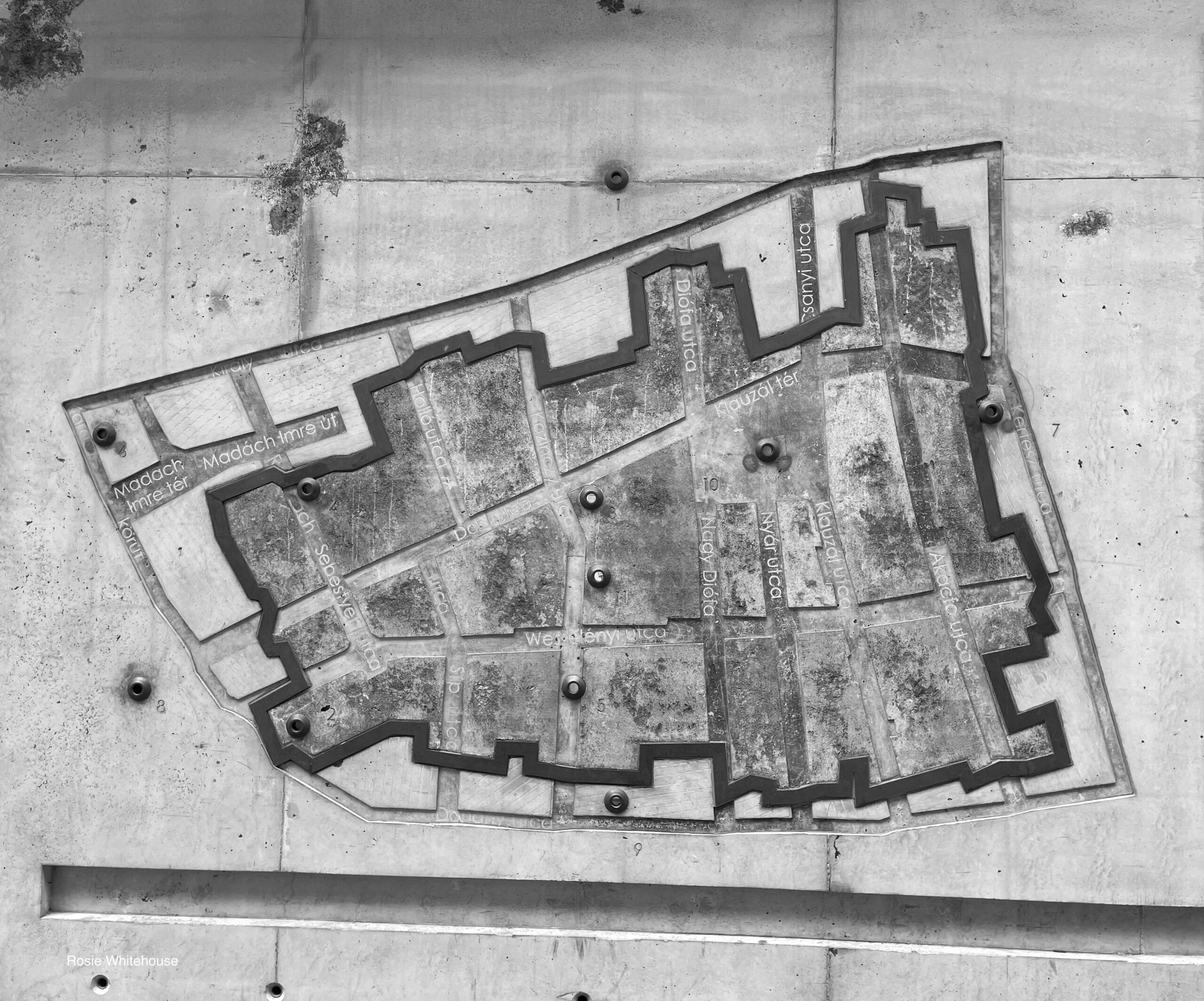
The Budapest Ghetto was one of the last major ghettos established in Nazi-occupied Europe. It was officially created on 29 November 1944 by the fascist Arrow Cross government, a puppet regime installed by the Nazis following the German occupation of Hungary in March 1944.
By this time, most regional Jewish communities had already been deported to the Auschwitz-Birkenau extermination and concentration camp. The ghetto in Budapest was meant to isolate the last remaining Jewish population—approximately 70,000 individuals—concentrating them in the city’s 7th District (Erzsébetváros), near the Dohány Street Synagogue and Orthodox Kazinczy Street Synagogue.
The ghetto existed from November 1944 until 17 January 1945.
Layout
It was surrounded by a high fence reinforced with planks that was guarded so that contraband could not be brought in, and people could not leave. 70,000 Jews were moved into the ghetto.
As with other ghettos that had been set up in other parts of Nazi-occupied Europe, the area was completely cut off from the outside world: no food was allowed in, rubbish and waste were not collected, the dead lay on the streets and were piled up in bombed-out store fronts, and the buildings were overcrowded, leading to the spread of diseases such as typhoid.
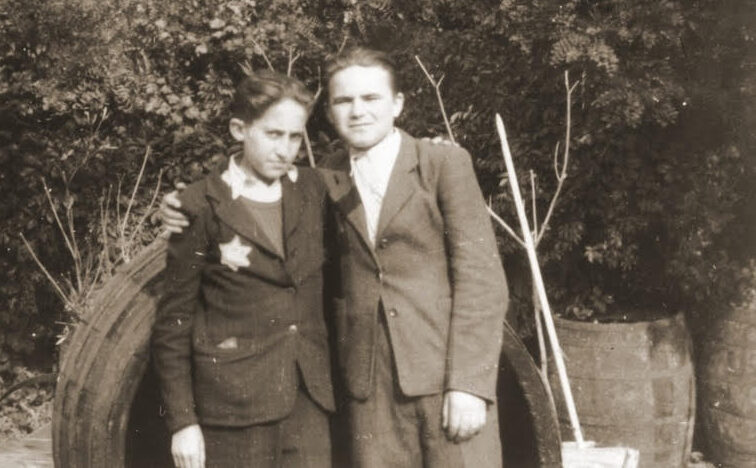
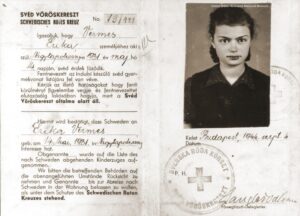
Protective document issued to Erika Vermes by the Swedish Red Cross in September 1944 in Budapest.
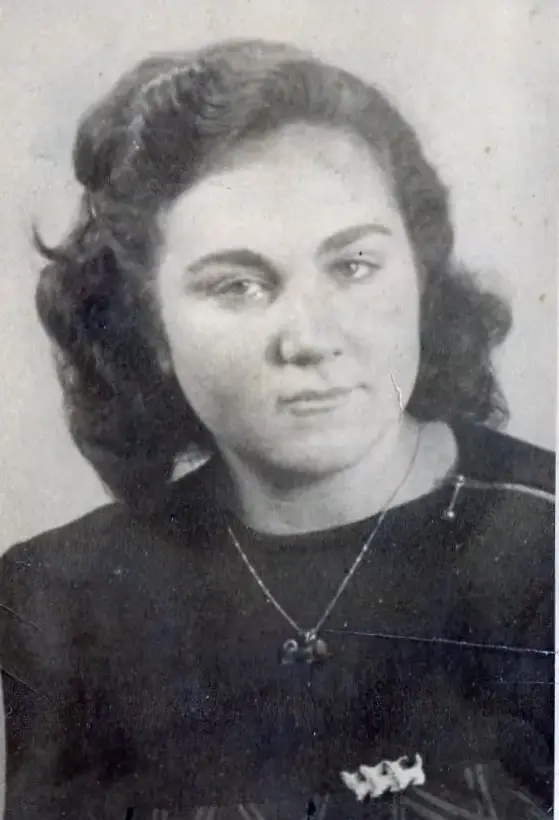
Erika Vermes (later Grossman): In September 1944, Vermes obtained a Swedish Red Cross Schutzpass (protective document) that granted her immunity from deportation. However, the pass did not protect her from being arrested by members of the Hungarian Arrow Cross (a fascist, far-right political party) who were rounding up groups of Jews and shooting them along the banks of the River Danube in November and December of 1944. To find out more about Erika Vermes click here.
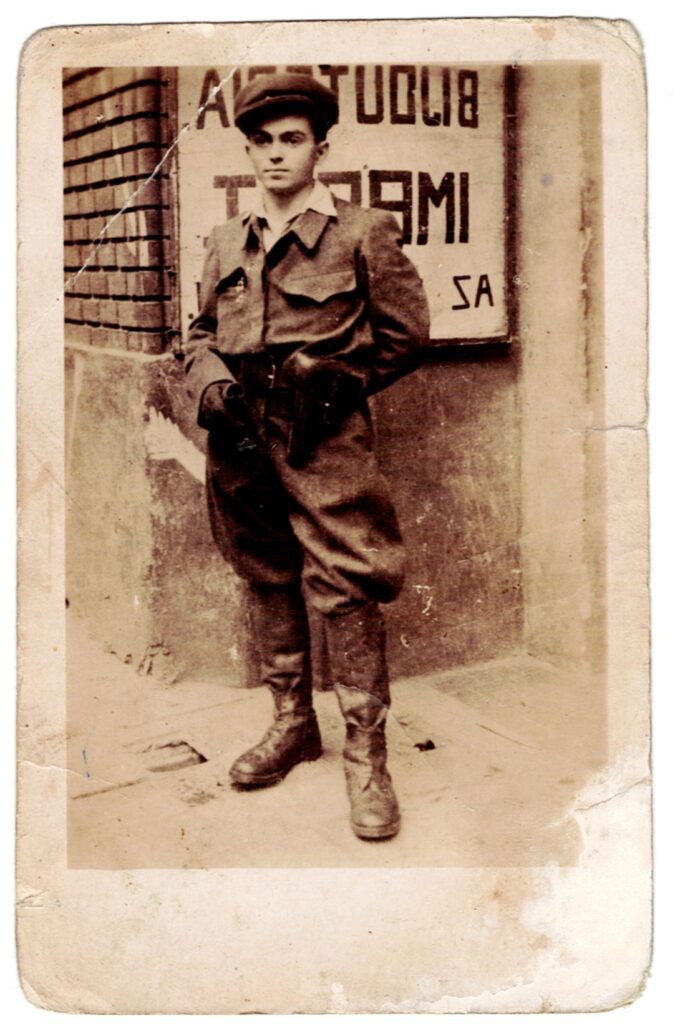
Leo Geddy: joined the Jewish underground in Hungary. He had false papers and under the assumed name of Safar Lagos joined the Hitler Youth. After the liberation worked as a translator for the Red Army. To find out more about Leo Geddy click here.
Mike Blain: Blain was held in a so-called “Yellow house” (one of 1,600 designated apartment buildings in Budapest, marked with a yellow star in June 1944, where Jewish residents were forced to relocate before being moved to the ghetto), which received protective papers from the Vatican, the Swedish and Spanish governments that stated that the land was under extraterritorial jurisdiction. As a result, Blain was not deported. To find out more about Mike Blain click here.
Life in the Ghetto
From the occupation to liberation, the Jewish population of Budapest was reduced from 200,000 to 70,000 in the ghetto, and about 20,000 others were housed in specially protected buildings outside the walled ghetto perimeter, having been granted diplomatic protection by neutral politicians.
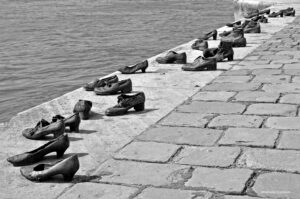
Shoes on the Danube Memorial
Unlike most ghettos in Europe, Budapest had a strong international presence that played a vital role in aiding and protecting individuals. Neutral diplomats and humanitarian organisations—most notably Raoul Wallenberg of the Swedish Legation and Carl Lutz of the Swiss Government—issued an estimated 15,000–20,000 individuals through safe houses and forged passports. Other key figures included Carl Lutz (Swiss), Giorgio Perlasca (posing as a Spanish consul), and Friedrich Born of the International Committee of the Red Cross.
During the ghetto’s brief existence (less than two months), Arrow Cross death squads frequently abducted, tortured, or shot residents—particularly near the banks of the Danube, where mass executions took place. Entire families were rounded up and murdered in what became known as the Danube Massacres.
Liberation
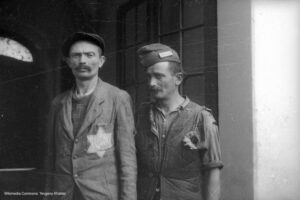
Liberated Jews 1945, Yevgeny Khaldei Tass correspondent Budapest.
The ghetto was liberated by the Soviet Red Army on 17 January 1945. An estimated 70,000 individuals had survived, while an additional 20,000 were found in the so-called International Ghetto.
Of those that were deported from the Budapest Ghetto (most of them to a concentration camp on the Austrian border), the vast majority were liberated by the advancing Red Army.
Aftermath
Those who died in the ghetto are buried in the Dohány Street Synagogue.
Memorialisation
The Budapest Ghetto is commemorated through various memorials, including the Tree of Life sculpture in the courtyard of the Dohány Street Synagogue, the Raoul Wallenberg Memorial Park, and the Shoes on the Danube Bank memorial honouring those executed along the river. There are also various plaques in the 7th district, the former Jewish neighbourhood and site of the ghetto. For more information on visiting Budapest click here.
 About
About History
 Education
 Quilts
 FIlms
FIlms Photos
 News Media & Events
 Publications
 Donate