Members of the Boys were imprisoned in the Częstochowa Ghetto.
The Częstochowa Ghetto was one of a network of ghettos set up by Nazi Germany in which Jews were forced to live in occupied Poland. As with other ghettos in Czechoslovakia, Latvia, Lithuania and Poland, the Częstochowa ghetto was established to contain the region’s Jews and isolate them from the rest of the population until the Nazi leadership could decide on an answer to the so-called “Jewish Question.”
The Boys and their families spent years living in dire conditions. The ghettos were not designed for the vast numbers of people forced to find space to live within them. As a result, multiple families shared cramped and insanitary accommodation.
The Boys were teenage and child-Holocaust survivors, who were brought to the UK after the war for rest and rehabilitation.
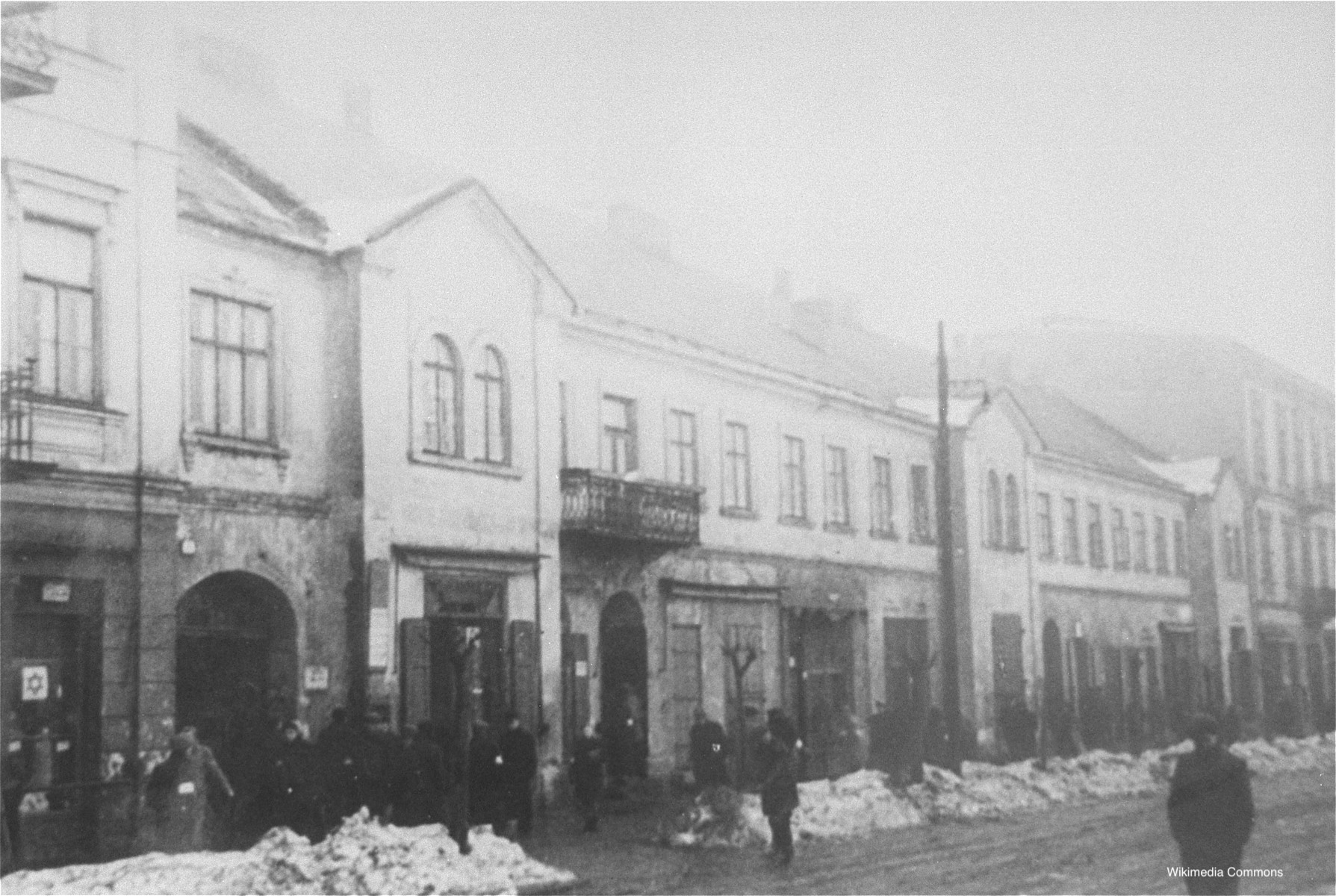
Częstochowa Ghetto 1941.
Overview
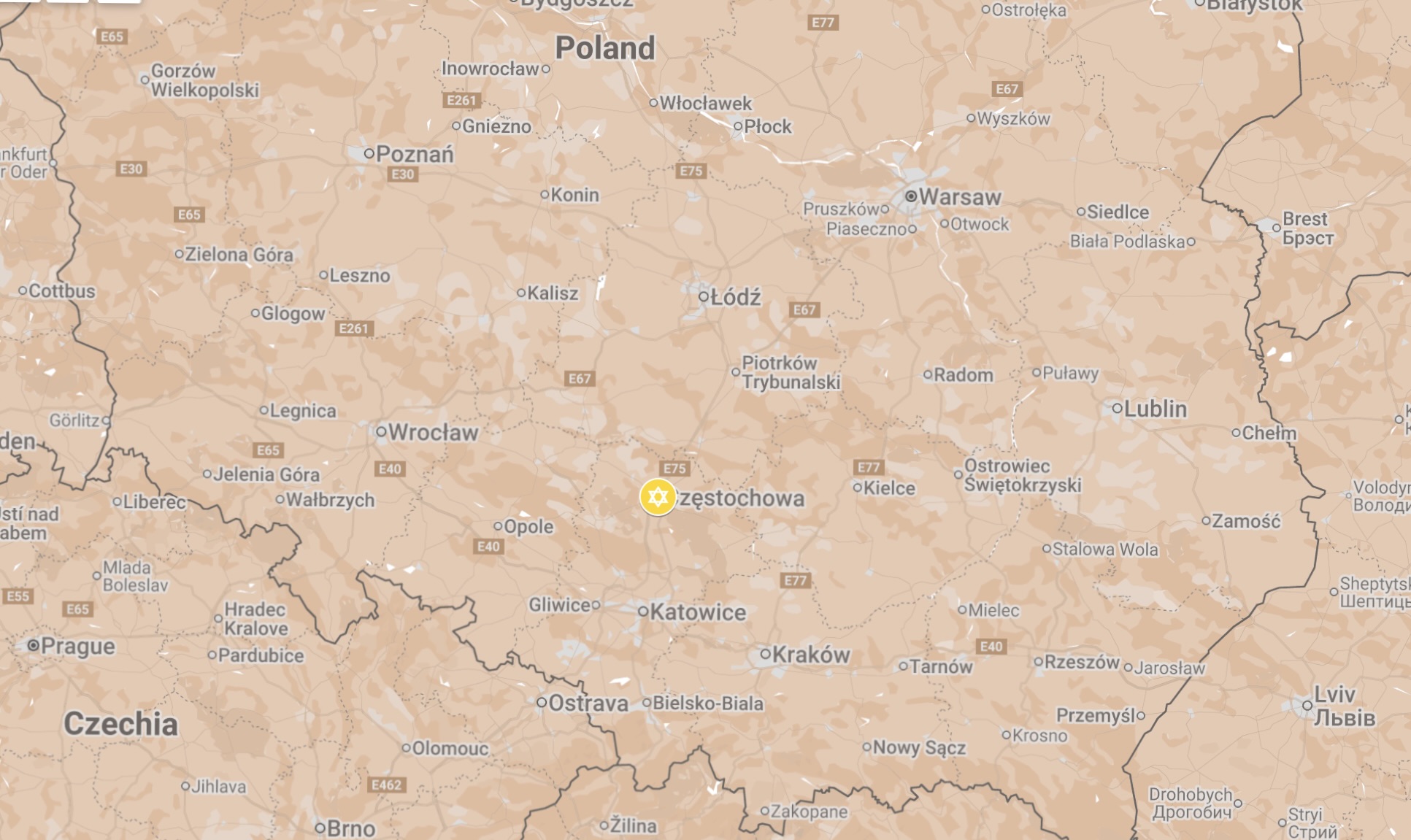
Częstochowa is 137km west of Kielce. After 1939, it was incorporated into the General Government and know by its German name of Tschenstochau. To find out more about Częstochowa and the Boys who grew up there click here.
The ghetto, which was set up in the city on 9 April 1941, was the fourth largest in occupied Poland. The Nazis intention was to isolate the Jewish population from the rest of the city.
Layout
The ghetto was located in the eastern, old part of the city and extended around Daszynski Square, the Stary Rynek, the old market, and the Warsaw Market. The railway line formed the boundary to the west; the Warta River to the east; to the north it ran along Kawia, Kiedrzynska and Jaskrowska streets; and to the south Fabryczna, Narutowicza and Strażacka streets. All Jews who lived outside this ghetto area were forced to move into the Jewish district by no later than 17 April 1941. At the same time, all Poles had to leave the area. This area became known as the Big Ghetto.
The ghetto was sealed off on 23 August 1941 and the Jewish population was isolated from the rest of the inhabitants of the city. Those who tried to leave were shot or hanged. Some 20,000 Jews from Łódź, Płock, Kraków and surrounding villages were also sent to the Częstochowa ghetto.
Daily Life
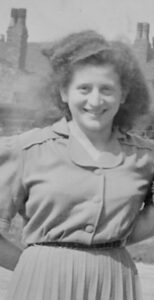
Bluma Urbas was held in the ghetto.
Living conditions were dire inside the ghetto. Families were forced to share cramped accommodation and there was little sanitation. Disease was widespread and food was short.
While the Jews of Częstochowa were variously observant, many continued to practice their religion in the ghetto. As in other ghettos some semblance of cultural life continued.
Deportations & Liquidation
In May 1942 in preparation for the liquidation of the ghetto the Germans seized and murdered the Jewish social, cultural, and political activists.
Deportations began on 22 September 1942, on the Jewish holiday of Yom Kippur. The Nazis often carried deportations and mass shootings on Jewish holidays. The first wave of deportations lasted until 7 October 1942. German units with Ukrainian and Latvian auxiliaries assembled Jews on Daszyński Square. They were then transported to the Treblinka extermination camp 331km to the northeast. Approximately, 40,000 people from the Częstochowa ghetto were murdered in the gas chambers at Treblinka.
The ghetto was liquidated in June 1943.
Jewish Resistance
There was a significant Jewish resistance movement set up by the Jewish Fighting Organisation, the ZOB, in December 1942. They worked closely with the ZOB in the Warsaw Ghetto.
The uprising took place when the ghetto was liquidated in June 1943. The commander of the Jewish resistance, Mordekhai Zylberberg, and many of the ghetto fighters were killed but a handful of the resistance fighters managed to escape and join the partisans.
Aftermath
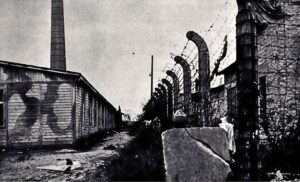
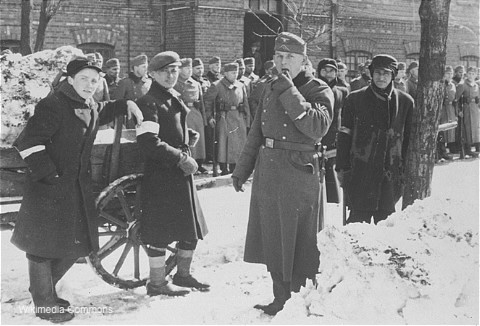
Hasag camp in the Częstochowa Ghetto.
Those who survived the main deportations numbered between 5,000–6,000 people. They were then imprisoned in the so-called Small Ghetto, where they were forced to work as slave labourers for the German metallurgic company HASAG (Hugo Schneider AG) which ran four forced labour factories in Częstochowa.
In December 1943, 1,200 prisoners were transported to Buchenwald and Dachau concentration camps in Germany. In the second half of 1944, 10,000 new workers, among them many members of the Boys, were brought from Łódź, Kielce, Radomsk and Skarżysko-Kamienna slave labour camps to work in the HASAG factories.
On 15 and 16 January 1945, as the Red Army advanced across Poland, about 3,000 prisoners were sent to the Buchenwald concentration camp. The remaining 5,200 Jews employed in Częstochowa slave labour camps were liberated by Soviet forces.
Memorialisation
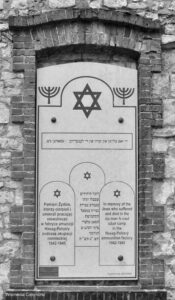
Częstochowa Hasag Memorial Plaque.
There is a commemorative plaque at Bohaterow Getta, 1–3 and a memorial in the Jewish cemetery on Złota, 42-202.
One of Częstochowa’s roundabouts is named after Leon Silberstein, one of the resistance leaders.
The city museum, Muzeum Częstochowskie, has a permanent exhibition on the city’s Jewish history. For information about visiting Częstochowa click here.
 About
About History
 Education
 Quilts
 FIlms
FIlms Photos
 News Media & Events
 Publications
 Donate